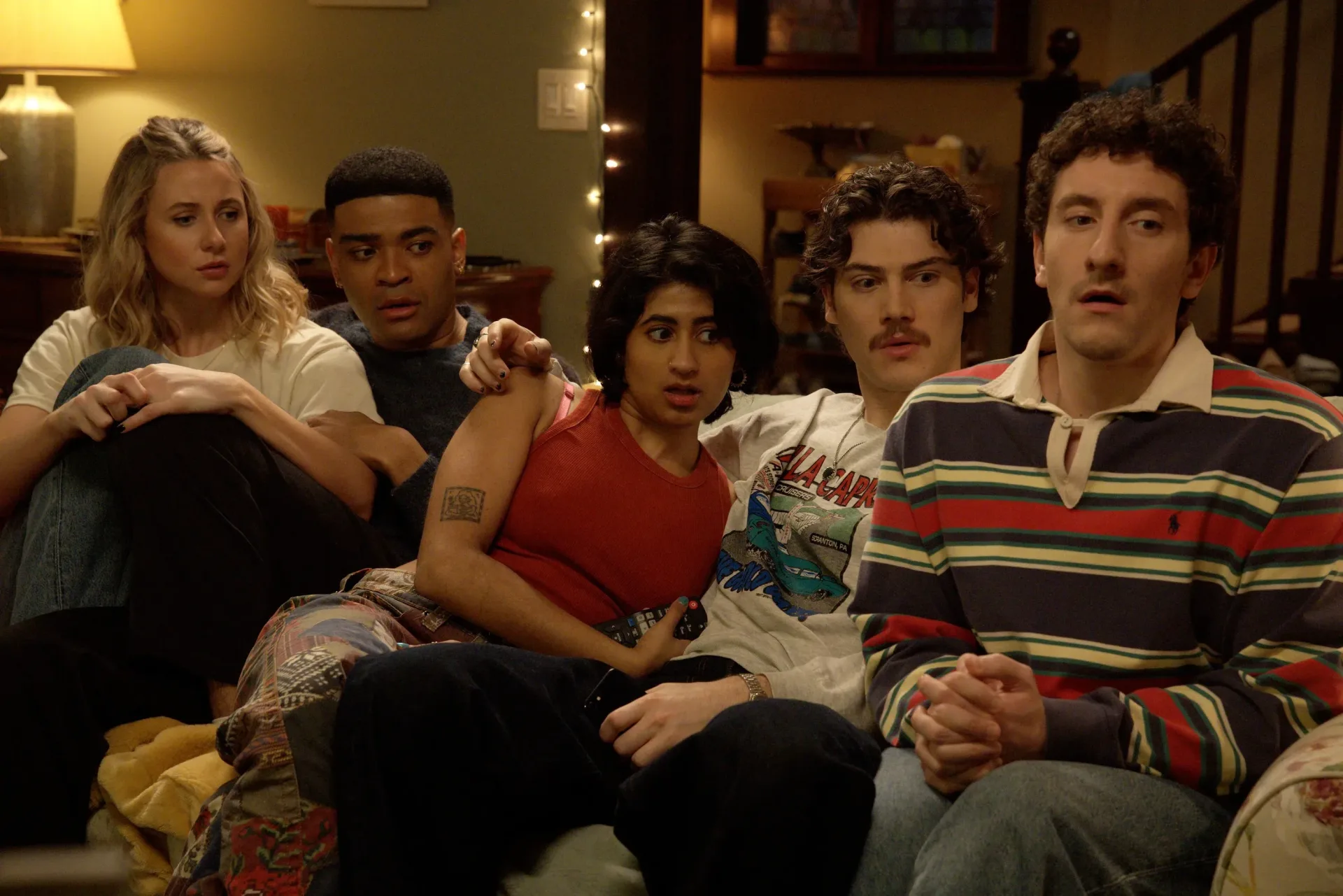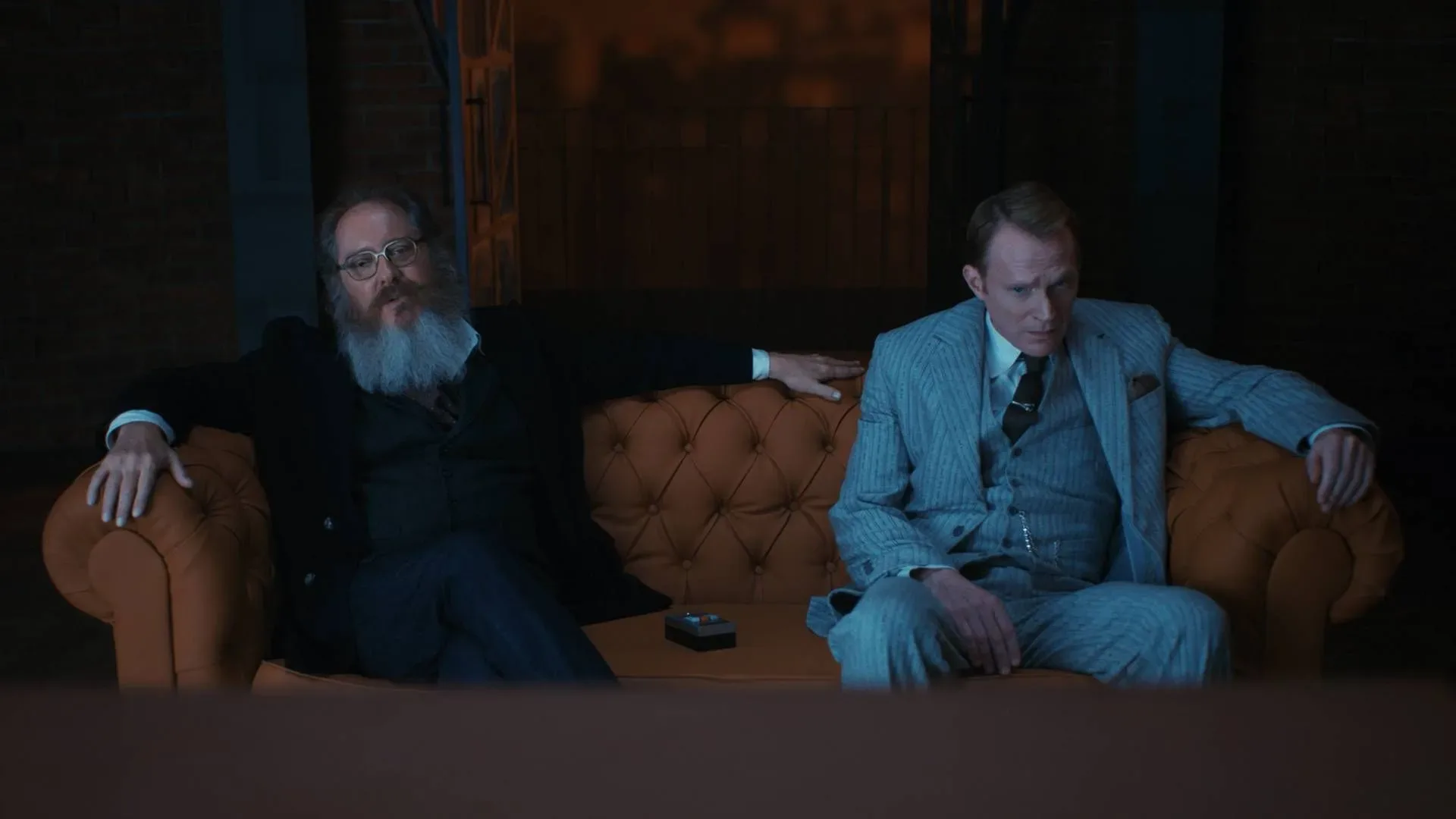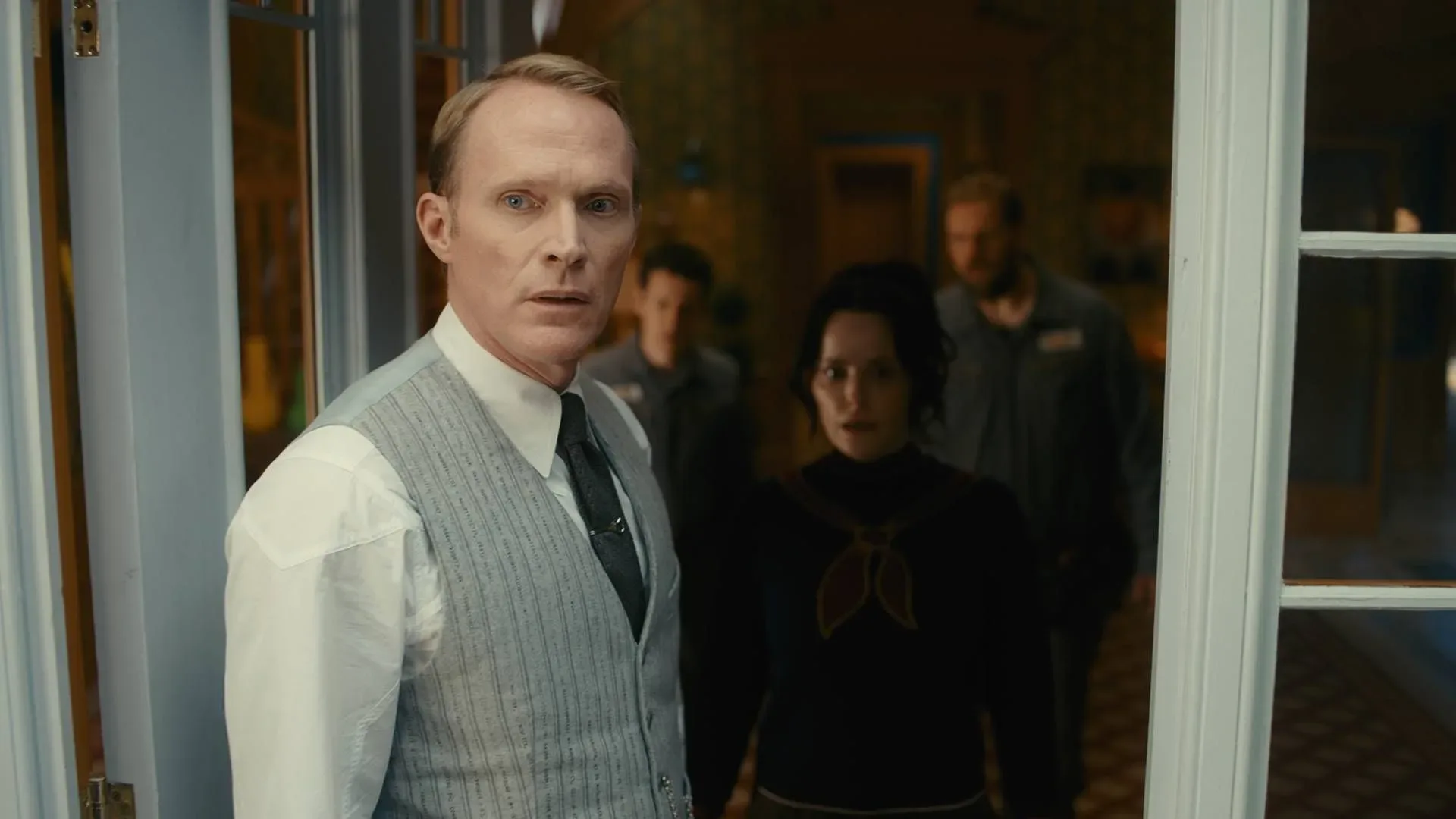
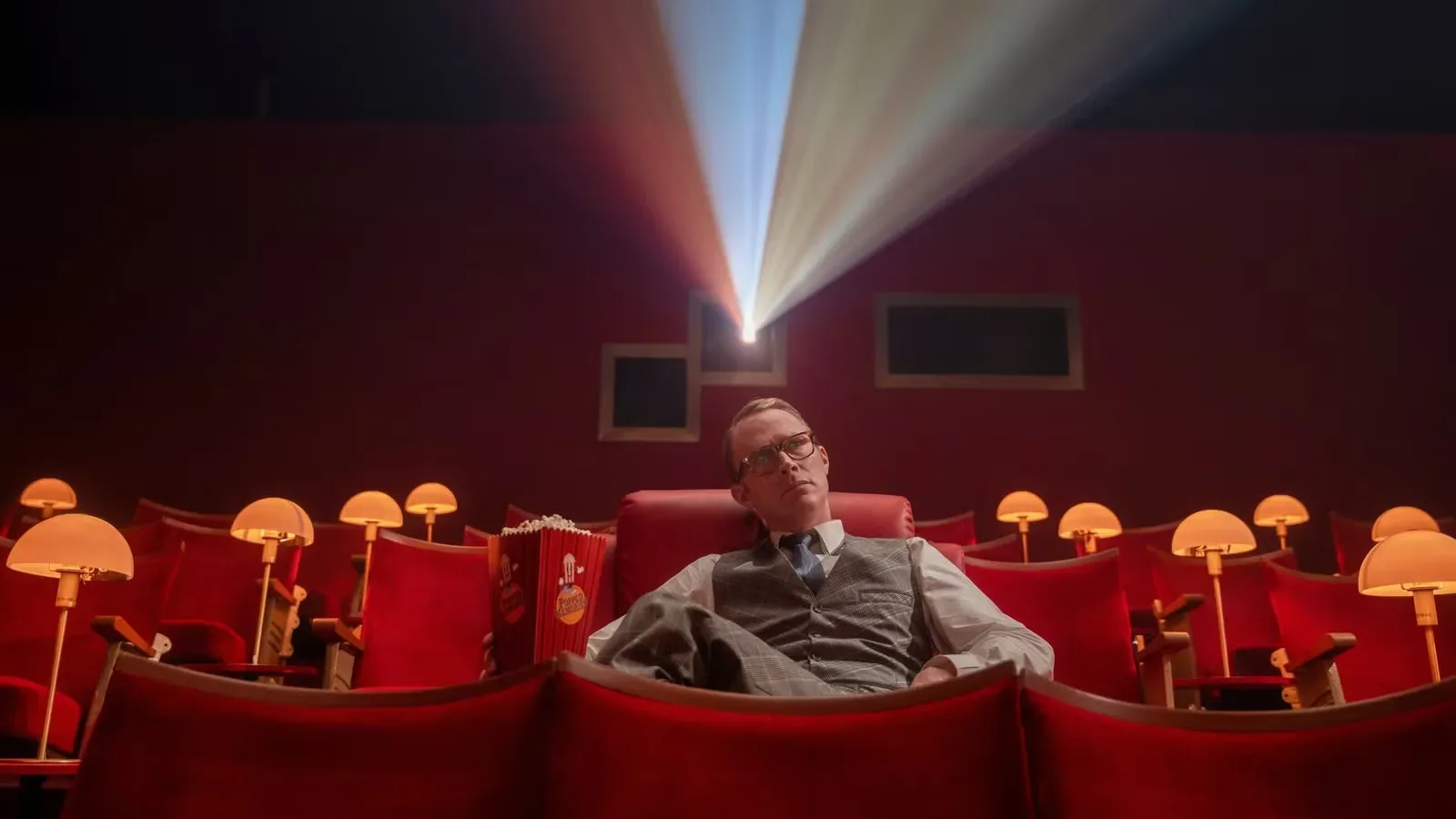
Marvel has made the first episode of VisionQuest available to watch free on YouTube, offering a low-commitment entry point to the completed series. The move is especially useful for viewers who remember WandaVision but have fallen behind on the wider Marvel Cinematic Universe: VisionQuest is presented as the final chapter of a three-show story that begins with WandaVision and continues through Agatha All Along.
There is one important caveat before pressing play. Although a free premiere makes the new show easy to sample, VisionQuest is not built as a standalone starting line. It follows developments from Agatha All Along closely enough that watching it first can reveal material that the middle entry intends to unveil on its own terms. For anyone approaching this corner of Marvel television fresh, release order is also the clearest story order:
- WandaVision (2021)
- Agatha All Along
- VisionQuest
A free episode is an invitation, not the whole story
The full run of VisionQuest consists of eight episodes and is available on Disney+. Making episode one freely accessible is a familiar streaming tactic: give prospective viewers enough of the opening to decide whether they want to continue, while reserving the rest of the season for the subscription service.
That does not mean the first episode is useless to people who are not ready to commit. It can help answer the basic questions that trailers and isolated clips rarely settle: whether the show’s tone works for a given viewer, whether its central premise is compelling, and whether returning to this branch of Marvel storytelling feels appealing. The practical point is simply that the premiere should not be mistaken for a spoiler-free substitute for the earlier series.
For viewers who do like the opening, the current setup makes a contained catch-up possible. The complete eight-episode season is already on Disney+, rather than being released one installment at a time. That allows someone to watch through at their own pace after subscribing, without needing to wait for a weekly finale.
Why the viewing order matters
Marvel uses the word “trilogy” here in a television-story sense rather than as a claim that the three shows are identical in cast, format, or focus. The connection is the continuing set of narrative threads established by WandaVision, advanced by Agatha All Along, and brought to a close in VisionQuest.
WandaVision, which arrived in 2021, is therefore the foundation. Agatha All Along is not optional side material for someone who wants the intended VisionQuest experience; it supplies plot developments that the final series builds upon. Beginning with the newest show may be tempting for viewers primarily interested in Vision, but it changes later revelations in the second show into pre-existing information.
That distinction matters because a spoiler is more than a list of facts. In serialized fiction, a reveal can also be a shift in perspective, a recontextualization of a character, or the answer to a question a series has spent time asking. Seeing an answer before the question can flatten the dramatic purpose of the intervening story—even if the audience can still follow the broad plot.
A practical catch-up plan
- If you have never watched WandaVision: start there, then move to Agatha All Along, and save the free VisionQuest episode until afterward.
- If you watched WandaVision but skipped Agatha All Along: watch Agatha All Along before going deeper into VisionQuest.
- If you watched both earlier shows: the YouTube premiere is a convenient way to sample the final installment before continuing on Disney+.
- If you only want the essentials before the next Avengers film: this three-series route is a more focused path than attempting to catch up on every MCU show.
What “self-contained” means in this case
The wider MCU can make any new release feel like homework, particularly when multiverse stories and multiple Disney+ series are involved. The stronger case for VisionQuest is narrower: the WandaVision trilogy can stand on its own as a connected run. Viewers do not need to treat it as an instruction to consume the entire franchise catalogue to understand the central arc.
“Self-contained” does not mean disconnected. It means the crucial context is concentrated in these three shows rather than scattered across every corner of Marvel continuity. That is a meaningful difference for lapsed viewers. Instead of attempting an undefined MCU catch-up, they have a sequence with a beginning, middle, and end—and a clearly identified middle chapter that should not be skipped.
It also explains why the free first episode is potentially valuable despite the ordering warning. For viewers who already know the prior chapters, it is a clean, no-cost way to determine whether they want to finish the trilogy. For viewers who do not, it acts more like a reminder that there is a finished story waiting behind it than a recommended first stop.
Those looking for other current television coverage can also find it in our report on FX renewing Adults for a larger third season.
The Avengers: Doomsday connection
The trilogy’s endpoint is not purely inward-looking. VisionQuest includes a post-credits scene that appears to connect the completed television arc to Avengers: Doomsday, which is set for theaters on December 18. A post-credits scene is an additional sequence shown after the principal credits; in franchise storytelling, it commonly serves as a bridge, tease, or setup for a later project.
The key word is “appears.” A stinger can signal importance without explaining exactly how a character or storyline will function in the next film. It is reasonable to view the scene as connective tissue, but not to assume it maps out the entire role this corner of Marvel will play in Avengers: Doomsday. The current information establishes a link, not a complete blueprint.
For audiences planning to see the Avengers film, finishing the trilogy before December 18 could make that connection more meaningful. It may also provide a more satisfying sense of closure on the television side: VisionQuest resolves the trilogy’s central threads while leaving a door open toward the larger franchise. That balance is often what viewers want from a limited run—an ending that feels like an ending, without pretending its characters no longer exist in an interconnected universe.
Why this is a manageable Marvel entry point
There is a difference between a franchise being large and every individual story requiring the same amount of preparation. The WandaVision trilogy offers a defined lane through Marvel television: three linked series, a stated order, an available final season, and a possible route into the next Avengers event. That is considerably less daunting than treating every MCU release as mandatory context.
Viewers should still manage expectations around the free episode. It is an introduction to VisionQuest, not a replacement for the earlier chapters or a guarantee that the show will explain all of Marvel’s broader multiverse material. The most useful approach is straightforward: use the free premiere if you are already caught up, or bookmark it while you work through WandaVision and Agatha All Along.
With all eight episodes of VisionQuest now streaming on Disney+, the trilogy is no longer an open-ended assignment. It is a complete sequence with a clear order and a visible next-franchise connection. For viewers whose MCU interest begins and ends with this particular set of characters and stories, that may be exactly the kind of catch-up route Marvel needs.