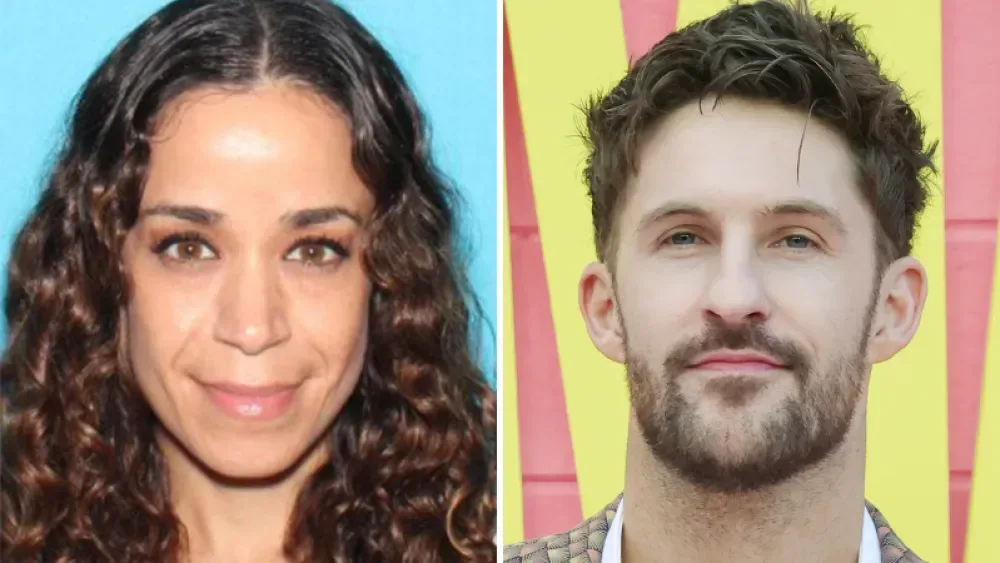
Two people have been arrested in connection with the murder investigation involving Christina Downer, the sister of Saturday Night Live writer Jimmy Fowlie.
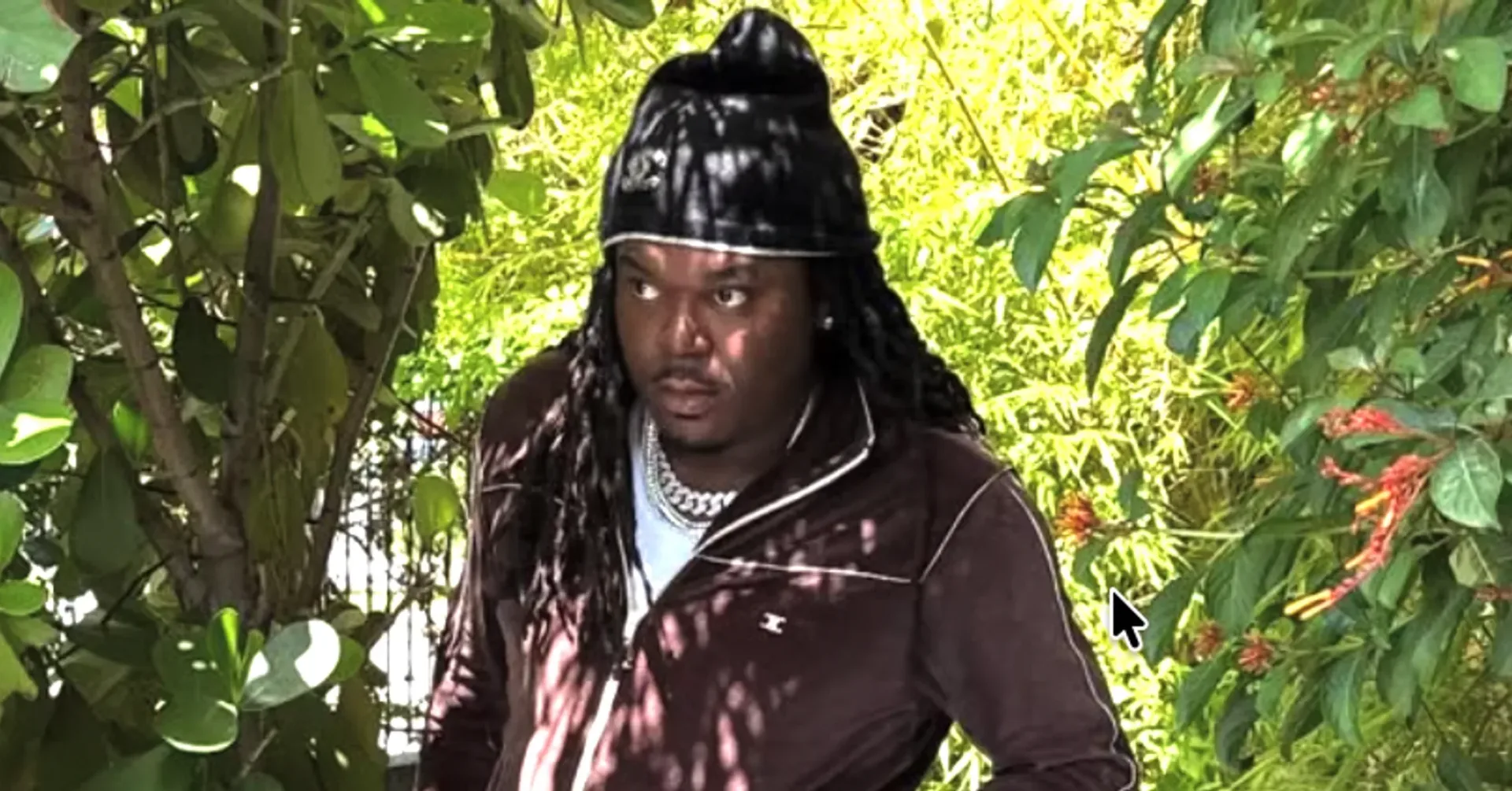
The Los Angeles Police Department identified the arrested suspects as Delorean Bijon Brandon, 41, Downer’s boyfriend, and Kaylee Nicole Markowski, 34. Brandon was arrested in Highland Park and Markowski in Tarzana, police said.
Investigators believe Brandon and Markowski were responsible for Downer’s murder, then disposed of her body and took steps to conceal the crime. The available information describes the department’s investigative position; it does not detail charges, court proceedings, a suspected motive, or the evidence police say underpins that conclusion.
A disappearance that prompted a widening search
Downer was reported missing following a welfare check on December 18, 2025. At that time, Brandon said that she had moved out, leaving behind her car and dog.
The case continued to develop after Downer’s cellphone washed ashore at a Santa Monica beach. That discovery was among the circumstances that led authorities to search an Airbnb property in Joshua Tree, a high-desert community several hours from Los Angeles.
The Joshua Tree search involved K-9 units and the San Bernardino County Sheriff’s Department. A K-9 unit is a law-enforcement team that works with trained dogs, which can be used in searches of large or difficult terrain. The involvement of another county agency also illustrates the geographic reach an investigation can take when the places connected to a disappearance are spread across Southern California.
Investigators’ reference to a body being disposed of and a crime being concealed is significant because it indicates the department is treating the matter as more than an unresolved missing-person case. But the public account provided so far remains narrow. It does not specify when Downer died, where police believe the killing occurred, whether her body has been recovered, or what direct role investigators attribute to each suspect.
Jimmy Fowlie previously said his sister was no longer alive
Fowlie publicly stated on April 29 that his sister was “no longer alive.” In the same message, he said his family’s hope that she would be found safely had changed into a demand for the truth and accountability.
Related coverage includes Two Arrested in Christina Downer Murder Investigation.
“Our prayers for her to be found safely have transformed into prayers for the truth to be revealed and for those responsible to be held accountable,” Fowlie wrote.
Fowlie also said the family had reason to believe that Downer’s phone and social-media accounts had been compromised in the weeks before she vanished. He alleged that whoever had access to the phone used it to obscure her disappearance, request money, and advance the claim that she intended to go “off the grid.”
Those statements were made by Downer’s brother and should be understood as his family’s account, rather than as a detailed description of police evidence. The LAPD’s arrest announcement likewise does not publicly explain whether the alleged phone and social-media activity is part of the case detectives have developed.
Why digital accounts can matter in a missing-person investigation
A compromised device or account generally means someone other than the rightful owner may have gained access to it. In the context described by Fowlie, the concern was not merely privacy. Messages or posts appearing to come from a missing person can potentially affect what relatives, friends, and investigators initially believe about that person’s whereabouts and safety.
The distinction between a device and an account is useful here. A phone can be physically possessed by someone else, while access to social media or messaging services may depend on passwords, saved logins, recovery options, or active sessions. The material provided in this case does not establish how any access may have occurred, who sent particular messages, or what investigators may have verified. Still, the account raises a broader practical point: digital activity can become a key part of the timeline in a disappearance inquiry.
For families following cases like this, the lack of immediate public detail can be difficult. Arrest announcements frequently identify investigators’ overall theory without releasing the full sequence of evidence. That can leave major questions unanswered while the criminal process develops, including the alleged actions of each person, the condition and location of physical evidence, and the eventual arguments that may be made in court.
What is established — and what remains unknown
The known chronology is limited but consequential:
- Downer was reported missing after a welfare check on December 18, 2025.
- Brandon said she had moved out and had left her vehicle and dog behind.
- Her cellphone later washed ashore in Santa Monica.
- Authorities searched an Airbnb property in Joshua Tree with K-9 support and assistance from the San Bernardino County Sheriff’s Department.
- Fowlie said publicly on April 29 that Downer was no longer alive.
- Police later arrested Brandon in Highland Park and Markowski in Tarzana, saying detectives believe the pair killed Downer, disposed of her body, and concealed the crime.
What has not been publicly supplied is just as important for accurately understanding the story. There is no stated motive. There is no account of how detectives connected the suspects to the alleged crime. There is no public explanation of the significance of the Joshua Tree property beyond its connection to the investigation. And there are no details in the provided information about what happens next in court.
As the case moves forward, those distinctions matter. An arrest reflects police action and investigators’ stated belief; it is not, on its own, a public accounting of every allegation or piece of evidence. Any later court filings or official statements could add necessary context about the case against each defendant.
The story has drawn attention in part because of Fowlie’s television connection, but the central issue is the death of Christina Downer and the investigation surrounding it. Coverage of the case should keep the focus there: on a missing-person report that escalated into a homicide investigation, on the family’s public search for answers, and on the need for careful language as the legal process continues.
For more entertainment-world coverage with a focus on the people behind public stories, read our report on Tiffany Pollard and Philip Regan’s Big Brother clash.