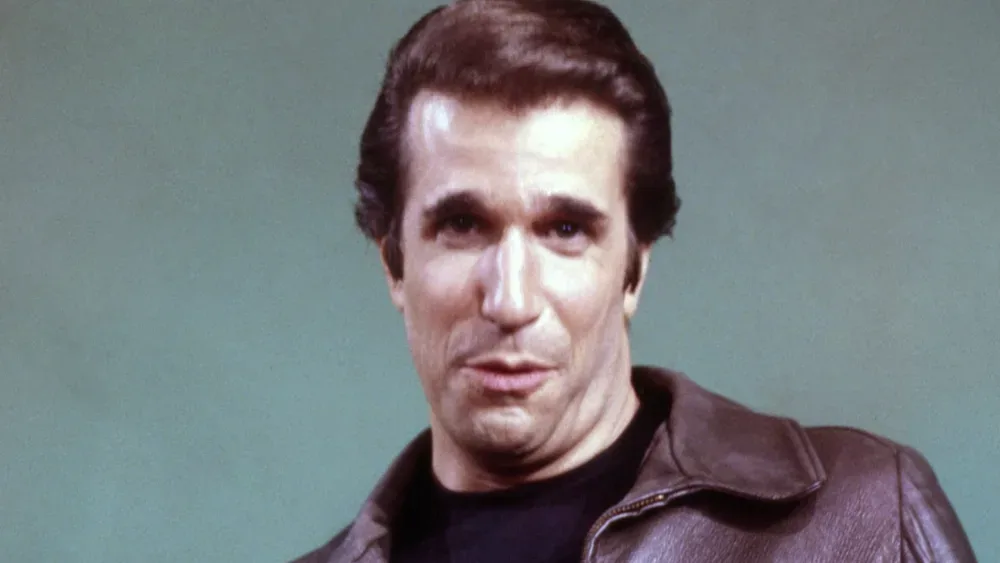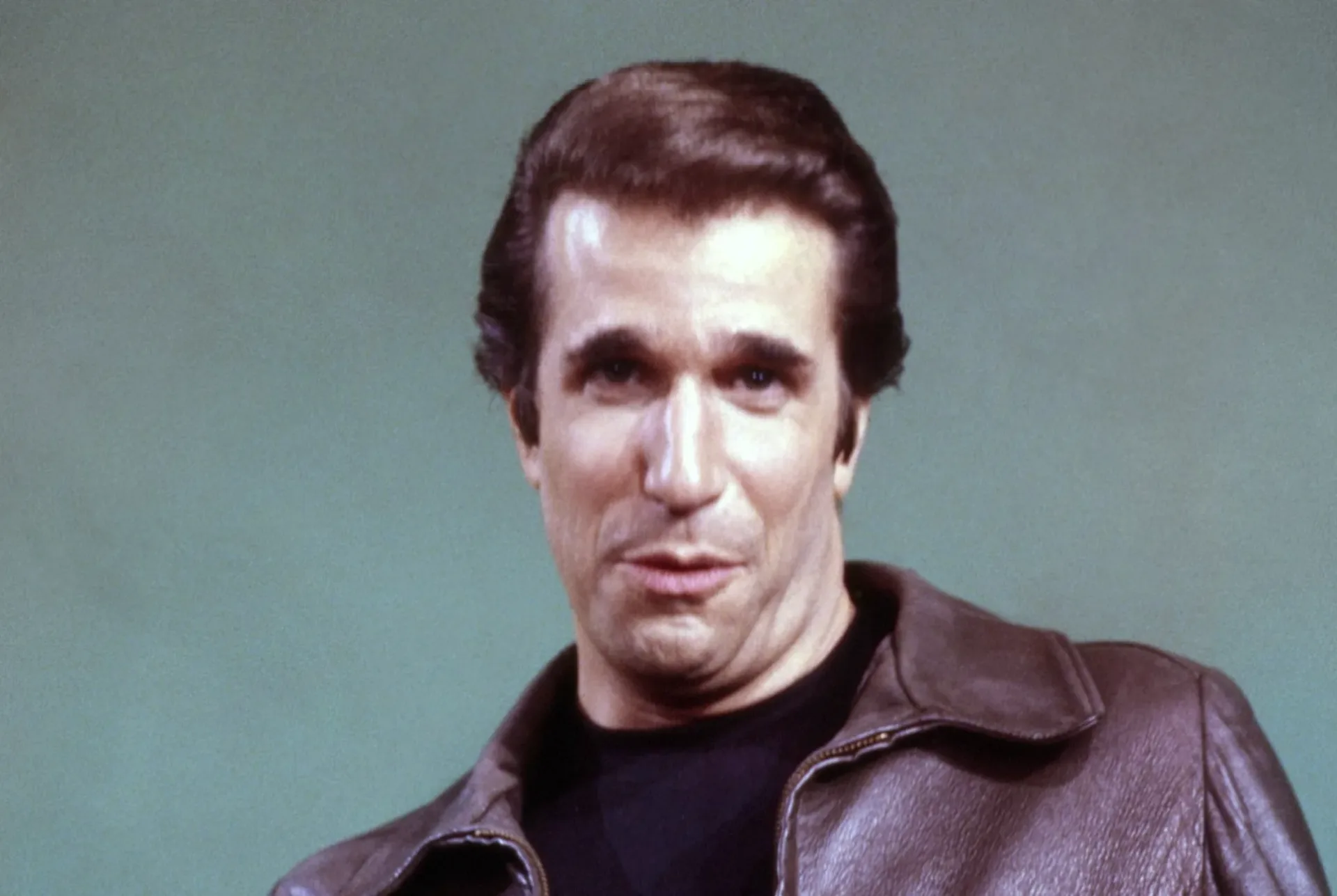
Arthur “Fonzie” Fonzarelli was one of television’s great breakout characters, but Henry Winkler says he did not want that success to turn Happy Days into a one-man brand. Speaking on In Depth With Graham Bensinger, Winkler recalled that ABC considered renaming the sitcom Fonzie’s Happy Days when the leather-jacketed character had become an enormous audience favorite. His answer, he said, was a firm request not to do it.
The proposal arrived at a point when the series was performing exceptionally well in the ratings. Winkler’s argument was practical as much as it was generous: the show was already working, and changing its name risked sending the wrong message to the people making it. He viewed a retitle as a slight to the wider cast and the collaborative machinery that had made the comedy successful.
That decision also meant declining the chance to spin Fonzie off into a separate series. Rather than test whether the character could thrive among a newly assembled group of performers, Winkler preferred to remain with the familiar ensemble. It is an unusually clear example of a star recognizing that a beloved character’s appeal can be inseparable from the world, rhythm and relationships surrounding him.
A breakout character without a rebranded show
Winkler played Fonzie across all 11 seasons and 255 episodes of Happy Days. The character initially appeared in a recurring capacity, then became a series regular in season two as viewers embraced him. That popularity created the sort of programming decision television executives routinely face: when one character becomes the cultural lightning rod, should the network put that name at the very center of the property?
In this case, the idea was to add Fonzie’s name to the title while retaining Happy Days. Winkler remembered ABC president Leonard Goldenson bringing the possibility directly to his dressing room. He described ABC as having been behind the other three major networks before the sitcom’s rise, giving the context a little extra weight. A character as immediately recognizable as Fonzie could have looked like a straightforward marketing answer.
But Winkler felt the existing title did not need repairing. The ratings were strong, and he believed a rebrand would be disruptive precisely because it elevated one success over the creative group that supported it. His concern was not simply that a new title might be awkward; it was that it could seed resentment in a cast that needed to continue working closely together.
Winkler’s basic position was that the show could not function properly if its collaborators became angry or resentful with one another.
That rationale is striking because it treats the title not as a tiny piece of promotional copy but as a statement of ownership and status. For audiences, a show’s name is often just the label on the opening credits. For the actors and producers whose careers are attached to it, the name can announce who the enterprise is now presumed to belong to.
Ron Howard’s stake in the decision
Ron Howard, who played original lead Richie Cunningham, had his own complicated perspective on Fonzie’s rise. Winkler said Howard had acknowledged that it hurt to feel overshadowed by the breakout character, while also making clear that Winkler himself had not done anything wrong. Howard recognized Fonzie was good for the program and that the character’s prominence helped it succeed.
Howard later described reaching a similar conclusion about the attempted rename: building up Fonzie creatively made sense, but putting Fonzie’s name into the series title crossed a line for him. He said he would have left if the show had been retitled. Howard ultimately departed Happy Days after seven seasons, but the proposed title change did not happen.
His view and Winkler’s recollection line up on the core point, even if they approach it from different places. Howard had understandable concerns about the optics of being in a show recast publicly as someone else’s vehicle. Winkler, already benefiting from the character’s extraordinary momentum, did not want to capitalize on that momentum in a way that could deepen the tension.
Howard later learned that Winkler also disliked the idea. He suggested that his own resistance made it easier for Winkler and creator Garry Marshall to oppose it as well. Whatever private conversations occurred around the production, the eventual result was simple: Happy Days remained Happy Days.
Why the Fonzie spinoff never happened
The retitle was not the only expansion idea that Winkler turned down. He said Goldenson also offered the possibility of a Fonzie spinoff. Again, he was hesitant not because the character lacked popularity, but because he did not know whether he would have the same chemistry with a different group of actors.
Winkler’s response puts a useful limit on the idea that fame alone makes a franchise. Fonzie’s screen presence mattered enormously, but so did his place within the Cunninghams’ world and the show’s wider collection of characters. A new series could have retained the jacket, catchphrases and name recognition while losing the particular interpersonal balance that made those familiar elements land.
Rather than gamble on that shift, Winkler described himself as happy with the “extraordinary family” already around him. In later remarks recalled by Howard, Winkler’s philosophy was even more direct: there was no need to fix something that was not broken, and his success depended on the ensemble.
It is difficult to imagine a clearer statement of how an actor understood the value of a hit character without mistaking the character for an entire show. The choice did not diminish Fonzie’s profile. If anything, the fact that the sitcom kept its original collective identity makes the character’s legacy feel more organic: he became iconic within Happy Days, rather than replacing it.
The collectible legacy of keeping Happy Days intact
For TV collectors, this near-miss is a reminder that branding decisions shape how a series is remembered and how its memorabilia is interpreted. A production that had become Fonzie’s Happy Days would have created a very different historical paper trail, from promotional artwork and press materials to potential merchandise concepts. That alternate branding never reached the screen, leaving the original title as the shared banner for the program’s full run.
Fonzie is still the figure many people immediately picture when Happy Days comes up. Yet the show’s name preserves room for Richie, the Cunningham family and the broader ensemble rather than converting its public identity into an extension of one character. For anyone interested in the ways television history becomes memorabilia history, that distinction matters. It affects the narrative attached to vintage promotional items and the way fans describe what, exactly, they are collecting.
The episode is also a useful companion to modern entertainment projects that deliberately combine established pop-culture identities. For another example of entertainment brands moving across media, see our coverage of Netflix and Sega’s Crazy Taxi, Stranger Than Heaven and Sonic plans.
A decision built around the whole cast
There is no mystery about why ABC would have considered putting Fonzie’s name on the marquee. Winkler’s performance had transformed a recurring role into the central pop-cultural force of one of the era’s defining sitcoms. Networks are built to notice that kind of momentum. The remarkable part is that the actor most likely to benefit from the change chose not to pursue it.
Winkler’s account does not pretend the cast dynamics were frictionless. Howard’s feelings about being overshadowed were real, and Howard has been candid that a new title would have been too much for him. Yet the story is not merely one of conflict. It is also about participants recognizing the pressure created by a breakout character and finding a path that kept the show together.
In the end, Fonzie remained a defining part of Happy Days, not its replacement. Winkler’s refusal of both a title change and a separate series preserved the arrangement that had already connected with viewers: an ensemble sitcom with one exceptionally cool resident who knew better than to claim the whole sign above the door.