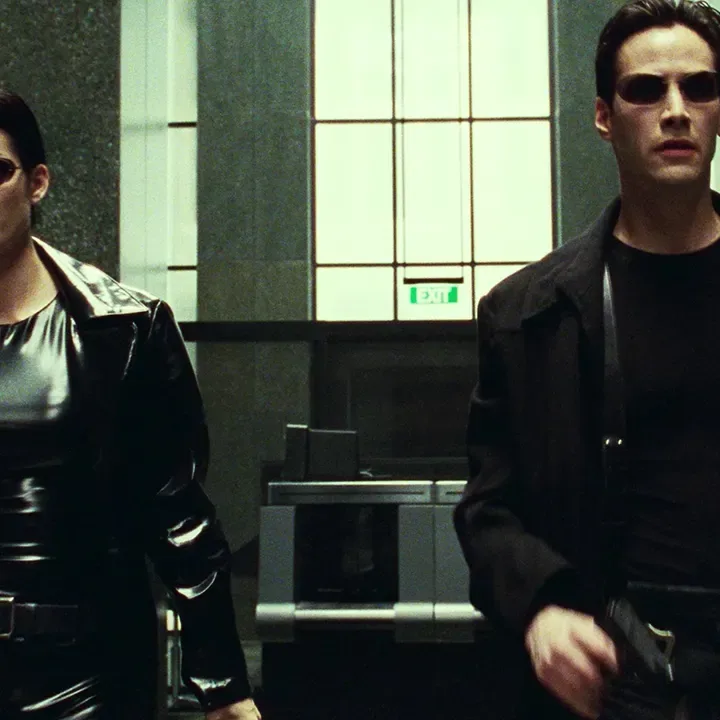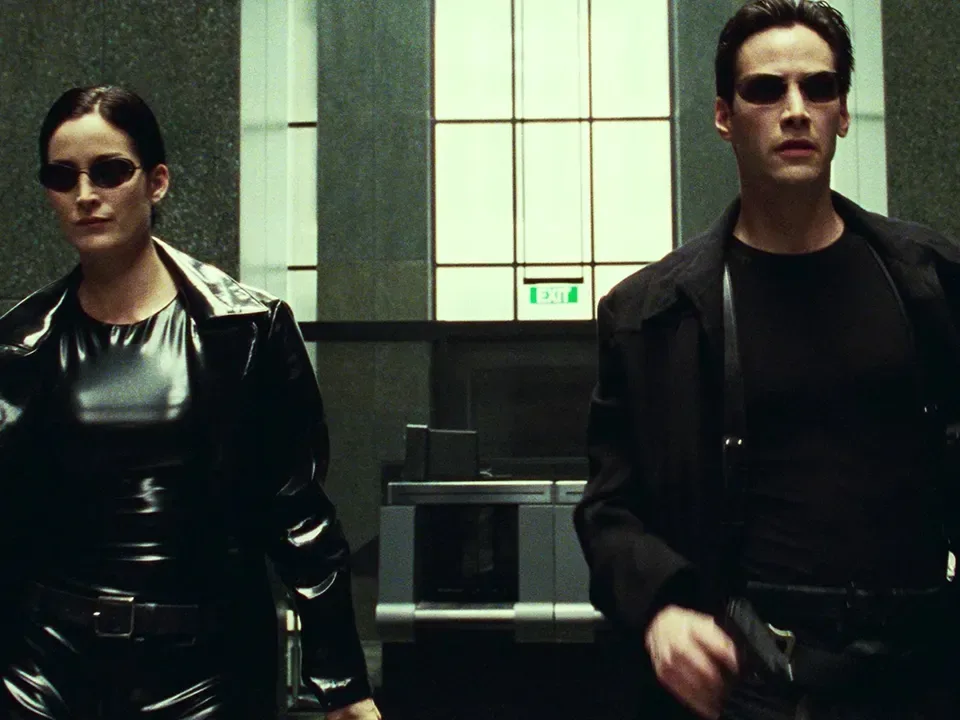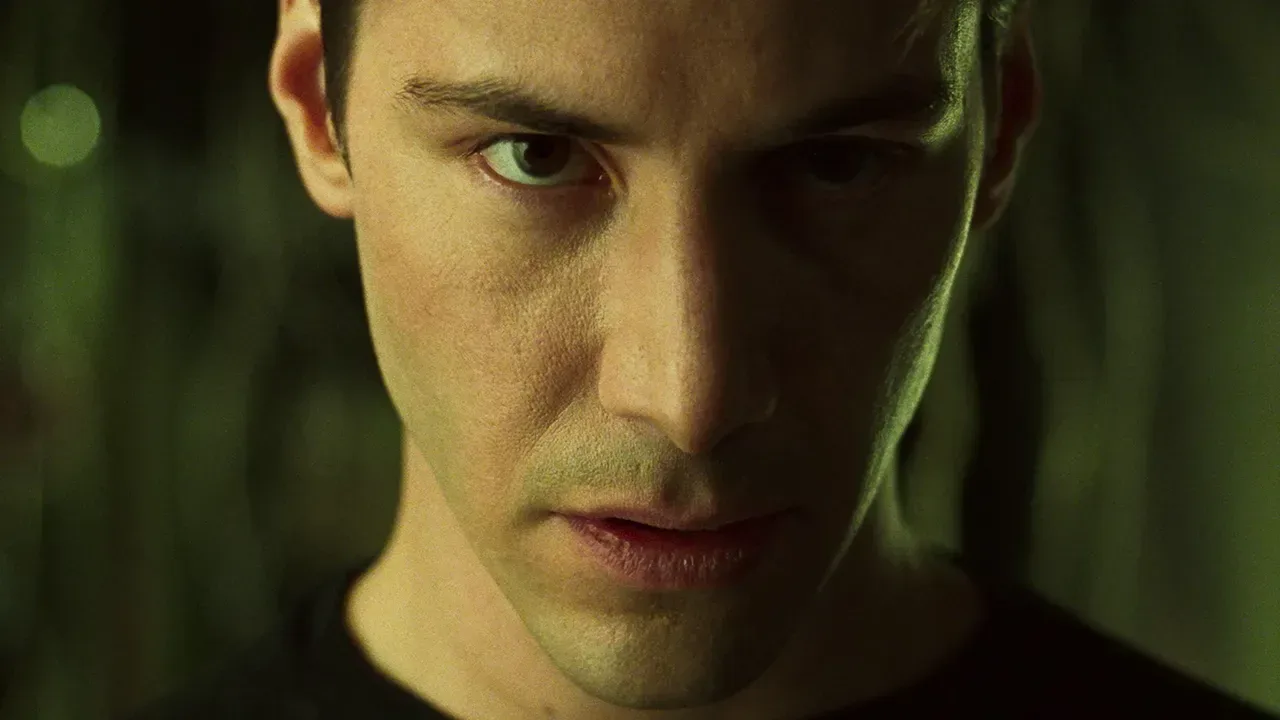
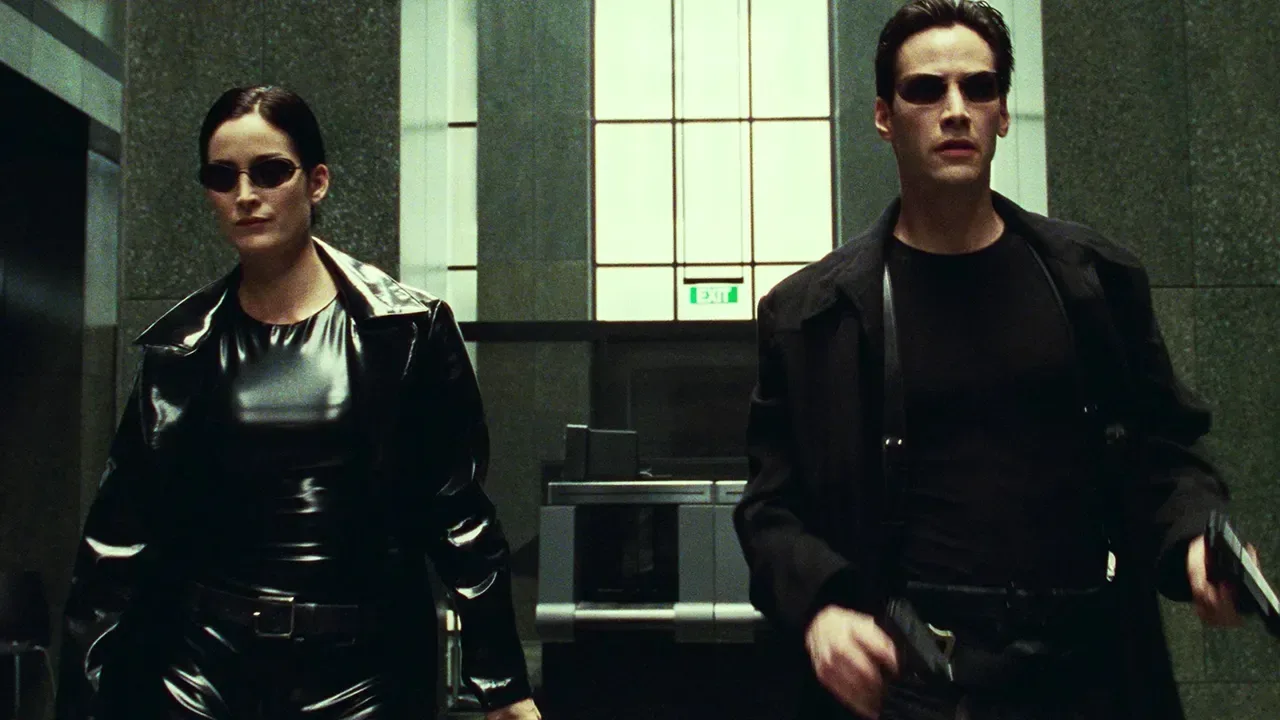
The red pill may now come with contract language. Lana and Lilly Wachowski have reportedly notified Warner Bros. that they intend to reclaim the copyright to The Matrix, placing one of modern science fiction’s most recognizable franchises at the center of a potentially consequential rights negotiation.
The timing matters. If the effort succeeds, the sisters would regain rights in 2029, 30 years after the original film’s release. At the same time, a fifth Matrix film remains in development, with Drew Goddard attached to write and direct and Lana Wachowski serving as an executive producer. That overlap does not mean the new movie has been cancelled, delayed, or even necessarily endangered. It does mean the people making it are navigating a franchise whose ownership picture could change.
For fans hoping for clean, immediate answers—release window, cast list, plot premise, perhaps an extremely important update on coats—the available information does not provide them. There is no release date for The Matrix 5, and it remains unknown whether Keanu Reeves and Carrie-Anne Moss will return or whether the story will center a new cast. The rights situation adds a business question to an already open-ended creative one.
What the Wachowskis’ move is trying to change
Copyright is the legal control attached to an original creative work. In practical franchise terms, control of that copyright can shape who has authority to license, develop, adapt, or continue a property. A successful reclamation effort would therefore be highly significant for a series as valuable and culturally durable as The Matrix.
But “significant” is not the same as “simple.” The central issue is not merely whether the Wachowskis created the original film. Their authorship is fundamental to the identity of the franchise. The reported complication is whether the original screenplay could be treated as a work made for hire for Warner Bros. in the 1990s.
Work made for hire is a term that can affect who is considered the legal author or copyright owner for a particular work. In the broadest sense, it describes work created under an arrangement where the commissioning party or employer, rather than the individual creator, may hold key ownership rights. That distinction could be crucial here. If Warner Bros. can establish that the screenplay falls under such an arrangement, it may complicate or limit the attempted reclamation.
No resolution has been publicly established by the information available. That is important: this is a developing ownership dispute, not a finished transfer of the franchise back to its creators. It should also not be read as proof that a fifth movie cannot proceed. Rights negotiations, legal arguments, and active development can all coexist, although not always peacefully.
Why a negotiated outcome may be more plausible than a hard break
One likely path is a renewed agreement rather than an abrupt studio exit from the world of red pills, simulated reality, and gravity-defying martial arts. Skydance, Warner Bros.’ new parent company, is reportedly confident that it can reach a deal. Its confidence is linked to previous rights work involving The Godfather and the acquisition of The Terminator rights in 2011.
Those examples do not determine what will happen with The Matrix; every agreement rests on its own facts, contracts, and bargaining positions. They do, however, help explain why the studio may see negotiations as a workable route. The Wachowskis’ reported position potentially carries added leverage because the franchise has a film in development and Lana Wachowski already has a producing role on it.
Leverage is not necessarily a public showdown. It can be the ability to negotiate greater compensation, clearer creative participation, improved approval arrangements, or a more defined long-term role in the future of a property. None of those specific terms have been reported here, so they should not be assumed. The larger point is that the prospect of a 2029 rights change gives both sides an incentive to settle the question before it becomes an obstacle to future planning.
That would fit a scenario in which Skydance keeps the franchise rights for the foreseeable future while the Wachowskis secure a new and more favorable arrangement. It would also preserve continuity around a project that has already attached a writer-director and executive producer.
The fifth film has more unknowns than knowns
Goddard’s involvement is the clearest concrete detail about The Matrix 5. Beyond that, nearly everything essential remains undecided publicly. There is no confirmed launch date. No returning cast has been confirmed. There is no official indication of whether the film will extend the story of familiar characters or introduce a fresh group of protagonists.
That uncertainty deserves more attention than speculative casting chatter. The Matrix is not a franchise where a title alone answers the creative question. Each new installment must determine its relationship to the original film’s characters, its visual language, and its big ideas about reality, systems, choice, and control. A sequel led by Reeves and Moss would signal one kind of continuity; a story centered on different cyberpunk martial artists could signal another. At present, neither direction is confirmed.
Lilly Wachowski has publicly distanced herself from the property, yet the sisters are reportedly encouraging about the next sequel and have increased their involvement lately. That creates a more nuanced picture than either “both creators are fully back” or “the creators have walked away.” Lana’s executive-producer credit is a concrete connection to the new film. Lilly’s position, as described, remains more complicated.
Resurrections and the commercial context
The studio’s interest in another entry comes despite the commercial disappointment of 2021’s The Matrix Resurrections. That performance is not a clean referendum on the franchise’s appeal. The movie arrived during the COVID-19 pandemic and opened simultaneously on HBO Max and in theaters, two circumstances that materially shaped its theatrical prospects. Its release strategy also prompted a lawsuit from Village Roadshow.
Those conditions matter because box office totals do not exist in a vacuum. A theatrical run during a disrupted period, coupled with same-day streaming availability, presents a different set of viewing choices from a conventional exclusive cinema release. This does not erase the film’s box-office result; it explains why using that number alone to predict the prospects of every future Matrix project would be overly tidy.
For the planned fifth movie, the practical question is whether the studio and creators can align ownership, creative stewardship, and development timing. The rights issue may affect the terms under which that work happens, but it has not yet supplied a public answer on story or release plans.
What audiences should—and should not—take from this
- Do take it as a meaningful ownership development. The reported reclamation effort could alter who controls a major franchise beginning in 2029.
- Do not take it as a cancellation notice. The Matrix 5 is still in development, and no reported decision says the project has stopped.
- Do not mistake an attached filmmaker for a finished production. Goddard is attached to write and direct, but release timing, cast, and narrative remain unconfirmed.
- Keep the legal uncertainty in view. The possible work-for-hire question could prove an important hurdle, and no outcome has been established.
- Expect negotiation to be a major possibility. A revised agreement could allow the studio to continue with the property while giving the Wachowskis stronger terms or involvement.
There is an appropriately Matrix-like irony in a franchise about control over reality now confronting a real-world question of creative control. Yet the story is less about a binary choice between studio ownership and creator ownership than it is about the complicated machinery that can sit behind a beloved property. The next major development may be a legal argument, a deal, or an actual update on the fifth film. For now, the sequel remains in development, the rights remain contested, and 2029 has become a date worth watching.
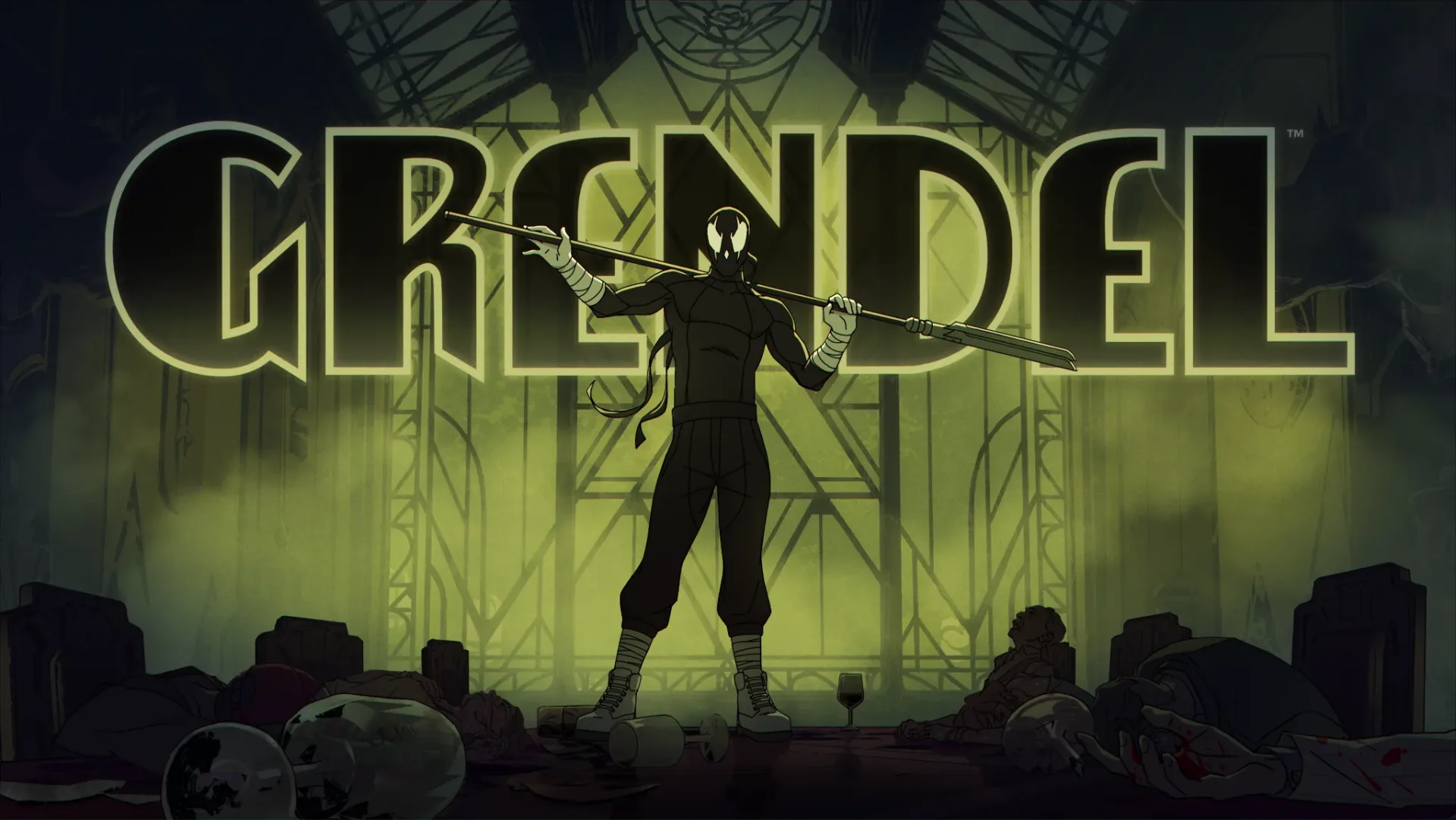
For another recent entertainment development involving a major adaptation, see Netflix’s planned adult animated Grendel series.