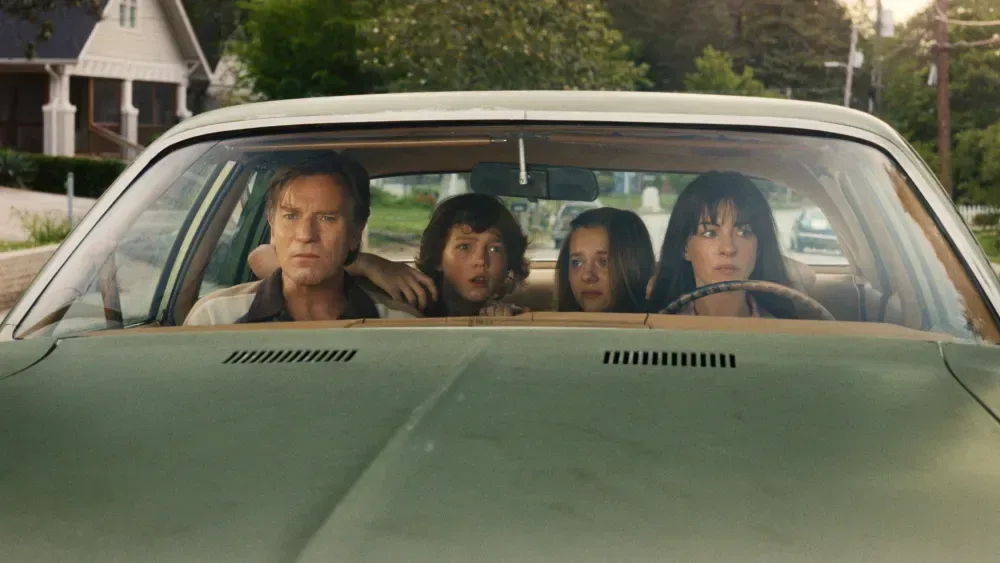
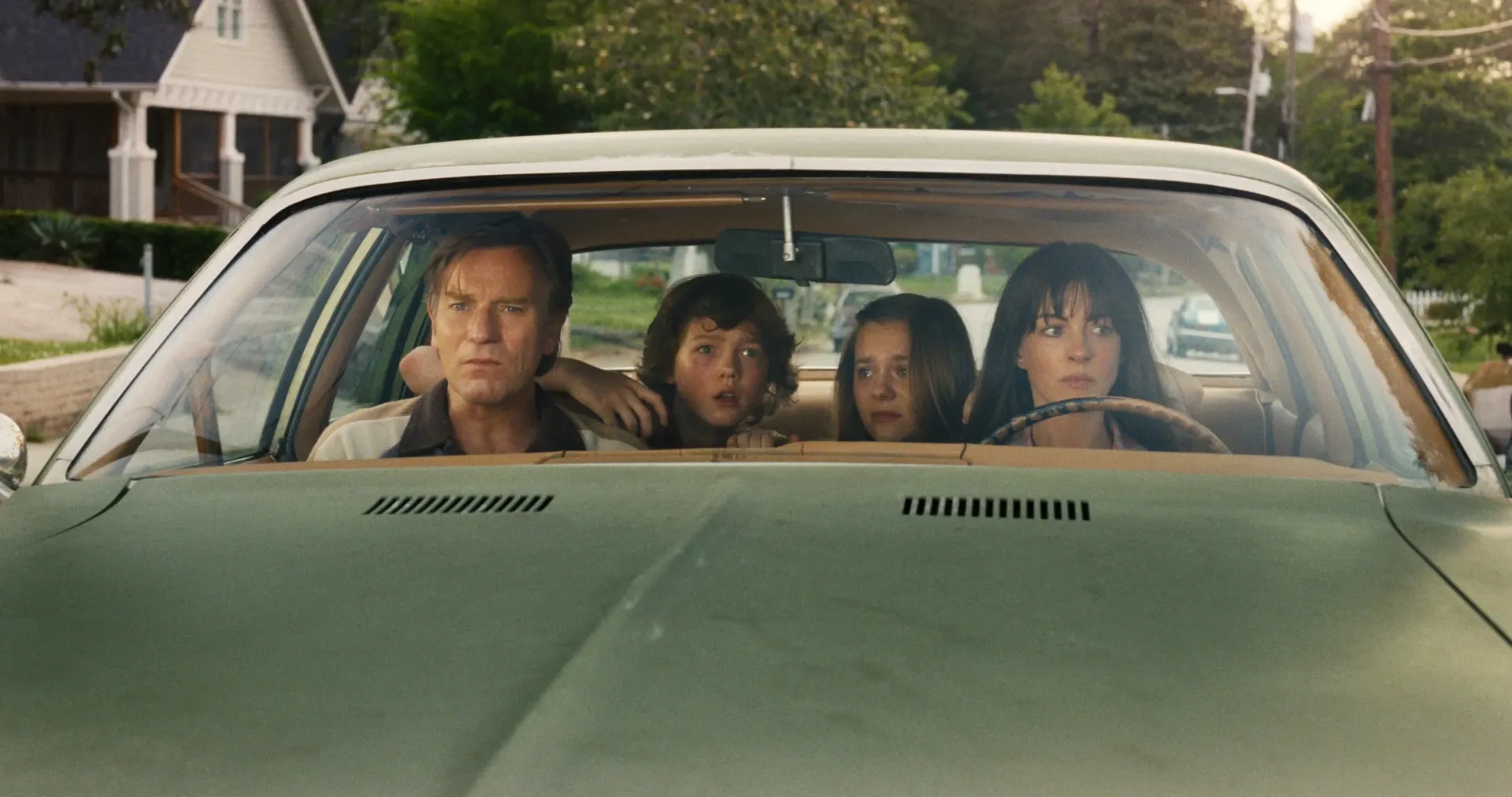
The End of Oak Street will begin streaming on HBO Max on Nov. 13, giving David Robert Mitchell’s suburban dinosaur story its next stop after arriving in theaters on Aug. 14 through Warner Bros. Pictures. The film centers on Denise and Greg Platt, played by Anne Hathaway and Ewan McGregor, parents whose family is magically thrust into a prehistoric landscape.
That premise comes with an especially unruly domestic complication: dinosaurs are terrorizing the Platts’ quaint 1980s neighborhood. The family must survive the attacks, find their dog Starbuck and get to the bottom of what happened to Oak Street. Their tools, at least as described, include a baseball bat and a shotgun—an agreeably low-tech response to a very high-concept emergency.
It is a film built around a collision of scales. On one side are prehistoric creatures and an impossible transformation of place; on the other are a family, a neighborhood and a marriage under strain. The dinosaur threat is not merely an attraction placed near the characters. It pushes Denise and Greg to confront the tension in their relationship while they run for their lives.
A dinosaur movie with a neighborhood-sized focus
The central setup is more specific than a standard lost-world adventure. Rather than positioning its protagonists as explorers who enter an ancient realm, The End of Oak Street puts the extraordinary pressure directly on a familiar suburban environment. Oak Street is described as a 1980s neighborhood, and the Platts are a family trying to preserve each other—and retrieve Starbuck—inside a setting that has become unrecognizable.
That distinction matters because it sets up two forms of disruption at once. The practical one is immediate survival: avoiding dinosaurs armed with whatever can be found at hand. The emotional one is the Platts’ family dynamic, particularly the marital friction between Denise and Greg. The story’s stated upside to the dinosaur attacks is darkly comic but clear: danger forces the couple to deal with what has been unresolved between them.
In that sense, the film’s genre ingredients serve a character premise. A “Jurassic Park”-style romp signals dinosaur spectacle and chase-driven peril, while the marriage thread gives the chaos a personal stake beyond simply escaping a creature attack. It is not a claim that danger fixes a relationship; rather, the film’s setup uses the crisis to remove the couple’s ability to avoid each other or their problems.
There is also a useful genre term at work here: high concept. In film discussion, that generally refers to an idea that can be communicated quickly and evokes an immediate image. “A family’s 1980s suburban neighborhood becomes a prehistoric nightmare” is a compact premise, but its details provide room for several tones: creature-feature jeopardy, family adventure, mystery around Oak Street’s transformation and relationship drama.
The cast around the Platt family
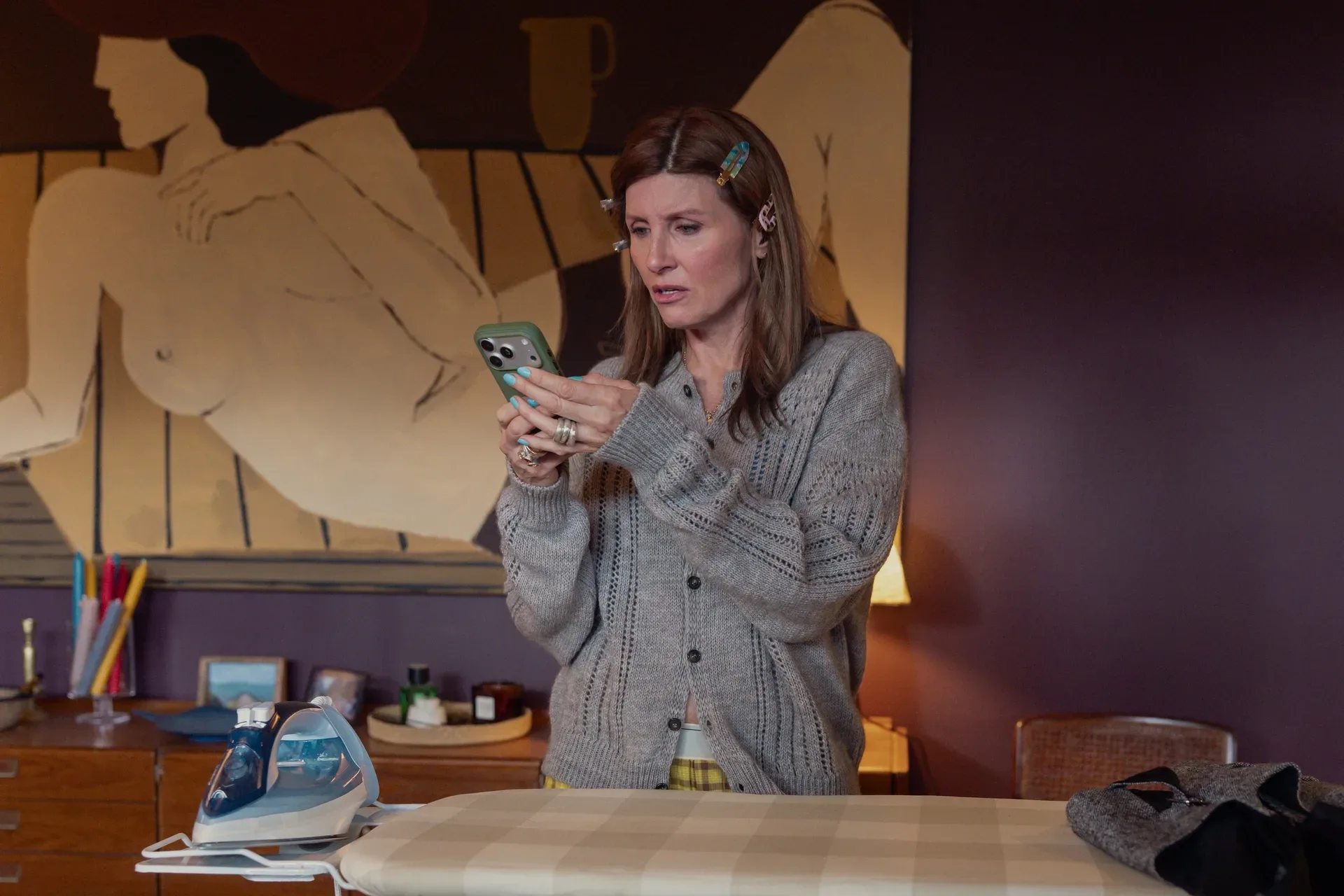
Hathaway and McGregor lead as Denise and Greg Platt. The supporting cast includes Maisy Stella, Christian Convery, Jordan Alexa Davis, P.J. Byrne and Chris Coy. The supplied details do not identify each actor’s role in the story, so the safest reading is simply that they join the ensemble surrounding the Platt family and the escalating events on Oak Street.
For viewers deciding whether the film fits a household watchlist, the known setup points to a mixture of family-centered stakes and dinosaur violence. The presence of a baseball bat and shotgun is part of the survival scenario, while the plot includes attacks by prehistoric animals. No rating, runtime, content advisory or viewing-format details have been provided, so those are points audiences will need to check directly through HBO Max before pressing play.
The family dog is also a meaningful plot element rather than background decoration. Starbuck needs to be rescued, making the dog part of the story’s active objective. That gives the Platts a concrete mission amid the broader mystery: surviving is not enough; they are trying to bring a member of the household home.
What the theatrical numbers do—and do not—say
The End of Oak Street earned $121 million during its theatrical run. Its reported production budget was between $80 million and $92 million. Those figures establish that the movie took in more at the worldwide box office than its stated production-budget range, but they do not by themselves establish profitability.
That is an important distinction. A production budget is the reported cost of making the film. It is not necessarily a complete accounting of all expenses associated with bringing a movie to audiences. Likewise, box office gross is the amount ticket sales generated, not a direct statement of how much money ultimately returned to the filmmakers, studio or other participants. The figures are still useful as a measure of the film’s theatrical footprint: it reached $121 million while playing amid a packed summer lineup that included The Odyssey and Spider-Man: Brand New Day.
The streaming arrival creates a different kind of access. The theatrical run asked audiences to find a screening during the film’s release window; HBO Max availability places it within the service’s library on Nov. 13. That does not change the movie itself, but it can change the practical decision for viewers who waited for home streaming or who want to revisit its particular blend of suburban mayhem and dinosaur action.
For more on how TV and streaming calendars shape what audiences can find and when, see the latest ABC midseason schedule roundup.
David Robert Mitchell returns to features
Mitchell wrote, directed and produced The End of Oak Street. It is his first feature since 2018’s Under the Silver Lake. The credits also list J.J. Abrams, Hannah Minghella, Jon Cohen, Matt Jackson and Tommy Harper as producers.
The writer-director-producer arrangement is worth noting because it places Mitchell in each of the project’s three core creative and production roles. Writing concerns the screenplay; directing concerns the film’s creative execution; producing covers the broad work of getting a film made and shepherding it through production. Credits alone cannot reveal how each decision was made, but they do establish Mitchell’s unusually central formal involvement in this movie.
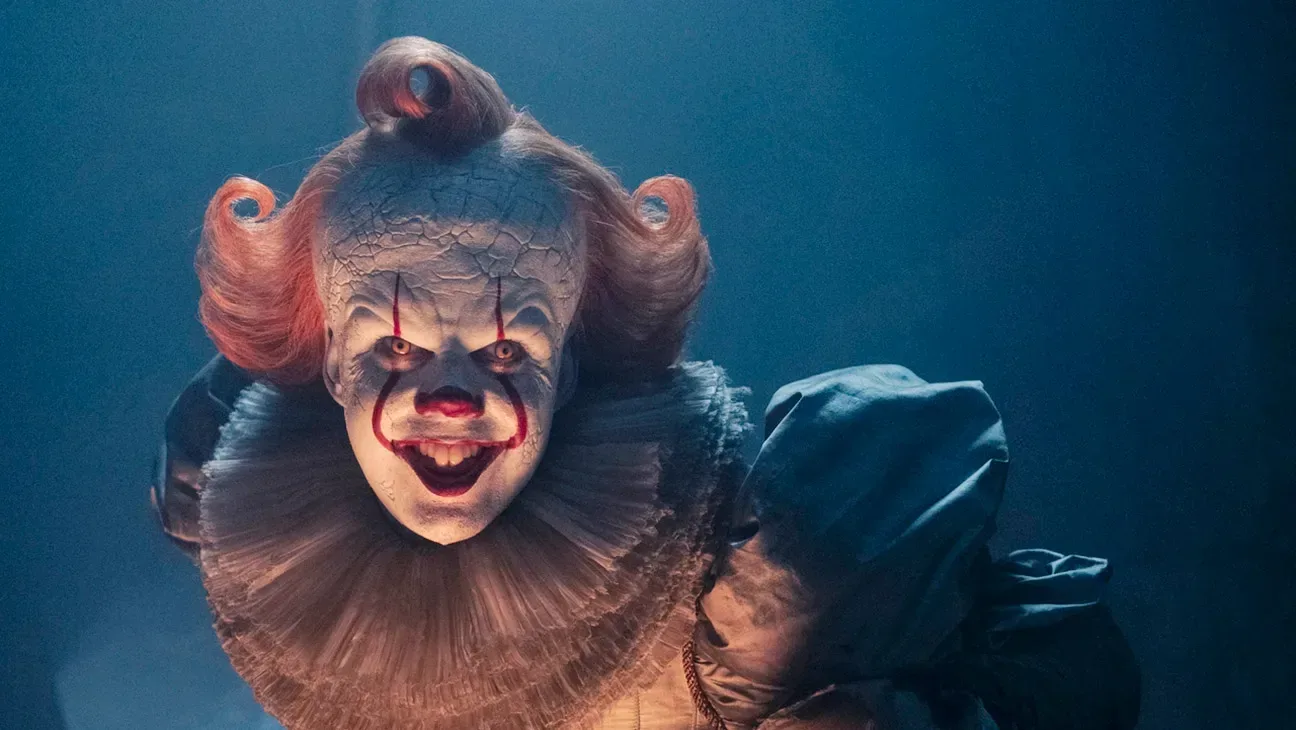
Mitchell also has a sequel to his supernatural horror film It Follows in progress. That sequel was announced in 2023, and filming began this summer. The two projects point to a continuing interest in heightened genre scenarios, though their available descriptions are markedly different: The End of Oak Street combines a family crisis and dinosaurs in a suburban setting, while the other project follows a prior supernatural-horror film.
What viewers can expect on Nov. 13
Based on the confirmed story details, viewers can expect a dinosaur-driven survival tale whose action unfolds against the deliberately ordinary frame of an 1980s residential street. Denise and Greg are not introduced as specialists or adventurers. They are parents in a family hit by an impossible event, coping with dinosaur attacks while attempting to rescue Starbuck and understand the fate of their neighborhood.
That ordinary-versus-prehistoric contrast is the movie’s clearest hook. The spectacle of dinosaurs is paired with the visual and emotional language of a neighborhood where everyone presumably knows the street, the homes and the rhythms of daily life—until none of those familiar reference points are dependable anymore. A bat, a shotgun and the urgency of finding a dog make the scale intimate even as the threat is prehistoric.
The End of Oak Street arrives on HBO Max on Nov. 13. For anyone who missed the theatrical run, that date is the confirmed opportunity to see what happens when marital tension, a missing family dog and dinosaurs all descend on the same block.