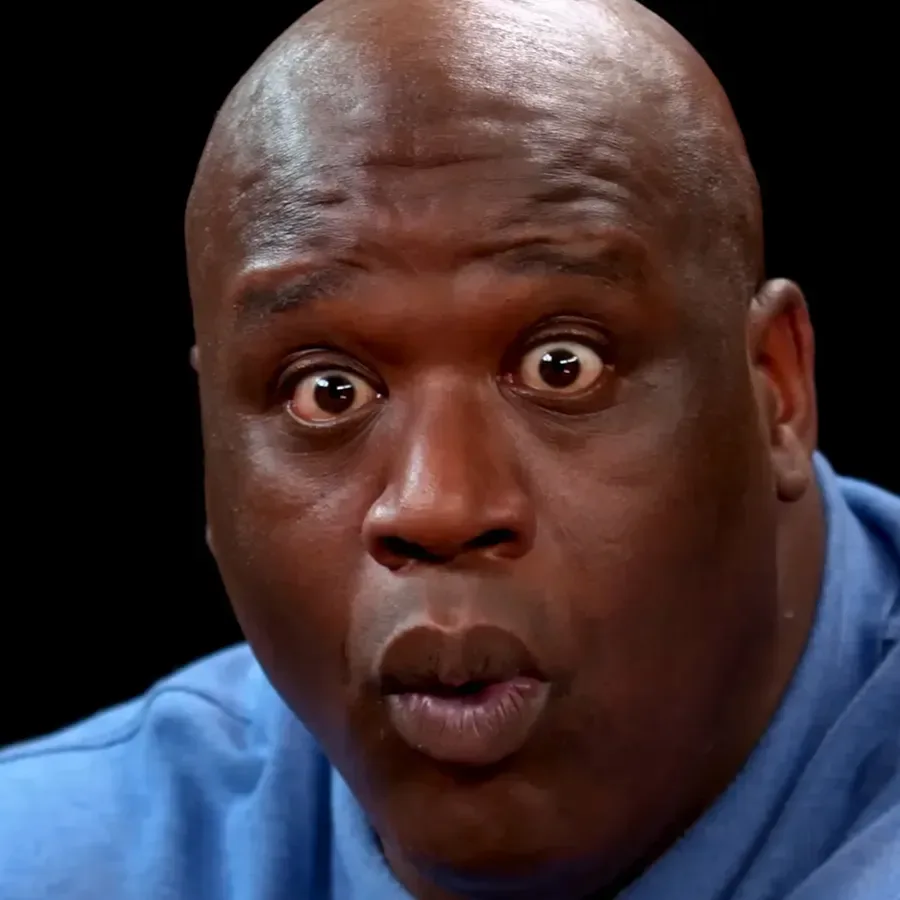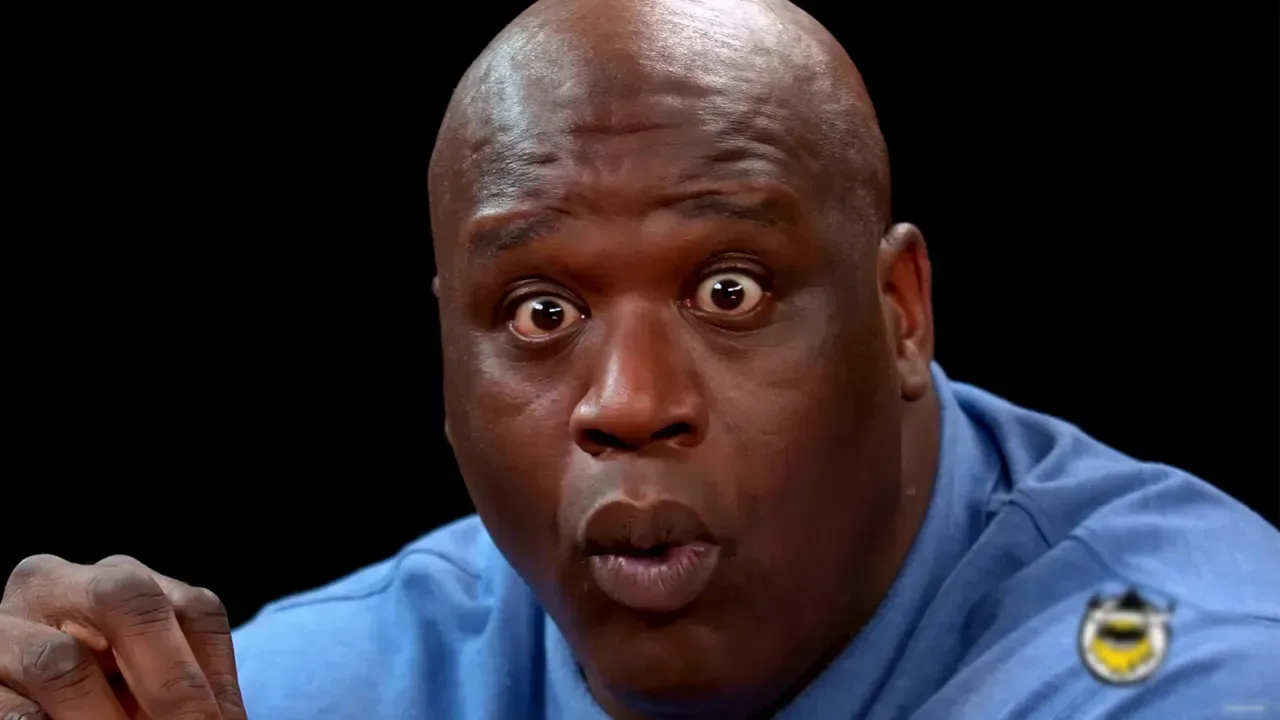
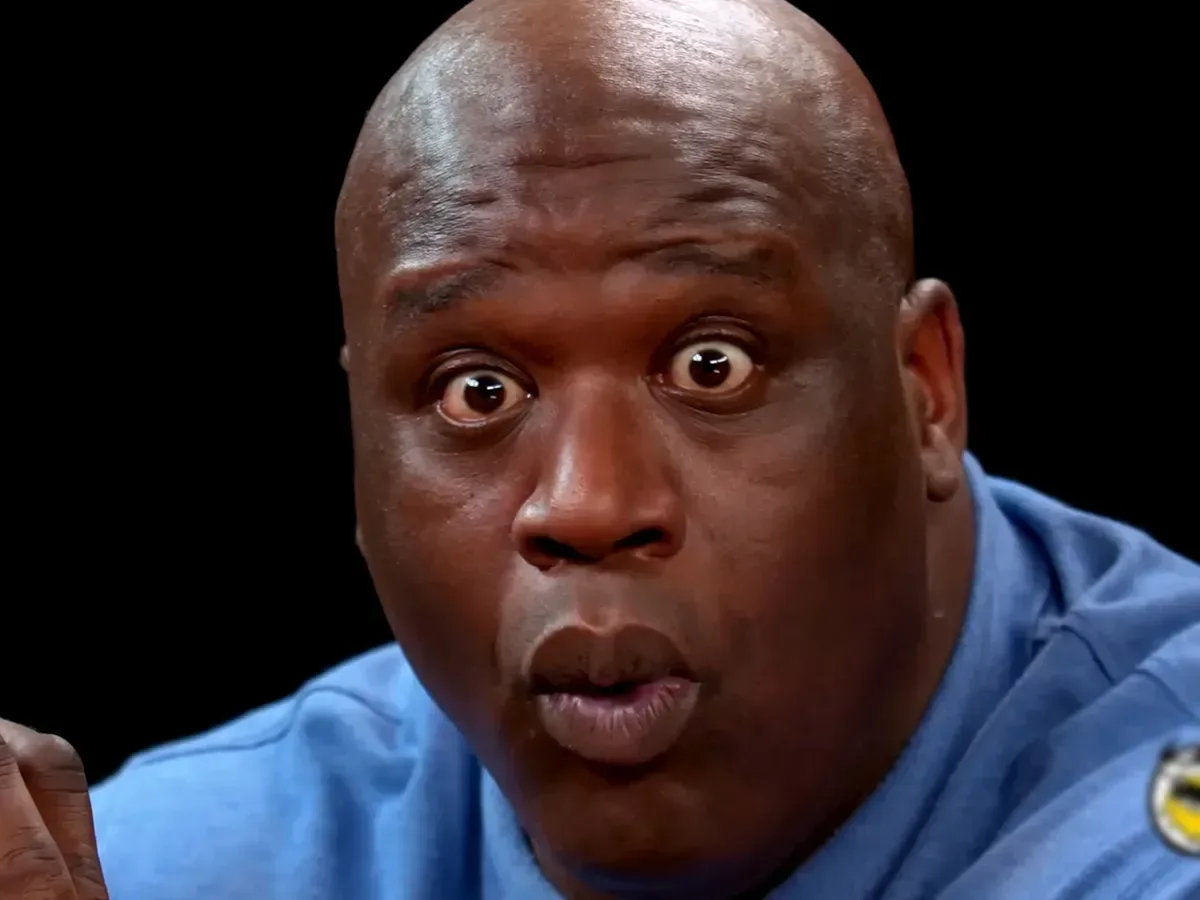
There are game-show premises that sound like they were designed in a conference room, and then there is Can You Hide… Shaq?: a competition built around the daunting task of making Shaquille O’Neal—an instantly recognizable, 7-foot-1 former NBA star—blend into public spaces.
The series is scheduled to debut with two episodes at 9 p.m. on Thursday, December 3, on ABC and the ESPN app. Episodes are set to arrive on Hulu beginning December 4. Nicole Byer will host.
Its central challenge is delightfully clear: two contestant teams must hide O’Neal in plain sight around public areas in Dallas, Texas. “Hide” here does not necessarily mean putting someone behind a curtain or in a closet. The wording points to a more theatrical kind of concealment, where the contestants’ job is to make an extremely conspicuous person somehow register as part of the scenery.
The game is built around an impossible-looking advantage
O’Neal’s height and fame are not obstacles the show has to work around; they are the engine of the format. He has acknowledged the obvious problem himself: at 7-foot-1, he is not easy to overlook. The program turns that fact into a question contestants must answer with planning, teamwork and, presumably, a willingness to embrace solutions that are more ingenious than subtle.
That distinction matters. A conventional hiding game tests whether a person can stay out of view. Can You Hide… Shaq? appears to test whether participants can redirect attention. In a public setting, a convincing disguise can be less about making somebody literally invisible and more about giving onlookers a reason not to focus on them. For a figure as recognizable as O’Neal, that is an especially steep assignment.
The result should make the setting part of the challenge. Public areas have movement, background activity and unexpected details that contestants can potentially use. But those same spaces also create the risk of spontaneous recognition. The larger and more familiar the person being concealed, the less margin there is for an ordinary-looking plan to work.
How the competition is structured
The teams begin with separate missions and a time clock. The side that completes its assignment with the fewest sightings earns immunity for one member in the following round. That protected player then becomes a team captain.
In game-show language, immunity means a contestant is protected from a particular competitive consequence in the next stage. Here, it is not just a reward for a successful hiding strategy: it also shifts leadership by making the immune player a captain. That creates a practical incentive to do more than simply survive a round. Teams have reason to minimize sightings because success affects who will guide the next phase of play.
The format also has a larger prize pool called the “Shaq-pot.” Contestants work toward adding money to it, and one eventual winner will claim the total. The amount has not been disclosed. What is clear is that the show is balancing team missions with an individual endgame, a structure that can make cooperation useful in one moment and complicated in the next.
That setup gives the series more shape than a single recurring gag. A contestant may want their team to execute a strong plan, but the game’s final individual prize means leadership, immunity and visibility inside the group can carry additional weight. The time limit supplies urgency; sightings provide the performance measure; and the captain mechanic changes who has authority as the competition moves forward.
Why “plain sight” is the key phrase
“Plain sight” is the concept that separates this show from a standard game of hide-and-seek. Contestants are not being asked merely to remove O’Neal from an area. They are challenged to position him where people could see him without necessarily identifying him as Shaquille O’Neal.
For television, that is a strong premise because it makes every plan legible. Viewers understand immediately why hiding a person of O’Neal’s stature is difficult, and they can judge the cleverness of a proposed solution at a glance. A strategy that succeeds will need to account for his physical presence and public profile, not just the available space.
It also leaves room for varied approaches without requiring the show to change its basic rules. One team might focus on an elaborate visual setup; another could attempt to make O’Neal look contextually expected within the location. The supplied details do not reveal the specific tactics contestants will use, so the practical execution remains one of the series’ main unknowns.
That uncertainty is part of the appeal. A premise this simple invites viewers to play along mentally: what would make a famous 7-foot-1 athlete seem unremarkable for even a brief stretch? Any answer has to confront the same problem faced by the contestants—O’Neal is not merely tall, but a celebrity audiences have seen across sports, entertainment and games.
A familiar face for game audiences
O’Neal has long had a presence beyond basketball. His projects include work as DJ Diesel, music and acting, while his gaming connections include appearances in Fortnite and the Shaq Fu games. That history makes a playful, rules-driven television format a natural fit for an entertainer whose public image has repeatedly crossed into game culture.
The connection is not that Can You Hide… Shaq? is a video game. It is a television competition. But its design uses ideas that will be recognizable to people who enjoy games: teams receiving objectives, clocks creating pressure, performance judged by a measurable result, a protected player earning an advantage, and a prize pool that points toward a final winner. The show effectively turns O’Neal himself into the difficult objective around which every round is built.
There is an additional joke embedded in that structure. Most game objectives ask players to locate a major character, guard them or defeat them. This one asks contestants to do the opposite: persuade the public not to notice the most noticeable person in the scene.
Nicole Byer’s role and the show’s TV footing
Byer is set to host a program described as fast, funny and unpredictable. A format based on public recognition and elaborate concealment needs someone who can clearly move the audience through changing rules and reactions, particularly as teams race against the clock and sightings determine the outcome.
The ABC and ESPN app debut also places the series at the intersection of mainstream entertainment and a sports-connected distribution partner. O’Neal’s career makes that pairing intuitive, while the Hulu release the next day gives viewers another route to watch the episodes after their initial airing.
Television scheduling and sports-adjacent audience behavior can matter considerably for broad entertainment programming, as seen in reporting on how a major TV interview’s audience changed without an NFL lead-in. That does not predict an outcome for Can You Hide… Shaq?, but it does underline why a sports icon’s move into an accessible game-show concept is a notable fit for television.
What is known—and what remains under wraps
The announced facts establish the core of the show: Dallas public areas, two competing teams, timed missions, sightings as the central measure, a rotating immunity-and-captain advantage, and an eventual winner who takes the Shaq-pot. O’Neal is among the executive producers alongside Colin Smeeton, Jeremy Castro, Charlie Van Vleet, Adam Cooper, Ben Winston, Mike Paris and Emma Conway. Jersey Legends Productions and Fulwell Entertainment are producing in partnership with ESPN.
Several details have not been revealed. The size of the Shaq-pot is unknown, as are the exact missions, the methods allowed to teams, the number of rounds and how sightings will be counted on screen. Those gaps are worth noting because they will determine whether the series feels closer to a tactical competition, a comedy built around big visual reveals, or a blend of both.
For now, the selling point does not require much additional explanation. Contestants will try to make Shaquille O’Neal disappear without actually making him disappear. It is an intentionally absurd challenge, but one with enough rule structure to turn the absurdity into a contest—and enough uncertainty to make the first two episodes worth watching for anyone who wants to see what “hiding in plain sight” looks like when the person being hidden is Shaq.