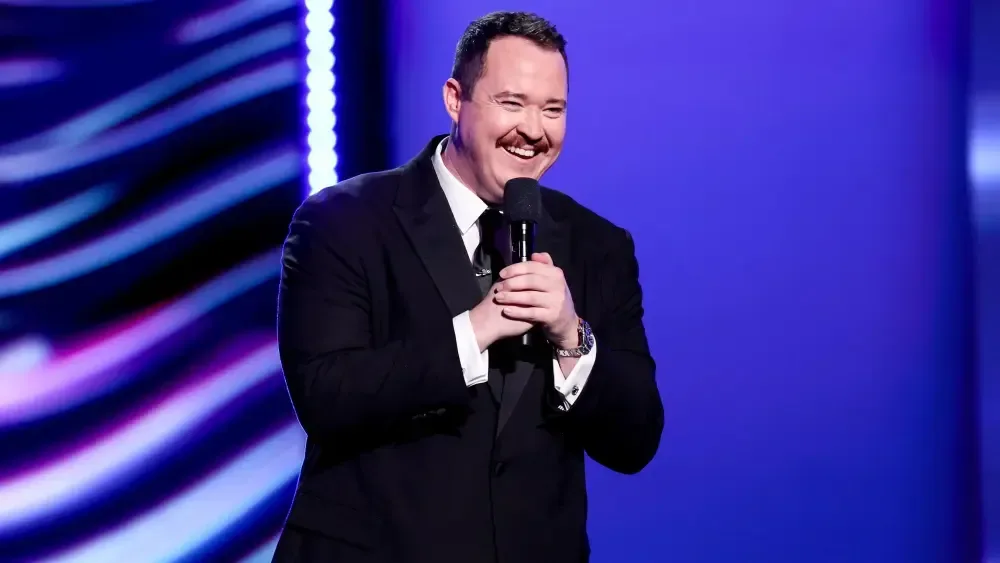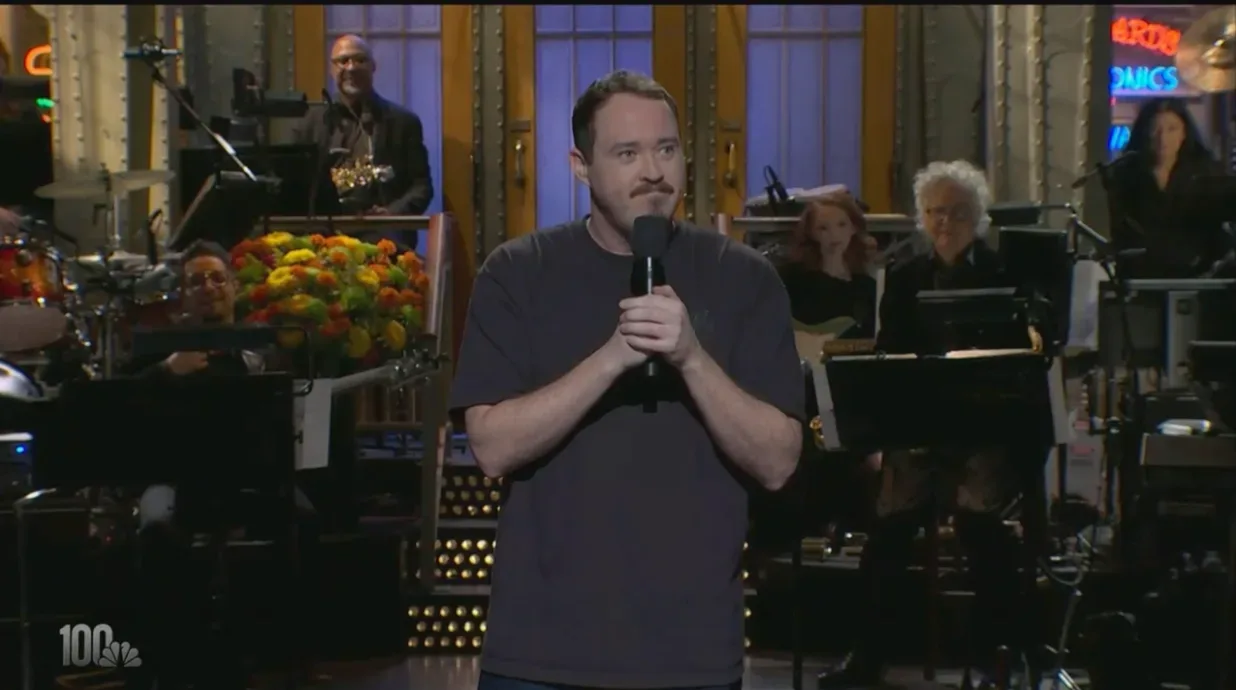
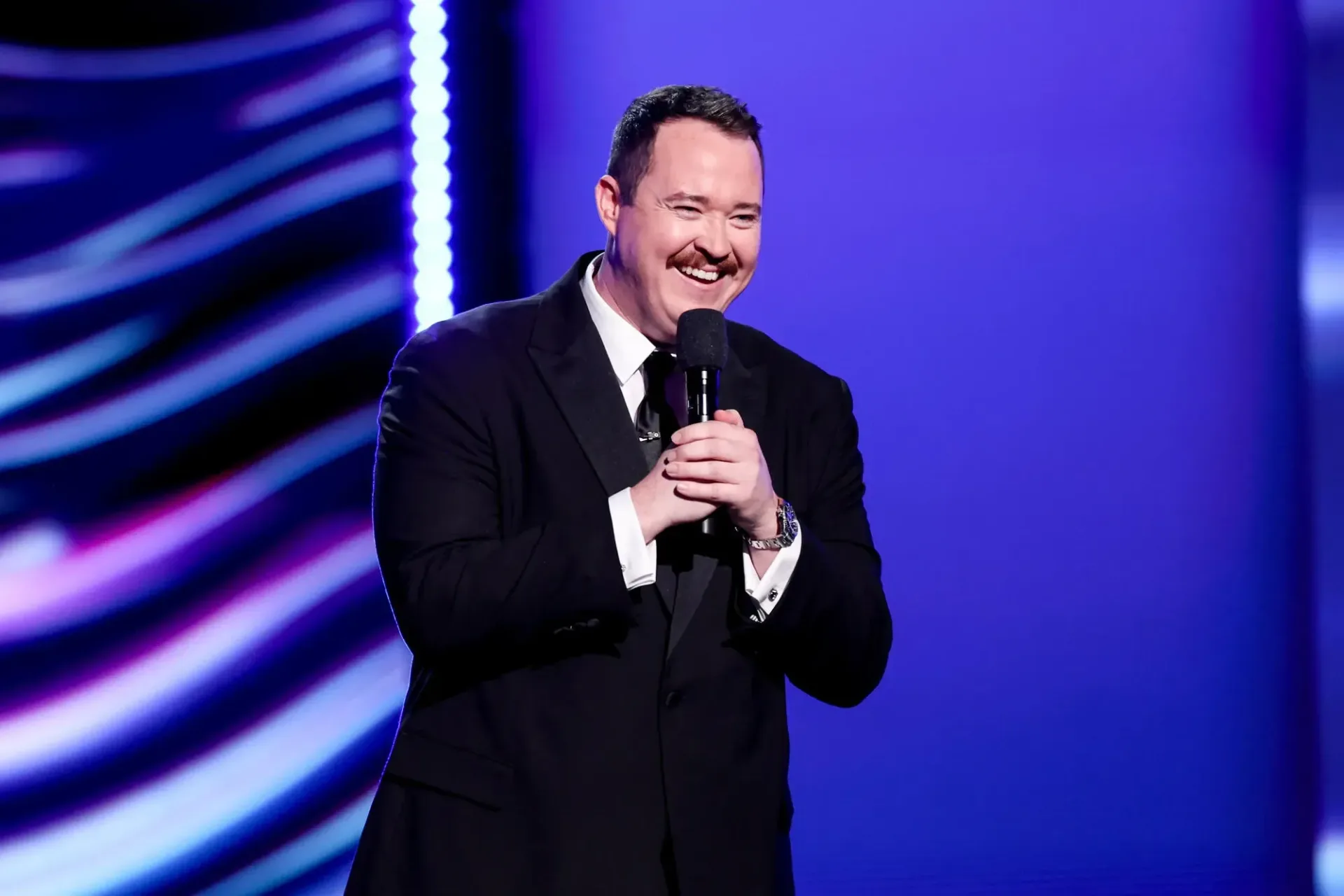
Shane Gillis has discussed the backlash to a Saturday Night Live monologue centered on women’s gym attire, saying he went into the October 10 appearance expecting an unremarkable set rather than a controversy.
Speaking on the November 13 episode of The Joe Rogan Experience, Gillis characterized the monologue as a modest performance that he believed focused largely on self-deprecation. He said he had thought, in essence, that he was spending the set making himself the target through jokes about his weight—not delivering material likely to generate a widespread reaction.
Instead, one portion of the monologue prompted substantial criticism on social media. Gillis described women’s contemporary gym clothes using a derogatory term, then extended the bit into observations about brightly colored shorts and the anxiety of being seen in the background of social-media videos. The joke’s wording, rather than only its premise about changing workout fashion, became central to the response.
Gillis says he was surprised by the response
Gillis said the reaction caught him off guard. His explanation was not that the material had gone over exactly as planned, but that he had misjudged how it would land. He gave the monologue a “C minus” assessment himself and said he had believed there was nothing in it that would produce controversy.
That distinction matters in comedy discussions. A performer can consider a set weak, routine, or self-critical while viewers focus on a short segment that carries a different implication. In this case, Gillis’s intended framing—an out-of-shape comedian who has not been to the gym for a long time—did not prevent audiences from objecting to how women and their clothing were described.
He also said the climate around the material played a role in the response. Gillis added that he does not personally have a problem with the gym attire he discussed. That clarification separates his stated real-world view from the rhetorical posture of the joke, though it does not erase why critics took issue with the language used onstage.
What Gillis said about ‘SNL’ approval
Gillis also addressed a common assumption about televised monologues: that every line is necessarily submitted to, reviewed by, and explicitly approved by the show before airtime. He said Saturday Night Live did not give feedback on this joke beforehand.
His account was more nuanced than a claim that the production has no power over a monologue. Gillis said the show could stop material if it chose to, but argued that comics do not generally hand over a completed stand-up set for formal approval in the way a non-comedian host may work from a script prepared by writers.
Related coverage includes Shane Gillis Addresses ‘SNL’ Gym-Attire Joke Backlash.
In practical terms, Gillis’s comments describe two separate ideas that are often conflated:
- Editorial authority: A live television production can intervene, change material, or decline to air something.
- Line-by-line preclearance: A performer may not necessarily receive detailed notes or a formal sign-off for every piece of a stand-up-style monologue.
Gillis’s remarks support the first point while disputing the second as an everyday process for working comics. They do not establish a universal policy for every host, performer, or monologue. His own contrast was between comedians bringing their own material and non-comic guests who may have writers producing the monologue for them.
Why the wording became the story
Comedy often relies on exaggeration, persona, and a speaker who is deliberately made to look foolish. Gillis’s gym bit used all three tools: he presented himself as someone out of touch with a place he says he has not visited in a long time, exaggerated visual details of workout clothing, and made himself the anxious observer afraid of appearing in TikTok footage.
But a joke’s construction is not the same thing as its reception. The phrase Gillis used to describe women was broad and derogatory, and critics responded to that direct characterization. For some viewers, the later self-mockery did not change the fact that the opening premise aimed a loaded label at women at the gym.
That is the tension at the center of Gillis’s retrospective comments. He has described the set as substantially self-directed and said he does not object to the clothing. Critics, meanwhile, reacted to the words that were actually delivered in the broadcast. Both points explain different parts of the moment: the performer’s expectation before the show and the audience’s interpretation once the clip circulated.
It is also a reminder that broadcast comedy now has more than one audience and more than one timeline. A monologue is performed to a studio crowd in the moment, then encountered by a much larger online audience as excerpts, captions, reposts, and debate. A line that passes quickly within a longer live set can become the entire subject of conversation once it is isolated and shared.
A response during a later monologue
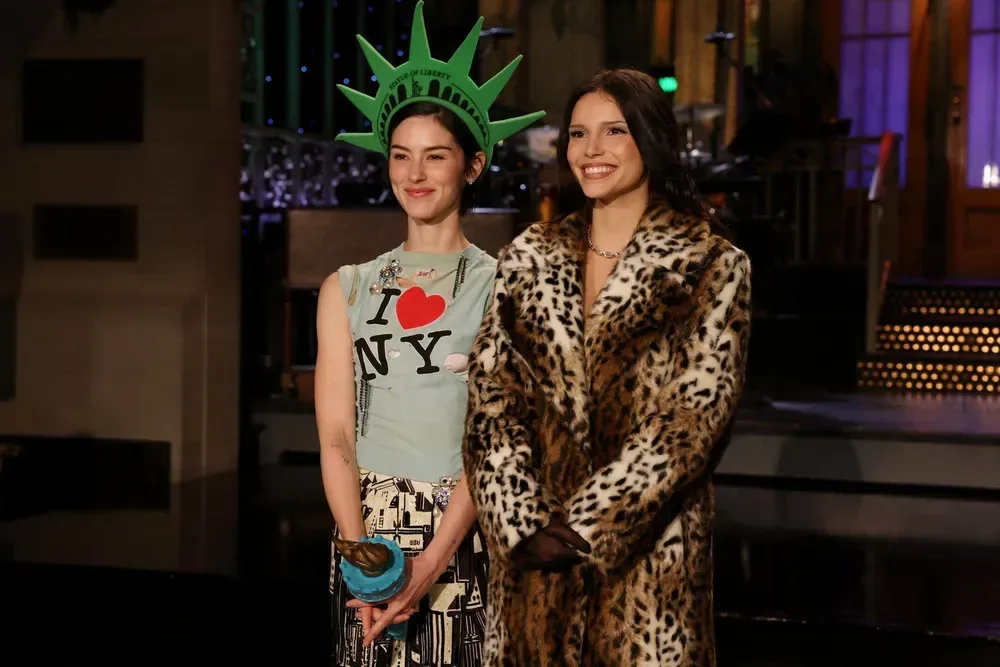
The criticism did not remain confined to posts and replies online. Inde Navarrette later referenced the situation during her own SNL monologue, extending the conversation into the show’s on-air comedy space.
That follow-up illustrates how a disputed joke can become a second-order subject: first audiences debate the original material, then other performers respond through their own material. It changes the story from a single monologue into a broader exchange about who gets to frame the incident and what the laugh was asking the audience to accept.
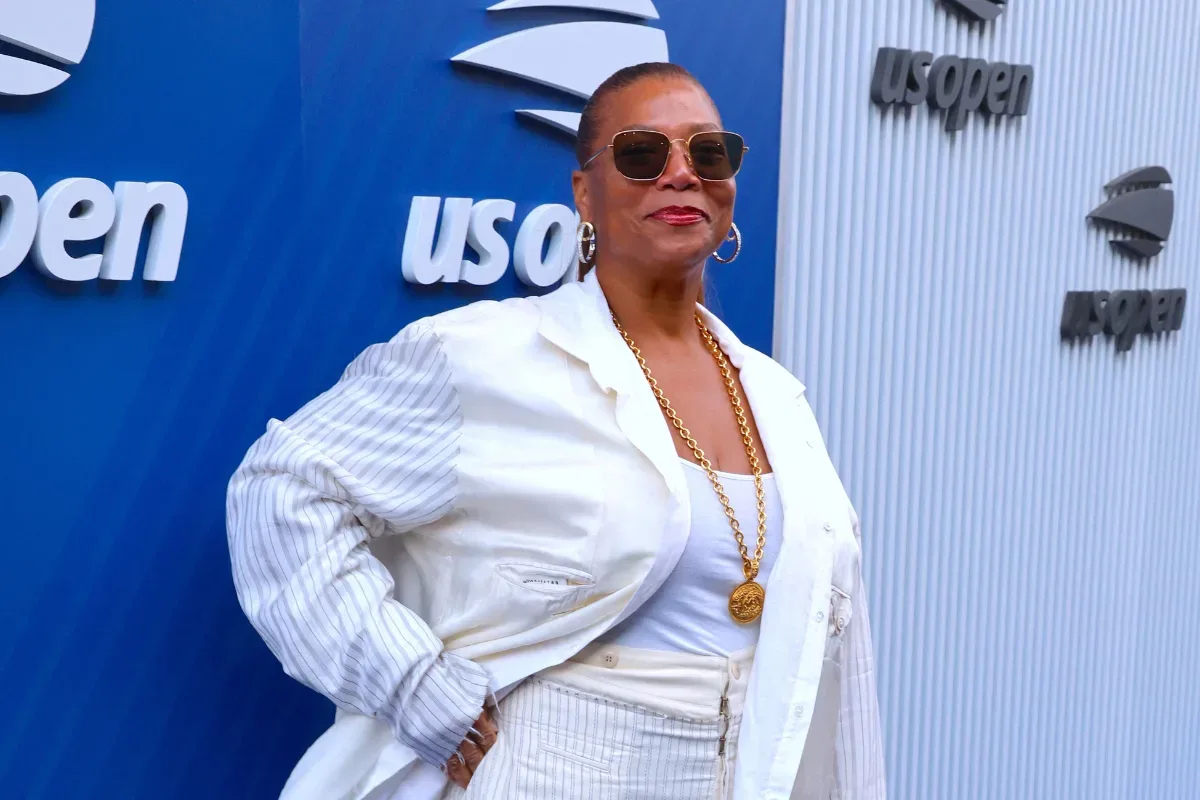
Live entertainment has always generated this sort of feedback loop, even if today’s circulation makes it faster and more visible. Whether it is a monologue, an awards-show reaction, or a public response to an acceptance speech, the performance is only one part of the event. The afterlife—clips, commentary, criticism, and responses from other public figures—often determines what people remember. That wider context is part of why cultural recognition and audience response remain inseparable, as seen in the conversation around Queen Latifah’s Rock Hall induction.
What Gillis has and has not claimed
Gillis’s remarks were an explanation of his expectations and the production process as he experienced it. He said he was surprised, attributed some of the intensity to the current climate, stated that he does not object to the gym attire in question, and said the show had not offered advance feedback on the joke.
He did not describe a change to the monologue after the reaction, announce a response from SNL, or claim that everyone who objected had misunderstood every part of the set. Likewise, the available account establishes that there was online criticism and an on-air response from Navarrette, but does not quantify the scale of that criticism or assign a single explanation for it.
For audiences, the episode offers a straightforward example of the gap that can emerge between comic intent and public impact. Gillis says he expected a low-stakes, self-critical monologue. Viewers who objected focused on a specific insult and its target. The dispute is not solved merely by identifying one side’s intent; it comes from the clash between the setup Gillis believed he was presenting and the language many people heard as the joke’s clearest message.