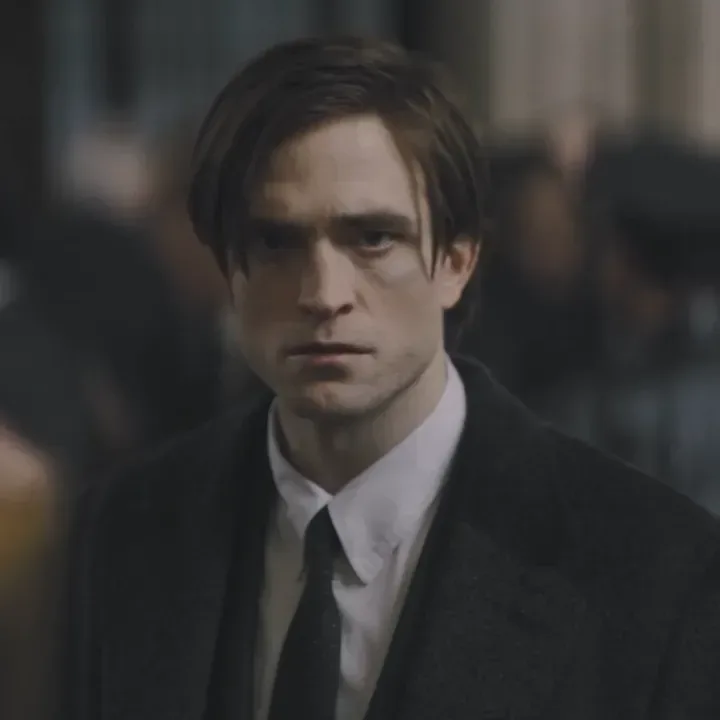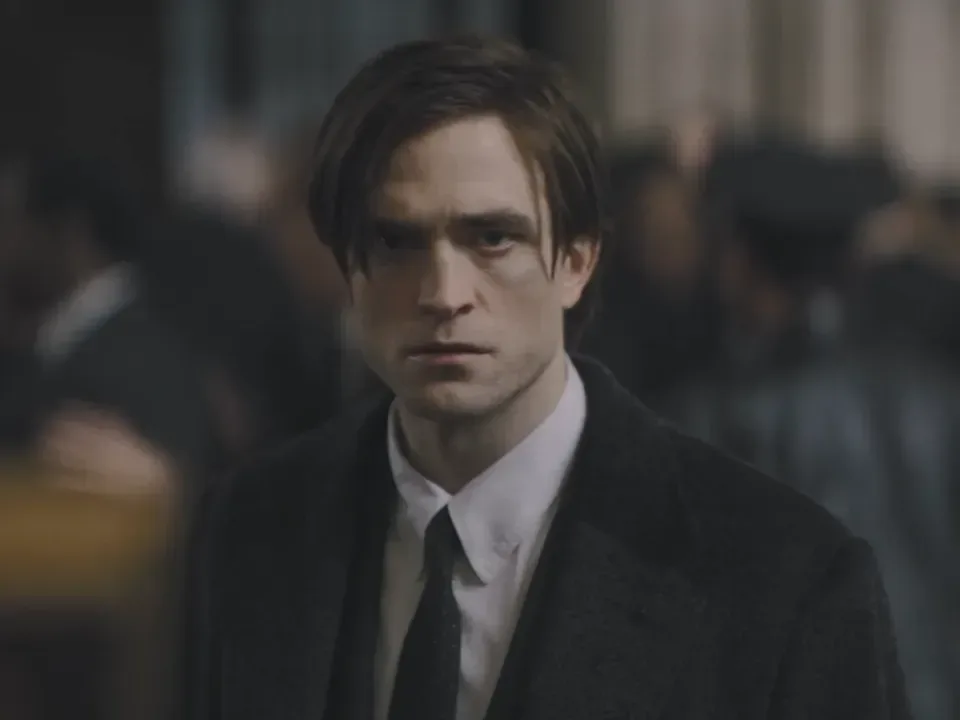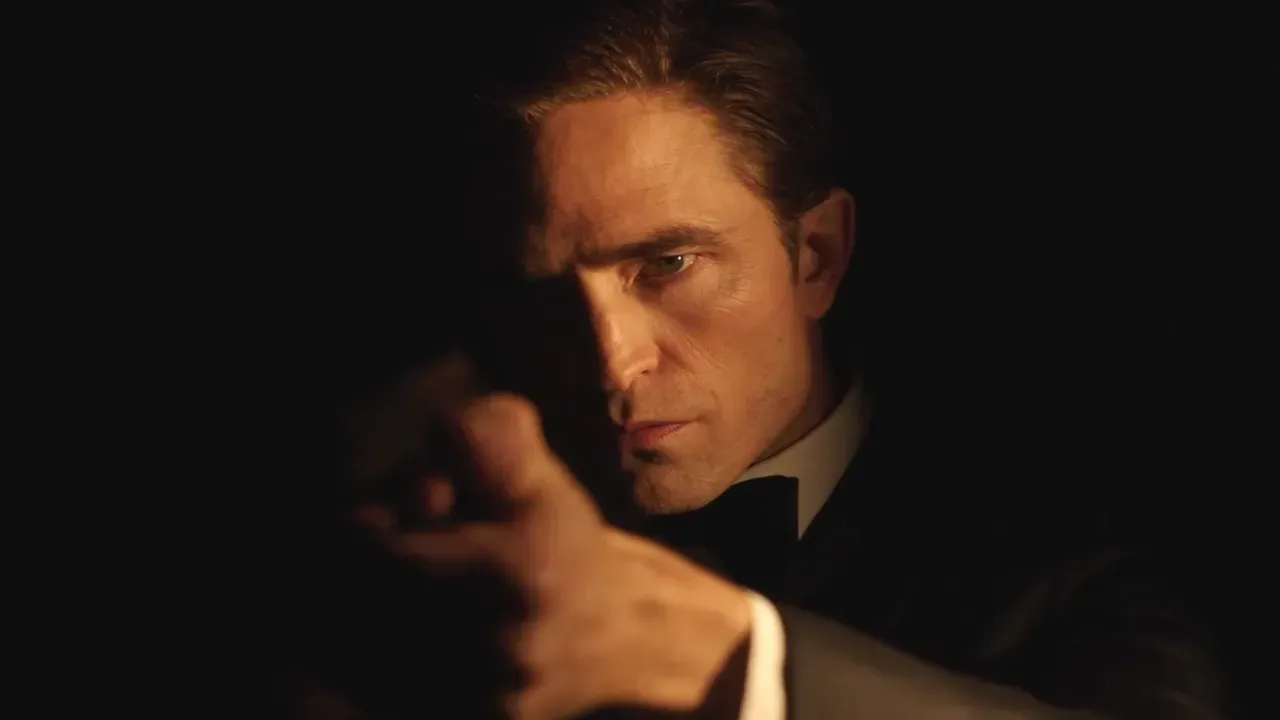
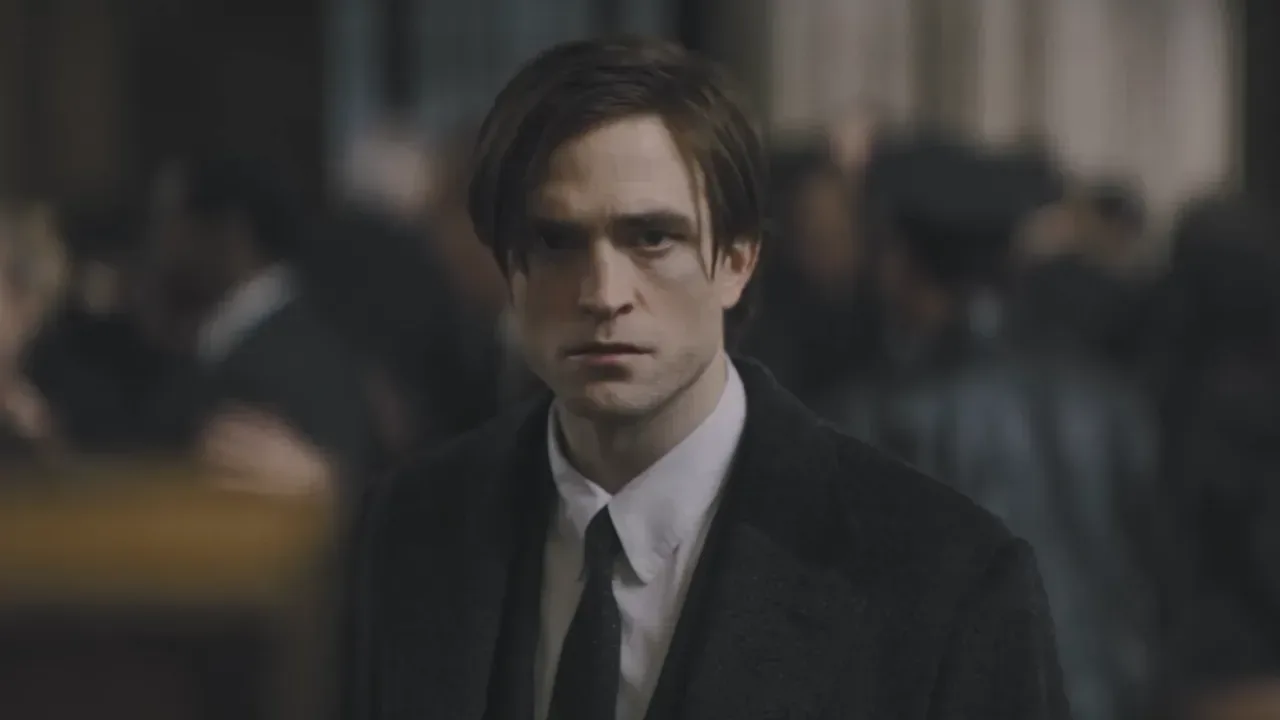
Robert Pattinson reportedly learned that he had been cast as the next James Bond while watching Werwulf, the forthcoming horror movie from filmmaker Robert Eggers. It is an unusually fitting bit of timing for an actor whose work with Eggers has already shown a willingness to lean into intense, unsettling material far away from the cleanly tailored image usually associated with 007.
Eggers, who directed Pattinson in The Lighthouse, said Pattinson was at a screening of Werwulf when the casting news emerged. Eggers also said that he and Pattinson had been texting about it that morning, and that Pattinson loved the new film.
The coincidence is memorable, but the larger development is clear: Pattinson has won one of popular cinema’s most closely watched roles. He was selected after competition that included Nicholas Hoult, Callum Turner, Jack Lowden and Josh O’Connor.
A deliberately strange moment for a very traditional role
Bond casting has always carried an outsized level of public attention. The character arrives with decades of screen history and immediate expectations around action, glamour, wit and physical presence. Each new actor is therefore judged not only as an individual performer but also against the many different versions of Bond that audiences already have in mind.
Pattinson receiving the news during a horror screening is a sharp contrast to that polished public image. It also reflects the range of his recent screen identity. His Eggers collaboration, The Lighthouse, is an abrasive and psychologically charged film, and its most commonly recalled imagery has little in common with a conventional spy adventure. Eggers was not surprised, however, that Pattinson ultimately landed the role.
That does not mean the Bond films will take on the style of Eggers’ work. There is no information here about the next film’s story, creative team, setting, release plan or tone. The screening anecdote is personal context, not evidence of what the franchise will become. But it does underline why an actor with an unconventional body of work can still make sense for a major mainstream series: a long-running role needs a performer capable of creating a distinct new version rather than merely recreating a previous one.
What a screen test deal can indicate — and what remains unknown
The reported terms of Pattinson’s screen-test deal are also notable. He is said to be positioned to earn more money while making fewer Bond films than the other actors who were in contention.
A screen test is an audition process captured for the camera, allowing filmmakers and decision-makers to assess how a performer reads on screen and how they may fit a particular character. A screen-test deal refers to the agreement governing that stage of the process. In a franchise casting process, such terms can matter because they may address the relationship that follows if the actor is selected.
Related coverage includes Robert Pattinson Learned of James Bond Casting During a Werwulf Screening.
Still, the available information does not disclose the financial terms, an exact number of films, or a production schedule. It would be premature to treat the report as confirmation of a complete long-term roadmap for Pattinson’s Bond. The important confirmed point is narrower: he has secured the role, while the reported deal suggests the competition involved materially different arrangements for the prospective actors.
The Batman question now hangs over the casting
Pattinson’s selection also raises an immediate practical question about his other major superhero role. The casting has prompted discussion of whether he can continue to play Batman while also taking on Bond. Both characters are globally recognizable, physically demanding screen roles with extensive promotional expectations, and the demands of one can affect the scheduling and public identity of the other.
There is no need to assume an answer before further details are available. However, the question is understandable. Bond is not simply a single job; it is typically a public-facing franchise commitment, with filming, training, press obligations and long-term expectations attached to it. Balancing that with another defining character would require more than finding open dates on a calendar.
For audiences, the issue is less about whether an actor is capable of playing two famous characters and more about what each production chooses to prioritize. The Bond announcement establishes a major new chapter for Pattinson. It does not, by itself, settle the future of Batman.
Werwulf remains the immediate next release
Before Pattinson’s Bond era begins to take shape publicly, Werwulf is the near-term project connected to this story. The film is set to open in cinemas on Christmas Day, and tickets for 35mm presentations are already on sale.
The 35mm option refers to a traditional photochemical film format projected from physical film prints. Its presence gives moviegoers a specific exhibition choice, though it should not be mistaken for a statement about the format or style of the future Bond films. The two projects are connected here through Pattinson and Eggers, not through any announced creative overlap.
For Eggers, the timing places a new horror release alongside an unexpected burst of attention around one of his past collaborators. For Pattinson, it creates a striking transition point: he was watching a new film from the director of The Lighthouse when word arrived that he would inherit cinema’s most famous secret-agent role.
Why the announcement matters beyond the headline
The most useful takeaway is not to project a finished Bond interpretation onto Pattinson before there is a film, a trailer or a creative direction to assess. Instead, the casting establishes the performer at the center of the franchise’s next phase and opens a series of practical questions that have not yet been answered: how many appearances are contemplated, how his other commitments will fit, and what kind of version of Bond the eventual filmmakers will build around him.
For now, the public has one concrete and unexpectedly cinematic origin story for the announcement. Pattinson was not at a formal Bond event or on a red carpet when the news broke. He was watching Werwulf. The story’s horror-movie setting will likely remain a memorable footnote as attention shifts toward what comes next for 007.
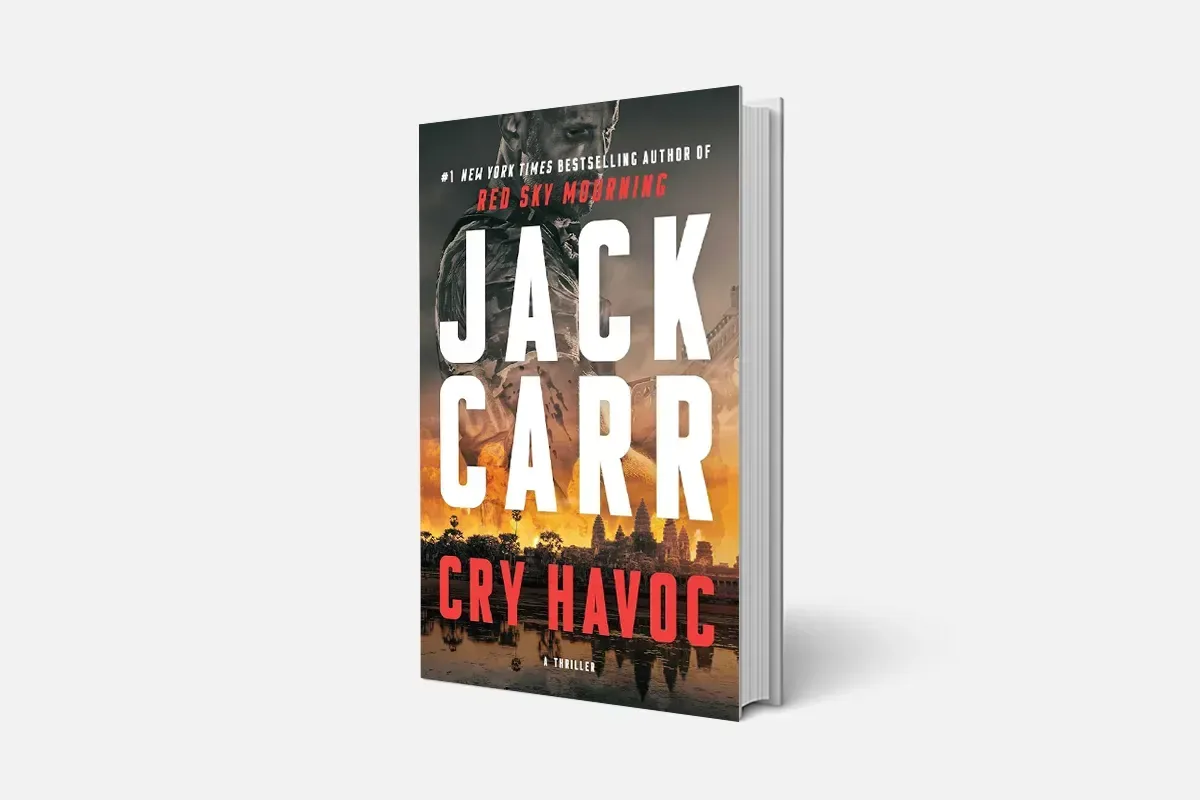
Action-franchise development elsewhere continues to show how much long-term planning can surround recognizable characters, including the reported development of the Vietnam-era Cry Havoc prequel. Pattinson’s Bond casting arrives with a similar sense of scale, even if the details of his first mission are still under wraps.