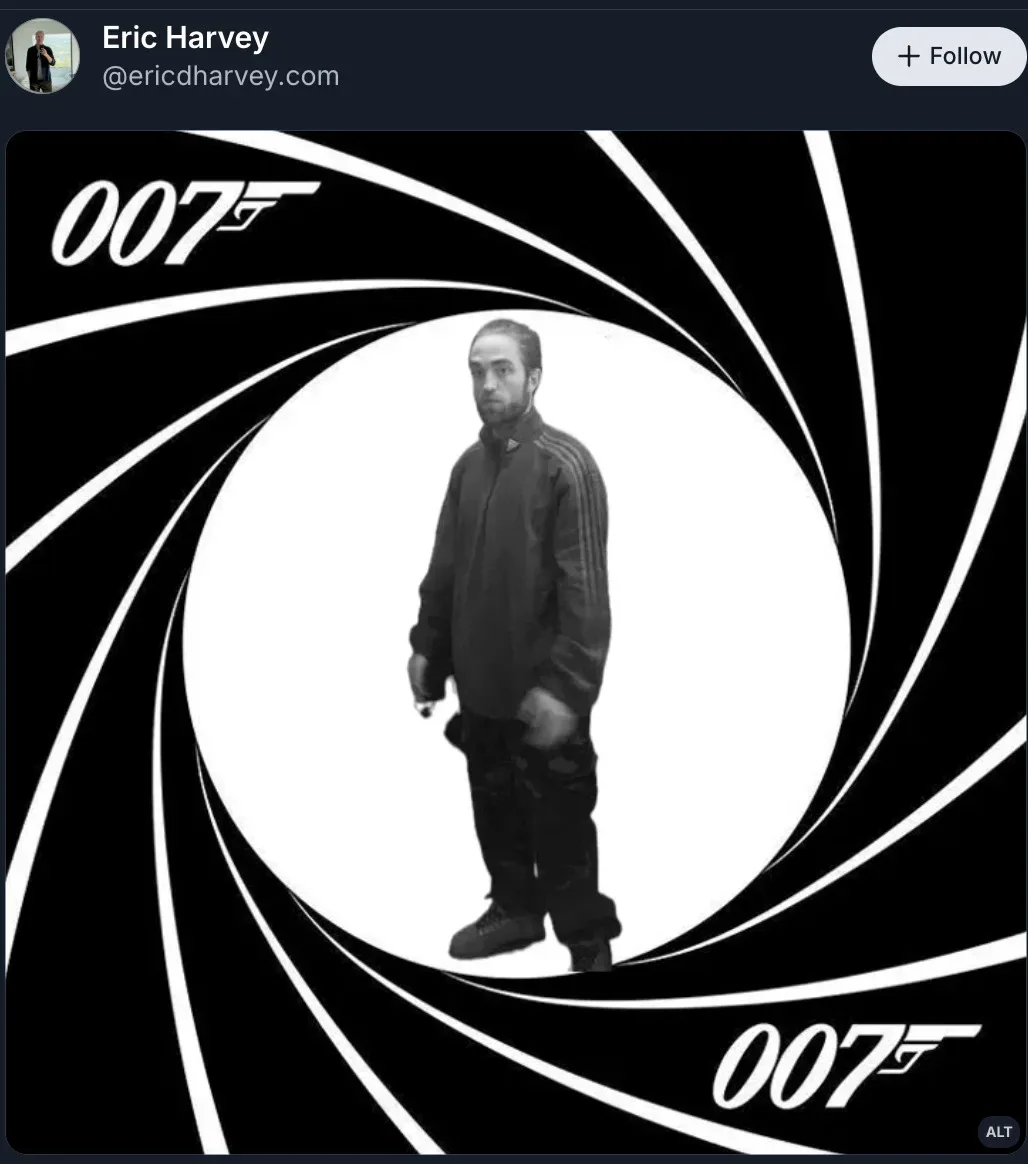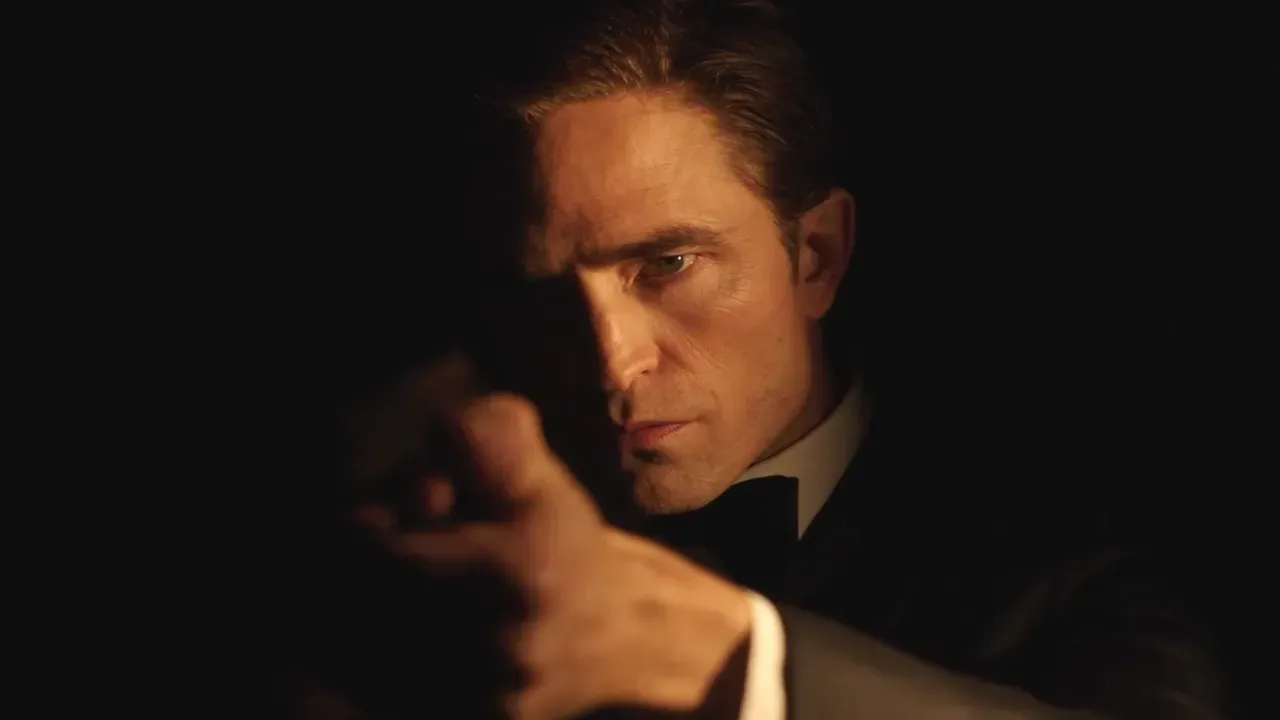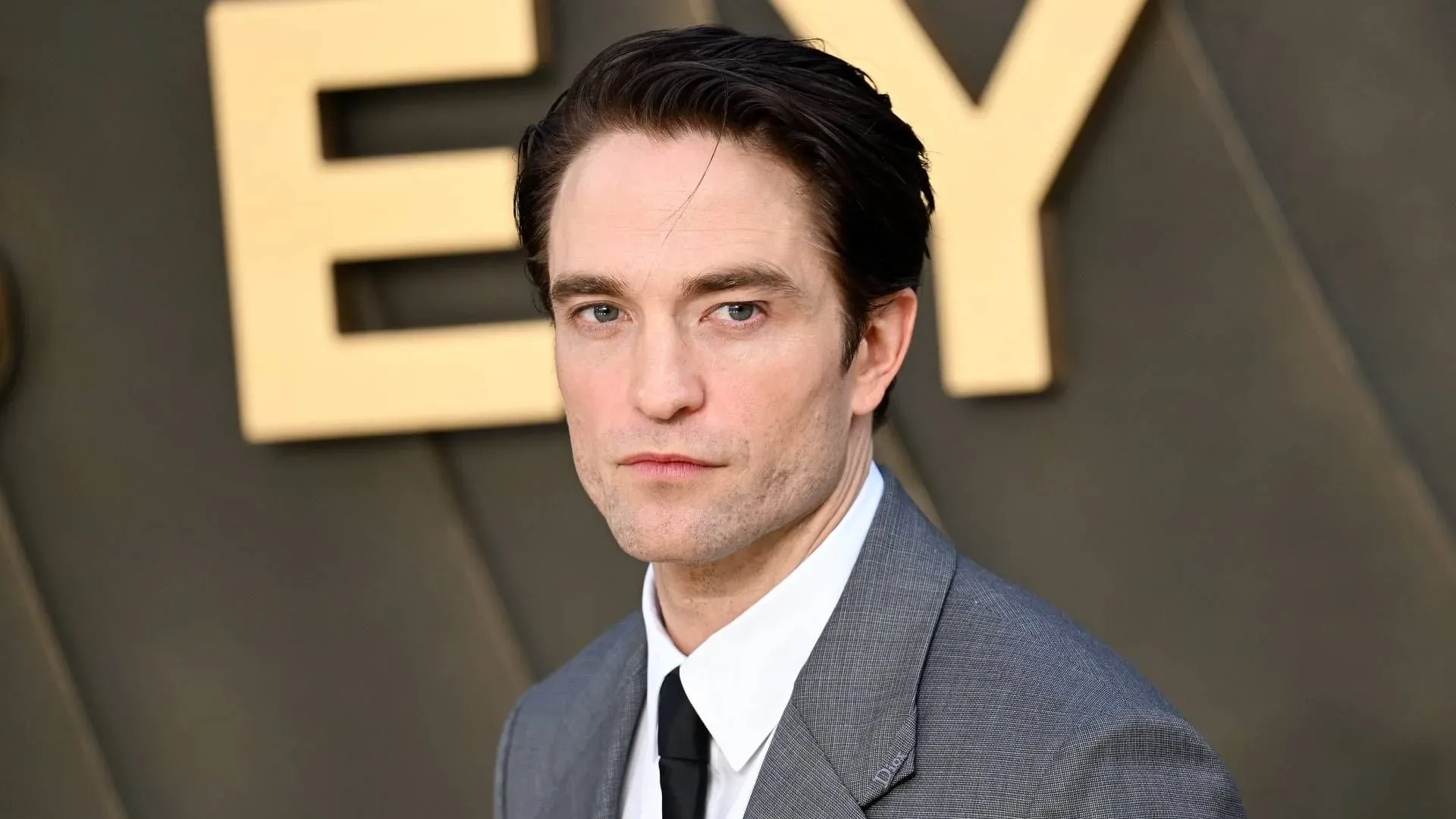
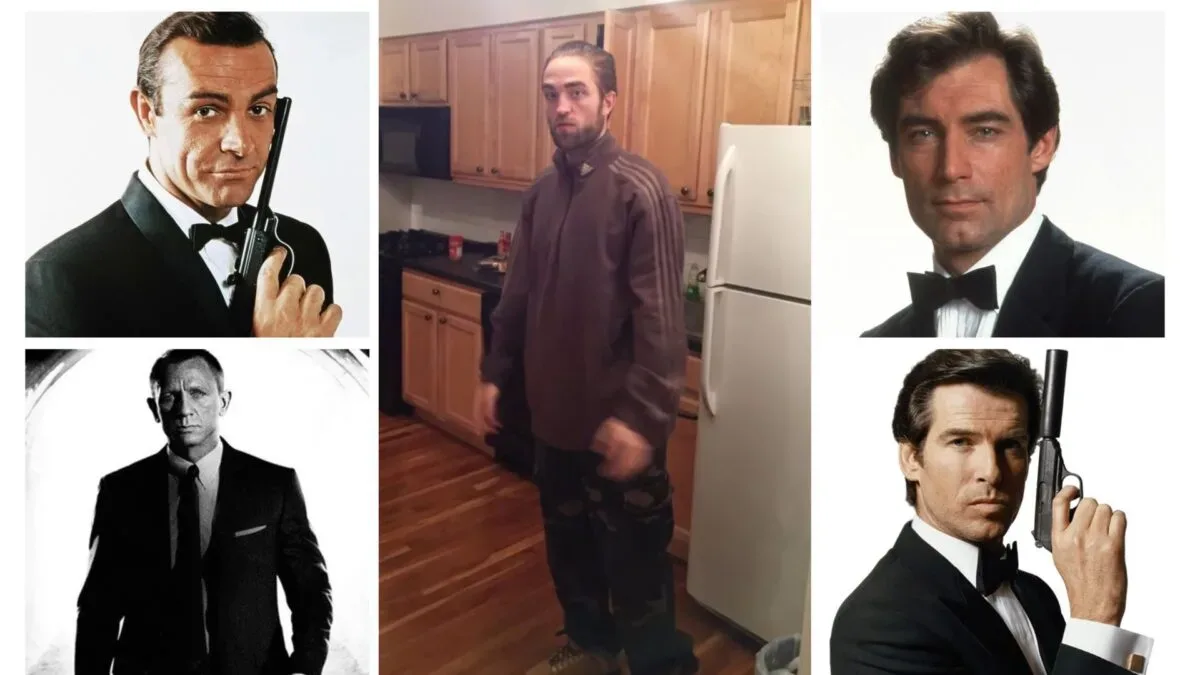
Robert Pattinson is being presented as the next James Bond, and the reaction is less “who ordered another tuxedo?” than “finally, let the tuxedo conceal some deeply alarming interior weather.” For a character built around immaculate poise, the loudest early enthusiasm is focused on the possibility that Pattinson could bring a more unsettled, strange-edged energy to 007.
The apparent surprise is part of why the response has been so animated. Earlier reporting had put Jack Lowden, Callum Turner and Josh O’Connor among the final contenders, with Pattinson not named in that group. Whether those names represented a complete picture of the search is not established here. Speculation that the competing names were deliberately floated as negotiating leverage is just that: speculation, not a confirmed account of the process.
What is clear is that the prospect of Pattinson as Bond has prompted people to revisit the actor’s recent on-screen pattern. Rather than treating that pattern as a liability for a polished superspy, fans are treating it as the point. Pattinson has recently played Mickey 17, a brooding Batman, Chris Hansen in Primetime, and Scytale in Dune: Part 3, which is described as arriving later this year. Those roles have helped establish an audience expectation that he can make intensity, discomfort and oddness feel intentional rather than accidental.
The casting reaction is asking for a distinct kind of Bond
Online jokes have quickly converged on the same central pitch: Bond should not become an entirely different character, but Pattinson should not be forced into a featureless version of suave competence either. One post summed up the appeal as a tall, odd Bond who seems close to a breakdown. Another argued that the downside of casting Pattinson is losing the chance to see him play a Bond villain instead. Both jokes work because they identify the same quality: Pattinson often creates characters who look as if they are trying very hard to maintain control while something unnerving leaks through.
That is not a production detail or a promise about any eventual film. It is a fan reading of the casting. Still, it points to a practical creative question for the next Bond team. A major franchise casting can either use an actor’s recognisable strengths or try to neutralise them. The first route would let Pattinson’s particular presence reshape the tone around Bond. The second would ask audiences to ignore the qualities that made the casting feel surprising in the first place.
“Weird,” in this conversation, does not necessarily mean comic, supernatural or detached from espionage. It is shorthand for a performance style in which confidence has friction. A weird Bond could be impeccably dressed and capable in a crisis while also seeming isolated, overly observant, emotionally guarded or unexpectedly intense. The social-media response is not demanding that the character abandon the broad traits associated with James Bond. It is asking for a version whose composure feels earned, performed or occasionally precarious.
Why Pattinson’s recent roles matter to the conversation
The examples circulating are useful because they suggest a throughline without proving that the next 007 will resemble any one of them. Mickey 17, Batman, Chris Hansen in Primetime, and Scytale are separate characters in separate projects; no role is a template for Bond. But the list reinforces an image of Pattinson as a performer audiences expect to take toward the unusual, the haunted and the abrasive.
That image has become the basis for a flood of crossover jokes. References to Pattinson’s vampire-era fame appeared almost immediately, including variations on a Bond-vampire premise and the line “You Only Live Twice.” Another post framed him as the first Bond who cried at Aerith’s death, a gaming reference that positions 007 as emotionally available in a way the archetype is not always assumed to be. These are jokes, not evidence about the film’s direction, but they show how readily fans are combining Pattinson’s past roles, internet culture and the Bond brand.
Related coverage includes Robert Pattinson’s James Bond Casting Sparks Calls for a Stranger 007.
The timing also puts the reaction alongside the long-running “before GTA VI” meme. With people using the next GTA 6 launch as a benchmark for seemingly improbable cultural events, Pattinson becoming Bond has been treated as fresh material for that format. It is a small detail, but it explains why a film casting story has also been met with game-adjacent punchlines: the meme has become a flexible online shorthand for “this happened sooner than expected.”
A familiar franchise, but a casting choice with a different signal
The sharpest part of the online response is not simply praise for Pattinson. It is a rejection of the idea that a viable Bond must be blandly safe. The previously named contenders were discussed as plausible choices, but the enthusiasm around Pattinson comes from his potential to make the role feel less automatic. That distinction is aesthetic rather than factual. It says more about audience appetite than it does about the other actors’ abilities.
For a franchise as recognisable as Bond, “safe” casting can mean an actor who immediately fits a familiar outline: elegant, conventionally charismatic and legible at a glance. Pattinson can plausibly occupy that outline, but he also carries a screen persona that complicates it. His appeal to fans in this instance is that he may look correct in the role while making its emotional temperature less predictable.
That is also why the villain comments have traction. Bond villains are often allowed to be flamboyant, psychologically eccentric or visibly unbalanced in ways the hero is not. Casting an actor associated with unsettling characters as Bond reverses that expectation. Fans are intrigued by the possibility that the protagonist could retain his authority without being the most emotionally uncomplicated person in the room.
There is a major difference, however, between an actor’s reputation and a completed creative approach. The supplied information does not identify a director, story, release date, supporting cast, platform plan or plot. It does not say whether the resulting Bond will be darker, funnier, stranger, more grounded or more stylised. It would be premature to turn a lively posting trend into confirmed details about the film.
What the memes reveal—and what they do not
The most useful way to read the reaction is as a statement of preference. Fans are signaling that Pattinson’s presence would be most exciting if it is allowed to be specific. The recurring calls for a “weird” Bond are really calls for a Bond who feels shaped by the person playing him rather than one flattened into a generic brand representative.
That can be difficult territory for any long-running screen character. Too much reverence can produce a performance that merely recreates an expected silhouette; too much reinvention can make the central identity hard to recognise. The online mood around Pattinson suggests a middle ground: preserve the spy’s authority and glamour, but let the actor’s tension, intensity and inclination toward offbeat characterization remain visible.
It is also worth separating affection from certainty. The posts celebrating “sparkle,” vampires, villainy and emotionally shattered spies are part of a playful fan response, not a campaign document. They do not establish what will happen on screen. Their value is in showing why the casting is resonating now: Pattinson’s body of work gives people an unusually rich set of reference points, and Bond gives those references an enormous pop-cultural stage.
For the moment, the most concrete takeaway is simple. The conversation is not asking Robert Pattinson to impersonate a previously fixed version of James Bond. It is asking the next version of James Bond to make room for Robert Pattinson—unsettling edges, frazzled energy, dramatic intensity and all.