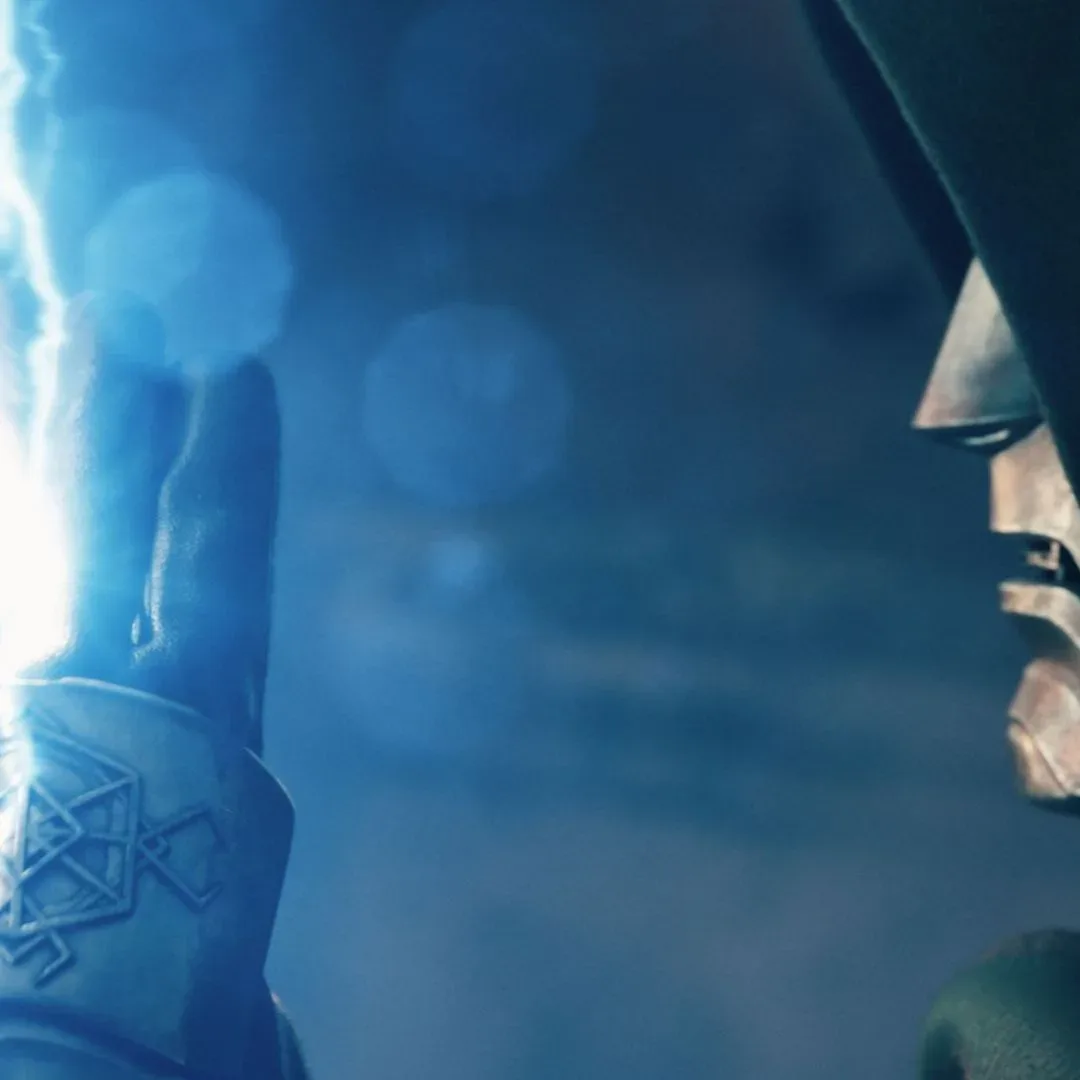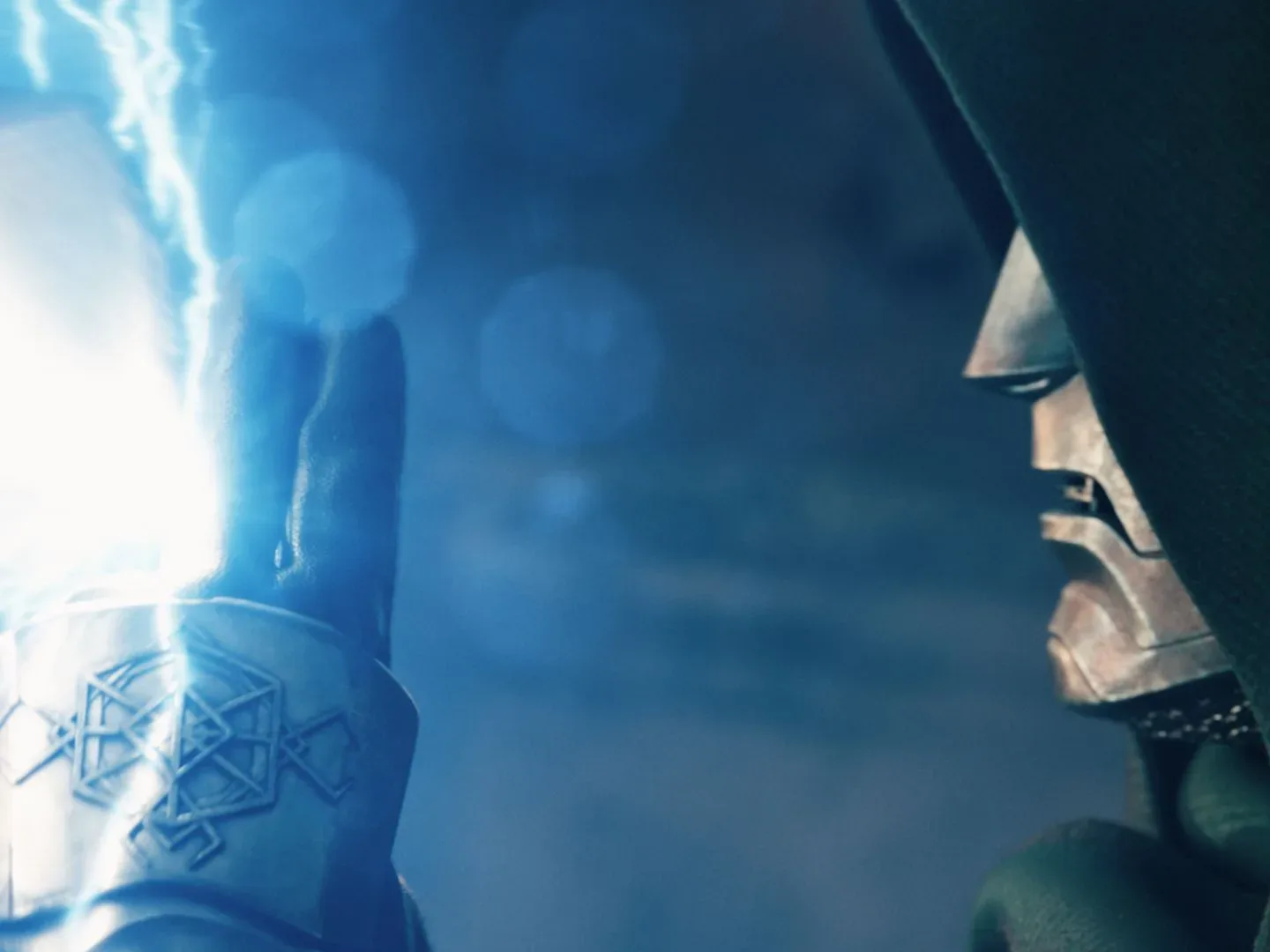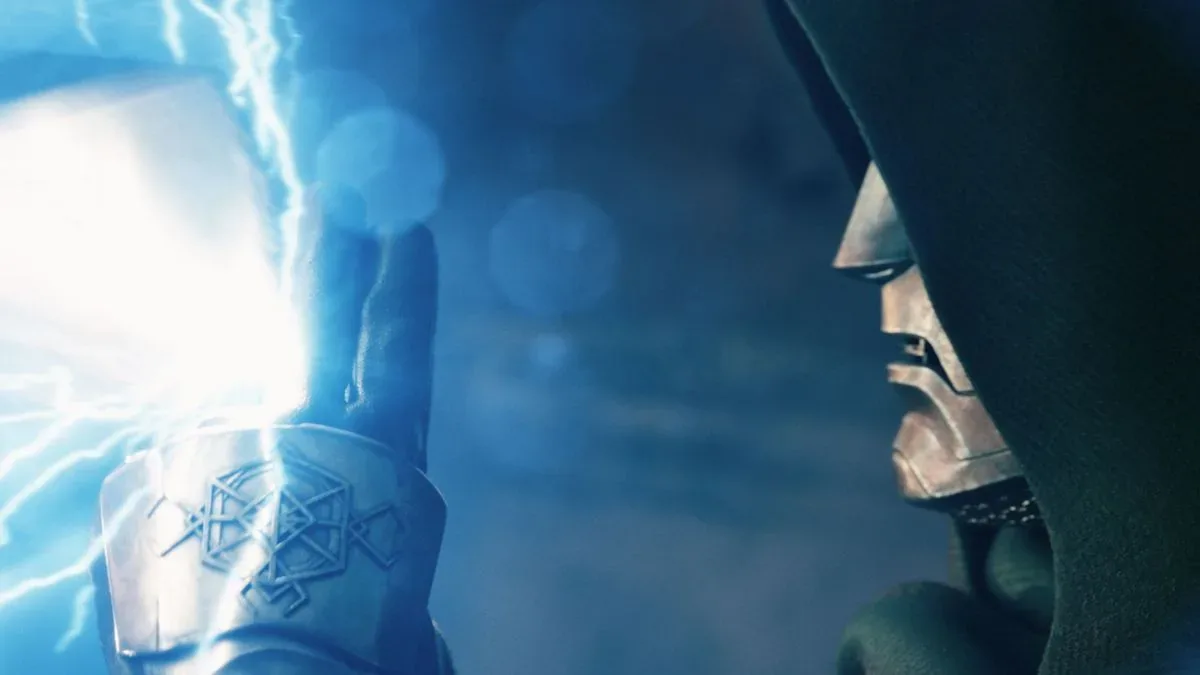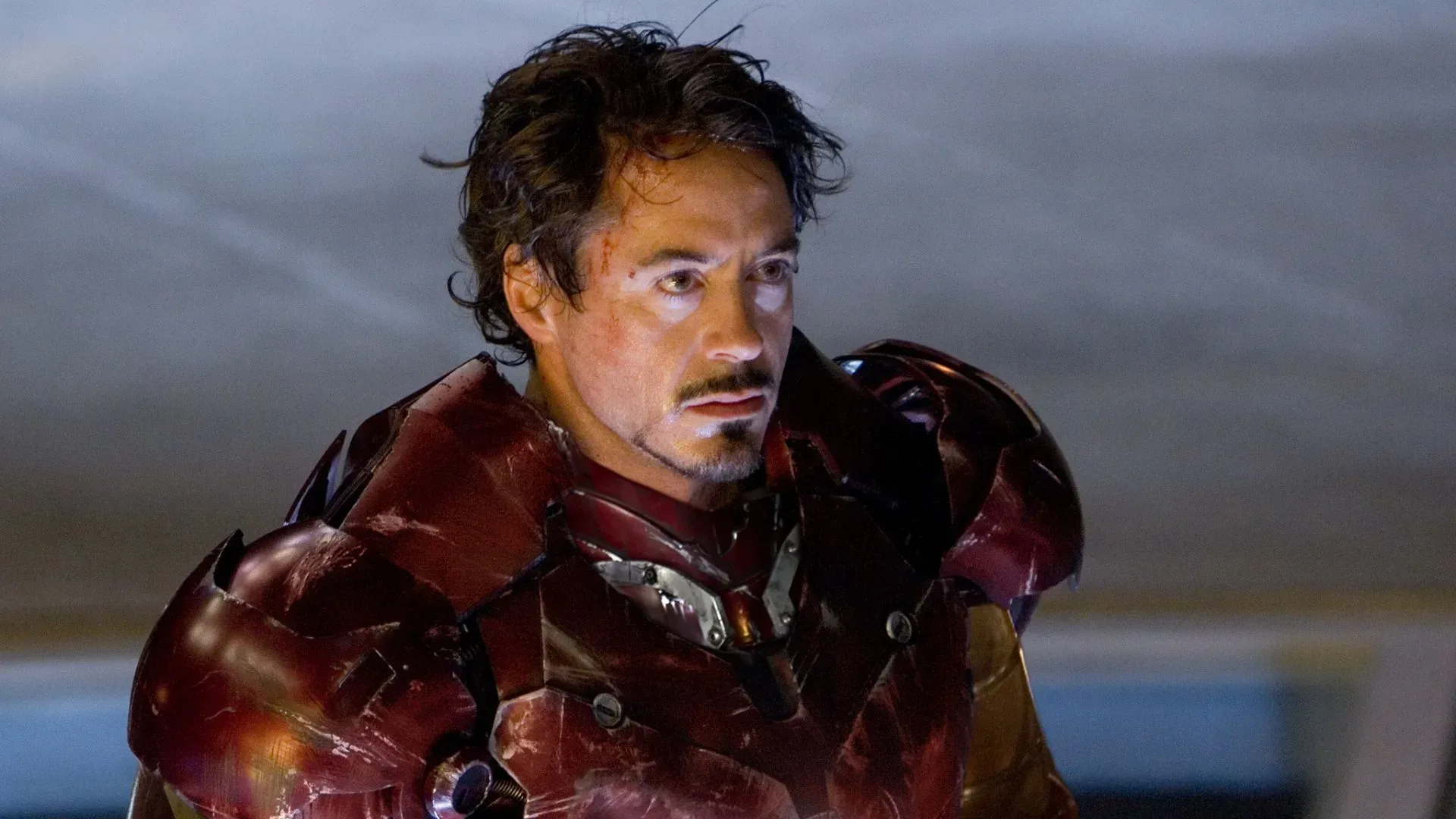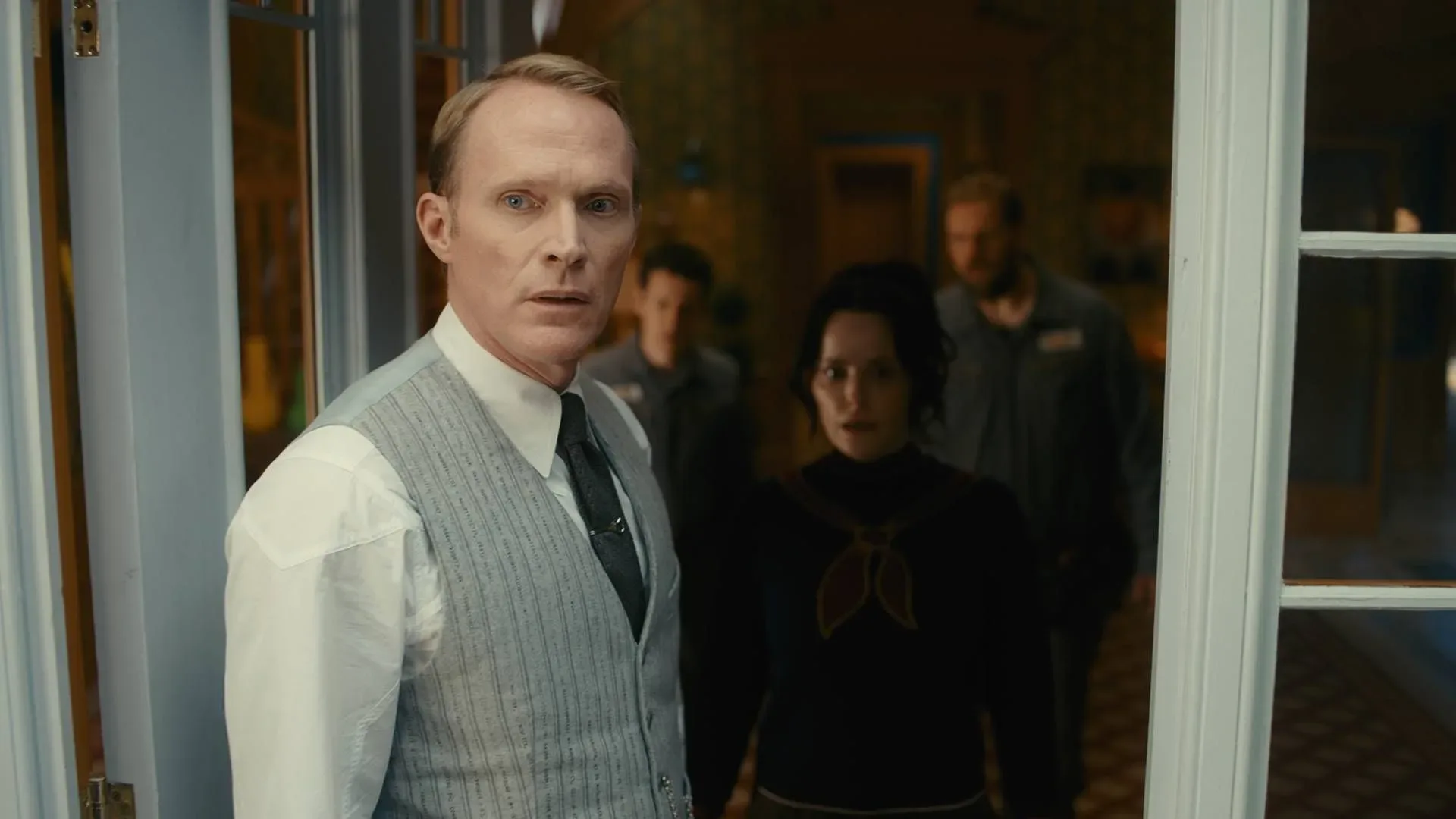
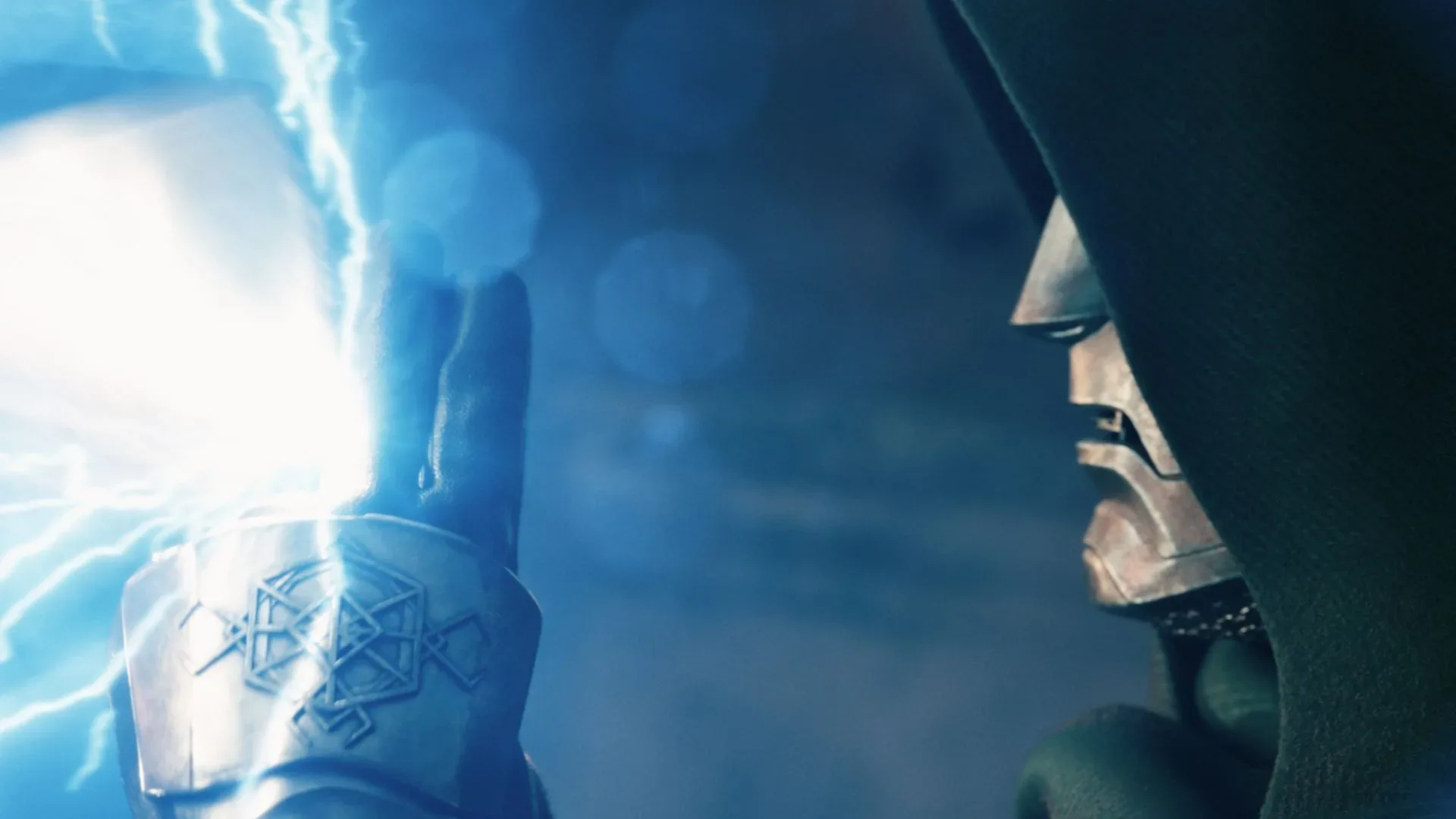
Robert Downey Jr. has added another deliberately cryptic beat to the Avengers: Doomsday campaign, posting a short video with a message aimed squarely at Doctor Doom’s future subjects: “Patience, subjects... Time will tell. Doom won’t...”
The video itself offers little in the way of plot information. Downey does not speak, instead appearing in a green sweater with the kind of knowingly suspicious expression that invites fans to start filling in the blanks. That restraint is the point. The post does not identify a trailer, name a release time, or reveal a new character. It does, however, explicitly put the Doom persona at the center of the conversation.
That matters because the next Avengers film still has substantial mystery around it. The confirmed theatrical dates are December 16 in the UK and December 18 in the US, but the movie’s precise story has not been publicly laid out. Downey’s tease therefore functions less as an explanation than as a signal: the promotional machine is still intentionally keeping audiences waiting, and Doom is the figure doing the waiting.
A trailer is plausible, but not confirmed
The timing has prompted speculation that a final Avengers: Doomsday trailer could be close. A special magazine issue focused on the film has been promoted alongside a suggestion that another item would arrive at 4 PM the following day. The relevant time zone has not been made clear, and the tease itself does not confirm what is coming.
As a result, “final trailer” remains a reasonable theory rather than established fact. The distinction is important in a campaign built around fragments. A trailer is a conventional promotional tool: a short edited preview intended to establish tone, characters, stakes, and a release date. But Doomsday has not followed an entirely conventional route so far, beginning with individual “special clips” before receiving a full trailer. The next release could be a conventional trailer, another character-oriented spot, or another format that withholds more than it explains.
Downey’s wording makes that ambiguity productive. “Time will tell” implies answers are coming eventually. “Doom won’t” suggests the opposite: the film’s apparent antagonist is not interested in volunteering information. It is a compact bit of character marketing that preserves the secrecy around the story while making the delay feel like part of Doom’s authority.
What has actually been established about Doom
The Russo brothers have confirmed that Downey’s Doom is the movie’s villain. They have also indicated that the character carries trauma, while cautioning audiences that he is someone to fear. Those details establish a broad framework without revealing a motive, a target, or the conflict that brings the Avengers into his path.
That combination is worth parsing carefully. A villain having trauma does not automatically make him a sympathetic hero, nor does it tell viewers what he wants. In storytelling terms, trauma is background that may help explain a character’s outlook or decisions. It is not, by itself, a plot synopsis. The direct warning that Doom should be frightening is the more useful clue for setting expectations: whatever complexity the film gives him, the campaign is positioning him as a genuine threat.
The eighth episode of VisionQuest also provided a provocative piece of context in its post-credits scene, where Doom resurrected an Avenger for clearly sinister purposes. A post-credits scene is an extra scene placed after a film or episode’s main ending, often used to plant a future development. Here, it offers an example of Doom acting on a massive scale and treating an Avenger’s return as a means to an ulterior end.
Even so, that scene should not be stretched into a complete explanation of Doomsday. It identifies one alarming capability and one malicious act. It does not spell out the overall stakes, say how the resurrected Avenger fits into the central story, or reveal which heroes will be involved in stopping Doom. Those are precisely the gaps a major trailer could address—if the teased material is indeed a trailer.
Why the language of “subjects” stands out
Downey’s use of “subjects” is the most revealing part of an otherwise minimalist post. The term is not the language of an equal rival. It evokes rule, hierarchy, and a villain who expects obedience. Rather than simply asking fans to wait, the message turns that wait into an order from Doom.
That approach gives the campaign a useful dramatic angle. The audience is not only being asked to anticipate another piece of marketing; it is being addressed through the persona of the character at the center of the film’s threat. The tease is therefore doing two jobs at once. On the surface, it keeps attention on an imminent reveal. Beneath that, it presents Doom as patient, controlled, and confident enough to dictate when information becomes available.
The green sweater is a small visual choice, but it naturally reinforces the character association for viewers familiar with Doom’s signature color palette. It should not be mistaken for costume confirmation or evidence of a scene from the movie. The post is promotional material, not a disclosed frame of the film. Still, its visual and verbal cues work together to make the identity of the speaker unmistakable.
The campaign’s unusual structure leaves room for surprise
Movie marketing typically gives audiences a recognizable sequence: teaser, full trailer, additional trailer, short television spots, and clips as release draws near. That is a pattern, not a rule, and Avengers: Doomsday has already complicated it by leading with special clips before a proper trailer arrived.
For fans, that means format is part of the mystery. A “special clip” can imply a focused piece of footage rather than a broad overview. It may emphasize one character, one mood, or one moment without revealing the movie’s structure. A full trailer, by comparison, usually has greater pressure to communicate the premise. With Doomsday still short on explicit story details, the difference between those formats is meaningful.
If the next item is a final trailer, its practical value would be clarity: confirmation of which plot threads matter most, more direct evidence of Doom’s role, and a clearer sense of what is at risk. If it is another unconventional clip, the strategy would remain consistent with the campaign’s preference for suspense over straightforward explanation. Either route would fit the available evidence. Neither can be declared ahead of the reveal.
The strongest takeaway from Downey’s post is not that it guarantees a trailer, but that it has narrowed the promotional focus around Doom. The campaign is treating the villain as an active presence rather than merely a name on a cast list. That can be especially effective for an ensemble event film: before every hero and storyline is explained, audiences are given a single, ominous force to watch.
What viewers should watch for next
Until the promised promotional moment arrives, the firm facts are limited. Avengers: Doomsday is scheduled for UK theaters on December 16 and US theaters on December 18. Downey has issued a Doom-themed tease. The film’s directors have confirmed Doom as the villain and framed him as dangerous despite the character’s trauma. Beyond that, specifics about the story remain under wraps.
For the next official material, the most useful things to look for are straightforward:
- Format: whether the new material is labelled as a trailer, clip, featurette, or something else.
- Story clarity: whether it offers an actual premise rather than isolated images and ominous dialogue.
- Doom’s objective: whether the marketing explains what the villain is trying to accomplish, rather than only demonstrating his power.
- The resurrection thread: whether the VisionQuest post-credits development is directly connected to the movie’s advertised conflict.
- Release-date emphasis: whether December 16 and December 18 remain the central theatrical rollout dates presented in the new campaign.
In the meantime, the tease succeeds because it gives away almost nothing while supplying fans with plenty to interpret. “Patience” is both an instruction and a marketing tactic. Doom’s refusal to tell may be the whole joke, but it also neatly describes the current state of the film: the villain has been identified, the danger has been signaled, and the actual plan remains concealed.
For another forthcoming screen release on the site’s calendar, see the announced premiere date for Avatar: Seven Havens Book 2.