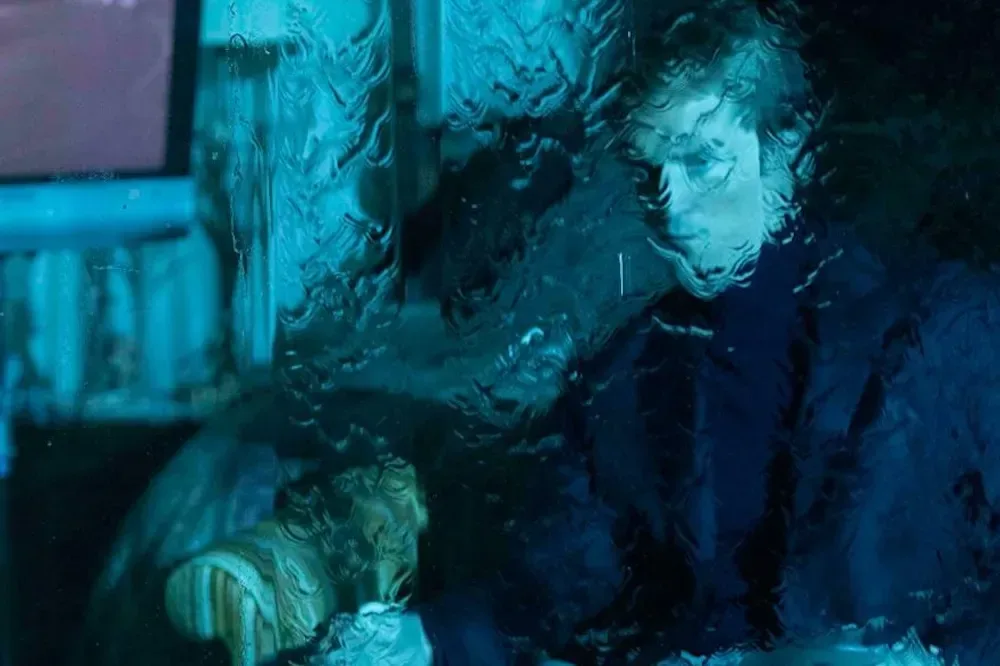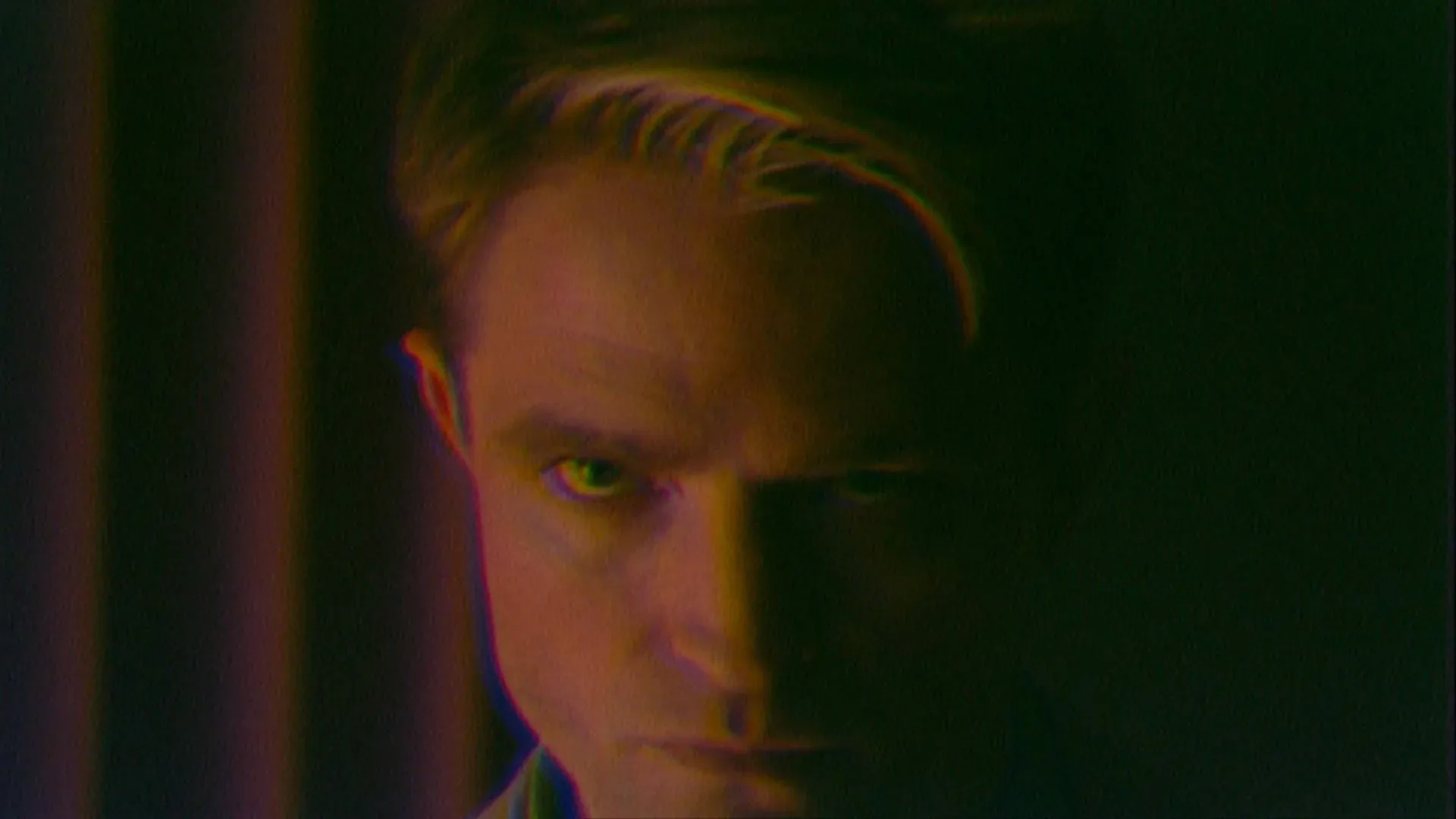
Primetime director Lance Oppenheim says he set out to recreate the unsettlingly artificial atmosphere surrounding To Catch a Predator—a TV format in which banal domestic settings, hidden cameras and grave allegations collided. His intended result for the new true crime-inspired drama is not a straightforward procedural, but something stranger: a fever dream that gradually becomes a nightmare.
The film arrives in theaters on September 25, 2026. It is connected to the world and contradictions of To Catch a Predator, but it is not presented as a biography of journalist Chris Hansen or a behind-the-scenes account of how the television series was made. Instead, Primetime fictionalizes the Esquire article Tonight on Dateline This Man Will Die, about a controversial sting operation that ended with the suicide of a Texas district attorney.
A familiar house made deeply unfamiliar
Oppenheim’s description of the original program focuses on a disturbing visual contradiction. The sting locations contained ordinary, even cozy, details: cookies, pepperoni pizza, sweet tea and homes that looked conventional from the outside. Yet the presence of television cameras and a planned confrontation transformed those locations into something alien.
That contrast is central to the director’s approach. Oppenheim described the images as seeming almost beamed in from another planet, an effect he wanted to echo in Primetime. The goal, he said, was for everything to feel subtly wrong before the film’s darker implications take hold.
In practical storytelling terms, this is a tonal strategy rather than a claim that the material is unreal. The objects in the rooms are ordinary; the situation is not. A plate of food or a suburban living room can become ominous when the audience knows the setting is an arranged trap, participants are being watched, and a confrontation has been designed for the camera. The film’s “fever dream” quality appears to come from that collision between recognizable domestic life and an intensely constructed television event.
The TV format behind Primetime
To Catch a Predator aired on NBC from 2004 to 2008. In the series, Hansen worked with the advocacy group Perverted Justice, whose members posed as minors in online chatrooms in an effort to identify men soliciting sex. The program’s scenarios involved a decoy at a house, a meeting arranged by the target, a confrontation with Hansen and, after that exchange, police intervention.
Oppenheim has characterized the show’s construction as an unusually volatile mix of horror, real-world horror, comedy and absurdity. That does not reduce the underlying allegations to entertainment. Rather, it identifies the uncomfortable mechanics of the presentation: conduct of extreme seriousness being placed into a tightly controlled, highly watchable format.
The show’s staging generated its own visual language. It placed people in a seemingly normal home, then revealed that the space was full of performers, crew members, cameras and law-enforcement consequences. The “bizarro experiment” Oppenheim describes is the reversal at its center: a room designed to read as private is actually a public spectacle waiting to happen.
That reversal also helps explain why the material can produce uneasy comedy without becoming lighthearted. Awkwardness arises from the gap between what a visitor expects and the carefully arranged reality of the scene. But the stakes remain severe. Primetime appears interested in holding those incompatible feelings together rather than choosing a single, cleaner genre label.
Justice, ratings and the pressure of performance
The film looks at Hansen’s fictionalized counterpart through an additional lens: an obsession with justice that exists alongside an obsession with television ratings. That pairing is crucial to the premise. Television can frame itself as a public service while also depending on a dramatic hook, viewer attention and the force of a memorable reveal. Primetime examines the tension rather than treating either side as incidental.
Oppenheim also points to the process of psyching oneself up before confronting someone on camera. It is a detail that shifts attention from the sting’s premise to the person who must perform the confrontation. A host in that position is not merely observing events; he is entering a moment designed to be recorded, replayed and judged by an audience.
“True crime-inspired” matters here. The label indicates that Primetime is drawing dramatic material from real events and media history, not promising a literal reconstruction of every person or incident. Its source material is an article about a particular operation and its devastating outcome. That distinction is especially important given the subject: the film can interrogate the culture and emotional machinery around a televised sting without being a definitive account of every aspect of the original series.
Why the comedy is not a release valve
The film’s comic qualities are described as part of its narrative structure, but the trajectory is not one of escalating farce. The story reportedly moves toward a quieter devastation as it unfolds. That direction makes sense for a drama examining a system where spectacle, punitive satisfaction, moral certainty and personal catastrophe can sit uncomfortably close together.
Comedy in this context can sharpen discomfort. It can make an audience recognize the absurd choreography of a scene: familiar snacks, rehearsed hospitality, unexpected questions and the sudden awareness of an unseen audience. Yet the comedy cannot erase what the confrontation concerns or what may follow from it. If anything, the ordinary details make the darker material harder to keep at a distance.
Oppenheim’s framing suggests that Primetime is less interested in reproducing the beats of a sting than in exploring their emotional afterimage. The “nightmare” is not simply a shocking incident. It is the realization that a TV apparatus can package real danger, public judgment and private ruin into a compelling repeatable form.
What “fever dream” means for this story
The phrase can be easy to mistake for a promise of random imagery or plot ambiguity. In Oppenheim’s explanation, though, it has a more specific function. It describes the warped perception created when everyday places are shot, lit and watched as though they are no longer everyday places. The house is still a house. The cookies are still cookies. But the context makes each object feel charged with expectation.
- Domestic normality: ordinary food, drinks and home interiors establish a deliberately familiar environment.
- Artificial setup: decoys, cameras and a planned confrontation reveal the environment as a constructed trap.
- Media spectacle: the scenario is arranged in a form made for an audience, adding ratings and performance pressure to an already grave situation.
- Emotional collapse: the film’s movement toward devastation prevents its absurdity from becoming a detached gag.
Those elements are why the movie’s tonal mix is potentially more challenging than a conventional crime drama. A conventional procedural often asks viewers to follow evidence, clues and resolution. The story outlined for Primetime instead directs attention to the staging itself: who controls the room, who benefits from the spectacle, and what happens when serious events are filtered through the demands of television.
A story about television’s uncomfortable afterlife
There is a broader cultural reason the premise has resonance. Shows do not disappear when their original runs end; their images, catchphrases, methods and controversies can continue to shape how audiences remember them. Revisiting such material through fiction creates space to consider not only what a program showed, but how it made people feel and what incentives informed its design.
That is not unique to one format. Television’s old conflicts can remain active long after episodes leave the schedule, as seen in this separate look at the continuing dispute surrounding the 2018 cancellation of Roseanne. In Primetime, the legacy under examination is more specifically the uneasy boundary between exposure, accountability and entertainment.
Oppenheim’s comments make clear that he does not view the strange tone as a decorative flourish. The surreal domestic imagery is part of the argument. It captures a format in which the most mundane props could sit alongside extraordinary dread, and where a carefully engineered television moment could have consequences far beyond a broadcast.
Primetime opens in theaters September 25, 2026.