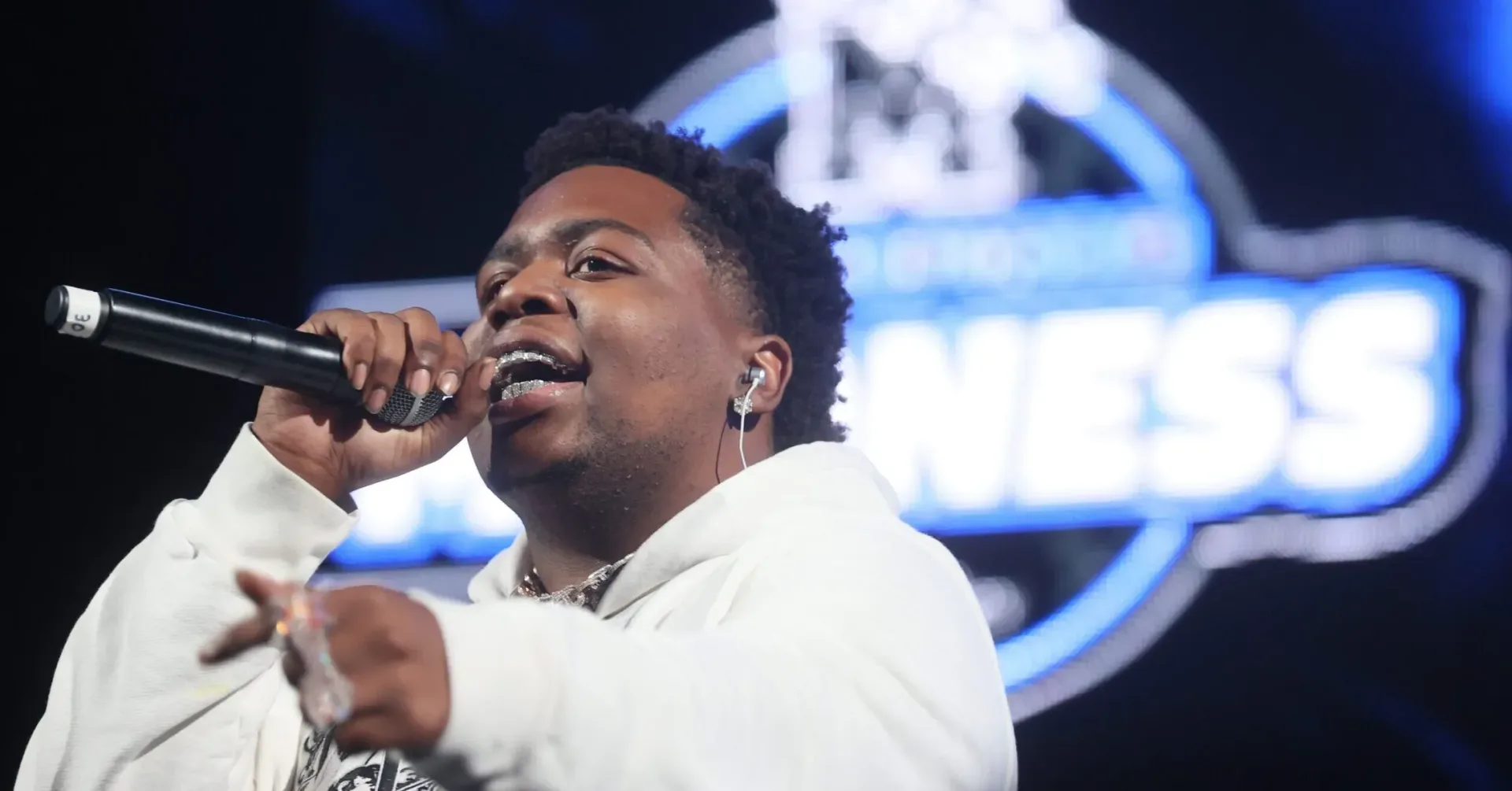

Pooh Shiesty and federal prosecutors have agreed to work toward finding a new Texas detention facility for the rapper while he awaits trial in a case connected to an alleged armed confrontation at a Dallas recording studio.
The agreement followed a hearing focused on his conditions of confinement at the Rolling Plains facility in Haskell. It does not mean he has been released, nor does it resolve the criminal allegations against him. Instead, it avoids a judicial ruling on the immediate dispute over where and how he is being housed before trial.
Pooh Shiesty, the Memphis rapper, has pleaded not guilty. His trial is scheduled for February 22, 2027, with a final pretrial conference set for February 17. No replacement facility or timeline for a transfer has been publicly identified.
What the agreement changes — and what it does not
The narrow issue at the hearing was detention placement. Defense lawyers had challenged the conditions at Rolling Plains, while prosecutors opposed an emergency request for changes to those conditions. With both sides now agreeing to pursue another facility, the court did not need to decide that dispute at this stage.
That distinction matters. A transfer between detention facilities is different from release on bond or dismissal of charges. The agreement concerns the setting of pretrial detention; it does not decide guilt, innocence, sentencing, or whether Pooh Shiesty will remain in federal custody while the case proceeds.
It also does not establish that a transfer is complete. The parties agreed to look for another placement, but the available information does not name a jail, give a proposed move date, or spell out what conditions a new facility would provide.
Why housing conditions became an issue
In October filings, Pooh Shiesty’s attorneys said he was spending roughly 23 hours each day alone and receiving sharply limited in-person family visits. A letter from his aunt described him as worn down, anxious, and severely depressed, and said he could see a family member in person for only two hours a month.
Those claims formed the defense’s account of the practical impact of the placement. They are not a finding by the court. The prosecution disputed the characterization and argued that separate housing was a protective measure after other incarcerated people tried to approach him for autographs.
Related coverage includes Pooh Shiesty, Prosecutors Agree to Seek New Texas Jail Placement Ahead of 2027 Trial.
Prosecutors also pointed to a substantial volume of remote communication: more than 12,000 emails and about 230 video calls. They further cited tablet access as a means for communication and recreation. Those details do not erase the disagreement between the parties; they show that the dispute centered on the difference between access to electronic contact and the defense’s concerns about isolation and limited in-person visits.
Understanding the competing arguments
Separate housing generally means an incarcerated person is kept apart from the broader jail population, whether for safety, security, medical, administrative, or other reasons. In this matter, prosecutors said the arrangement was meant to protect Pooh Shiesty after unwanted approaches from other inmates. The defense argued that the resulting level of isolation was harmful.
Pretrial detention means custody before a criminal trial has taken place. It is not a conviction. A defendant in pretrial detention still has the presumption of innocence, and a not-guilty plea means the allegations will have to be proven in court rather than accepted as established fact.
Conditions of confinement is the broad term for the day-to-day circumstances of custody, including housing arrangements, time outside a cell, visits, communication access, and safety measures. The issue here was not simply whether Pooh Shiesty could communicate at all. It was whether the overall restrictions described by his attorneys were appropriate and whether another placement could address their concerns while meeting security needs.
The mutual agreement is therefore significant primarily as a procedural development. Rather than asking the judge to choose immediately between competing accounts of the existing arrangement, prosecutors and defense lawyers will seek an alternative facility. Any eventual placement will likely have to account for the same balancing act: personal safety, jail operations, access to counsel and family contact, and the defendant’s well-being while the federal case remains pending.
The allegations remain separate from the detention dispute
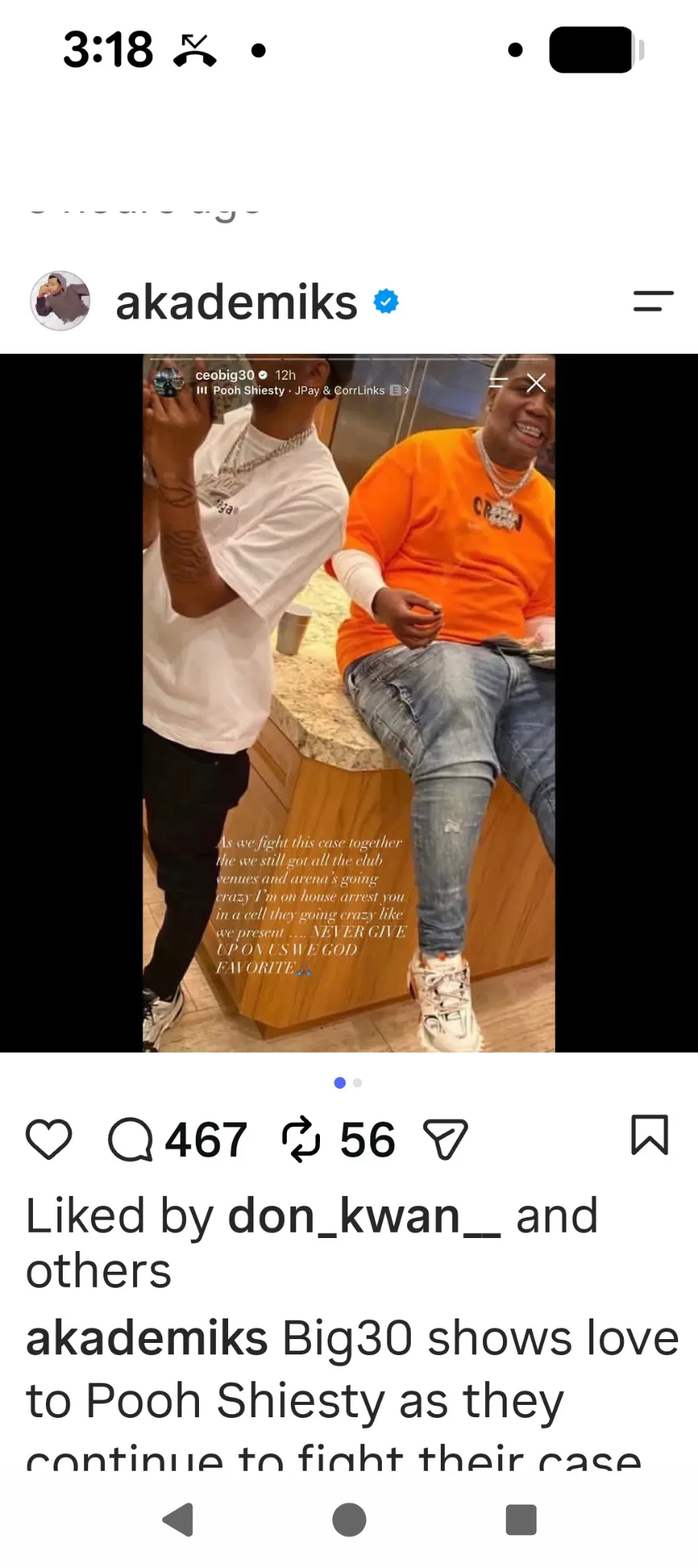
Federal prosecutors charged nine men, including Pooh Shiesty and Big30, over an alleged January 10 incident at a Dallas recording studio. Prosecutors allege that Pooh Shiesty used an AK-style pistol to compel a victim to sign documents releasing him from a recording contract.
The government further alleges that other defendants took jewelry, watches, and cash while the alleged victims were prevented from leaving. These are accusations in an unresolved criminal case. Pooh Shiesty’s not-guilty plea directly contests the government’s case, and no conclusion about the allegations follows from the agreement to seek a different jail.
The separation between these two tracks is easy to lose in celebrity cases. The allegations determine the criminal case’s eventual outcome. The current placement dispute concerns how a defendant is held while the case is pending. The latter can change without altering the former.
What to watch before the February 2027 trial
- A named replacement facility: The agreement identifies the goal of finding another placement but does not publicly identify a destination.
- A transfer timetable: There is no announced date for a move, so it remains unclear whether a change will happen quickly or require further court involvement.
- Any further filings on detention conditions: If the parties cannot agree on an appropriate facility, the issue could return to the court.
- The pretrial schedule: The final pretrial conference is set for February 17, ahead of the February 22 trial date.
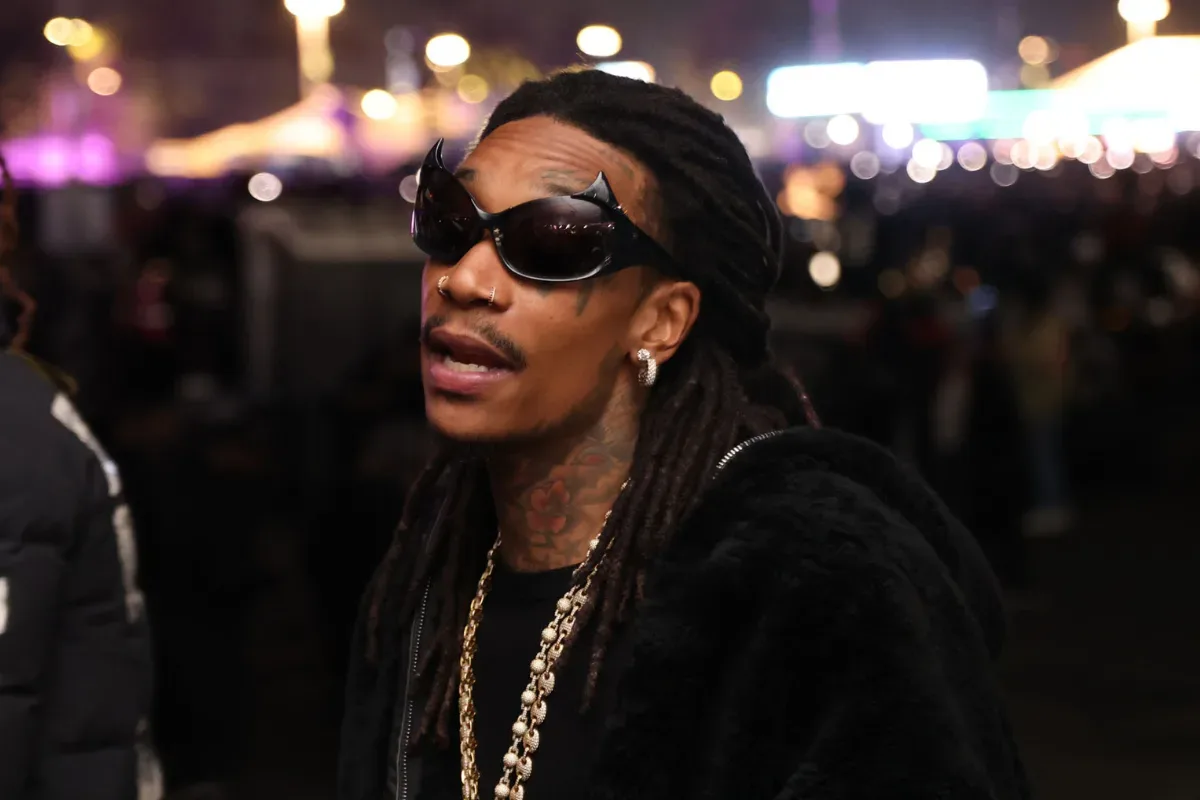
For readers following music-industry news beyond this pending legal matter, Joking Joystick has also covered Wiz Khalifa joining Diplo’s Los Angeles Run Club. That is a separate entertainment story and has no connection to the Texas case.
For now, the clearest development is limited but meaningful: both sides have moved away from litigating the current detention arrangement at this moment and toward identifying another Texas facility. Until a location and transfer date are confirmed, the exact practical effect on Pooh Shiesty’s confinement remains unsettled.