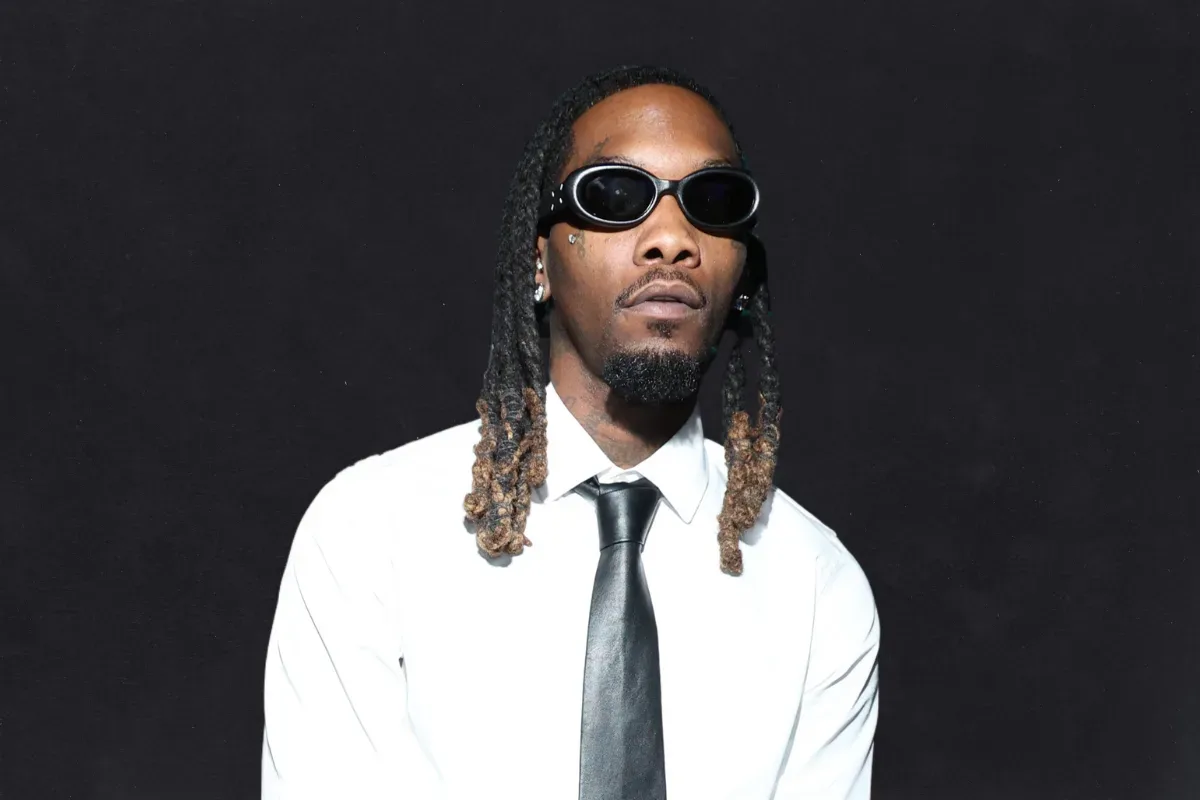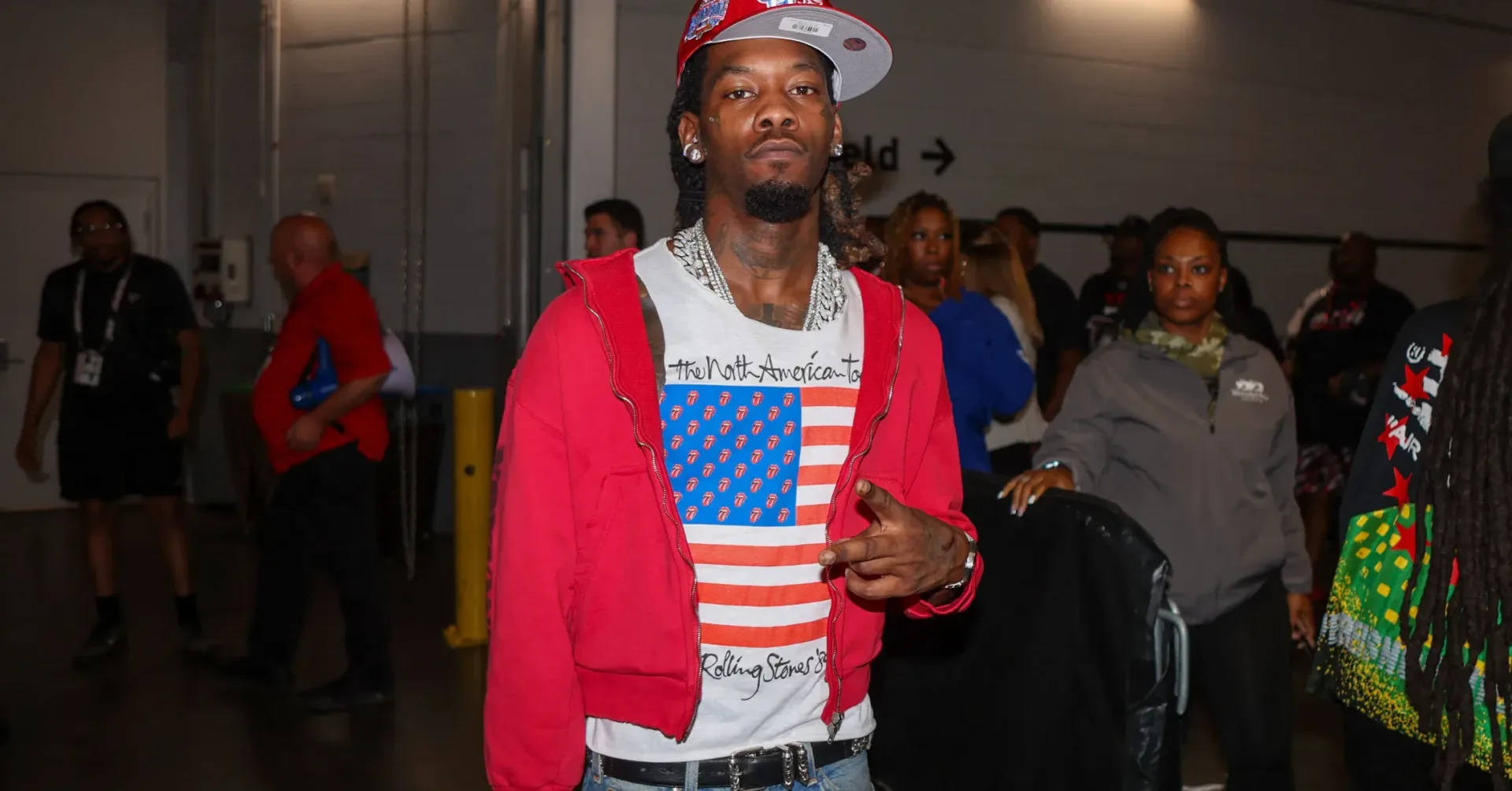
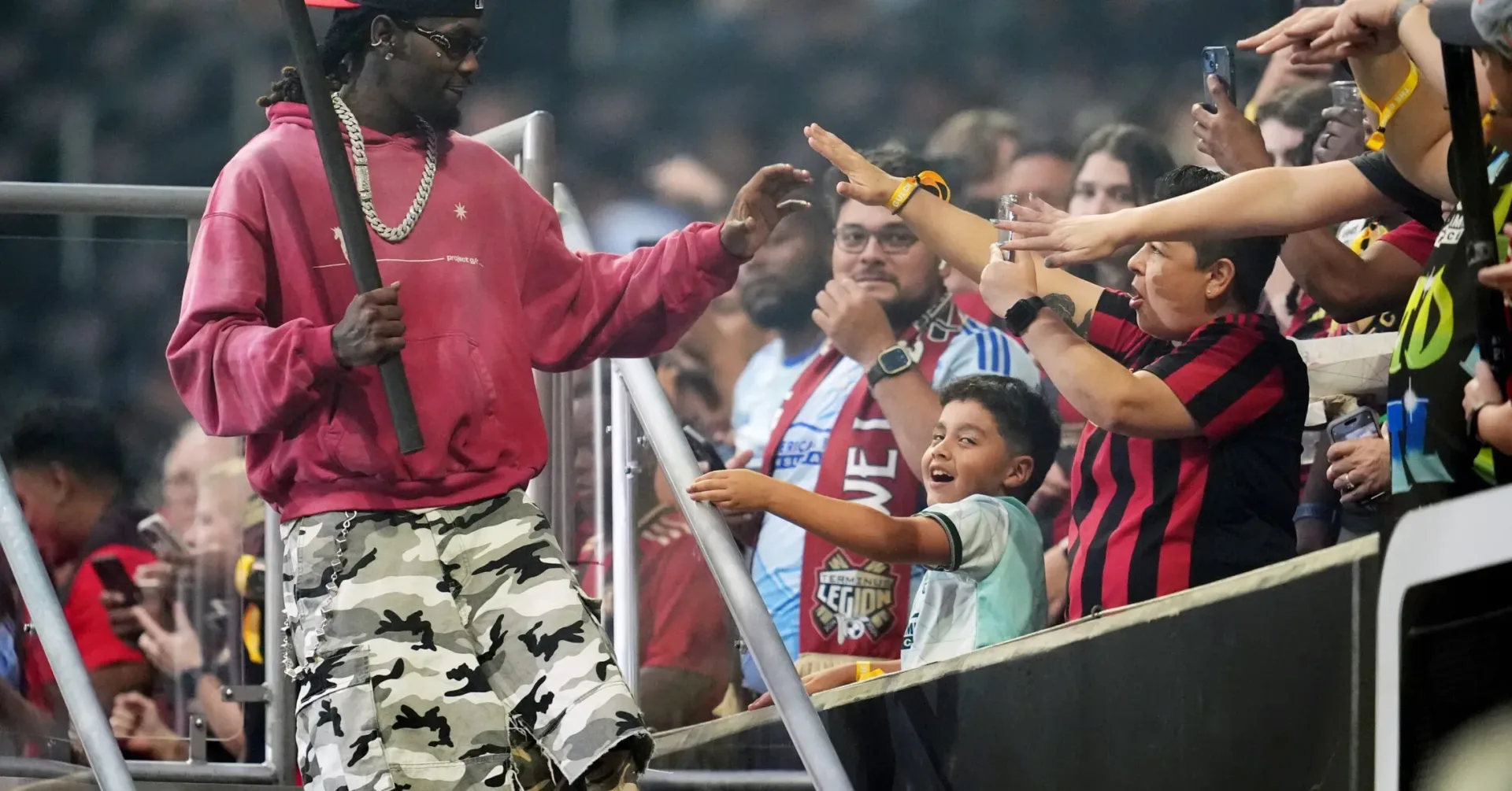
Offset has publicly acknowledged that gambling is a problem for him, saying he is working through it after initially framing the activity as both an escape and something he enjoys.
The admission came during a conversation held while he promotes GMFU. The discussion ranged beyond music, including his reconciliation with Quavo and his decision to keep working with Gunna, before turning to questions around gambling.
“I’m gonna keep it real, I got a problem,” Offset said. “I’m working through it.”
It is a brief statement, but an important shift in how he described the subject over the course of the conversation. Earlier, Offset pushed back on the implication that his gambling necessarily constituted a problem. He said he was not selling assets to repay creditors, and explained that some apparent gambling activity may be tied to commercial arrangements rather than money he has personally put at risk.
“Sometimes you think I’m gambling, and I might have collabed somebody, and I just made $400,000 doing this.”
Offset also said he might have sponsorships connected to gambling companies, noting that such companies can have substantial promotional budgets. That distinction matters: a sponsored appearance and a personal wager are not the same transaction. But it does not settle the more personal question raised by his eventual admission—whether gambling is taking on an unhealthy role in his life.
An escape can still become a problem
Offset described gambling as an escape. In plain terms, that means using it as a temporary way to step away from stress, pressure, boredom, or difficult feelings. Enjoyment and escape are not mutually exclusive, and neither one alone proves that someone has a gambling disorder. The concern becomes more serious when the behavior feels difficult to control or continues despite negative consequences.
That is why his own wording carries more weight than outside assumptions. Offset did not provide details about the scale of his gambling, losses, treatment, finances, or what “working through it” currently involves. Those unknowns should remain unknown rather than being filled in with speculation. Still, he directly identified a problem, which is different from simply denying that gambling has any downside.
His earlier point about not liquidating property or paying back creditors also illustrates a common misconception around gambling-related harm. A person does not need to reach a visible financial crisis before a pattern becomes concerning. Financial distress can be one consequence, but it is not the only possible measure of a problem. Time, emotional strain, relationships, work, and the inability to stop can all matter, too. In this case, however, Offset did not describe any of those specific impacts.
Sponsorship money does not erase personal risk
Offset’s explanation of paid collaborations adds necessary context to public images of celebrity gambling. Clips and photos can make it difficult for audiences to tell whether they are seeing a private wager, a promotional arrangement, or a mixture of both. A paid casino- or betting-related campaign can turn gambling imagery into part of a performer’s professional output.
That commercial context can complicate the conversation without making the personal admission less meaningful. If gambling-related promotion is connected to a person’s public-facing work, it may be harder to draw a clean line between a job, an image, and a private habit. Offset’s comments point to exactly that overlap: he said that at times viewers may interpret a gambling moment as personal play when it is actually a collaboration.
There is also a broader practical implication for fans. Gambling content can look like a simple display of confidence, money, or entertainment, especially when it is attached to celebrity marketing. But the public does not always have the information needed to understand the financial arrangement behind it. Seeing someone gamble is not evidence that they are winning, losing, being paid for an appearance, or privately struggling. It is better not to infer any of those things from a clip alone.
What is known—and what is only reported
The discussion revisited a prior incident in Florida in which Offset was shot at a casino during an alleged altercation involving Lil Tjay. Reports at the time linked the confrontation to a gambling debt. That claimed connection is reported context, not a detail Offset confirmed in the comments described here.
Separately, Offset said he has continued to gamble and mentioned placing a wager on Keisha Lance Bottoms to win Georgia’s governor’s race. The supplied information does not establish the amount of that wager, its outcome, or whether it was connected to any sponsorship arrangement. Those distinctions are worth preserving, particularly in a story about a sensitive and potentially stigmatized issue.
The clearest current fact is the one Offset supplied himself: he says he has a problem and is working through it. There is no need to turn that statement into a diagnosis, a prediction, or a verdict about his life. Acknowledging a problem can be a meaningful step, while the particular support, boundaries, and next steps remain personal matters.
Why the wording matters
Public conversations about gambling often collapse into two extremes. One treats every bet as evidence of addiction; the other assumes there cannot be a problem until someone loses everything. Neither approach is especially useful. Offset’s comments sit in the more complicated space between them: he described real enjoyment, cited business relationships around gambling, rejected one measure of financial desperation, and then plainly said he has a problem.
That complexity is also why celebrity disclosures deserve a measured response. It is fair to take the admission seriously. It is not fair to claim knowledge of treatment, debt, diagnoses, family impact, or recovery plans that he did not share. The language around this topic can either preserve a person’s humanity or turn a serious statement into spectacle.
For readers following the music conversation around Offset, the disclosure arrived alongside talk of collaborations and relationships that have shaped his career. Related coverage in the broader hip-hop space includes news involving Boosie Badazz and Rajel Nelson, though it is unrelated to Offset’s remarks on gambling.
Offset’s statement ultimately leaves a deliberately limited public record: gambling has been an escape for him; sponsorships and collaborations may affect how some public gambling appearances should be understood; and, by his own account, the behavior has become a problem he is trying to work through. That direct acknowledgement is the central development—not a rumor, not a financial estimate, and not a substitute for the private work he says lies ahead.