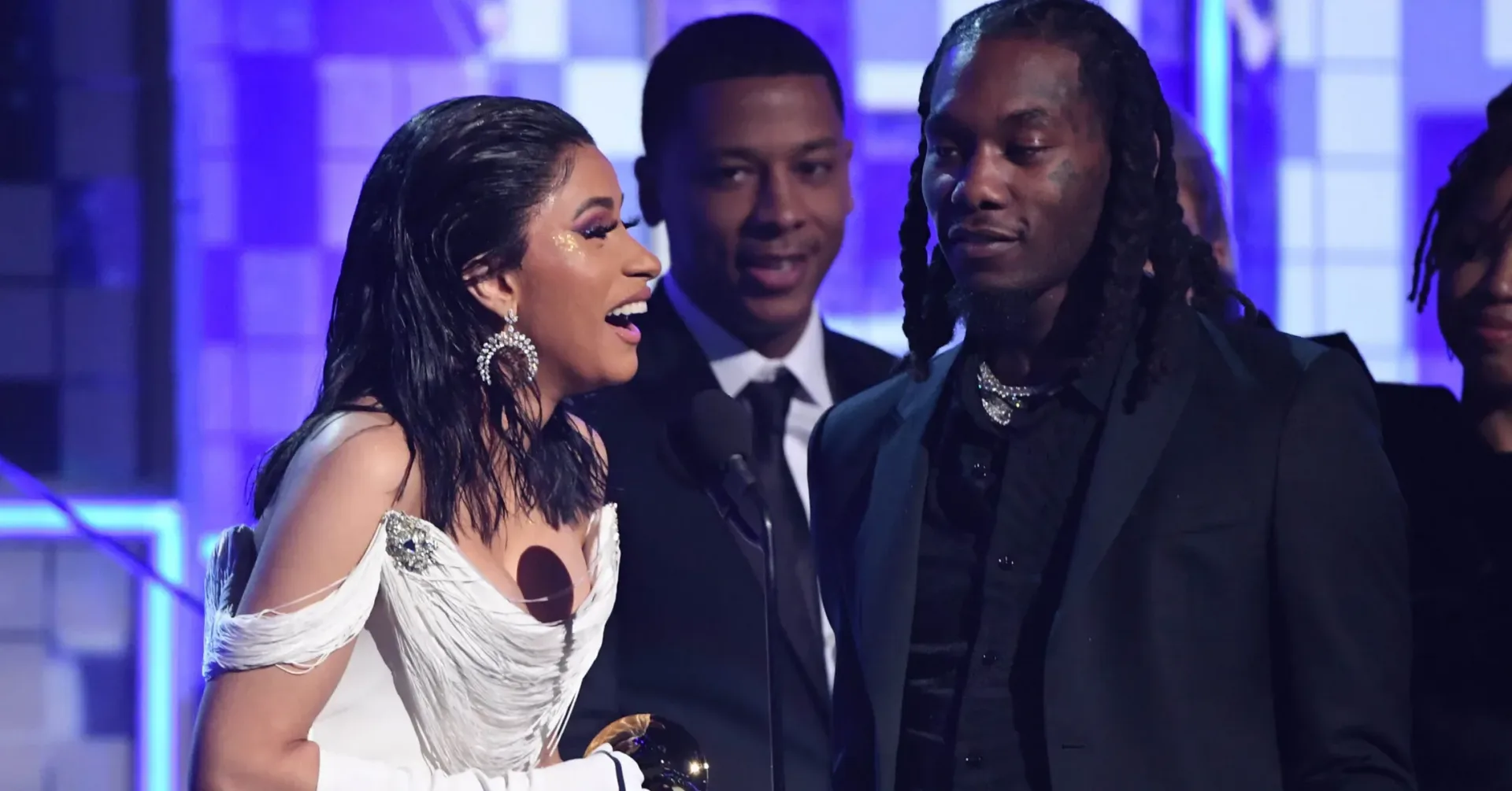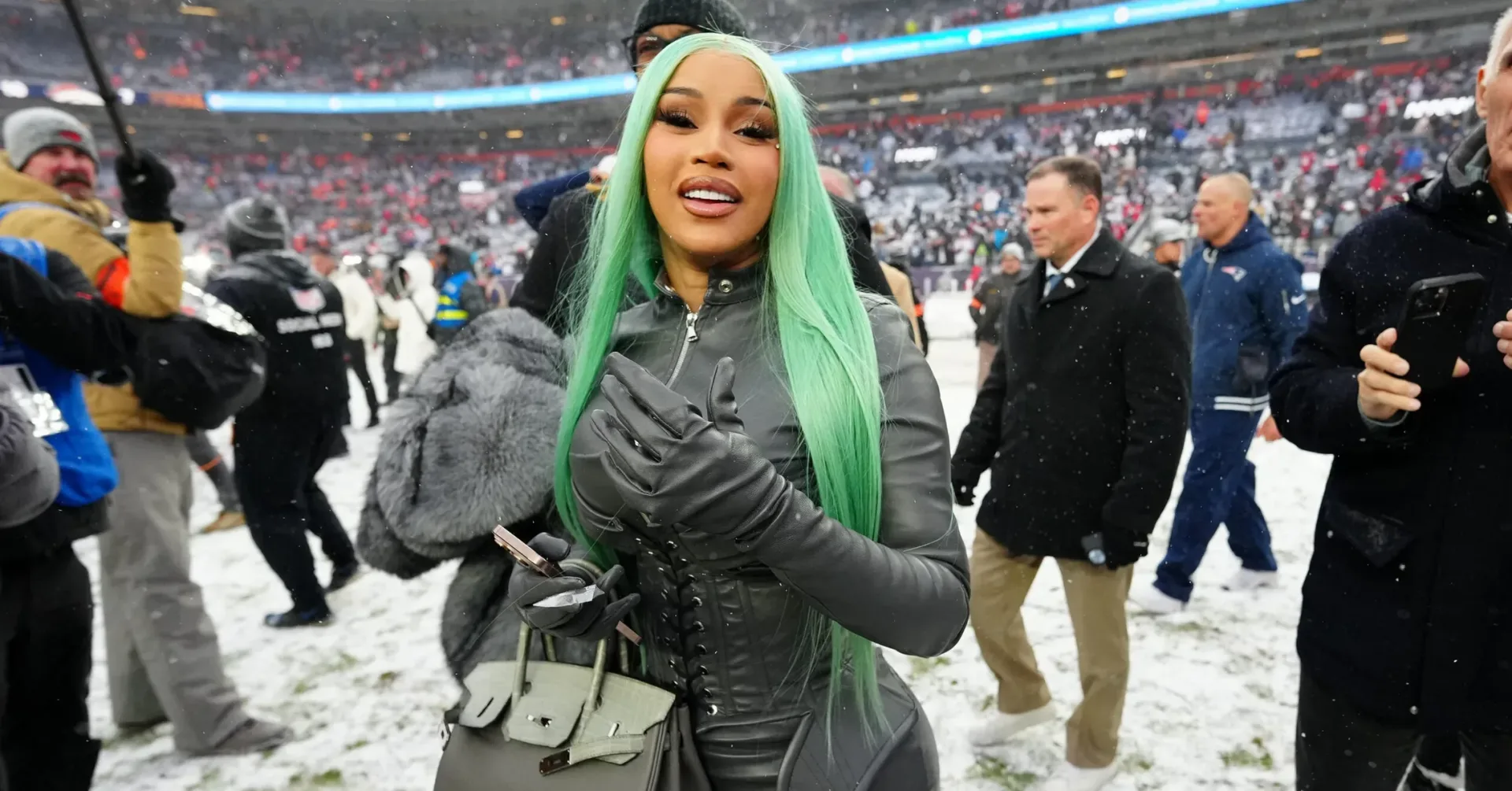
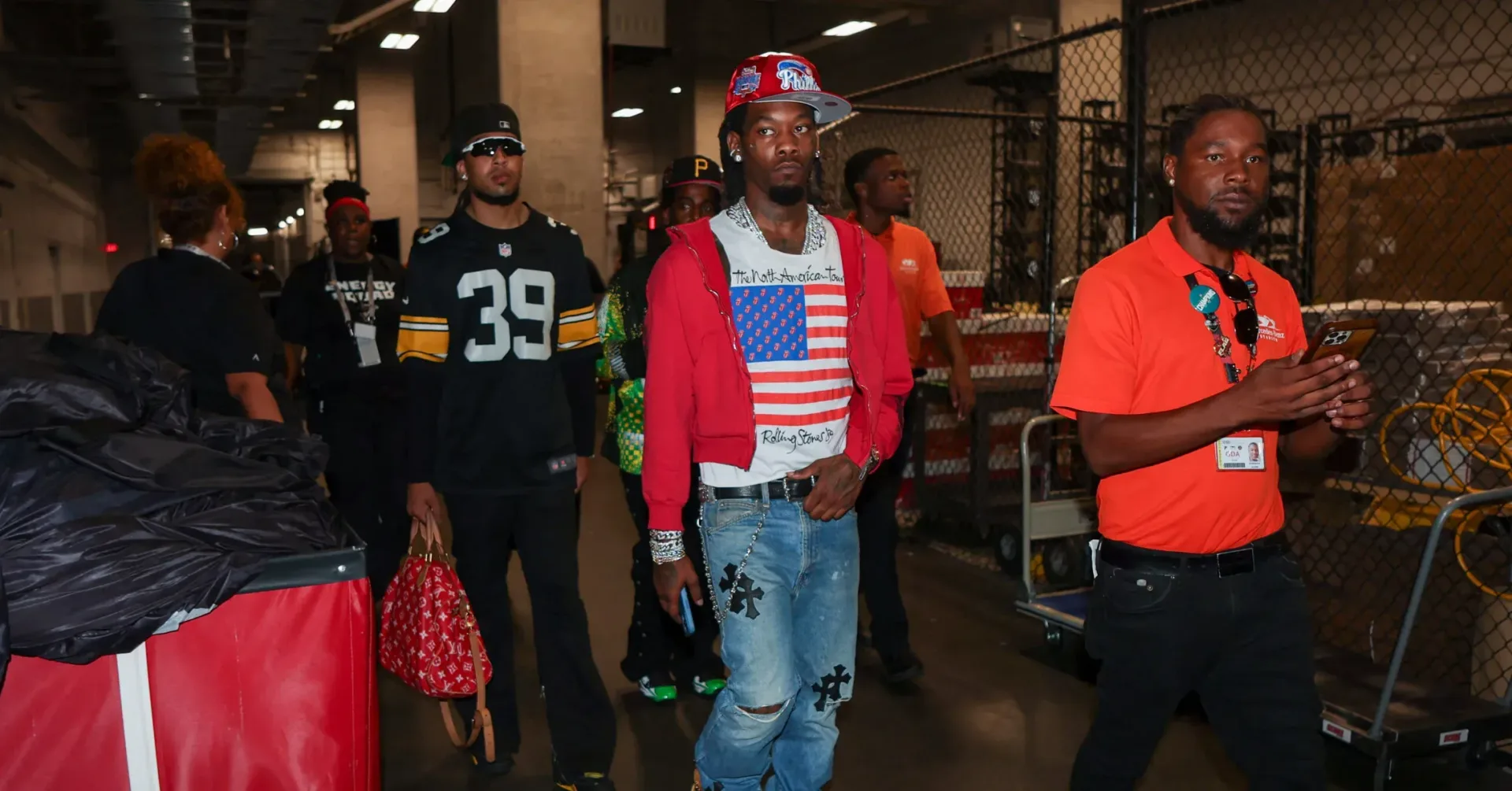
Offset used an appearance on The Real Report, alongside Tony Yayo and Uncle Murda, to address several subjects that have followed him through a turbulent stretch of public discussion: speculation surrounding Stefon Diggs, questions about gambling, and claims that he owes money to Dez Bryant and Lil Tjay.
The clearest theme across his responses was resistance to escalation. Asked how he feels about Diggs, Offset said he does not feel a particular way about the NFL wide receiver and argued that reacting publicly would not be a smart move. He suggested that acting against Diggs would make him look like a “shrimp,” and framed retaliation as something he does not consider manly.
That answer matters less as a definitive statement about every rumor surrounding the situation than as a public choice to decline a confrontational narrative. Celebrity breakups and alleged personal rivalries frequently become material for fan theories, reposts, and social-media pressure. Offset’s comments instead pointed toward restraint—at least in the public setting where he was asked the question.
Offset rejects the premise of a public feud
The discussion arrived amid widespread attention around Offset’s split from Cardi B and online speculation that has connected Diggs to that story. Offset did not turn the interview into a detailed account of anybody else’s private life. Rather, he answered the central question about his own reaction by denying that he feels slighted and by dismissing any idea of public action as worthwhile.
There is an important distinction here. Saying he does not intend to react is not the same as confirming or disproving every online claim surrounding the people involved. It is a statement about his posture toward the conversation. In a media environment where public conflict can quickly become a cycle of clips, replies, reaction videos, and alleged insider reports, choosing not to add fuel can itself become the headline.
Offset’s use of “shrimp” also gave the answer its bluntest edge. The phrasing was humorous, but its meaning was direct: he sees retaliatory behavior in this context as diminishing rather than validating him. Whether audiences accept that framing or continue looking for drama is another question, but he made his position plain.
Why the wording is significant
Public figures are often asked questions that come with an assumed dramatic answer. A prompt about a former partner and another well-known athlete can imply that anger, competition, or confrontation should naturally follow. Offset pushed back on that assumption. His response did not merely avoid a threat; it challenged the underlying notion that retaliation is an appropriate measure of pride.
That distinction is useful when reading viral entertainment clips. A short excerpt may emphasize the sharpest line, while the broader point is often about refusing a scenario altogether. Here, the central message was not a warning aimed at Diggs. It was that Offset does not see a public response as intelligent or masculine.
Hip-hop and games have long shared a wider cultural conversation, from soundtracks to radio stations and artist references. For readers interested in the gaming side of that crossover, recent discussion around GTA VI’s Leonida screenshots illustrates how entertainment discourse can travel across music, celebrity, and game communities—even when the topics themselves remain distinct.
Gambling question brings a notable contrast
Elsewhere in the interview, Tony Yayo and Uncle Murda asked Offset whether he has a gambling problem. He said that he does not. That response stands in contrast to a previous Popcast interview in which he had acknowledged an issue near the end of the conversation.
The available comments do not provide enough detail to resolve that apparent inconsistency. “Gambling problem” can carry a specific meaning: repeated gambling behavior that causes serious difficulty in financial, personal, or professional life. A person may describe their behavior differently depending on the setting, the period being discussed, or what they believe the question means. None of those possibilities should be treated as established here without further explanation from Offset himself.
What can be said is straightforward: he denied having a gambling problem in this newer interview, while his earlier remarks have been characterized as an admission of an issue. The two positions create an unresolved public contrast. It would be inaccurate to turn that contrast into a diagnosis, or to assume facts about his finances from a brief exchange.
The topic nevertheless helps explain why allegations about money can gain traction so quickly. When an artist has publicly discussed gambling or is perceived to have done so, unrelated claims about debts can spread with added force. But a rumor gaining momentum does not make it verified. The distinction between an accusation, a response, and independently established fact remains essential.
Dez Bryant and Lil Tjay claims are directly disputed
Offset also responded to claims from former NFL player Dez Bryant and rapper Lil Tjay that he owes them money. He denied those claims and said they were lying.
This is a direct dispute, not a settled account. Bryant and Lil Tjay have made the claims referenced in the conversation; Offset has rejected them. No supporting documentation, agreement, court finding, payment record, or other independent evidence was presented in the material at hand. As a result, the most accurate description is that the parties’ positions conflict.
That restraint matters. Debt allegations can sound simple in a social-media post, but the word “owed” can involve a range of circumstances: a personal loan, a business arrangement, a wager, a performance payment, or an informal understanding. Without specifics, audiences cannot responsibly determine what was allegedly promised, whether terms existed, or whether any payment obligation was valid.
How to read competing celebrity claims
When public figures exchange allegations about money, several levels of certainty should be kept separate:
- A claim: someone says money is owed.
- A denial: the person accused says the claim is false.
- Verification: records or reliable evidence establish what happened.
The interview provides the second category—Offset’s denial—but not enough information to reach the third. That does not make the dispute unimportant; it simply means that the responsible framing is narrower than the loudest online version of the story.
Offset’s overall tone suggested frustration with the amount of discussion surrounding him over the past year. His answers combined dismissal of a supposed feud with a firm defense against the money allegations. Yet he also avoided outlining a detailed case against any of the people involved. That leaves the interview as a statement of his position, rather than a complete accounting of the disputes.
A controlled response rather than a full reckoning
There is a noticeable difference between the three issues raised in the conversation. On Diggs, Offset rejected the value of retaliation. On gambling, he denied having a problem despite the contrast with previous remarks. On Bryant and Lil Tjay, he issued a forceful denial of the claims that he owes them money.
Taken together, those answers show an artist attempting to define the terms of a public conversation that has often been driven by speculation. He did not offer a detailed timeline, financial evidence, or a response to every rumor. Instead, he drew boundaries: no public hostility toward Diggs, no acceptance of the gambling-problem label in this appearance, and no acceptance of the debt allegations.
For viewers, the practical takeaway is to separate what Offset personally said from what remains unverified around it. His interview answers clarify his own stance. They do not, on their own, resolve the private relationships, financial disagreements, or earlier statements that have kept these topics in circulation.