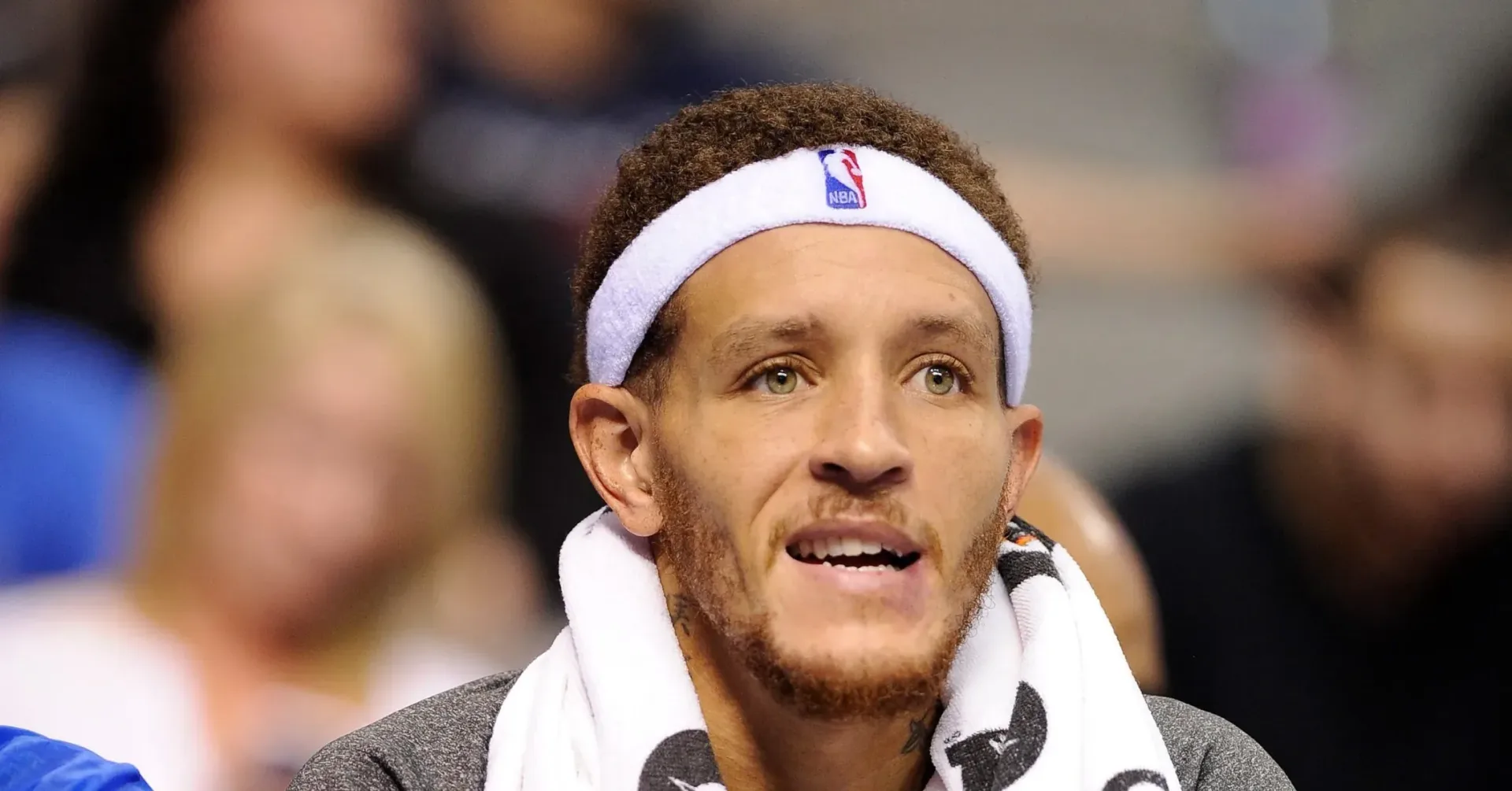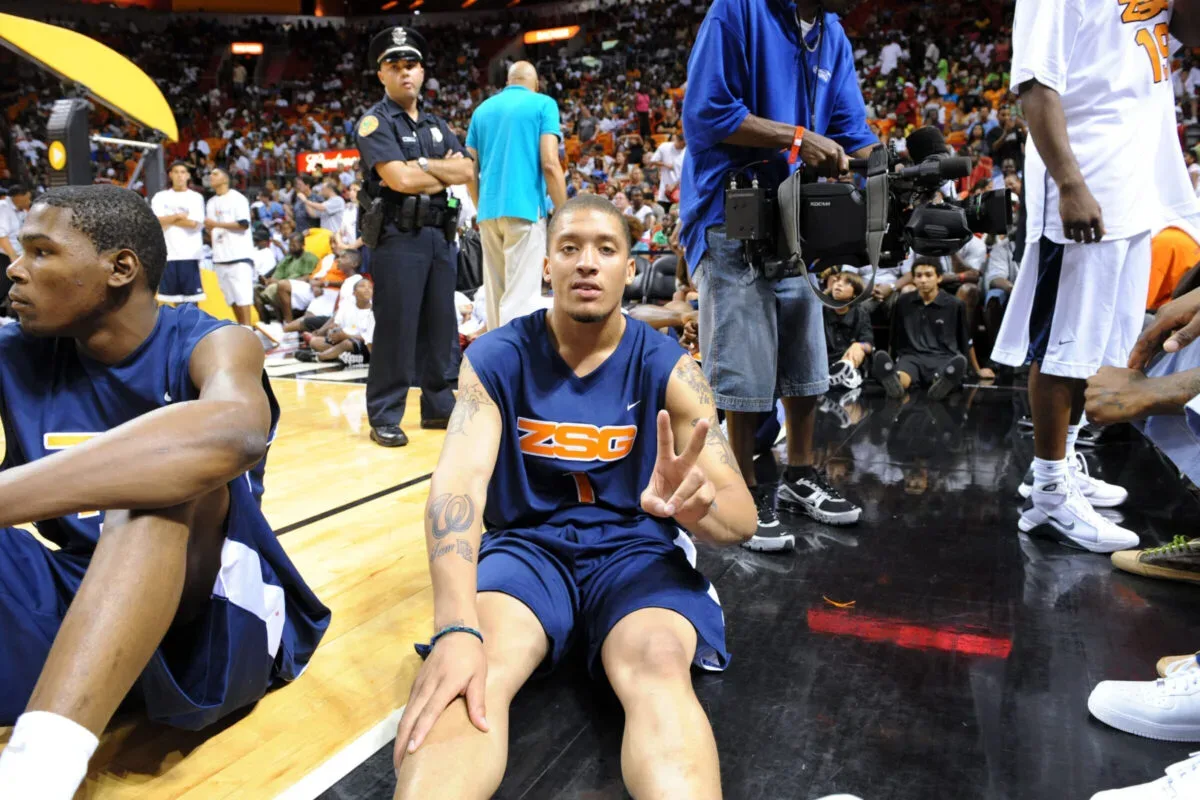
Michael Beasley defeated Delonte West by first-round technical knockout at Brand Risk 16, a boxing result that gave the former NBA forward a successful return to the crossover-fighting promotion.
The October 16 event took place at the Brand Risk Warehouse in Miami. West fell during the opening round and did not rise before the referee completed a 10-count, ending the contest. It was West’s first combat-sports appearance; for Beasley, it was a return to the promotion following an MMA loss earlier in the year.
That distinction matters. Beasley’s previous appearance at Brand Risk 14, held in Las Vegas in May, was an MMA bout with Lance Stephenson. In that contest, Stephenson brought the action to the ground and won by rear-naked choke. The fight with West was conducted under boxing rules, removing the takedowns, ground control and submission holds that defined Beasley’s loss to Stephenson.
A first-round finish in a boxing-only matchup
Beasley entered the West bout with a height and reach advantage, and the action reportedly reflected it. West came forward throwing large punches, while Beasley worked from farther away. The exchange ultimately put West on the canvas, where the referee’s count produced the stoppage.
A technical knockout, often abbreviated as TKO, is a fight-ending result declared by an official rather than a knockout in which a fighter is visibly unconscious. In this case, West was down and unable to beat the 10-count. The referee’s intervention ends the bout and protects the fighter from continuing when they cannot safely resume.
The finish also illustrates why rulesets can substantially reshape a crossover matchup. Boxing limits the contest to punches and standing exchanges. MMA permits a wider set of techniques, including wrestling and submissions. Beasley’s May defeat turned when Stephenson took him down and applied a rear-naked choke, a submission hold from behind that forces an opponent to submit. Against West, Beasley had a contest more centered on striking range, where his physical advantages could be used without the added grappling dimension.
Beasley had spoken candidly after the Stephenson fight about the difficulty of being caught in a choke, saying, “Practicing getting choked and getting choked ain’t the same!” That comment did not turn the boxing match into a guarantee, but it plainly identified the area of MMA he found most challenging. Brand Risk 16 gave him a different competitive lane.
Basketball history brought into a creator-led fight card
Beasley and West were not strangers entering the ring. The two had competed against one another in both the NBA and China’s top basketball league. Their existing sports history gave the event a rivalry frame without turning their fight-week interaction hostile.
During a face-to-face interview, West characterized the pair as fierce competitors who want to win. He also referred to a shared past that included competition and scuffles. The tone was friendly ahead of the fight, but the underlying premise was clear: two athletes with a basketball connection were now being asked to settle a new kind of one-on-one contest under boxing rules.
Beasley also had recent history with Stephenson beyond the cage. The former NBA players had competed in Big3 basketball and played a one-on-one game for $100,000 before their May MMA bout. The progression is an example of how recognizable sports personalities can carry an established competitive relationship across several entertainment formats: basketball, direct one-on-one play, MMA and boxing.
For West, however, Brand Risk 16 was a first combat-sports outing rather than the continuation of an existing fight career. That makes the result difficult to interpret beyond the night itself. A first-round loss says Beasley was the more effective boxer in this specific matchup; it does not establish a broader ranking or predict how either man would fare against experienced professional boxers.
What Brand Risk’s format is built to do
Brand Risk’s card combined former athletes with streamers, social-media personalities and musician YK Osiris. Osiris boxed Deshae Frost elsewhere on the show. The event was streamed free through the promotion’s social channels and Adin Ross’ Kick channel.
This is the basic crossover-fighting model: recognizable figures arrive with audiences built in other arenas, then compete in a combat-sports setting designed for live online viewing. The sports element is real—the rules, officials, rounds and stoppages still determine a winner—but the card is also entertainment programming shaped around personalities with pre-existing communities.
Free streaming is central to that approach. It lowers the barrier for viewers who might watch a familiar streamer, former basketball player or recording artist but would not seek out a conventional boxing broadcast. It also means the fight card functions as social content as much as an event in isolation, with clips and discussion likely to travel across the same platforms that helped make the participants recognizable.
That creator-centered approach has expanded far beyond a single kind of project. For another example of an internet figure moving into a product and ownership venture, see MrBeast’s reported stake in Ball 2. The details differ, but the broader pattern is similar: large online audiences can become a foundation for projects that sit outside the creator’s original medium.
Why the result means more for Beasley than a simple bounce-back
Calling the result a bounce-back needs a little precision. Beasley did not avenge the loss to Stephenson, and boxing does not erase an MMA defeat. Instead, he demonstrated that the lessons of one ruleset should not be automatically applied to another.
In May, the decisive phase was grappling. At Brand Risk 16, the deciding phase was a standing striking exchange. Beasley’s height and reach helped him manage distance against West’s forward pressure, and the bout ended before the opening round was complete. The contrast is less about contradiction than specialization: combat sports contain different disciplines, and athletes can have markedly different strengths depending on the rules in force.
The practical takeaway for viewers is equally straightforward. Celebrity and crossover bouts often put competitors together because their public histories make the matchup compelling, but those histories do not substitute for an understanding of the format. Boxing rewards distance management, timing and punching. MMA layers those skills with clinching, takedowns, ground defense and submissions. A competitor who struggles when taken down may be much more comfortable in a boxing ring, while a capable striker can still be vulnerable once wrestling is allowed.
Beasley’s win over West therefore gives Brand Risk another concise, recognizable storyline: a former NBA player moved from a submission loss in MMA to a first-round boxing stoppage. West’s debut ended quickly, but the event’s wider purpose remains apparent in the way it paired basketball names, online figures and music personalities on one free-to-watch card.
For Beasley, the immediate record is clear. His return to the promotion produced a first-round TKO, delivered in the ruleset he had remained interested in pursuing after the Stephenson defeat.