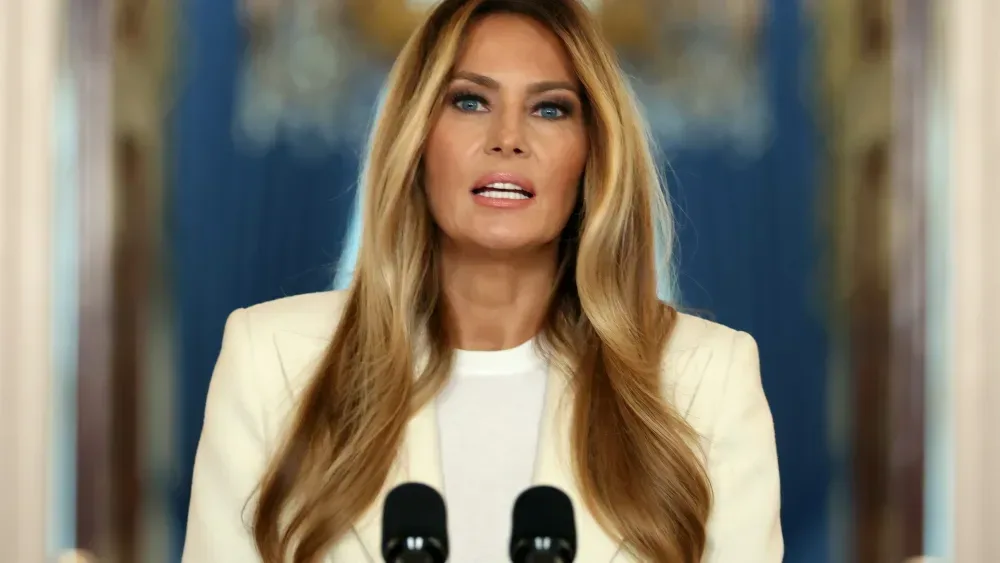
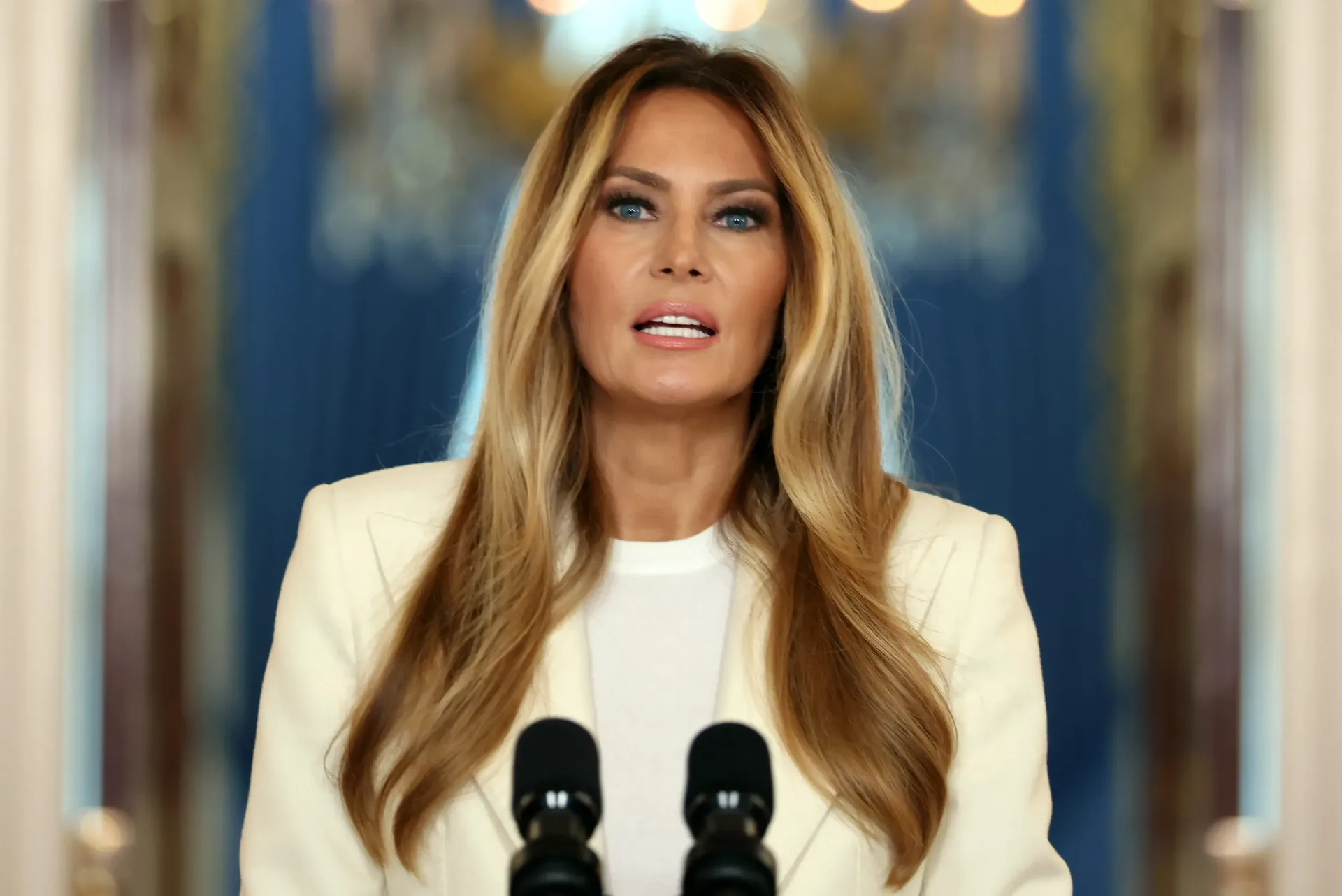
Amazon Prime Video is set to release Melania, The Series on Nov. 20, expanding the screen project centered on Melania Trump into a two-episode docuseries. The release follows the theatrical debut of Melania on Jan. 30 and its streaming release on March 9.
The series is divided into two chapters: “Family & Trust” and “Pride & Honor.” The first episode follows Trump as she prepares to become First Lady, while the second is set in the immediate aftermath of the inauguration. Prime Video has said the series includes material that has not previously been shared publicly.
That structure matters because it gives the project a narrower, event-based shape rather than presenting it as a broad biography. One episode is framed around preparation; the other follows the transition into the role. For viewers, the useful expectation is therefore a companion piece focused on a specific stretch of time, not necessarily a comprehensive account of Trump’s life or public career.
What the two episodes cover
“Family & Trust” is positioned around the period in which Trump is getting ready to become First Lady. “Pride & Honor” then moves to the moments following the inauguration. The episode titles signal the themes the production intends to foreground, but the supplied details do not establish the full range of interview subjects, the exact nature of the previously unreleased material, or how much of the footage was shot before versus after the inauguration.
That uncertainty is worth keeping clear. “Never before shared” can describe many kinds of material: behind-the-scenes footage, personal archival media, conversations, or new access to a public event. The available information confirms that such material is part of the series, but does not itemize it. Audiences looking for a precise guide to what is new will need to wait for the episodes themselves.
As a format, a docuseries is nonfiction programming released in multiple installments. In this case, the distinction is modest but meaningful: the related film was a single feature-length release, while the streaming follow-up separates its narrative into two titled episodes. Splitting the material in two can create a clearer before-and-after line around an inauguration, placing the preparation phase and the initial period in office into distinct viewing sessions.
A follow-up to the feature film
Melania, The Series is not arriving as a standalone first release. It follows Melania, which first played theatrically on Jan. 30 before moving to streaming on March 9. The film is directed by Brett Ratner. Melania Trump and Marc Beckman are executive producers; Ratner is also a producer alongside Fernando Sulichin, Muse Films, New Element Media and RatPac Entertainment.
Those credits help define the continuity between the film and series. Trump’s executive-producer role indicates she has a formal producing credit on the project rather than being only its on-screen subject. Executive producing can cover varying responsibilities from project development and creative involvement to assembling the production, so the credit alone does not spell out day-to-day control. It does, however, make clear that the program is an authorized production built with her participation.
Related coverage includes Melania Trump Docuseries Sets Nov. 20 Prime Video Release.
The same applies to the series’ relationship with the film. The two projects share a title and subject, and the series follows the feature’s theatrical and streaming windows. But the released description does not say whether the episodes are a recut of unused film footage, newly made programming, or a mixture of both. Calling it a follow-up is accurate; claiming a more exact production relationship would go beyond the details available.
The commercial context behind the release
The film generated $16.6 million worldwide at the box office, a result described as stronger than expected for a documentary. Yet its theatrical returns were still far below the reported $40 million Amazon paid for rights, along with a reported $35 million marketing outlay. Taken together, those reported figures amount to $75 million before any other potential costs, against $16.6 million in worldwide ticket sales.
That arithmetic explains why the theatrical run was reported as failing to recoup the investment through cinemas alone. Box office gross is the total amount collected from ticket sales, not a simple statement of what a studio receives after cinemas and other participants take their share. Meanwhile, recouping means earning back the money committed to acquiring, producing, and marketing a project. The supplied figures make the broad point straightforward: the theatrical result, even as a notable documentary performance, was not enough on its own to cover the reported rights and marketing spending.
It is also important not to flatten that into a complete lifetime accounting. A streaming release can have objectives beyond direct ticket revenue, including drawing attention or subscribers to a service, but no performance figures for the March streaming debut are provided here. Nor are figures supplied for the two-part series. The defensible conclusion is limited to theatrical recovery: the film’s worldwide gross did not match the reported spending attached to rights and marketing.
The series gives Prime Video a second release window for the same subject after the film’s cinema and streaming launches. That does not prove a particular business strategy or guarantee a stronger response, but it does mean the project is being presented in more than one format: first a feature film, then a separate two-episode program. For an industry comparison point on how media companies continue to organize their digital platforms, see this report on Fox’s digital-platform leadership changes after its Roku purchase.
Critical response and what it may mean for the series
The feature film also drew a sharply negative assessment from one prominent film critic, who argued that its presentation felt overly managed and lacked dramatic momentum. That is criticism of the film, not a review of the forthcoming series, and the distinction is crucial. No review outcome for the Nov. 20 episodes is established by the information available.
Still, the critique identifies the key question facing the follow-up: whether the new material offers a perspective that feels meaningfully different from the feature’s approach. A documentary centered on a public figure can be intimate without being investigative, celebratory without being comprehensive, or observational without being revealing. Those are not interchangeable modes, and viewers may reasonably assess the two episodes based on which one they believe the program delivers.
The episode descriptions promise access around a major transition, but they do not promise a particular editorial stance. “Family & Trust” and “Pride & Honor” are thematic labels, not evidence of how challenging, personal, or politically expansive the series will be. Likewise, the presence of unreleased material does not by itself answer whether the series will add context, conflict, or new information beyond the film.
What viewers can reasonably expect on Nov. 20
- A two-part documentary series on Prime Video.
- An episode about Melania Trump’s preparations to become First Lady.
- A second episode set shortly after the inauguration.
- Previously unshared material, though its specific form has not been detailed.
- A continuation of a screen project that already had a theatrical release and a later streaming release.
What remains unconfirmed includes episode runtimes, a detailed roster of participants, and the precise contents of the new footage. For now, the clearest picture is a two-chapter extension of Melania, built around the transition into the First Lady role and arriving on Prime Video on Nov. 20.