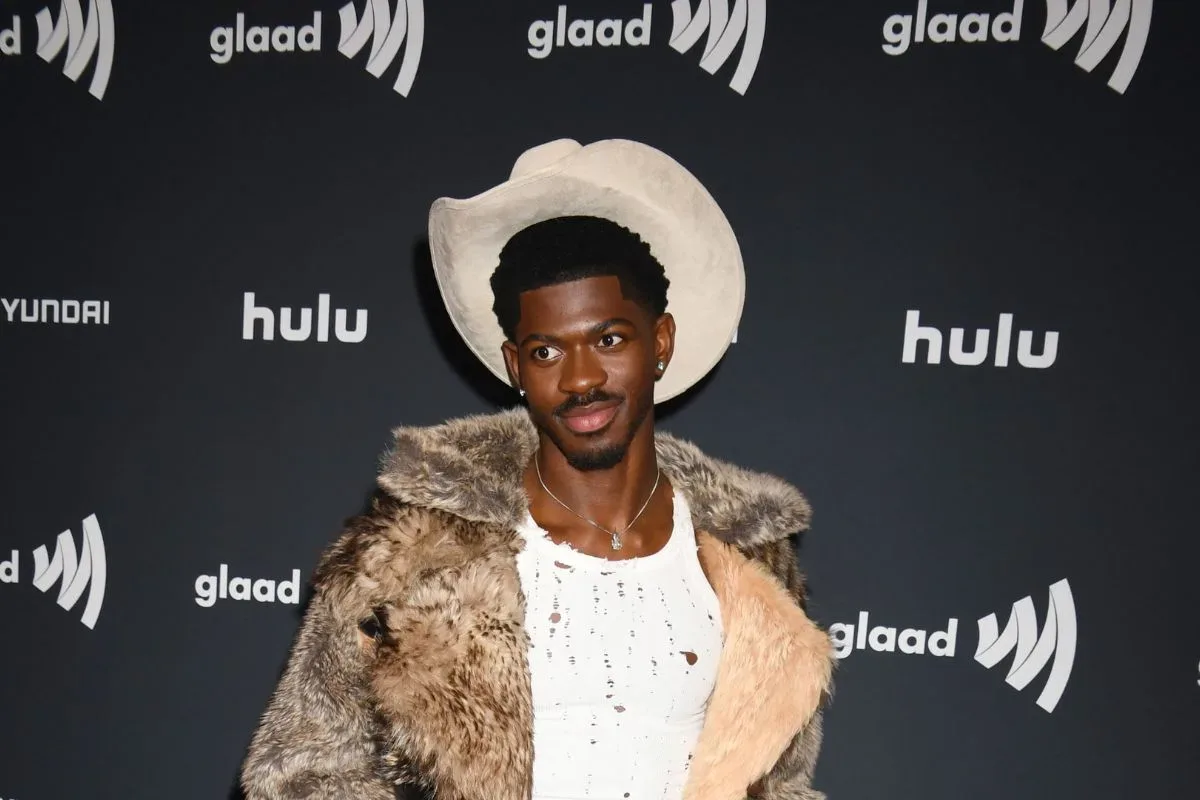
Lil Nas X marked the reported Democratic sweep in the 2026 midterms with the sort of post that is easy to read in a second and hard to separate from the wider argument around it. After results came in on Wednesday, November 4, the artist wrote on X: “WE ALL GETTING ABORTIONS TONIGHT!”
It is an intentionally extreme joke about an issue that is anything but trivial. The punchline does not treat abortion as a literal election-night activity; it turns a projected change in political power into an absurd declaration of freedom. That distinction matters. The post is blunt, provocative and likely to produce radically different reactions depending on a reader’s politics, but its target is the culture-war framing around reproductive rights and personal autonomy.
A one-line reaction to a consequential election
The post followed results in which Democrats reportedly won control of both chambers of Congress, flipping at least seven Senate seats and more than two dozen House districts. The party also won gubernatorial contests in Georgia, Ohio, Iowa and Texas, while gaining or maintaining unified control in several states.
Those results give the joke a concrete political backdrop. Congressional majorities affect what legislation can advance, which nominees can be confirmed or rejected, and how aggressively an administration can be investigated. Democrats entering 2027 with control of both chambers would be positioned to block legislation and scrutinize the Trump administration from Capitol Hill.
Reproductive rights were part of the map as well. Idaho voters rejected an abortion-rights measure, while incoming Democratic majorities listed healthcare and abortion protections among their priorities. That does not mean one election result settles every policy fight, especially where state-level rules and ballot measures remain decisive. It does explain why abortion was the subject Lil Nas X chose for his most prominent political quip following the results.
Why the wording is the point
Hyperbole is exaggeration used for effect rather than a literal proposal, and the construction of Lil Nas X’s post depends on it. The phrase takes political relief or defiance and cranks it to an absurd volume. It is internet-native political comedy: short enough to spread without context, sharp enough to be interpreted as both celebration and challenge.
That economy is also why such posts can travel farther than a carefully qualified statement. A detailed explanation of Senate seat changes or state healthcare policy would carry more caveats. Five all-caps words instead create a flashpoint. Supporters can take the post as an unapologetic defense of bodily autonomy; critics can object to the humor itself. Either way, the joke invites people to confront the political issue rather than glide past a generic celebrity-election reaction.
It also fits an artist whose public persona has repeatedly engaged with sexuality, religion and the social policing of self-expression. Lil Nas X has used concise, high-impact social posts as more than promotional material. In this instance, the same approach compresses a major election result, a fight over healthcare protections and an argument about who controls private decisions into a deliberately unruly sentence.
Representation was part of the result, too
The reported sweep included several historic milestones: the country’s first Black female governor, first Native American female senator and first Muslim senator. Those firsts are separate from the abortion-policy debate, but together they underline why election results can register as cultural events rather than merely procedural changes.
Political representation concerns who holds office and participates in making policy. Cultural representation concerns whose experiences are visible and regarded as part of the public story. They overlap without being identical. For an entertainer whose work and online presence have frequently touched questions of identity and public acceptance, an election containing both shifts in governing power and historic victories carries more resonance than a scoreboard alone.
That broader cultural lens is one reason celebrity commentary can matter even when it does not change a vote count. It can give people a memorable shorthand for the mood surrounding an outcome. It can also intensify disagreement. The value of Lil Nas X’s post, for people who see value in it, is not legislative detail; it is its refusal to pretend that policy affecting bodies, health and autonomy is emotionally neutral.
A return to public expression during a reset
The timing also arrives during a personal and professional reset for Lil Nas X. On October 1, he released “World’s Greatest,” his first new song of 2026. Its video was filmed in Atlanta and dedicated to his late mother, Tamikia Hill. In discussing the release, he repeated her advice to “walk by faith, not by sight.”
The song followed months of treatment and therapy after his 2025 arrest and hospitalization. In April, a Los Angeles judge said felony battery charges would be dismissed if he completed a two-year mental-health diversion program. By June, Lil Nas X said he was doing better and working toward new music.
That context does not turn an election-night post into a personal recovery statement, and it should not be forced into one. But it does frame the comment as part of a renewed public presence: new music, a tribute to his mother and then a sharply political joke at a moment of national consequence. Rather than a polished campaign message, it is a characteristic reminder that his online voice remains direct, comic and willing to make some readers uncomfortable.
Pop culture’s political shorthand
Celebrity political posts are often criticized for simplifying complicated issues. That criticism has merit: a joke cannot substitute for knowledge of legislation, state policy or the material realities behind access to healthcare. The Idaho result itself is a reminder that the national picture and state outcomes can point in different directions.
But simplification is not the same as meaninglessness. A short post can communicate emotional stakes and expose the assumptions behind a political argument. Lil Nas X’s wording foregrounds the very thing abortion debates often obscure: the question of individual agency. Its crudeness is purposeful. The joke resists the expectation that reproductive rights must only be discussed in solemn, carefully sanitized language to be worthy of attention.
That tension between public spectacle, humor and real-world stakes is now a regular part of entertainment culture. It is also why pop-culture reporting can move fluidly between a musician’s social-media post and broader discussions about television, comedy and the mechanisms that manufacture attention—territory explored in Oobah Butler’s HBO series about the machinery behind hype.
Lil Nas X did not offer a policy program in five words. He offered a provocation, delivered immediately after an election where abortion protections remained visibly contested. For fans, opponents and everyone encountering the post in a feed, that was plainly the design: make the political stakes impossible to scroll past.