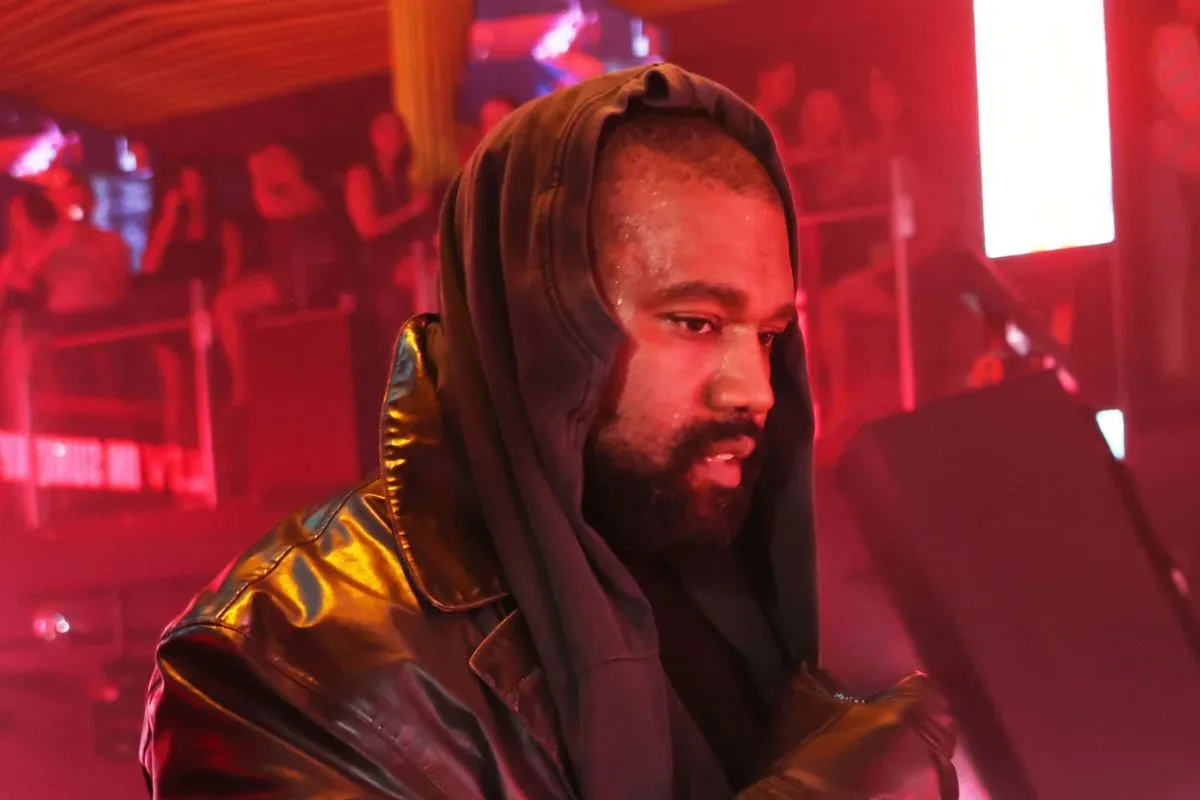

Lil Jon’s Remix Meditation has been nominated for a 2027 Grammy Award in the Best Audio Book, Narration, and Storytelling Recording category, putting a deeply personal project into a competitive field better known for spoken-word releases than his signature club records.
The nomination matters beyond the album’s unusual premise. Lil Jon had publicly urged Grammy voters to consider the studio contributions of his late son, Nathan Smith, who worked as an engineer on his father’s meditation recordings. Smith, who also performed as DJ Young Slade, died at age 27.
The Academy’s public nominee listing names Lil Jon. That is an important distinction: the nomination itself does not confirm whether Smith is individually eligible for a posthumous Grammy should the release win. Still, the category rules leave open a route for qualifying production personnel to receive a statuette, depending on their credited work and the amount of the recording they contributed to.
A nomination tied to a father-and-son creative partnership
Lil Jon has described Smith as far more than an occasional helper in the studio. Speaking with Monica Lewinsky, he said his son was the engineer he called when he needed to record and that the pair made many songs together.
That description gives the campaign around Remix Meditation its emotional center. Smith’s role was not presented simply as familial proximity to a famous performer; Lil Jon connected his son directly to the day-to-day recording process behind the meditation work. He also recalled Smith’s early remixes and his graduation from New York University.
Engineering is often an essential but less visible side of a recording. In broad terms, an engineer handles the technical work required to capture, shape and prepare sound. Depending on the project, that can mean recording a vocal performance, managing session audio, editing takes, balancing elements or helping turn material into a finished master. The available information does not specify exactly which of those tasks Smith performed on every portion of Remix Meditation. It does establish that he was involved in recording Lil Jon’s voice for these projects.
That makes the Grammy rules especially relevant. Award campaigns frequently center on the artist whose name appears in public-facing nomination lists, but recordings can be collaborative works whose creators occupy different technical and creative roles. Questions of credit, eligibility and compensation have become more prominent across music and entertainment, including disputes such as a recent case involving producer credit and AI vocal-payment claims. Smith’s situation is different, but it likewise underscores why formal credit records matter.
What the Grammy rule says—and what it does not establish
Under the rulebook for the 69th Grammy Awards, producers and engineers or mixers in this category can be eligible to receive an award if they worked on more than half of an entry’s playing time. The rule distinguishes those possible recipients from narrators and storytelling artists, who are the figures publicly named as nominees in the category.
Related coverage includes Lil Jon’s Remix Meditation Earns 2027 Grammy Nomination.
Put plainly, the eligibility threshold is based on the share of the finished recording’s running time, not simply on whether someone participated in a session or contributed to the larger project. “More than half” is a meaningful requirement. An engineer’s credited work must extend across a majority of the release’s playing time for that person to qualify under the stated rule.
There is no public confirmation here that Smith meets that threshold. The Academy’s nominee listing identifies Lil Jon, and the available details do not set out Smith’s track-by-track credits or the portion of the album he engineered. As a result, it would be premature to report that Smith has been nominated personally or that he would automatically receive a Grammy if Remix Meditation wins.
What can be said is narrower, and still significant: Lil Jon’s appeal asked voters to recognize work Smith helped him make; the project has now advanced to the nominee stage; and the rules provide a mechanism through which qualifying engineers or mixers can receive a statuette. Whether that mechanism applies to Smith depends on credits and eligibility decisions not established by the public listing.
From “Get Low” to guided meditation
Remix Meditation repurposes familiar Lil Jon material as guided meditation. The project includes reworked versions of “Get Low” and “Turn Down For What,” songs closely associated with an intensely energetic performance style. Reframing them for meditation is the central creative twist: familiar musical identity is being used in a calmer, guided format rather than abandoned altogether.
Lil Jon developed the album with Kabir Sehgal after earlier meditation recordings. That prior work provides the context for why this is not merely a one-off novelty reworking. The available record describes an ongoing meditation strand in Lil Jon’s output, now paired with songs that many listeners will know from a markedly different setting.
The category placement also helps explain why the entry is competing outside the Grammy fields listeners might first associate with a rapper, DJ and producer. Best Audio Book, Narration, and Storytelling Recording is focused on recorded spoken presentation and storytelling formats. A guided-meditation release can fit that framework because narration and vocal direction are core elements of the experience.
In that sense, the project’s technical side carries special weight. The voice has to be captured clearly and presented in a form that serves the recording’s guided purpose. Lil Jon’s account of relying on his son when he needed to record therefore speaks to the album’s structure, not only to its backstory.
A notably crowded spoken-word field
Lil Jon is joined in the category by an unusually recognizable group of nominees: Michelle Obama, Michael J. Fox, Dolly Parton, Tim Curry, and Paul McCartney with Morgan Neville. The lineup emphasizes the wide scope of the category, which can bring memoir, narration, storytelling and other voice-led recordings into the same race.
For Remix Meditation, the nomination is already a move beyond Lil Jon’s initial voter outreach. His request for consideration on Smith’s behalf came during the nomination-selection period. The Academy’s list now confirms that the album made it through that stage. A winner has not yet been selected.
That remaining uncertainty should not obscure the distinction between an award campaign and the award itself. Being named among the nominees is recognition by the voting process; receiving a Grammy would require the project to prevail in the final vote. And even if the recording wins, public information currently available does not resolve the separate matter of which technical collaborators would be recognized as recipients.
Why precise language around credit matters
There is a temptation with stories like this to compress every role into a simple headline: an artist is nominated, a collaborator is honored, and an award would belong to both. The facts are more specific. Lil Jon is the named nominee. Smith was an engineer on the meditation projects and the person Lil Jon says helped record him. The rules can permit eligible engineers and mixers to receive an award, but eligibility is contingent on their credited contribution exceeding half the playing time.
That precision does not make the personal story less affecting. It makes it clearer. Lil Jon has placed a public spotlight on the work he made with his son, and the nomination has given that work a place in the 2027 Grammy race. Smith’s legacy is part of the conversation because of a real creative relationship documented by his father—not because the public nominee list has conclusively settled every awards-credit question.
For listeners, Remix Meditation also represents a different way of encountering songs from Lil Jon’s catalogue. For industry observers, it is a reminder that recordings are built by more people than the names most prominently displayed on an award list. And for Lil Jon, the project’s Grammy recognition now carries the added meaning of a collaboration with his son, whose studio work he wanted voters to see.