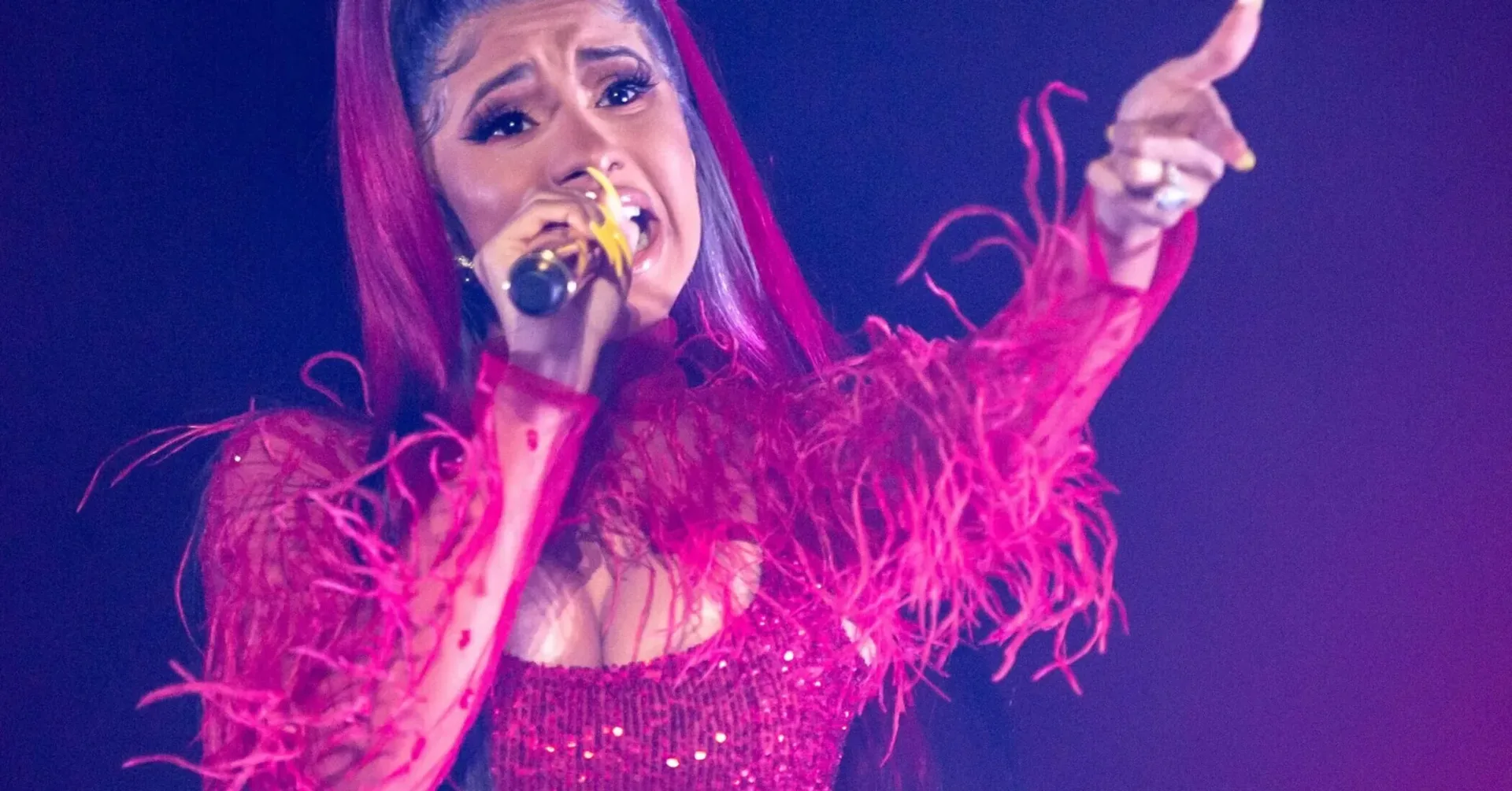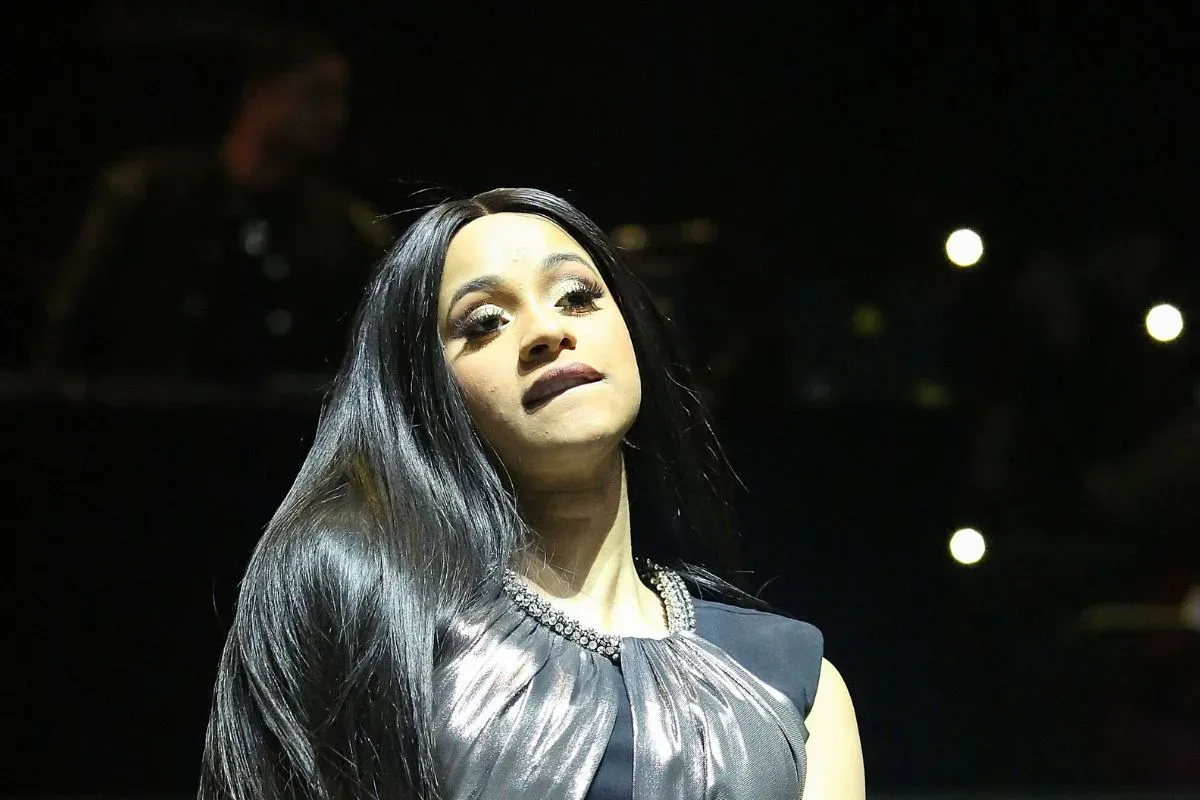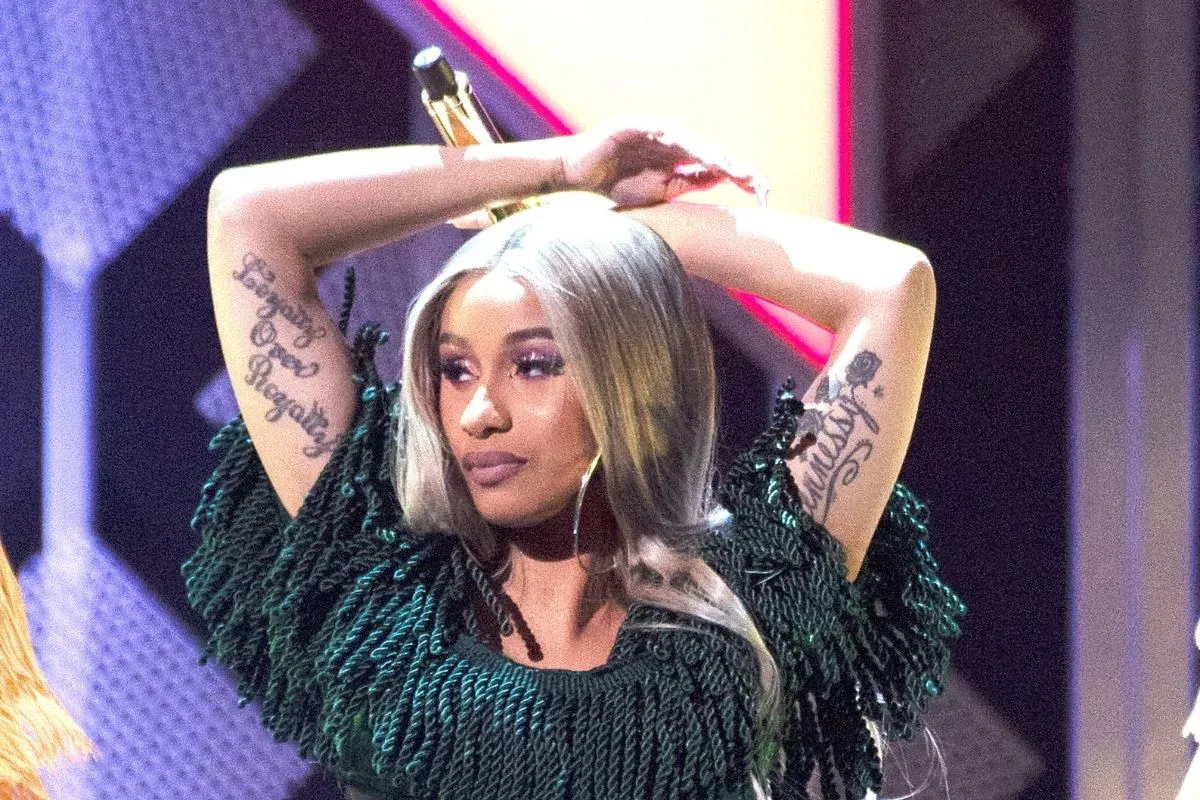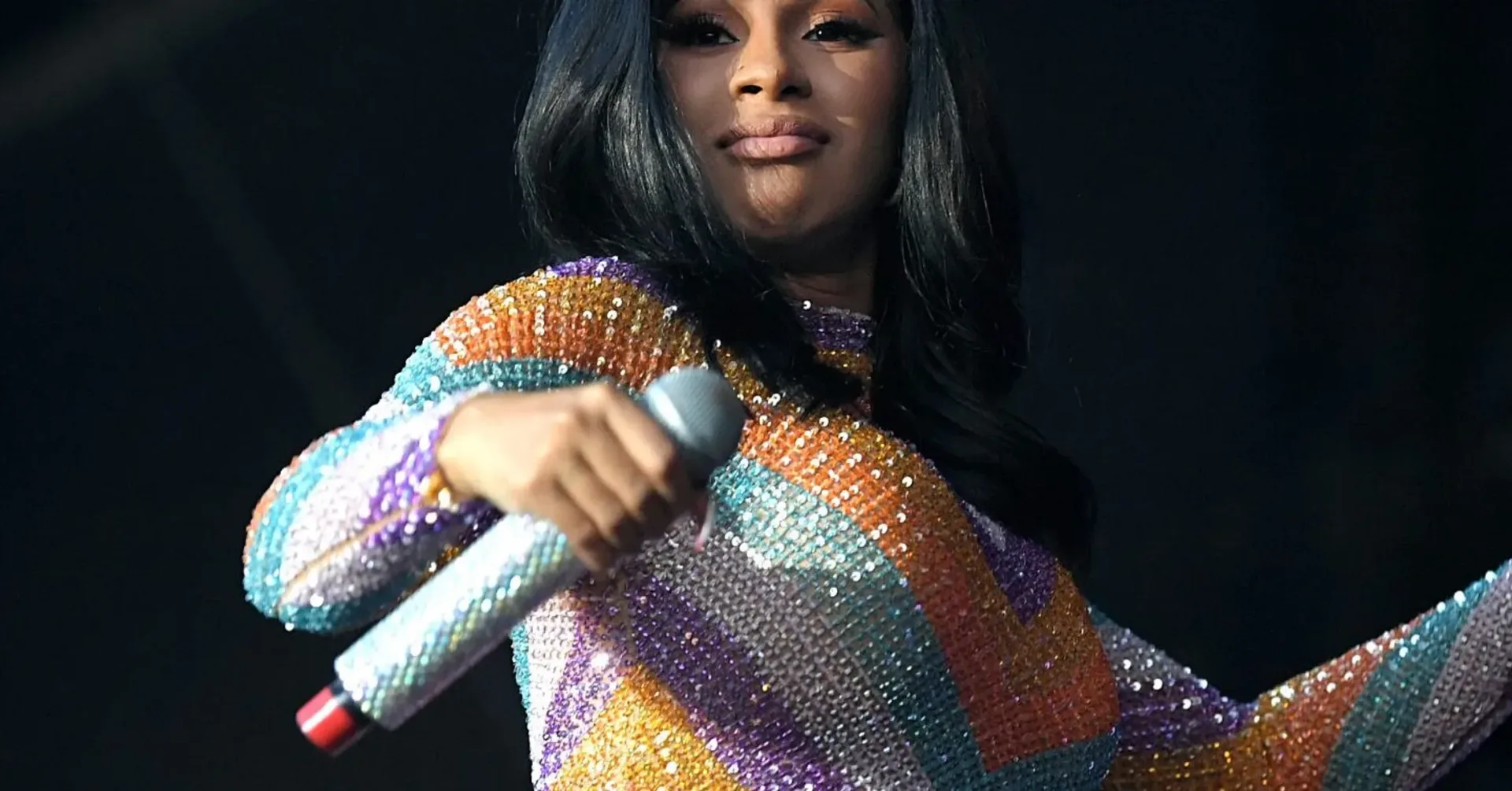
Janice Dickinson has delivered a severe verdict on Cardi B’s appearance at Vogue World: Milano, rating the rapper’s runway walk a 2 out of 10 after reviewing footage in a video of her own.
Dickinson’s criticism focused on Cardi’s stride and arm movement. In her assessment, the appearance did not demonstrate the technical style expected of a career runway model. She also made clear that she sees Cardi primarily as a rapper rather than a supermodel, even while acknowledging that celebrity appearances are used to help promote fashion.
It is an intentionally blunt reaction to an appearance that seems to have had a different purpose from the one Dickinson used as her standard. Cardi B took part in the Sept. 22 Vogue World event at Milan’s Galleria Vittorio Emanuele II as a celebrity guest in a program that mixed established runway talent with famous cameos. Jennifer Lopez and J Balvin were also among the celebrities included in the show coverage.
A runway critique meets a celebrity-fashion spectacle
Dickinson’s comments rest on a straightforward premise: runway walking is a learned professional skill, and a model’s walk can be judged on its control, rhythm, posture and use of the arms. Her objection was not merely that Cardi B is famous. Dickinson explicitly recognized the promotional value of putting celebrities in fashion shows. Her issue was that the walk, to her eye, was not performed with professional runway technique.
That is a coherent distinction, even if the 2-out-of-10 score is deliberately unforgiving. A traditional runway evaluation asks whether the person wearing the look moves in a way that presents the garment clearly and maintains the show’s intended pace and mood. The walk is part of the presentation: it helps determine how the clothing reads from a distance and on camera.
But a celebrity cameo can be judged by more than that technical checklist. In a high-profile fashion event, recognition, personality and the reaction generated by a guest appearance may all be part of the attraction. A celebrity does not necessarily enter that space to establish a conventional modeling career. The appearance can instead function as a fashion moment built around the celebrity’s existing public identity.
That framing matters here. The supplied event details describe Cardi B’s place in a show designed to include both professional models and celebrity participants. Dickinson assessed the performance as if it were a test of runway craftsmanship. Cardi’s inclusion, meanwhile, sat within an event format that made room for an entertainer’s appearance alongside the more traditional model role.
Cardi B wore an archival Versace design
Cardi B appeared in the event’s “Patterns” section wearing an archival Versace dress from the house’s spring 2018 collection. The pop-art dress incorporated vintage magazine-cover imagery and referenced earlier work associated with Gianni Versace.
Archival, in fashion terms, means a piece drawn from a designer or brand’s earlier body of work rather than a newly created current-season look. Using an archival garment can turn a runway appearance into a reference to a house’s design history as well as a showcase for the wearer. In this instance, the clothing itself carried a highly visible visual concept, combining Versace history with vintage-cover imagery.
That context does not settle the argument over the walk. It does explain why the moment cannot be reduced entirely to whether Cardi B moved like a full-time runway professional. The dress, the archival connection and the event’s celebrity-inclusive structure were all parts of the presentation.
Cardi B’s public response also suggested that she regarded the invitation as significant. In a post after the event, she thanked Anna Wintour and Donatella Versace, describing the opportunity as a dream and a moment she would not forget.
For Cardi, then, the immediate takeaway was gratitude and the scale of the opportunity. For Dickinson, it was a performance that failed a demanding technical standard. Both reactions can exist at the same time, because they are measuring different things.
This was not Cardi B’s first major runway appearance
The Milan event was not Cardi B’s first walk in a major fashion presentation. She made her runway debut in December 2023 at Balenciaga’s pre-fall 2024 presentation in Los Angeles. That appearance took place outdoors, with Cardi wearing an oversized blue fur coat.
The distinction between a debut and a long modeling résumé is important. One or more major-show appearances demonstrate that a performer has entered fashion’s runway space. They do not automatically make that performer a career runway model, nor do they prevent a former supermodel from criticizing the mechanics of the walk. Dickinson’s central point was exactly that: Cardi B should not be assessed as though being a star outside fashion instantly conferred the specialized technique of a supermodel.
Yet celebrity runway appearances are not necessarily trying to erase that boundary. They often depend on it. The interest comes from seeing someone known for music, film or another field step briefly into a fashion setting. That crossover can be memorable precisely because audiences bring the guest’s existing persona with them.
Cardi B is no stranger to headline-generating intersections between music, celebrity and style, and her fashion activity arrives as attention remains on her broader career. Readers following her music-business developments can also see the reported management changes around her third album.
What Dickinson’s score actually says
The 2-out-of-10 rating should be understood as Dickinson’s personal critique, not as an objective result issued by the event’s organizers or the fashion house. Her language was categorical: she criticized Cardi’s movement and argued that it did not look like a runway walk. It is a veteran model’s judgment of technique, delivered in a format built to be direct and entertaining.
There is no supplied indication that Cardi B responded to Dickinson’s video, that Vogue World reconsidered the appearance, or that Versace objected to Cardi’s participation. The available information instead shows an invited celebrity who was enthusiastic about being included, wearing a specific archival Versace look in a show with multiple celebrity cameos.
As a practical matter, the dispute is less about a factual disagreement than a disagreement over expectations. If the benchmark is polished, professional runway execution, Dickinson found Cardi B well short of it. If the benchmark is a star-powered appearance in a fashion event designed to blend music, celebrity and modeling, Cardi’s participation can still be meaningful without being presented as proof that she is a career model.
Dickinson did not soften her position, and Cardi B’s own reaction was distinctly positive. The contrast is the story: one participant saw a dream fashion opportunity; one former supermodel saw a walk that did not meet her standards.