James Gunn has offered a clear answer to one of the recurring debates around the new DC Universe: a shared setting does not mean every movie or series should function chiefly as an advert for the next one.
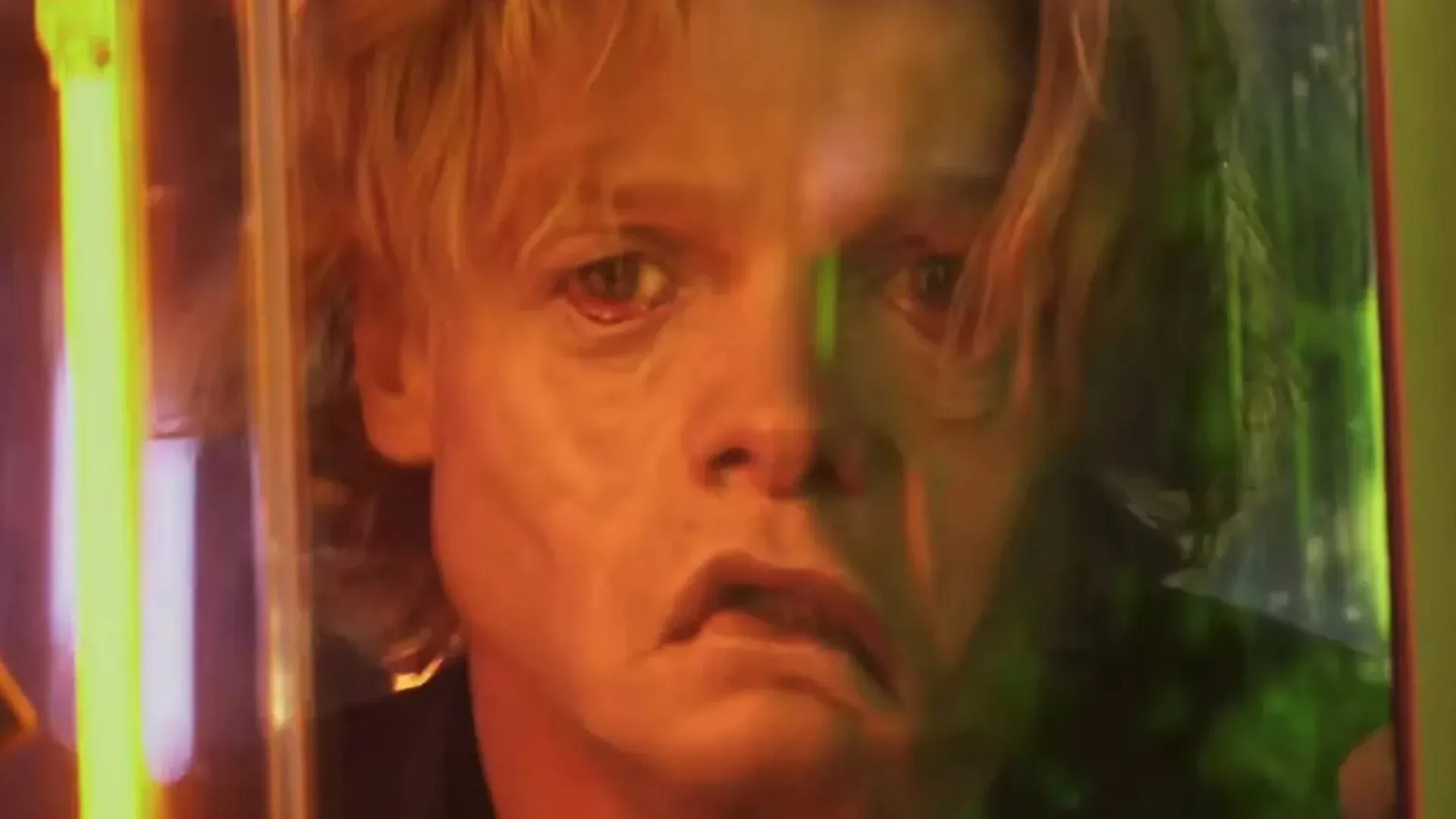
Responding to discussion online, the DC Studios co-chair said he rejects the idea that an individual installment lacks value unless it advances a larger crossover. His comments arrive as Clayface, an R-rated body-horror film centered on Matt Hagen and starring Tom Rhys Harries, enters the DCU conversation with a markedly different mood from the franchise’s other projects.
That difference is the point. Gunn’s description of the DCU presents it as an alternate universe that audiences can enter through different characters, places, and periods. The connective framework remains, but the project in front of viewers should have its own reason to exist.
“I dislike the idea that individual stories aren't meaningful unless they lead to something else,” Gunn wrote.
Clayface is meant to be a movie, not a trailer for another movie
Gunn’s most direct example was Clayface. He said he would prefer audiences to see it because it succeeds as “a great, fun horror movie” in its own right, rather than because they expect to learn where its title character might appear several films later.
That distinction gets at a useful, if sometimes blurry, difference in franchise storytelling. Connectivity means stories share continuity: locations, characters, past events, or consequences can overlap. Setup, by contrast, is material chiefly included to prepare an audience for a later installment. The two can coexist, but they are not interchangeable.
A character can inhabit the same universe as Superman, Peacemaker, the Creature Commandos, Supergirl, and the figures connected to Lanterns without every scene needing to signal a future team-up. In Gunn’s model, the immediate narrative is not supposed to be sacrificed to a roadmap.
That approach is especially relevant to Clayface, which brings a more adult, bloody body-horror sensibility into the DCU. Body horror is a horror mode that focuses on frightening or unsettling transformations of the body. It can be a natural fit for a character such as Clayface, while being quite far from the tone viewers may expect from a conventional superhero adventure. The film’s firm R rating further underlines that it is not trying to be a one-size-fits-all entry point.
There is still a shared-world appeal in the premise. The movie includes a new Gotham City as part of its setting, giving it a recognizable piece of DC geography while retaining its own genre identity. Gotham, then, can act as connective tissue without forcing the plot to become a delivery system for a broader crossover.
A universe with different doors in
Gunn compared the idea to the way Star Wars has told stories from different corners of its setting over decades. His broader argument is that a fictional universe can be coherent without moving in a single straight line.
For DC, that means tonal variety is not a side effect; it is part of the stated strategy. The current slate has moved across animation, superhero spectacle, action-comedy, drama and horror. Creature Commandos launched the DCU in animation, followed in theaters by Superman. Peacemaker Season 2, Supergirl, Lanterns, and Clayface came afterward.
For viewers, the practical implication is simple: there may not be one mandatory genre or one “correct” starting point. Someone interested in horror can approach Clayface as a horror story. Someone looking for animated ensemble material may begin with Creature Commandos. Someone seeking the central superhero thread can follow Superman’s path. A shared universe supplies extra context and recurring possibilities, but Gunn is arguing it should not turn each entry into homework.
That does not mean there is no larger direction. Gunn said the Superman-centered arc begins with Superman and continues into Man of Tomorrow, with characters introduced elsewhere appearing along that path. The key qualification is that those earlier projects are not reduced to prologues for it.
Put another way, the DCU is being framed as a network rather than a relay race. Certain works will have stronger links to particular future stories, while others can explore a genre, character, or setting on narrower terms. This should leave room for a Gotham-set tragedy to feel different from a cosmic or superhero-led installment while still occupying the same continuity.
Why the approach is dividing viewers
The criticism Gunn addressed is understandable. Interconnected franchises have trained audiences to look for the next junction: a surprise appearance, a post-credits reveal, a named villain, or an explicit announcement of a looming event. Limited crossover moments can therefore feel, to some, like a lack of momentum.
There are also several projects that invite questions about DC’s eventual intersections. Standalone Wonder Woman and Batman movies are planned, while The People v. Gorilla Grodd appears to be further along than many other projects. Yet Gunn’s remarks suggest that anticipation of an eventual crossover is not meant to override the identity of those projects.
That is a creative promise rather than a guarantee of how every viewer will respond. Some fans will want clearer milestones toward a Justice League-scale gathering. Others may see the absence of an immediate event as room for stronger self-contained films and series. Gunn is firmly siding with the latter priority: start with stories worth telling, and let shared-universe connections support them rather than define them.
It is also worth separating the DCU from DC’s Elseworlds label. Elseworlds stories are presented outside the main shared continuity, allowing separate interpretations of familiar characters and settings. The Batman Part 2 is identified as an Elseworlds sequel, meaning its place should not be treated as a clue to the DCU’s main-continuity Batman plans. The film remains slated for February 18, 2028, despite behind-the-scenes changes.
That distinction helps clarify why “DC” does not automatically mean one uninterrupted chain of plot obligations. The DCU is the interconnected universe Gunn and Peter Safran are overseeing; Elseworlds gives other projects space to remain separate.
What is next on the schedule
Gunn also provided a few status updates. Creature Commandos Season 2 is set to arrive after Man of Tomorrow premieres next year. Gunn said a small group has seen director’s cuts of Man of Tomorrow, and described an ongoing process of recutting during the week before showing the latest version to fresh viewers on Fridays.
A director’s cut in this context refers to a version being shaped by the director during post-production, before the final release version is locked. Gunn’s description indicates that Man of Tomorrow is still being refined, not that a final version has been announced.
For fans trying to map the DCU, the safer reading is not that every title must point immediately to one gigantic endpoint. The Superman saga has a defined forward path, and characters from other stories can join it. At the same time, projects such as Clayface are being asked to earn attention on their own terms: through a specific character, a specific genre, and a complete experience rather than a promise of connective payoff.
That philosophy may be more patient than the event-first approach some viewers expect. But it gives the DCU an opportunity to make its connections feel like additions to stories people already value, not the sole reason those stories were made. Readers looking for another current DC character story can also see how a new arc handles established mythology in this look at Daredevil #8 and Mr. Fear.