J.PERIOD and Josh Kun’s The Art of the Crossfade is heading back to New Orleans for the final stop of its four-city run. The rescheduled event is set for Thursday, December 3, at Music Box Village, following an October 10 postponement prompted by expected severe weather.
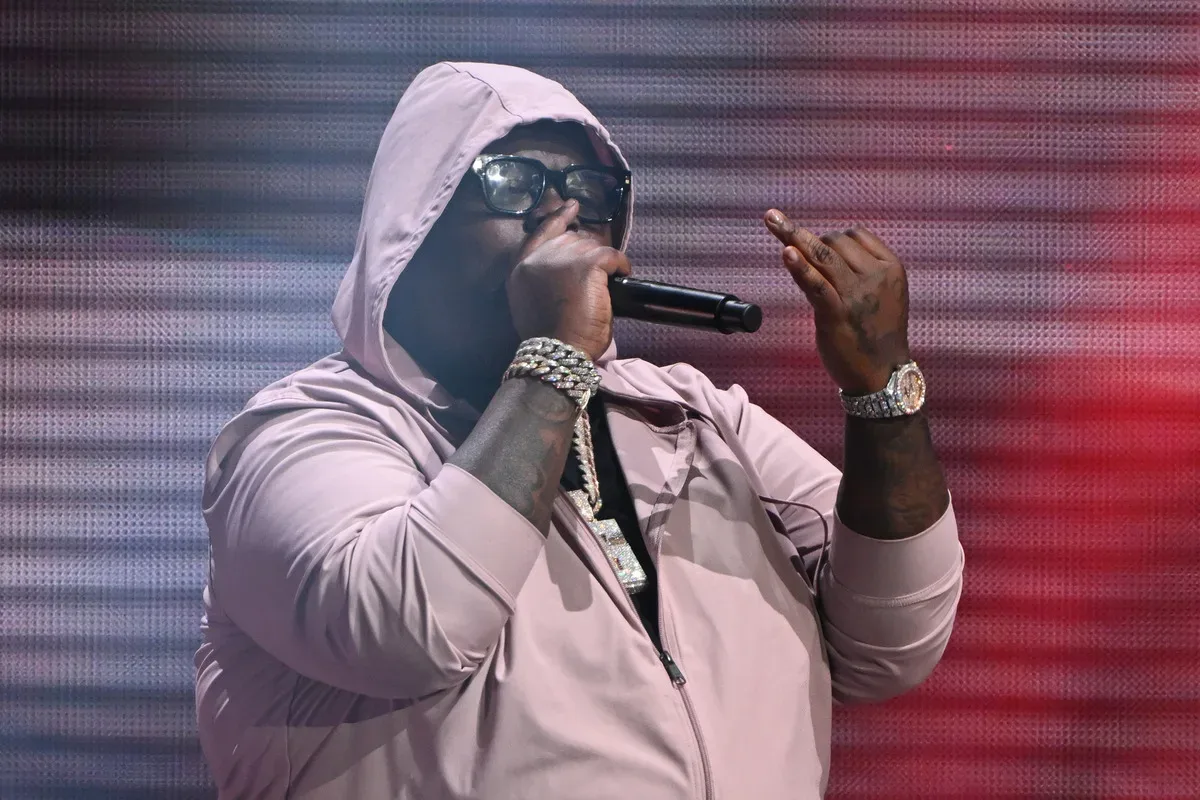
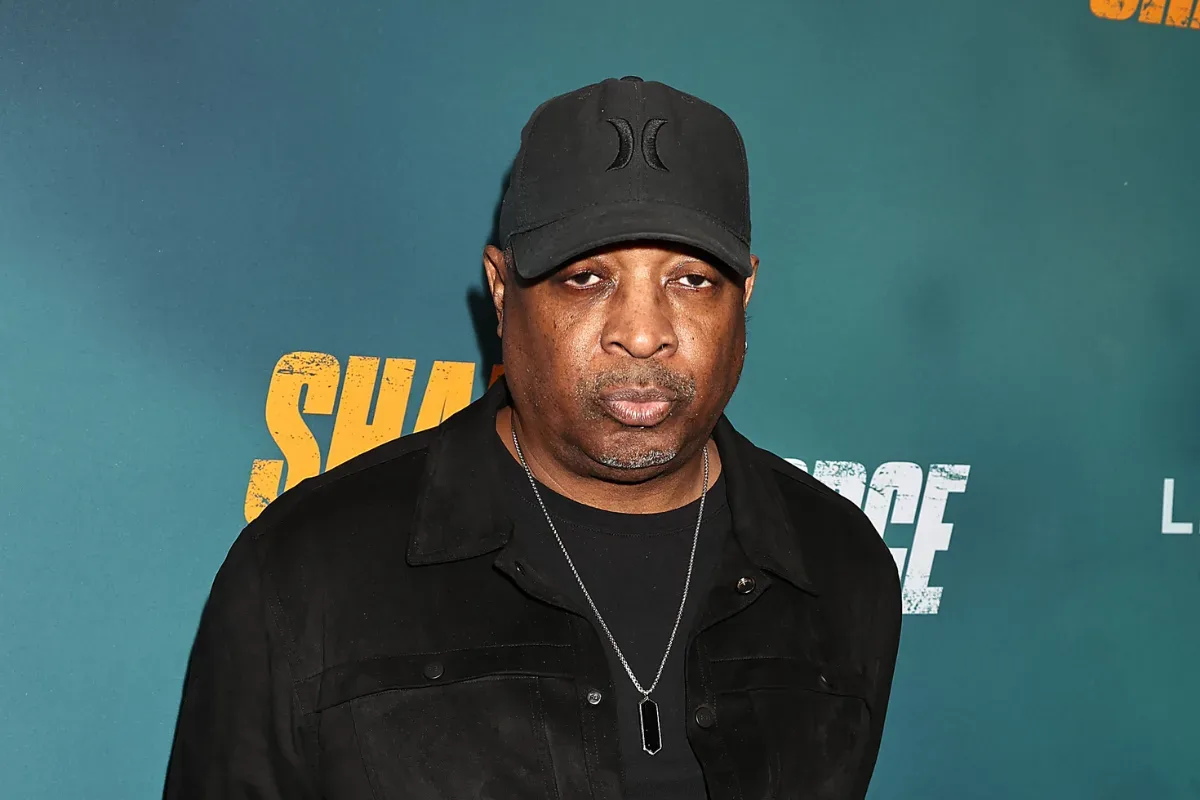
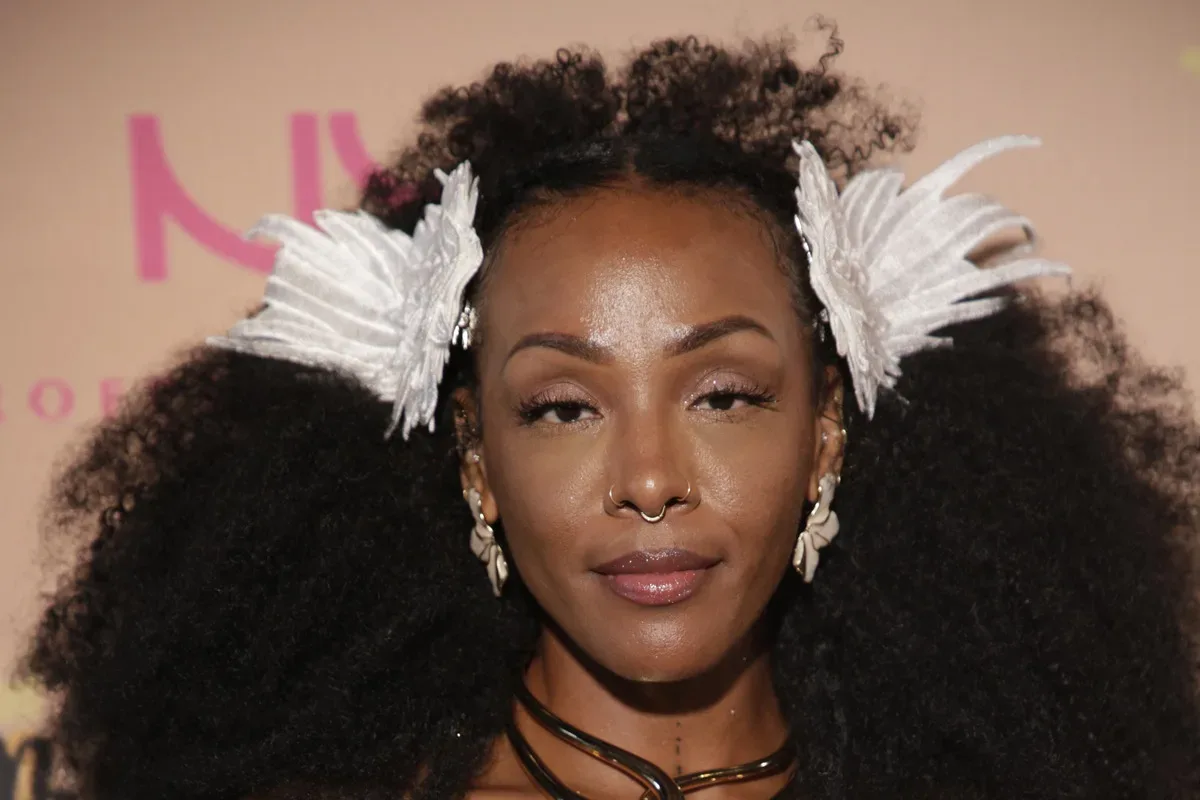
The New Orleans program is built around a particularly demanding idea: a hip-hop mixtape assembled live, onstage, in one take. Dawn Richard, Flagboy Giz and Pell are on the bill, alongside Leyla McCalla, Raj Smoove, Yusa and Girls Play Trumpets Too. The evening is free and open to all ages with an RSVP required; doors open at 6 p.m. and the program begins at 7 p.m.
A mixtape as a live event, not a finished file
The title points to a basic DJ tool with unusually broad creative potential. A crossfade is the transition between two audio sources: as one track is lowered, another is raised, allowing the music to move from one recording to the next without a hard stop. On a mixer, the crossfader is the control that adjusts the balance between those channels.
In a conventional set, that operation can be brief and almost invisible. But it can also change how a listener understands both songs. A vocal line, beat, mood or lyrical idea can carry from one selection into another; the new song may answer, complicate or redirect what came before it. The Art of the Crossfade starts with that musical action and asks what else can be brought into contact through a transition.
That framing matters because the planned New Orleans performance is not described as a simple sequence of guest appearances. It begins with a musical lecture and audience participation, then gives the stage to musicians, DJs and other voices from New Orleans. The concert’s intended form is participatory: contributions and perspectives are part of the material the evening connects.
The one-take element raises the stakes. A one-take performance has no promised reset, patch or later reconstruction built into its central premise. Decisions about selection, timing and sequencing happen in public. For a DJ-led work, that means the transitions are not merely between songs; they are also between the people, stories and performers who shape the night.
New Orleans returns to the itinerary
The original New Orleans date was postponed due to the severe-weather outlook. The new date restores the city to the schedule and makes it the tour’s closing stop. The project previously visited Phoenix in September and continued to Lincoln, Nebraska, in October.
There is a practical benefit to the reschedule beyond completing a planned itinerary: the show retains its local focus. The New Orleans lineup brings together a mix of artists and DJs, while the audience-participation structure makes room for voices beyond a standard top-down concert bill. That is especially important for an event whose stated subject is how cultural material can be placed in dialogue rather than simply played back-to-back.
Dawn Richard’s appearance gives the finale a notable New Orleans connection, while Flagboy Giz, Pell, Leyla McCalla, Raj Smoove, Yusa and Girls Play Trumpets Too expand the roster of contributors. The event details do not specify the individual roles, songs or collaborations planned for each participant, which fits the underlying live-mixtape concept: the shape of the one-take piece is meant to emerge in the room.
Audience stories are part of the format
The road version of The Art of the Crossfade builds on an idea J.PERIOD and Kun presented to a TEDx audience in 2014, before taking it into a touring format. Its Los Angeles opening in July offered a useful illustration of how the show can work: attendees were asked to bring a song that told their own story. J.PERIOD mixed those submissions in real time and incorporated some of the songs and stories into the performance.
That approach treats a song as more than a track title or an isolated audio file. A listener’s reason for choosing it can be as significant as the recording itself. In practical terms, it gives the DJ an added challenge. The mix has to make musical sense, but it must also respect the human context attached to a selection. A song’s transition point may become a transition in biography, geography, memory or community.
It also distinguishes the project from a playlist. A playlist can gather music around a theme, but the order is usually fixed before a listener presses play. Here, the ordering and the connective tissue are performance. The audience is not only receiving a finished curatorial argument; it can help provide the material from which that argument is made.
Improvisation has long been part of J.PERIOD’s public work
The live construction at the center of this tour has precedent in J.PERIOD’s earlier performances. In 2010, J.PERIOD and Black Thought turned a Toronto festival set into a recording. Black Thought performed over live remixes and incorporated impressions of some of his favorite rappers, turning the performance into something built through response, reference and immediate reinvention.
That history helps explain why a one-take mixtape is more than a technical stunt. Live remixing can emphasize connections that might be flattened by a conventional concert format: the relationship between an MC and a beat, the character of a vocal delivery, or the lineage implied when one performer invokes another. In the New Orleans show, the same basic sensibility is being applied to a wider collection of performers, local voices and audience participation.
Why the live format matters now
The appeal of a live crossfade event is partly its impermanence. A recording can preserve a performance, but it cannot fully reproduce the decisions made in response to a crowd, the timing of an entrance or the particular associations listeners bring into the space. A one-take format foregrounds those conditions rather than hiding them.
It also offers a useful counterpoint to music technology’s current emphasis on frictionless alteration. Digital tools can make a remix, blend or transition feel instantaneous, while leaving open larger questions about permission and creative responsibility. Those questions are central to the debate around automated remix features, including the artist-consent concerns surrounding AI remix tools. The Art of the Crossfade is a different kind of proposition: a public, human-led performance in which the act of connecting music is visible and accountable to the people in the room.
That does not make every transition predictable. Quite the opposite. The format depends on the possibility that a juxtaposition will reveal something unexpected. The audience arrives with their own listening histories; the invited artists bring distinct practices and perspectives; the DJ’s job is to find a path across that material without pretending the differences do not exist.
What attendees need to know
- Event: The Art of the Crossfade
- Date: Thursday, December 3
- Venue: Music Box Village, New Orleans
- Doors: 6 p.m.
- Start time: 7 p.m.
- Admission: Free and open to all ages; RSVP is required
- Featured participants: J.PERIOD, Josh Kun, Dawn Richard, Flagboy Giz, Pell, Leyla McCalla, Raj Smoove, Yusa and Girls Play Trumpets Too
For the tour’s last date, the promise is straightforward but ambitious: not just a concert with a hip-hop frame, but a mixtape whose transitions are made in the open and only once. After the weather-delayed original date, New Orleans now gets the closing chapter—and the audience is positioned as part of the mix rather than merely an observer of it.