The fourth annual Hip Hop Grandmaster Awards brought several foundational figures in rap and its surrounding culture together in Las Vegas, where The D.O.C. and Kurtis Blow received Grandmaster honors. Nile Rodgers was presented with the Quincy Jones Achievement Award, while Ralph McDaniels received the Contributor Award.
Held at the Bellagio’s Tower Ballroom, the event drew roughly 500 attendees and was hosted by Roxanne Shanté and Jay Pharoah. Its format was bigger than a sequence of acceptance speeches: it connected artists whose work shaped early rap records, the sound sampled and reworked around the genre, and television outlets that gave hip-hop wider visibility.
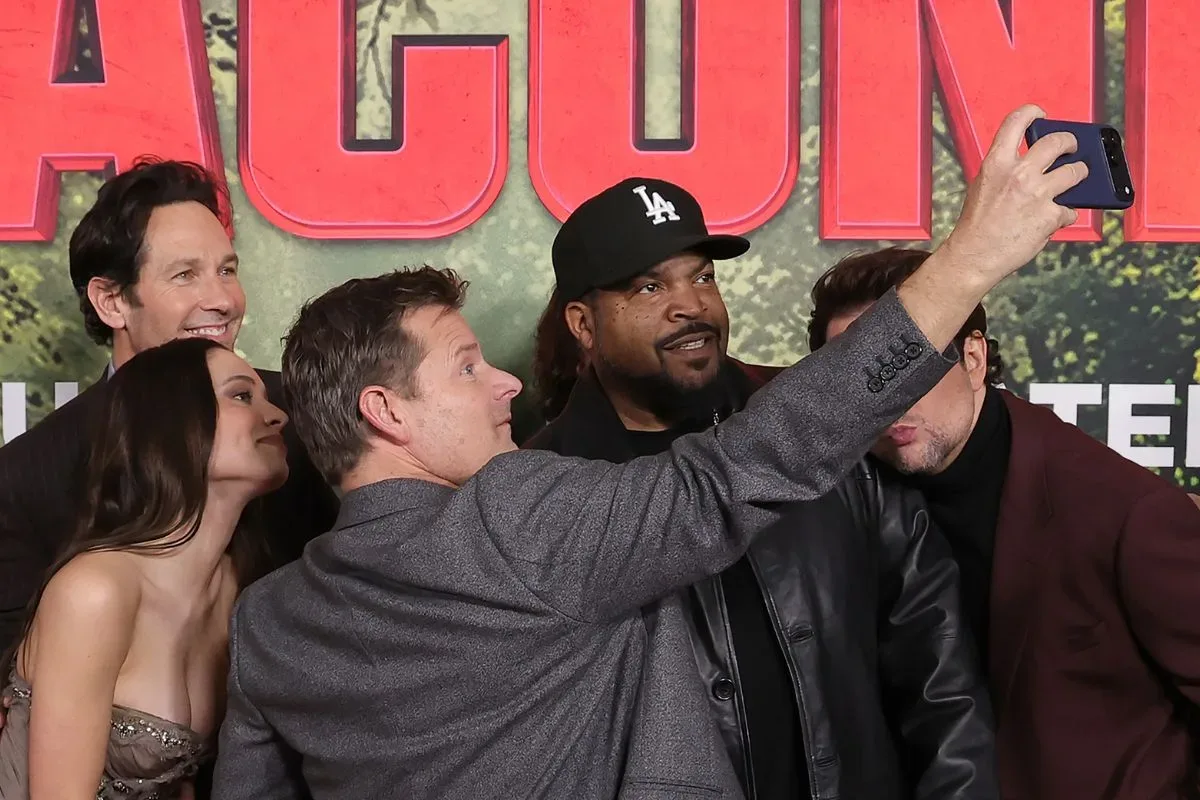
Ice Cube introduced The D.O.C. and emphasized the rapper and writer’s impact on West Coast rap. Recalling The D.O.C.’s “It’s Funky Enough,” Cube said, “He asked, ‘Y’all ready for this?’ and we weren’t.” The line framed the recognition around an artist whose influence reaches beyond one recording career.
The D.O.C.’s influence and a possible AI-assisted return
The D.O.C. has continued to play a meaningful role in music despite the 1989 car crash that damaged his voice. At the awards, he said he encouraged Snoop Dogg to strive for greatness. His longtime work alongside major artists, including Snoop Dogg and Dr. Dre, was also a key part of the picture presented around the honor.
He has previously raised the possibility of using artificial intelligence to restore the sound of his recorded vocals for new music. That is an ambition, not a confirmed release plan, and it is important to keep the distinction clear. There is no new The D.O.C. project or timetable established by the information available here.
In this context, AI refers to computational systems that can analyze audio patterns and generate or alter sound. Applied to vocals, the goal may be to create a performance that resembles a particular voice. The technical possibility is only one part of the question, however. Creative control, consent, authorship and the treatment of a performer’s identity are equally consequential when technology is used to revisit an artist’s voice.
The D.O.C.’s interest is especially notable because it is tied to the loss caused by his crash, rather than simply to a novelty use of the technology. But interest should not be mistaken for a finished method or an assurance of artistic success. Any future result would depend on choices about how the voice is modeled, how closely it is directed by the artist, and whether the music itself has something new to say.
The broader music and entertainment industries are still working through those questions. The care needed around AI-generated material also extends beyond sound recordings, as disputes involving AI-created work in other creative and professional settings have demonstrated. Recent scrutiny of AI-generated legal material is a separate issue, but it underlines a useful principle: outputs made with automated tools still require accountable human oversight.
Honoring the records, sounds and platforms behind rap’s growth
Kurtis Blow’s recognition points directly to rap’s early commercial milestones. His “The Breaks” became the first rap single certified gold in 1980. A gold certification marks a sales achievement, but the importance of that moment is also cultural: it showed that a rap recording could reach a commercially significant audience during a period when the genre was still fighting for conventional industry recognition.
Rodgers’ award reflects another essential part of hip-hop history: the music that artists and DJs turned into the genre’s building blocks. His work with Chic helped provide the sound behind “Rapper’s Delight.” That connection is a reminder that hip-hop’s recorded history is not solely a story of MCs. It also involves musicians, arrangers, producers and the foundational recordings that became material for new songs.
Sampling, in simple terms, is the reuse of part of an existing recorded work in a new recording. The relationship between Chic’s “Good Times” and “Rapper’s Delight” is an enduring example of how a groove could travel into rap and help establish an early landmark. Rodgers later performed with Chic at the ceremony, while Grandmaster Caz joined a performance bringing “Good Times” and “Rapper’s Delight” together.
McDaniels’ Contributor Award recognized an equally important route through which the culture expanded: television. His work on “Video Music Box” helped bring rap to TV. Before every listener had immediate access to an endless online library, a program with the willingness to show hip-hop could be a meaningful point of access for artists and audiences alike. Recognition for that work broadens the definition of who helped build the culture, making room for people behind a platform as well as people in front of a microphone.
Why recognition and funding are being paired
The awards program includes a reported five-year, $500,000 grant. The financial element matters because pioneering work does not automatically translate into lasting security. A public tribute can correct the historical record and give elders their due; direct resources can address a different, more practical need. Neither function replaces the other.
That idea has been part of recent conversations involving Nas, Grandmaster Caz, Steve Stoute and Ben Horowitz: financial assistance alone does not fully account for what hip-hop pioneers may have missed, while public recognition alone cannot solve material concerns. The awards’ structure attempts to hold both ideas together.
There is value in that approach beyond the night’s honorees. It makes a wider argument about authorship and cultural memory. Rap’s development depended on performers, writers, DJs, musicians, broadcasters and organizers, and a history that only remembers the most marketable names will be incomplete. Giving those contributors a stage helps preserve a more accurate account of how the music reached its present scale.
The evening’s performances reinforced that point rather than treating the awards as a purely retrospective affair. Johnny Gill sang “My, My, My,” while Rodgers and Chic performed, and Grandmaster Caz appeared for the “Good Times” and “Rapper’s Delight” combination. The music connected a celebration of legacy to songs that remain active reference points in popular culture.
Education plans connect music, gaming and technology
The D.O.C. and business partner Chris Gannett have also outlined plans for the Dream Experience Academy in Dallas. The proposed effort is aimed at students in grades seven through 12 and would help them explore careers in music, gaming and technology.
That combination is practical. Modern creative work often crosses the boundaries separating those fields: music can be made for games, game production involves technical and artistic roles, and digital tools shape how work is produced and distributed. For young people considering the entertainment business, exposure to several pathways can be as valuable as a narrow focus on being a performer.
The available details describe plans and goals, not an operational curriculum, enrollment process or launch date. Still, the stated mission complements the awards’ central message. Honoring those who created opportunities in earlier eras has greater long-term force when younger people are also invited to understand the range of work that sustains a creative field.
The Las Vegas ceremony therefore recognized more than a short list of achievements. The D.O.C.’s honor acknowledged a legacy that includes his own music, his work with other artists and his cautious exploration of what AI might make possible. Blow, Rodgers and McDaniels represented key parts of rap’s path through commercial records, musical foundations and television exposure. Paired with grant funding and educational ambitions, the event positioned preservation of hip-hop history as work that should have consequences in the present.