Heated Rivalry has taken a familiar streaming-era ritual—revisiting favorite episodes alone at home—and moved it somewhere louder. Fans gathered at Regal Sherman Oaks Galleria in Los Angeles for a theatrical presentation of the first season’s penultimate and final episodes, marking the series’ one-year anniversary while its second season remains in production.
The turnout was not for a newly released feature film, but the atmosphere sounded much like an opening night. Attendees arrived in Boston Raiders and Montreal Metros shirts, used special-edition popcorn buckets and soda cups, and responded audibly throughout the screening. Laughter, cheers and emotional reactions gave viewers something a repeat watch on a personal screen cannot readily offer: immediate confirmation that other people are feeling the same beat at the same time.
That communal response helps explain why a show people have already watched repeatedly can still become an event. The theatrical release did not alter Season 1’s story. Instead, it changed the conditions around it: a larger image, a louder sound system and an audience primed to recognize every charged glance, joke and emotional turn.
A romance built around rivalry—and secrecy
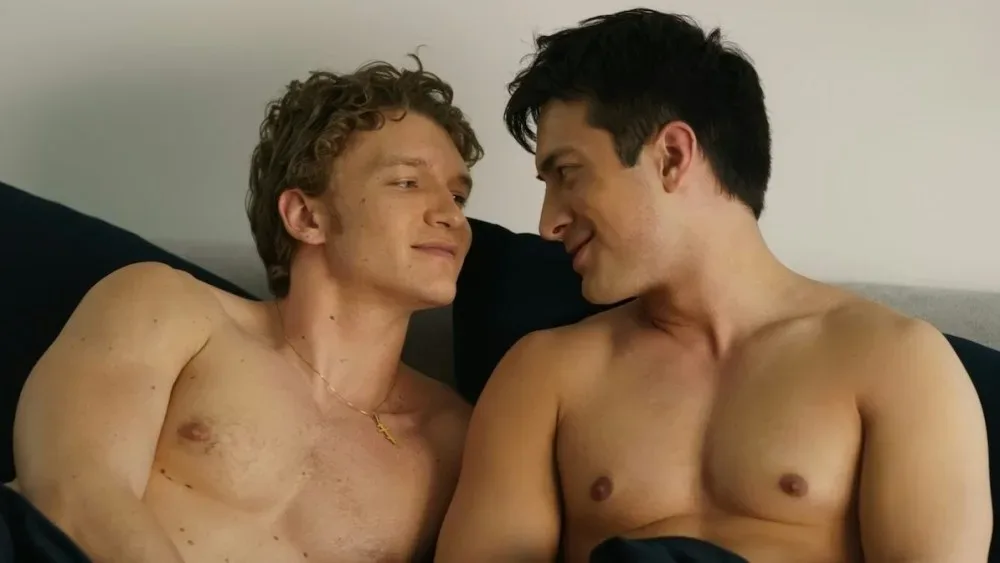
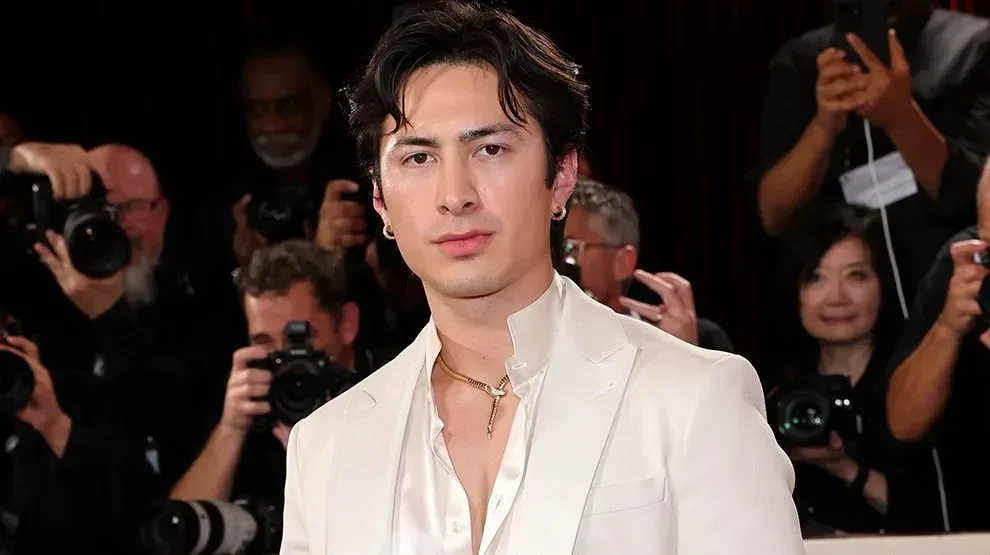
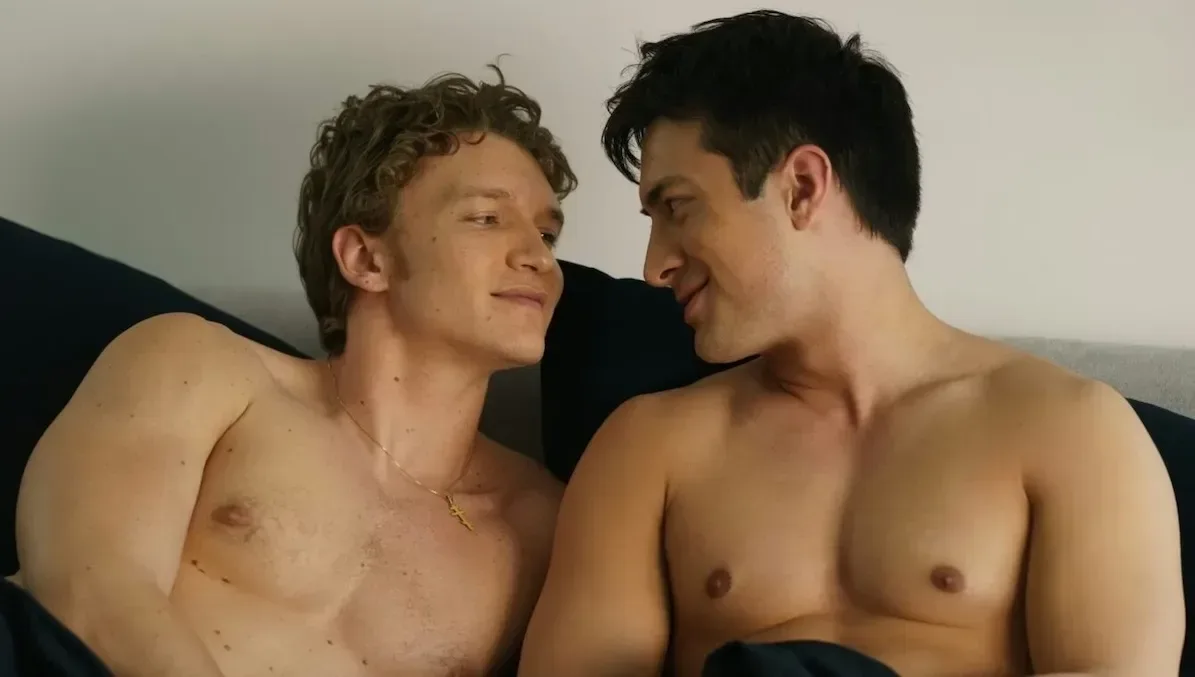
Adapted by Jacob Tierney from Rachel Reid’s bestselling Game Changers books, Heated Rivalry follows hockey stars Shane Hollander, played by Hudson Williams, and Ilya Rozanov, played by Connor Storrie. Their relationship unfolds over years while the players are rivals, placing its central romance under the pressure of professional competition and secrecy.
That premise supplies the show’s sporting identity, but fans at the screening focused most strongly on the love story. For them, the hockey rivalry is not merely a backdrop or a branding hook. It raises the stakes around two people whose careers and public identities make openness difficult. The appeal described by attendees was the gradual development of the relationship, rather than a single sensational premise.
Several viewers specifically framed the series as a queer love story with unusual emotional force. One fan said the show had made them hopeful about romance; another emphasized the value of seeing queer joy explored as the relationship continues. Those reactions make clear that the audience’s attachment is not limited to plot curiosity. They are invested in Shane and Ilya being allowed a future together.
That is especially relevant as Season 2 is being made. Readers who subsequently picked up Reid’s books may know where the source material heads, but an adaptation is still its own performance-led experience. The draw, as the audience described it, is not simply discovering what happens next. It is seeing Williams and Storrie carry the next emotional phase on screen.
Why repeat viewing looked different in a cinema
Repeat viewing can often become a hunt for details that passed unnoticed the first time. At the Sherman Oaks screening, that took on a literal dimension. Fans said the scale of the screen and the theater sound exposed small visual and audio touches they had overlooked at home, from minute facial expressions to the sound of Ilya’s necklace in certain scenes.
Related coverage includes ‘Heated Rivalry’ Fans Turn a Season 1 Theatrical Return Into a Communal Celebration.
That observation is useful because it identifies what “big-screen” presentation changes. It is not only a matter of a picture being physically larger. A close-up occupies more of a viewer’s field of vision, so subtle expressions can become harder to ignore. Likewise, theater speakers can make quiet sound effects, score cues and song choices feel more present within a scene.
In screen storytelling, a score is the original music composed or assembled to support the drama, as distinct from individually selected songs that may appear on the soundtrack. Both can shape how an audience reads a moment: music may build anticipation, underline intimacy or preserve tension after dialogue ends. Fans at this presentation repeatedly singled out the show’s music and score as major reasons the theater format worked for them.
The response does not prove that every TV series needs a cinema run. But it does show a practical case for selecting episodes that have already accumulated a devoted audience. The final stretch of a season has built-in advantages: viewers understand the relationships, know the dramatic pressure points and can react to them without needing an introduction. In this instance, the penultimate and final episodes offered a concentrated version of the show’s appeal.
The audience becomes part of the presentation
Streaming encourages private, on-demand viewing. A theatrical re-release reverses that dynamic. People must commit to a place and time, and their reactions become part of the evening. One attendee described the pleasure of hearing people giggle, laugh and sniffle around them after the series had largely been watched in isolation.
For a romance, that matters. A pause can draw a knowing laugh; a moment of vulnerability can produce a collective hush. A theater cannot guarantee that every audience will react the same way, but shared viewing makes emotion visible. Fans are no longer merely revisiting scenes; they are witnessing which moments have become communal landmarks for other viewers.
The clothing and concession items also turn an ordinary screening into a small fandom gathering. Raiders and Metros shirts let attendees signal their connection to the fictional hockey world before an episode begins. Poster-art popcorn buckets and themed cups operate as souvenirs, but they also make the occasion feel distinct from a standard trip to the movies.
For fans who wanted to support the series and its stars, buying a ticket had an additional meaning. One attendee said they wanted to contribute financially to the success of the show as well as Williams and Storrie. That sentiment captures why theatrical events can matter beyond the mechanics of exhibition: they offer a tangible, public way to demonstrate demand while viewers wait for more episodes.
Screen scale is not the only appeal
The cinema’s scale was a frequent talking point, but the event was just as much about focus. At home, a viewer can pause, scroll, message friends or drift away from a scene. In a theater, the room organizes attention. The story moves forward at the same speed for everyone, and the audience is asked to sit with every emotional transition.
That may be particularly valuable for a series whose fans praise its character chemistry. Chemistry is an informal term for the believable pull between performers: the sense that their characters’ attraction, comfort, conflict or affection feels convincing on screen. It cannot be reduced to a technical specification, but viewers often identify it through body language, timing, eye contact and the way performers respond to each other in quiet moments.
Fans at the screening repeatedly attributed the show’s impact to the connection between Williams and Storrie. Their enthusiasm was hyperbolic in the affectionate way fandom enthusiasm often is—one person joked that the pair had “invented chemistry”—but the underlying point was consistent. The performances make the romance feel emotionally credible to this audience, and the theatrical setting gave them a new way to appreciate that work.
This is also why the event is more than a promotional curiosity. A large-format revisit can reward close attention without requiring new plot information. The viewer knows what is coming, so the attention shifts to construction: a look held a second longer, a piece of music entering at a decisive moment, or a line landing differently when an entire room reacts.
What the screening says about event re-releases
The Heated Rivalry showing sits within a broader idea of repertory and event programming: bringing an existing work back to theaters not because it is new, but because a particular audience wants to experience it together. There is value in treating a beloved series as a destination viewing experience rather than as content that permanently lives in a queue.
That does not mean home viewing has failed. The fans at Sherman Oaks had already formed their relationship with the show through repeat watches outside the theater. The cinema event worked precisely because there was an established audience ready to reconvene. It added an occasion to a story viewers already knew.
There is a parallel in the renewed big-screen life of older films, where a return can emphasize a work’s audiovisual craft and invite people to meet it with an audience rather than alone. For another example of how a reissue can preserve a title’s original identity instead of trying to modernize it, see this look at The Host returning in 4K.
For Heated Rivalry, the immediate practical implication is straightforward: the appetite for Season 2 is already being expressed in public, not just through private rewatches. Fans at the screening largely spoke about wanting to see Shane and Ilya together, emotionally tested but united, with their story continuing to explore queer joy even as secrecy remains part of their circumstances.
Season 2 does not yet have a release date in the supplied information, and the theatrical presentation should not be read as a substitute for an update. What it does provide is a vivid measure of the audience’s commitment. Viewers who have seen Season 1 many times still found new details in it, still laughed and cried with strangers, and still wanted to turn the wait for the next chapter into a night at the movies.