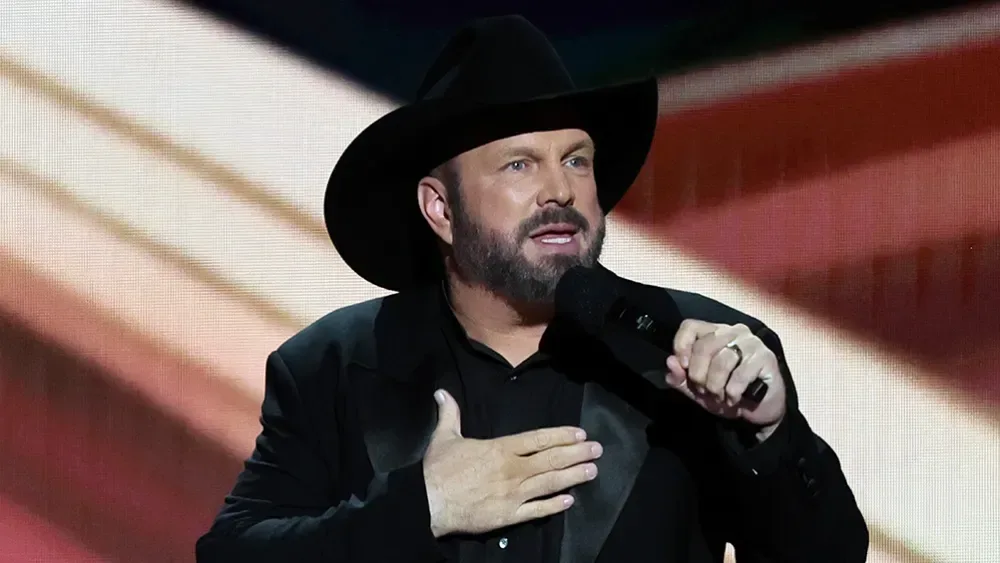
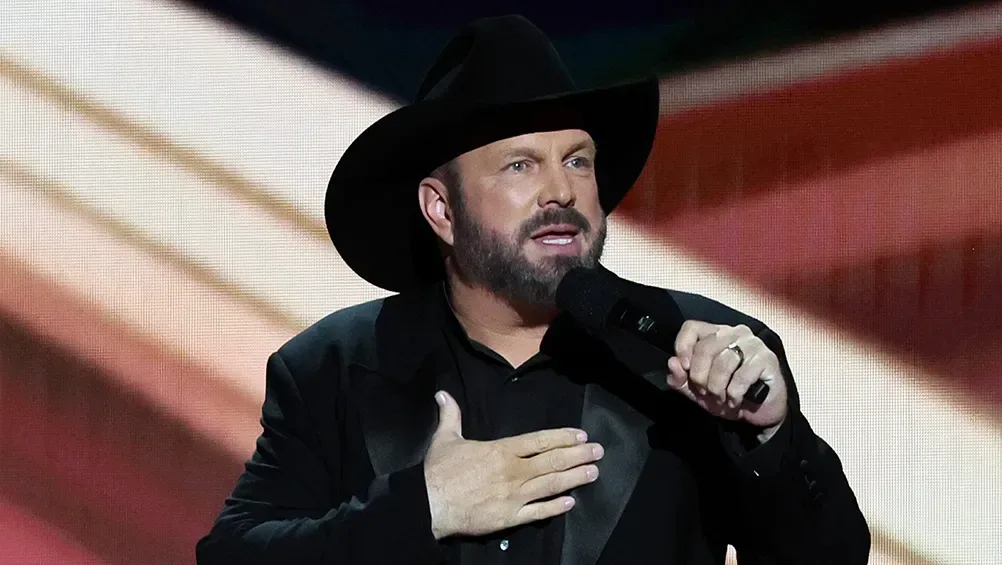
Garth Brooks’ Sevens Network, LLC is planning a move into Nashville radio with the proposed purchase of the 100.1 FM position currently used by WRLT-FM, better known as Lightning 100. The intended result is a new country outlet, described as FM-100, built around a mix of foundational country artists and younger performers.
The proposed transaction is not complete. It requires approval from the Federal Communications Commission, or FCC, the U.S. agency that regulates use of broadcast spectrum. Until that approval arrives, Lightning 100 will remain at 100.1. The plan, if cleared, is for Lightning 100 to continue its adult-alternative, or triple-A, format on Cromwell Media’s 106.3 FM and 102.5 FM HD3 frequencies.
That distinction matters. This is not being presented as a case of one format simply erasing another. Brooks’ company would acquire the 100.1 position for its country project, while Lightning 100 would move nearby on the dial and retain its identity. For listeners, the practical promise is continuity for an established eclectic and indie-leaning station alongside a new country service with unusually broad stated ambitions.
What Brooks says FM-100 is meant to be
Brooks has framed the station as a service for Nashville residents, local businesses, visitors and tourists before it becomes anything larger. Its proposed programming would combine terrestrial radio—the conventional over-the-air FM broadcast—with digital radio. He has also said the longer-term objective is a 24-hour global operation that can bring country music to audiences beyond the places where the genre is already established.
At its core, though, the pitch is local. Brooks has criticized the prevalence of pre-recorded national programming, particularly when it leaves a city’s listeners short of timely human-delivered information during an emergency. His proposed answer is a station where people can hear real-time local updates from actual on-air staff.
There is an important limit to what has been announced: no schedule, staffing roster, launch date or complete programming plan has been detailed. The FCC approval is also still pending. The known commitment is an intended blend of music, local information and digital reach, rather than a finalized blueprint for every hour of the station.
A country format that spans eras
Brooks describes the musical scope as bringing country’s “legends,” established stars and future stars into the same home. That gives FM-100 a different stated focus from a station built solely around the newest singles. The goal is not just a historical playlist, nor just a current-hits outlet, but an intergenerational presentation of the genre.
That approach has a practical implication for listeners: the station intends to treat country music as a continuing story, with older recordings and emerging artists occupying the same format. Whether that balance will be reflected evenly across dayparts or special programming is not yet known. Still, the stated mission establishes a wider frame than a simple rotation of current releases.
The proposal also arrives amid wider conversations around airplay, selection and gatekeeping in music. For another recent look at debate surrounding song choices and audience attention, see this discussion of a disputed single choice. FM-100’s stated mission makes its own editorial priorities central to the story: the station says it wants to elevate artists and local needs rather than chase a narrowly defined reporting role.
Women are central to the stated programming mission
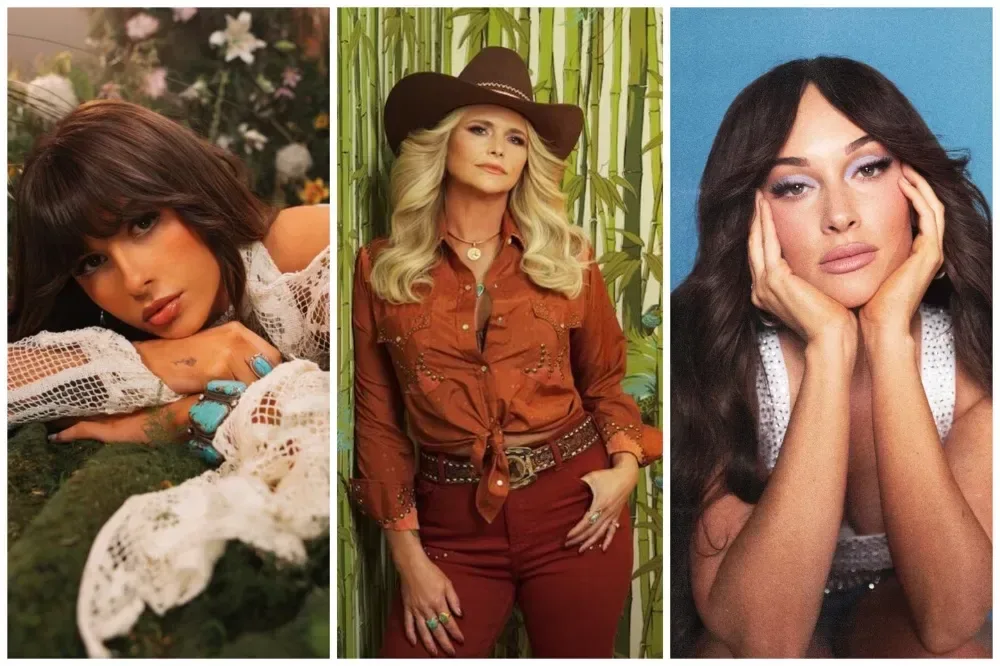
The most specific musical commitment in the announcement concerns female country artists. Brooks says FM-100 will make deliberate room for women who helped establish country music as well as women working today. The station’s own description says female artists have historically received significantly less country-radio exposure than male counterparts, and Brooks argues that both women and men are necessary to tell country music’s full story.
The timeframe he identifies is expansive, stretching from women artists of the 1960s through contemporary performers. That does not amount to a published airplay quota, and no individual artist list has been announced. It is, however, a clear statement of intent: women will not be treated as an occasional add-on to a male-dominated country format, but as a defining piece of the station’s proposed identity.
The distinction is meaningful because radio programming is not merely background listening. It decides which songs recur, which performers are connected to new listeners and which parts of a genre’s history remain readily audible. A commitment to play women across multiple decades would position their work as part of the core narrative of country music, not just a retrospective feature or a separate specialty program.
What “not a reporting station” means here
Brooks has said FM-100 does not intend to be a “reporter,” using the term to distinguish the project from stations whose airplay contributes to industry charts and trade tracking. In plain terms, a reporting station is one whose spin data can help document which songs are receiving radio exposure for industry purposes.
His stated position is that FM-100 will prioritize service to Nashville over participation in that system. That should not be mistaken for a claim that the station will avoid current music; it has explicitly promised younger artists alongside established names. Rather, it signals that chart-reporting status is not being presented as the governing objective for its music choices.
Brooks also says the station is not meant to compete with Nashville’s existing local channels, but to promote what those outlets are doing. The eventual reality will depend on programming choices after the deal is approved. For now, the announcement describes a complementary role: a local-information resource and broad country-music platform that exists alongside the city’s current radio ecosystem.
How the proposed move came together
Brooks traces the idea back to 2025, when he saw a social-media post from Lightning 100 asking people to save the station. He initially believed it was a current appeal, but later learned it related to the COVID era roughly six years earlier. At the time, he says, he was already searching for a station that could carry an information-focused service for Nashville’s residents and visitors.
He acknowledged the apparent mismatch in a country artist buying an indie-rock-oriented station. The arrangement now outlined is designed to avoid that outcome. The 100.1 spot would become the home for FM-100, while Lightning 100 would shift to 106.3 FM and 102.5 FM HD3 under the proposed plan.
For clarity, HD3 is a digital subchannel associated with an HD Radio broadcast. It is separate from the main analog FM signal and can provide another programming stream. Lightning 100’s future arrangement therefore involves both a new FM frequency and a digital subchannel, with its triple-A format expected to remain intact if the broader deal proceeds.
What Nashville listeners can expect—and what remains uncertain
The immediate certainty is limited: Lightning 100 continues at 100.1 until regulatory approval. The broader plan is conditional, and neither a completion date nor an FM-100 launch date has been provided.
If approval comes through, the most concrete listener-facing changes would be these:
- 100.1 FM would become the intended home of Brooks’ new country station.
- Lightning 100 would move to 106.3 FM and 102.5 FM HD3 while keeping its adult-alternative format.
- FM-100 intends to unite legacy artists, established performers and younger country acts.
- Women from country music’s past and present are promised a prominent place in the station’s programming vision.
- Local, live information is expected to be a priority, especially in contrast to pre-recorded national programming.
Those promises establish a notably civic-minded ambition for a format launch. Nashville is synonymous with country music, but Brooks’ pitch is not only about putting another country signal on the dial. It is about using that signal to connect genre history, contemporary artists, local communication and a potential digital audience outside the city.
For now, FM-100 is a proposed station rather than a finished product. Its ultimate shape will be determined by regulatory approval and by the choices made once its format, voices and daily programming are in place. The public commitments are already distinct, however: preserve Lightning 100 through a move, create a broad country destination, increase attention to women artists, and keep Nashville listeners informed by people speaking to their own city in real time.