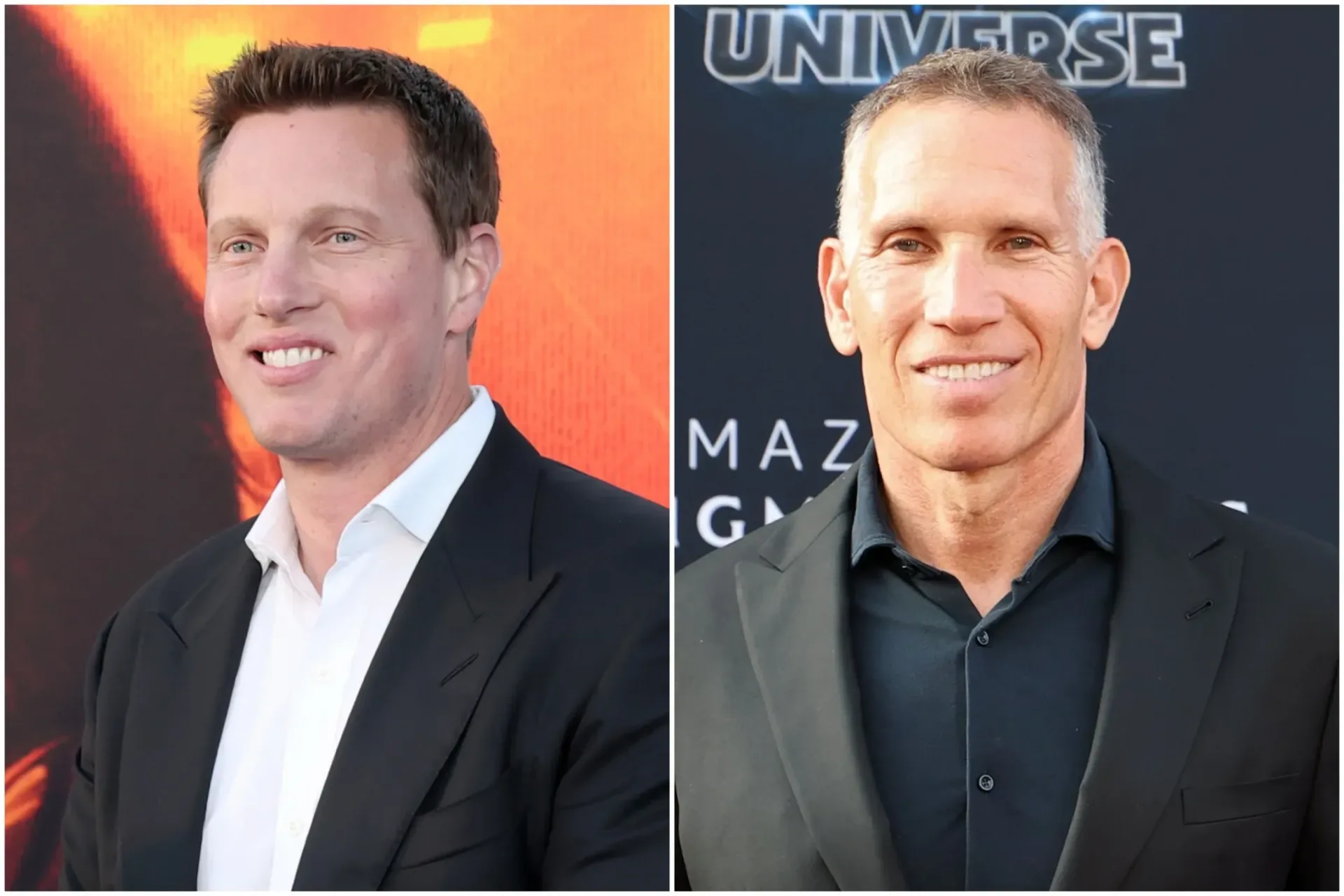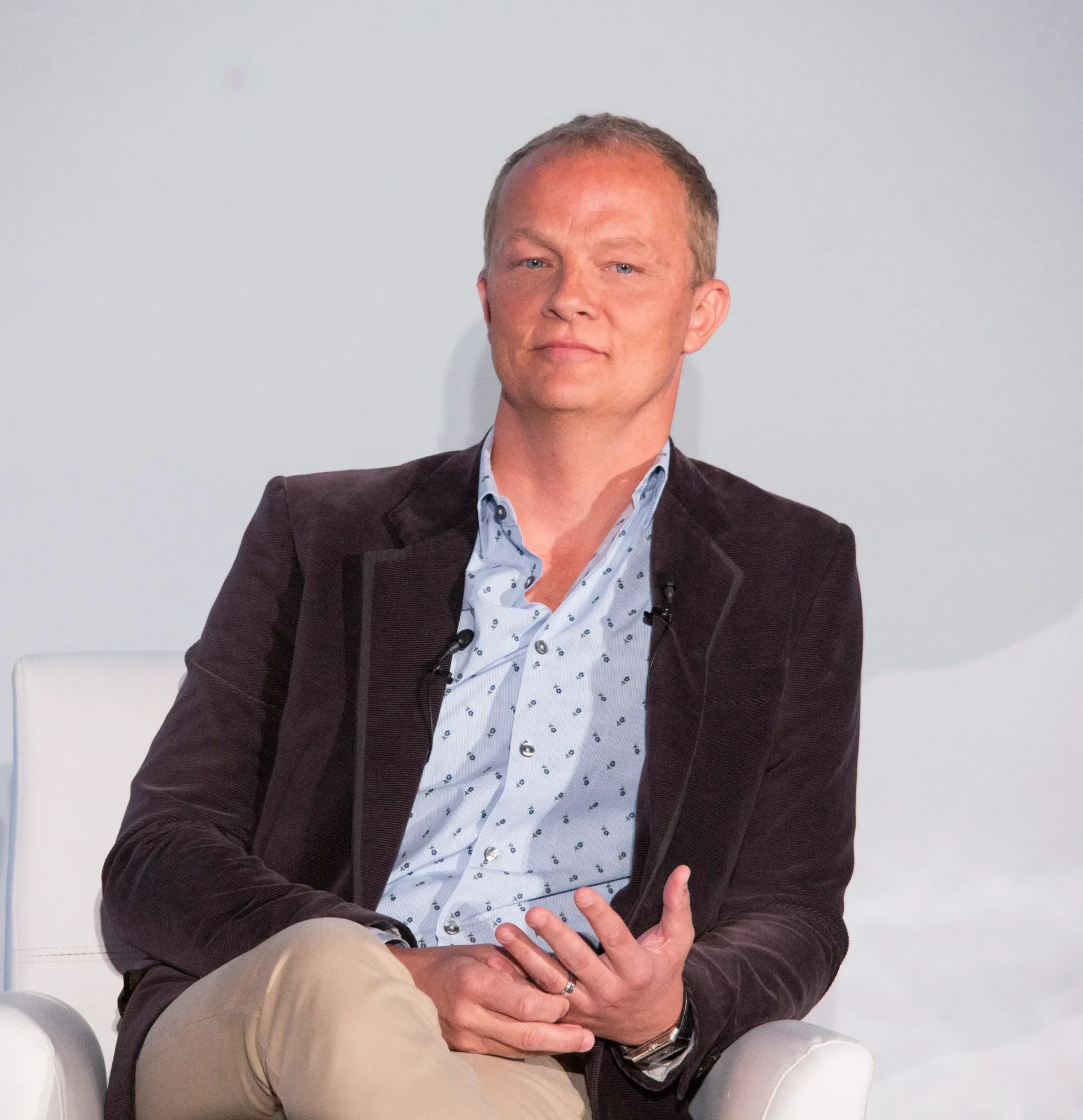
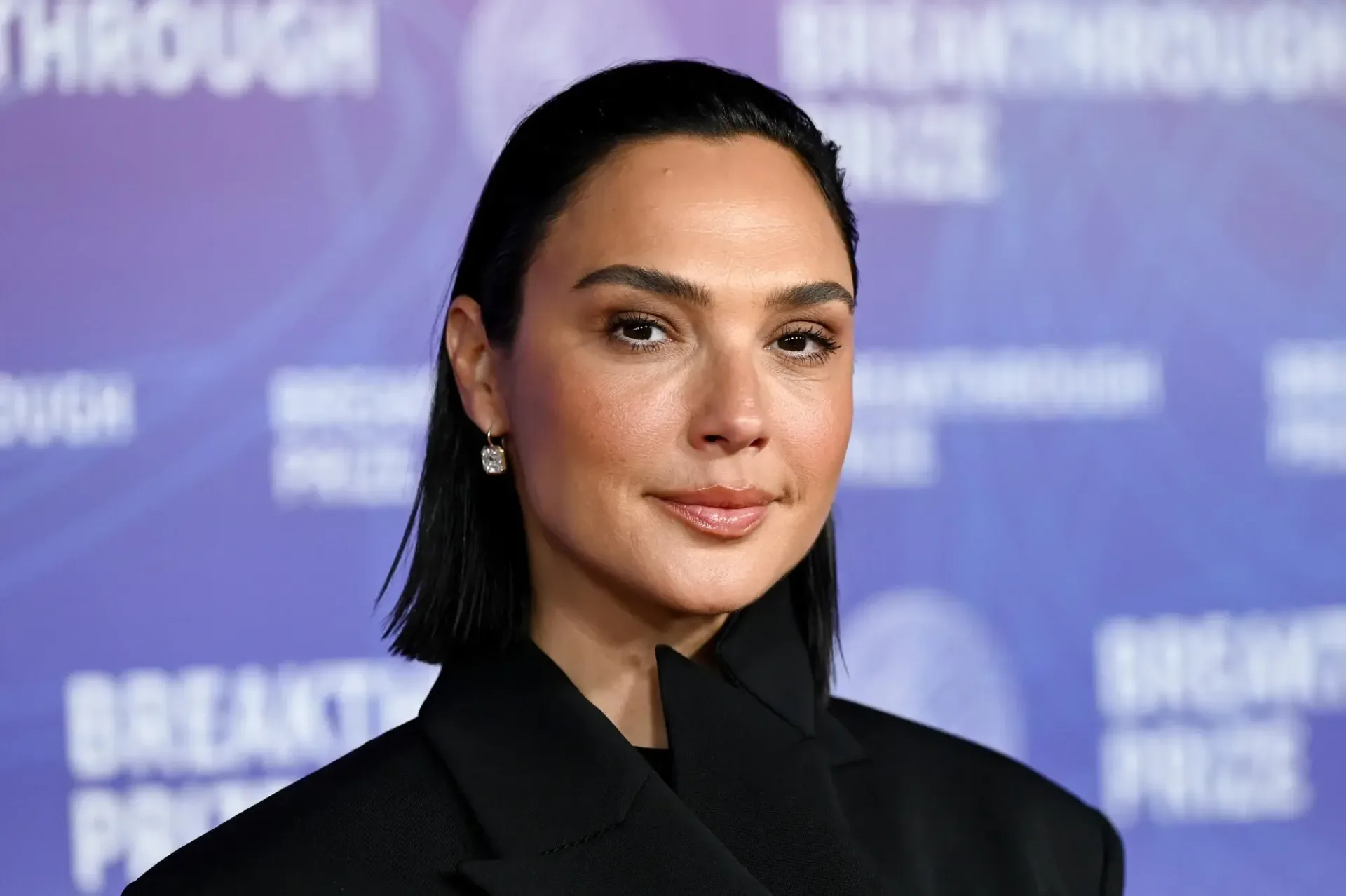
Gal Gadot honored Skydance co-CEO Ynon Kreiz at the Simon Wiesenthal Center’s Humanitarian Award Dinner on Nov. 11, delivering an emotional address focused on the spread of antisemitism and the importance of leaders speaking plainly against it.
Gadot, best known to many pop-culture audiences for playing Wonder Woman, said she was frightened by the speed with which hatred of Jews was spreading and by how openly it could be expressed or accepted. Referencing the Oct. 7 massacre and the war that followed, she questioned what happens when people become accustomed to hateful rhetoric and choose not to confront it.
Her remarks were directed toward Kreiz as the evening’s honoree. Gadot said his refusal to waver offered her hope, describing his stance against antisemitism as leadership that could give people courage during a difficult period.
A humanitarian honor and a public message
The dinner was held by the Simon Wiesenthal Center, a human-rights organization whose work includes combating antisemitism and other forms of hate, advancing tolerance, and pursuing justice through education and advocacy. Its Humanitarian Award is the organization’s highest honor.
For more context, explore Root Mandrake: Mud Monster Mayhem #1 Heads to Thought Bubble 2026.
That setting matters. A humanitarian award dinner is not a film premiere, a corporate earnings call or a product launch. It is an event designed to make values, advocacy and civic responsibility the central subject. Gadot’s tribute therefore placed Kreiz’s entertainment-industry role alongside his support for the Jewish community and his opposition to antisemitism.
Kreiz addressed the distinction directly in his own remarks. He said that disagreement with Israeli government policy cannot become an excuse for hatred of Jews. The statement draws a line between political debate—which can involve strong, competing views—and antisemitism, which targets Jewish people for who they are.
He also thanked David Ellison for what he characterized as a bold stand in support of Israel and Jewish people, and said the relationship between the United States and Israel should remain unshakable.
Why Kreiz’s role has an unusually large platform
The recognition arrives shortly after a major change in Kreiz’s professional remit. Previously Mattel’s CEO for eight years, he was named Skydance co-CEO in late September. The company is described as the merged Warner Bros. and Paramount business.
Ellison serves as chairman and CEO, leading strategy, creative and technology functions. Kreiz’s role is day-to-day operations and the integration of the combined businesses. Integration, in this context, means bringing separately organized operations into a functioning whole: aligning teams, processes and corporate structures after businesses have combined.
That is a consequential management assignment even before considering the cultural footprint of a major media and entertainment company. Studios and entertainment groups do more than release individual films or series; their leadership decisions influence creative organizations, workplaces and the way a company presents itself publicly. Kreiz framed that scale as an obligation, saying business leadership carries a moral responsibility.
He said Skydance should prioritize the people it serves, respect differing perspectives and allow truth and facts to lead. He also said the company intended to use its talent and influence for good, while accepting that it should be held to that standard.
Those comments should be understood as an articulation of principles rather than a newly specified operating plan. No individual productions, policies or initiatives were announced in the remarks. Still, the language is notable because it connects the entertainment business to a broader claim about influence: exceptional storytelling, Kreiz said, can entertain, inform, inspire and help audiences imagine a better future.
Ellison, Katzenberg and Gadot characterize Kreiz’s leadership
Ellison spoke before Gadot and said it was a privilege to work alongside Kreiz as the company moves forward. His praise stressed action rather than status, describing his co-CEO as someone who gets involved when work needs to be done instead of delegating every difficult task from a distance.
That emphasis is especially relevant to Kreiz’s stated responsibility for daily operations. A co-CEO structure divides a large leadership burden, but it also requires clarity about who guides strategy and creative direction and who executes and integrates the organization. The roles described at the dinner place Ellison at the head of strategy, creative and technology, while Kreiz oversees operations and integration.
Jeffrey Katzenberg, the DreamWorks co-founder, also praised Kreiz. He characterized the Skydance assignment as the biggest job of Kreiz’s career and argued that the outcome could have implications for Hollywood’s vitality. Katzenberg said Ellison’s selection reflected confidence in Kreiz’s expertise and character at an important moment.
The tributes collectively offered a specific public picture of Kreiz: an executive with experience leading Mattel, now taking on a demanding entertainment-company leadership position, and an honoree being recognized for values and advocacy in addition to management credentials.
What the moment says about entertainment leadership
The gathering did not treat the fight against antisemitism as separate from the people running influential creative businesses. Gadot’s praise was rooted in the belief that public leadership has practical weight. Her concern was not only the existence of hateful speech, but the possibility that repetition and indifference can normalize it.
Kreiz’s answer was to call for a standard that separates criticism of a government from bigotry toward Jewish people. That distinction can be difficult in public conversations that collapse complex political disagreements into personal or religious hostility. His comments argued against that collapse.
His broader corporate remarks pointed to another responsibility: the need for leaders to accept scrutiny when they invoke values. Saying that a company should be held to its standards is a recognition that mission statements are meaningful only if decisions and conduct can be judged against them. It is a standard audiences, employees and communities can apply over time.
For pop-culture followers, the story is not a new casting announcement or a release-calendar update. It is about the people directing institutions that help shape mainstream culture, and how they choose to use the visibility that comes with those positions. Gadot’s appearance in particular brought a familiar screen presence to a message centered on Jewish safety, public solidarity and moral resolve.
Other honorees at the gala included Elica Le Bon, who received the Medal of Valor, and Bianna Golodryga, who received the Jewish Heritage Award. For further coverage of the event, see this event report.
At the center of the evening was a shared argument from Gadot, Kreiz and the speakers who introduced him: opposition to antisemitism cannot be passive, and leadership is measured not merely by what a person says they value, but by whether they act when those values are tested.