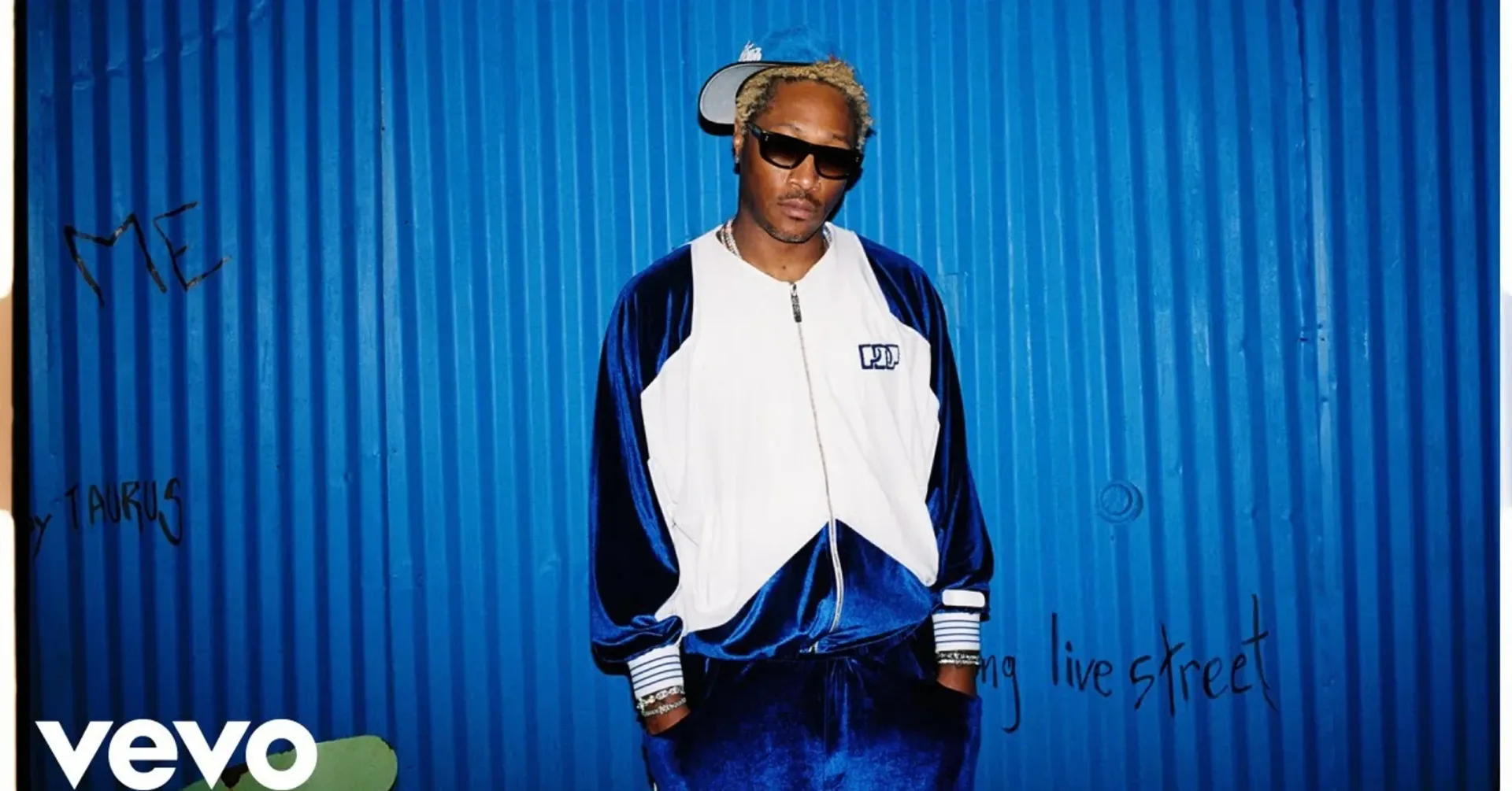
Some live moments are powered by a new release, a guest appearance or an elaborate stage production. At Camp Flog Gnaw, Future’s standout moment instead came from the renewed pull of a catalog track: “Throw Away.”
The song’s beat switch has recently gained viral traction, giving Future a reason to revisit a selection that is not normally a dependable fixture of his live sets. The decision paid off in the most direct way possible. The crowd sang along with him, transforming a comparatively rare performance into one of the set’s defining shared moments.
“The fans singing Throw Away changed my life again. Thank you for that moment I’m grateful for every sec…Camp Flog Gnaw,” Future wrote.
That response matters because it frames the performance as more than a song catching a passing social-media wave. It was an exchange between an artist and listeners who knew exactly where the track was headed—and were ready to meet it there. For a performer with a deep, varied catalog, that kind of audience reaction can redraw the map of what belongs in a festival set.
Why the beat switch is central to the moment
A beat switch is a pronounced change in a song’s instrumental foundation, such as its rhythm, tempo feel, melody, percussion or overall mood. It creates a dividing line inside one track: listeners hear an arrival, not merely another verse. In a live environment, that transition can become a cue for the room to react together.
“Throw Away” has become especially visible again because of that shift. The renewed attention did not make Future’s choice inevitable—he has rarely included the song in his sets—but it made the audience demand clear. Bringing it out at Camp Flog Gnaw gave attendees the version of the song they had been circulating and anticipating, but with the force of a mass singalong.
The distinction between online traction and a festival payoff is important. Viral attention can be fragmented: a short excerpt, a favorite lyric, or a single section of a track may travel independently. A live performance tests whether that attention has become communal recognition. Here, the audience response suggests the answer was yes. The song’s key transition had enough resonance that fans turned it into a full-venue moment.
A catalog cut can become a headline moment
Future’s set showed the advantage of having multiple eras and modes available at once. The running order moved through songs including “Stick Talk,” “Bugatti,” “Fuck Up Some Commas,” “Mask Off,” “March Madness,” “WAIT FOR U” and “Ya Hit,” alongside collaborations and guest-assisted material. That range gave “Throw Away” a useful position near the end: it was not presented as an isolated nostalgia detour, but as part of a broad set drawing from songs with distinct roles in his catalog.
Related coverage includes Future Calls Camp Flog Gnaw ‘Throw Away’ Singalong Life-Changing.
Festival programming often has to balance immediate recognition with surprise. Well-known records provide reliable release points for a large, mixed crowd. Less frequently performed choices offer a different kind of reward: they tell longtime listeners that the set is listening back to them, too. “Throw Away” sat at that intersection. Its fresh viral visibility made it timely, while its relative absence from previous setlists made it feel consequential.
The result is also a reminder that a song does not need to be an artist’s standard live centerpiece to matter deeply to fans. Catalogs are not static rankings. Listener attention can return to a track, elevate a particular passage and create a new reason for an artist to put it back onstage. In this case, Future explicitly connected the crowd’s response with a feeling of being changed “again,” a striking description for a moment built around a song he does not regularly perform.
That ongoing relationship between old material and new listener energy is part of what makes a long-running catalog durable. The record stays the same, but its place in the live show can change. Hip-hop audiences have repeatedly treated catalog knowledge as an active part of the event, whether the response is reserved for a familiar hit or a track that has found another life through renewed attention. For another perspective on artists and the changing relationship to making and releasing music, see Scarface’s comments on no longer feeling like writing or releasing records.
The Camp Flog Gnaw set, song by song
Future’s performance covered 24 selections, with several guests and collaborative tracks worked into the sequence. The setlist as reported was:
- “Build A Bitch”
- “Stick Talk”
- “712PM”
- “Bugatti”
- “Superhero (Heroes & Villains)”
- “New Level”
- “I’M DAT NI**A”
- “LIL DEMON”
- “Fuck Up Some Commas”
- “Love Me”
- “Blasé” with Ty Dolla $ign
- Mac Miller and Ty Dolla $ign’s “Cinderella,” with Ty Dolla $ign
- “Same Damn Time”
- “Konnichiwa”
- Sexyy Red’s “Looking For The Hoes (Ain’t My Fault),” with Sexyy Red
- Sexyy Red’s “Get It Sexyy,” with Sexyy Red
- “Mask Off”
- “Type Shit”
- YG’s “BPT,” with YG
- YG and Shoreline Mafia’s “HOLLYWOOD,” with YG
- “March Madness”
- “Throw Away”
- “WAIT FOR U”
- “Ya Hit”
Guests broadened the shape of the show
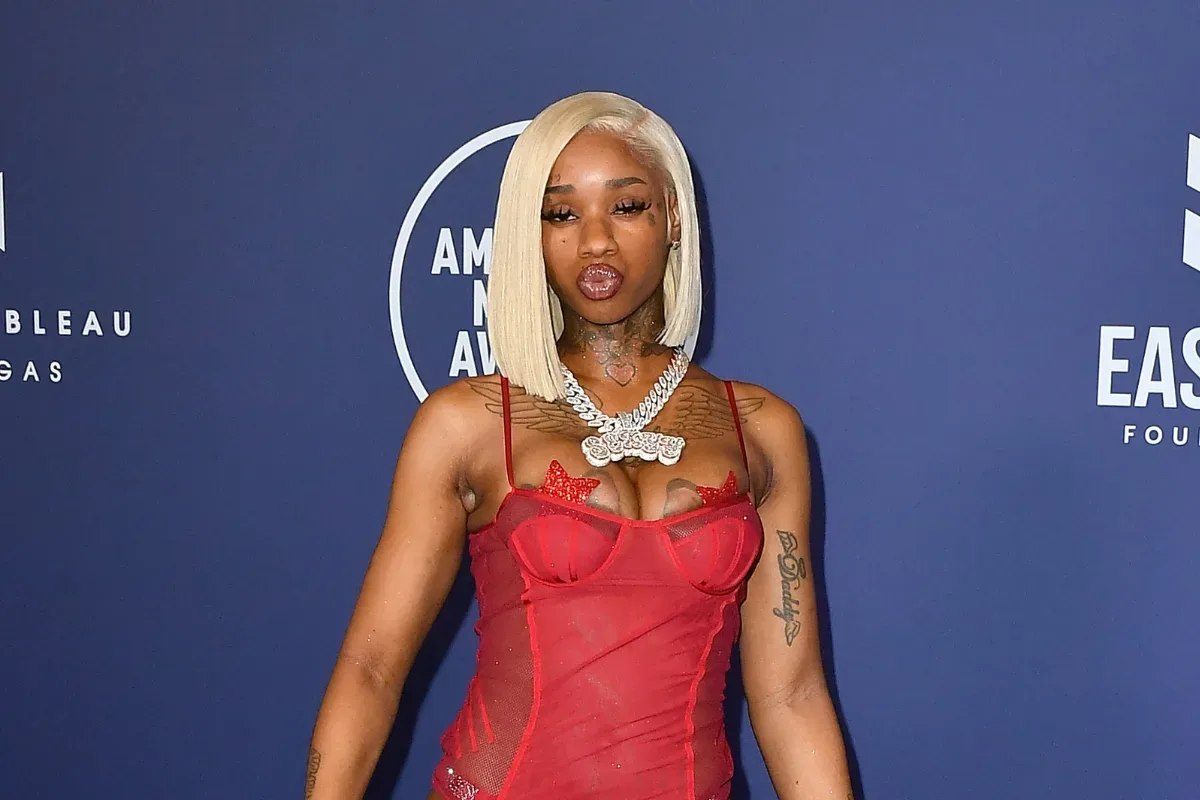
Ty Dolla $ign, Sexyy Red and YG each appeared in the setlist, allowing the show to step beyond a strictly solo retrospective. Their appearances were attached to specific songs rather than treated as vague cameos: Ty Dolla $ign on “Blasé” and “Cinderella,” Sexyy Red on two of her own tracks, and YG on “BPT” and “HOLLYWOOD.”
That structure matters for the pacing of a festival performance. A guest spot can reset the atmosphere, spotlight a collaborator’s material and make the set feel larger without losing its focus. Here, the guest selections were positioned among Future’s own records, while the closing stretch returned to songs including “March Madness,” “Throw Away,” “WAIT FOR U” and “Ya Hit.”
Most notably, “Throw Away” arrived after “March Madness” and before “WAIT FOR U.” Placed that late, it had the benefit of a crowd already fully engaged with the show. More importantly, it did not need to be the formal finale to register as a peak. The overwhelming vocal response became the measure of its importance.
What the reaction could mean for future setlists
There is no indication that “Throw Away” will become a permanent addition to Future’s performances, and one festival reception does not guarantee a lasting setlist change. But the Camp Flog Gnaw response makes a strong practical case for its return. A song that is already gaining renewed visibility and can produce a large singalong gives any future crowd a clear point of connection.
It may also encourage a wider look at material that sits outside the most predictable live rotation. The key lesson is not simply that virality should dictate every song choice. Rather, viral rediscovery can reveal where an existing catalog already has a powerful, audience-led live opportunity. When that opportunity is answered with the right performance, a song can move from rarely played to unforgettable without changing a note.
For Future, Camp Flog Gnaw’s “Throw Away” performance became proof that listeners can still surprise the artist who made the music. The beat switch may have drawn fresh attention, but the crowd’s collective voice supplied the event’s emotional weight—and earned a grateful response in return.