Warning: this article discusses major events from the Peacemaker season 2 finale and plot details for the wider DCU.
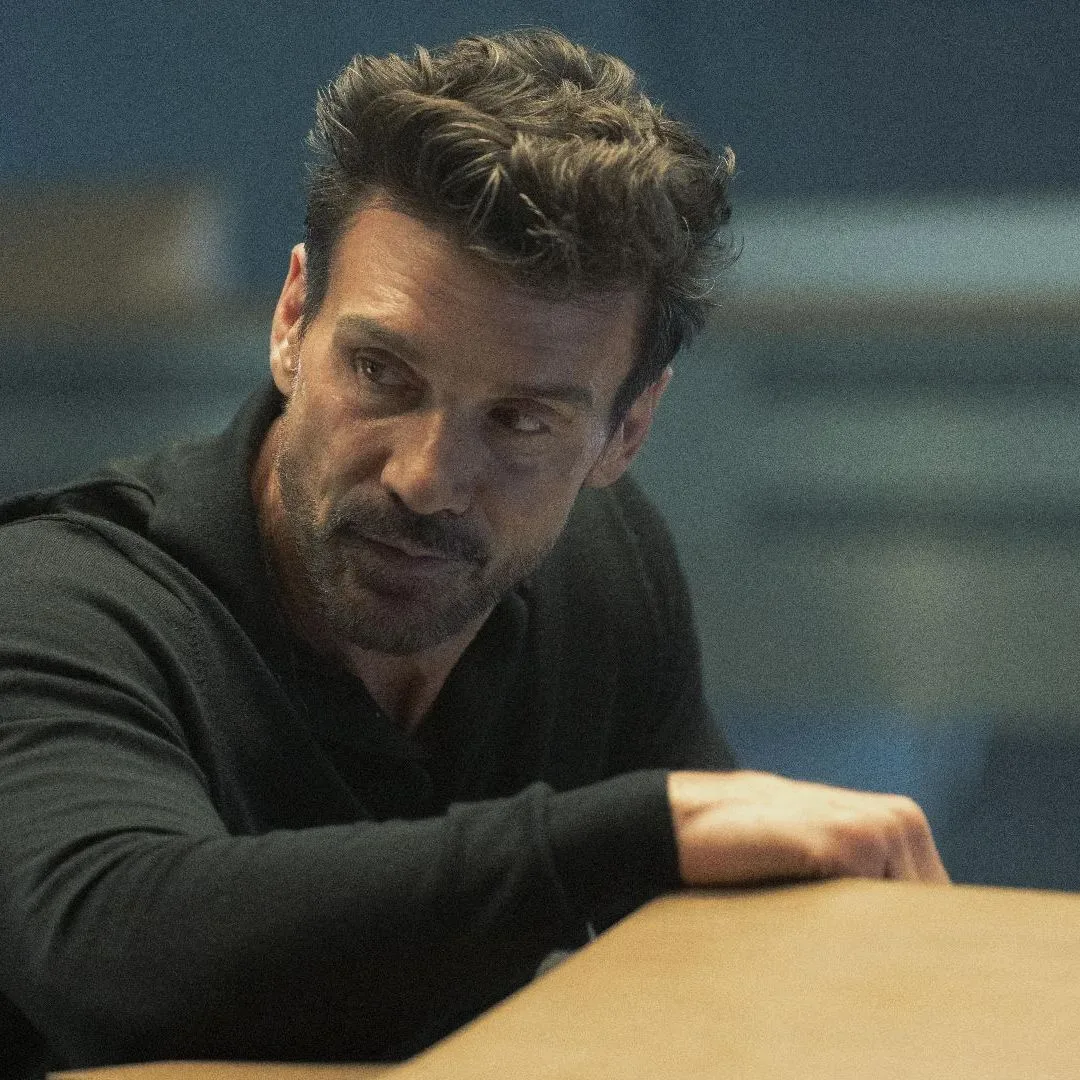
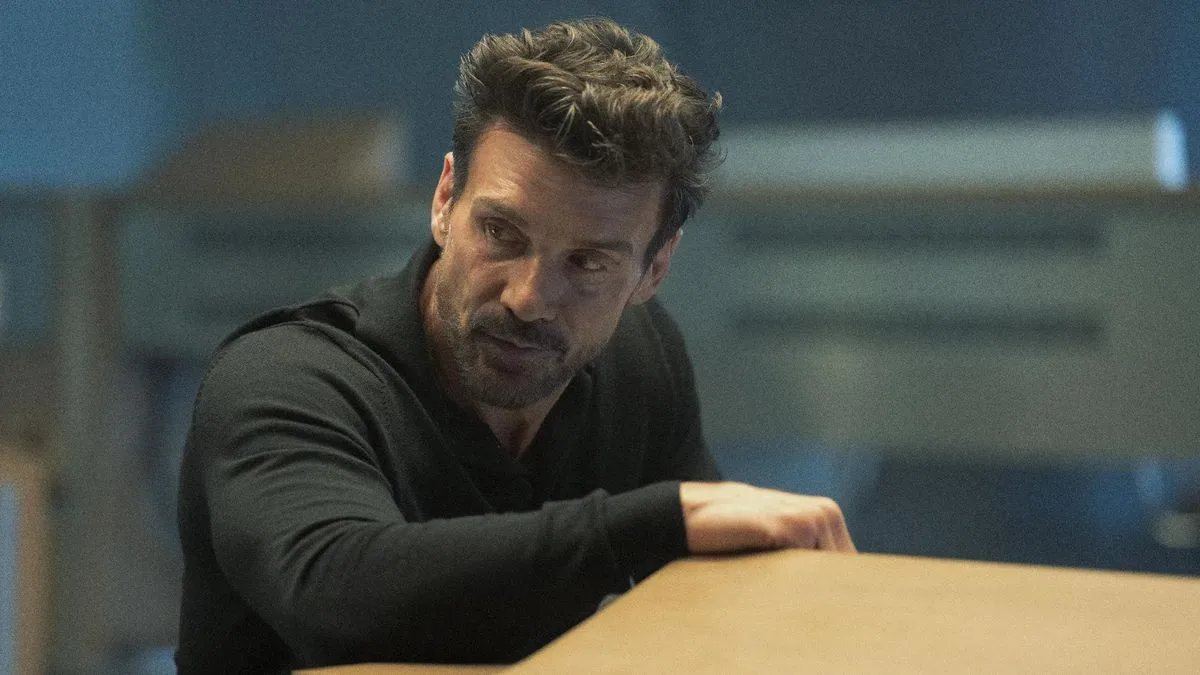
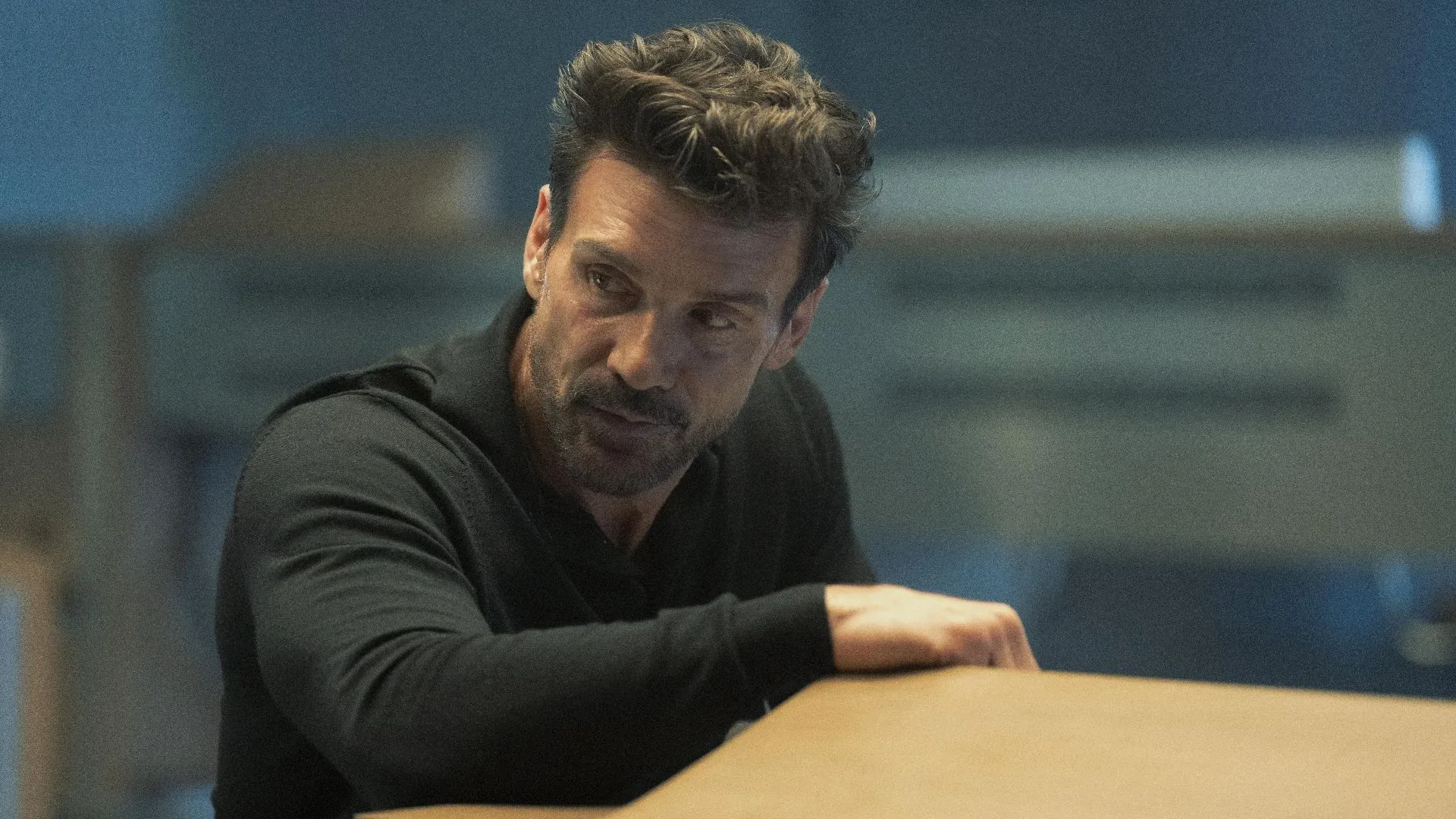
Rick Flag Sr. has become one of the DCU’s most contentious figures, but Frank Grillo has little patience for the claim that the character’s treatment of Christopher Smith, better known as Peacemaker, is beyond the pale. His defense is blunt: Peacemaker killed Rick Flag Jr., and Flag Sr. is responding as a father who has lost his child.
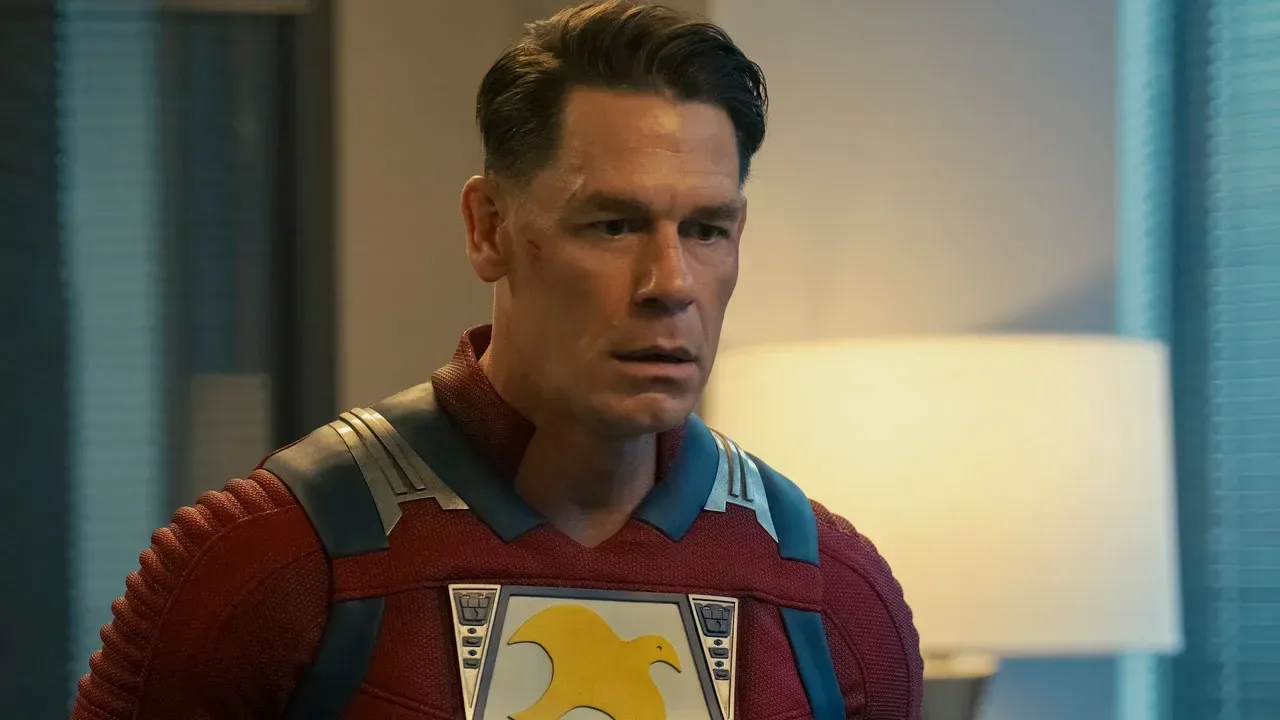
The conflict has now moved beyond old resentment. In the Peacemaker season 2 finale, Flag Sr. deliberately leaves Christopher Smith stranded in Salvation. It is an action with severe consequences, and it makes Flag Sr. easy to frame as an antagonist from Peacemaker’s perspective. Grillo, however, sees the emotional math very differently. “Peacemaker killed my son,” he said while addressing the backlash. “He murdered my son, my child.”
That is the foundation of the character’s position. Grillo’s point is not that Smith feels no regret, or that viewers must approve of what Flag Sr. does next. It is that remorse does not erase the death that set this story in motion. When the subject of Peacemaker’s guilt was raised, Grillo dismissed the idea that it should settle anything for Flag Sr.: “Whose problem is it, mine or yours?”
A revenge story built on an existing DCU wound
Rick Flag Jr.’s death is not distant background material invented solely to motivate his father. Peacemaker killed him in The Suicide Squad, making Christopher Smith directly responsible for the loss that shapes Flag Sr.’s choices. That connection matters because it gives the newer conflict a personal stake that is more painful than a standard superhero disagreement.
There is an important distinction between motive and justification. A motive explains why a character makes a choice; it does not automatically prove the choice is ethically right. Flag Sr.’s grief is an unmistakable motive for abandoning Smith in Salvation. Whether it justifies stranding a person there is precisely where audience disagreement enters.
Grillo is arguing from Flag Sr.’s interior logic. In that logic, Smith is not simply an uneasy ally with a checkered past, and he is not primarily a man suffering under the weight of his mistakes. He is the person who killed Flag Sr.’s son. The actor’s response strips away the wider superhero framing and reduces the dispute to its most human element: a parent confronting the killer of his child.
That does not make the scene uncomplicated. Smith’s guilt is relevant to how audiences may understand him, especially if they see regret as evidence that he is trying to become better. But guilt and accountability are different concepts. Guilt is the emotional recognition of wrongdoing. Accountability concerns the consequences, restitution, or punishment that follow. The DCU conflict is built around the gap between the two: Peacemaker may be remorseful, while Flag Sr. may believe no amount of remorse can answer for what happened.
Why Salvation changes the stakes
Sending—or, in this case, leaving—someone in Salvation is a particularly harsh escalation because it turns Flag Sr.’s anger into a concrete act rather than a threat or a verbal condemnation. The season 2 finale places Christopher Smith in a situation where Flag Sr. has exerted direct control over his fate. That makes the character’s feud more consequential than a clash of opinions.
The available details do not establish what will happen to Smith next, how he might return, or whether Peacemaker will continue. Those questions remain open. It is currently unclear when, or even if, the character will appear again. The uncertainty gives the finale extra force: it leaves the punishment hanging over the story rather than immediately resolving it.
For viewers, that uncertainty also prevents a neat moral answer. If Peacemaker’s story resumes, the narrative may further explore the lasting effects of Flag Jr.’s death, Flag Sr.’s grief, and Smith’s attempt to live with what he did. If it does not resume soon, Salvation remains a stark endpoint for a character who has repeatedly been forced to confront the consequences of his own violence.
Flag Sr. is not staying confined to Peacemaker’s corner of the DCU
Rick Flag Sr.’s next confirmed stop is Man of Tomorrow, where Grillo has said his character is a major part of the sequel’s story. That immediately makes the fallout from Peacemaker more significant. Flag Sr. is not merely a supporting player whose vendetta can be safely contained in one streaming storyline; he is moving into a Superman-led film with a much larger ensemble.
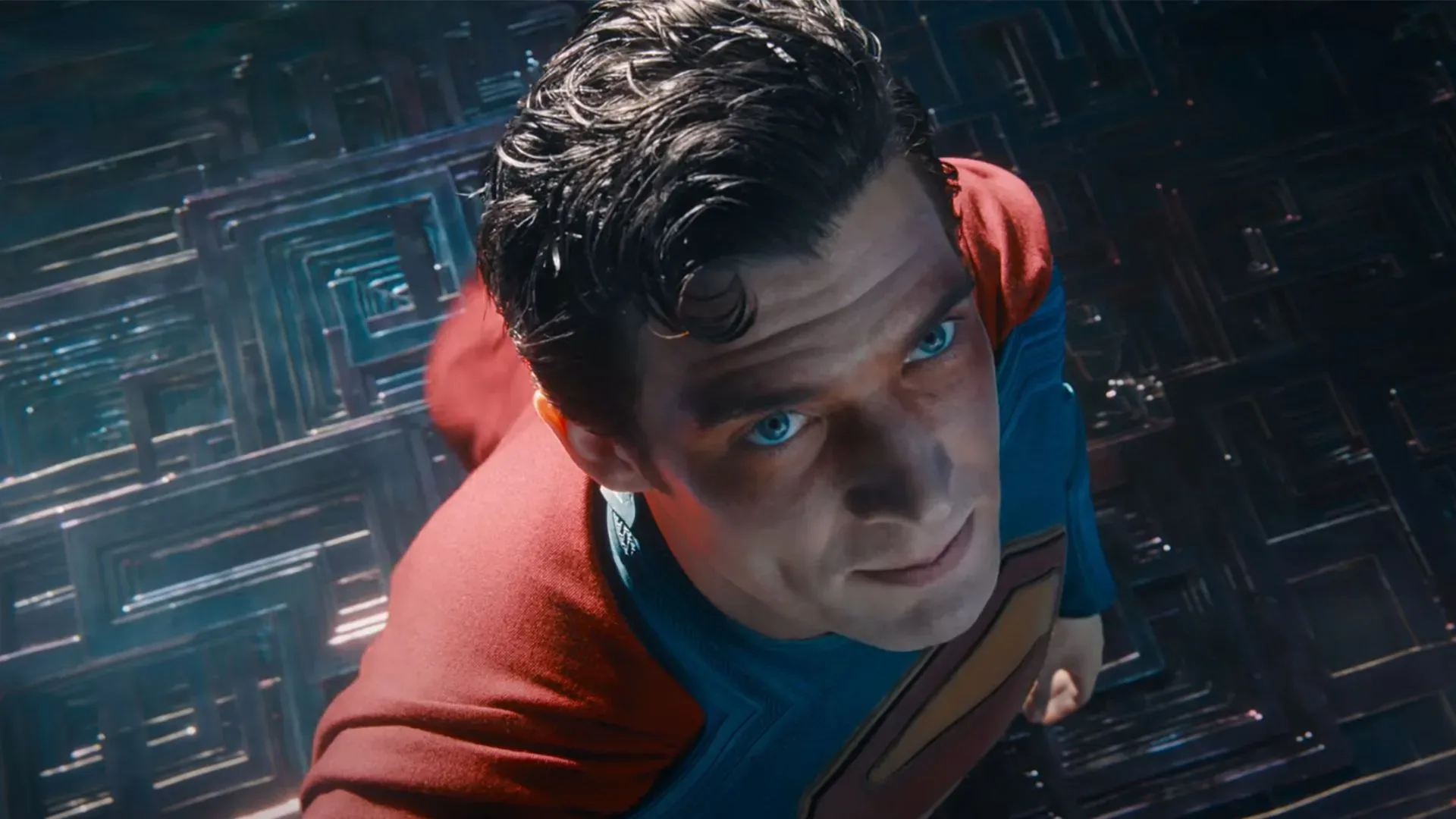
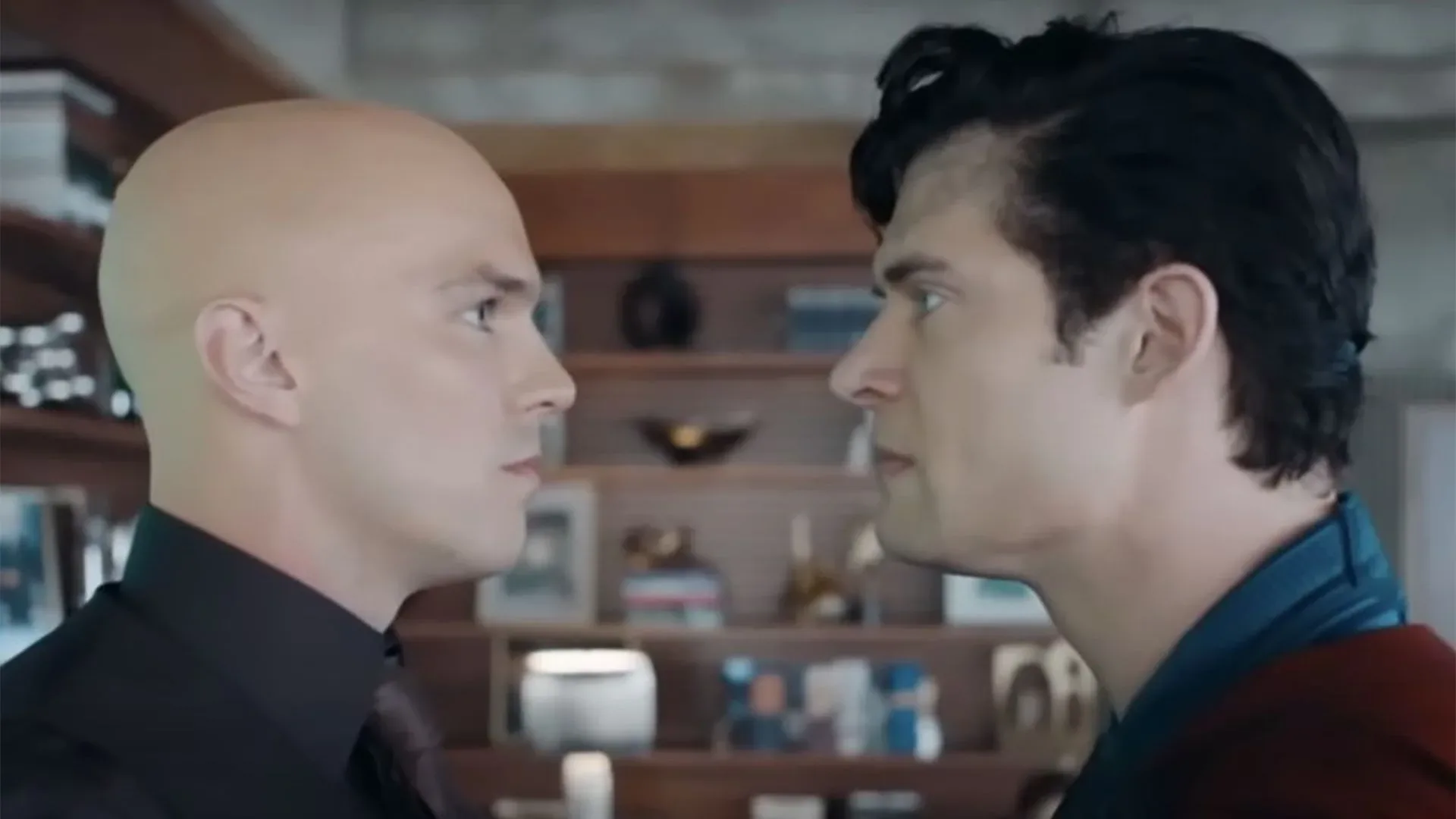
Man of Tomorrow will put Superman and his nemesis Lex Luthor in an unexpected alliance against Brainiac. The setup is notable because it places one of DC’s most foundational hero-versus-villain rivalries under pressure. Superman and Luthor working together does not mean their conflict has disappeared. It means a larger danger requires cooperation, at least for a time.
Flag Sr.’s major role creates a separate question: what function does a grieving, uncompromising figure serve in a story already balancing Superman, Luthor, and Brainiac? The supplied details do not reveal his exact role, so it would be premature to assign him a side or predict his objectives. Still, his presence suggests the sequel will have room for more than one kind of tension. There is the external threat posed by Brainiac, the volatile Superman-Luthor partnership, and whatever unfinished personal agenda Flag Sr. carries with him.
That combination is potentially useful for a shared universe. Superman’s stories are often associated with huge ideals and huge threats, while the Flag-Peacemaker feud is grounded in a specific death and a personal demand for consequence. Putting those scales near each other can make the DCU feel connected without requiring every character to share the same emotional viewpoint.
The returning roster and the still-hidden pieces
Several other DCU characters are set to return in Man of Tomorrow. Aaron Pierre’s John Stewart and Milly Alcock’s Supergirl are part of the announced group, alongside Xolo Maridueña’s Blue Beetle, Nathan Fillion’s Guy Gardner, and Isabela Merced’s Hawkgirl. Adria Arjona and Matthew Lillard are also involved in undisclosed roles.
An ensemble that broad naturally raises expectations for crossovers, alliances, and competing perspectives, but the announced cast should not be mistaken for a complete story outline. A returning character confirms participation, not the size of a role, allegiance, survival, or specific relationship to another character. The most reliable takeaway is simply that the sequel is drawing together figures from several corners of the DCU while keeping key details under wraps.
Fillion has indicated that the first Superman film is focused, appropriately, on establishing who Superman is, while Man of Tomorrow will give greater attention to Lex Luthor. That framing fits the announced premise. If the sequel is designed to examine Luthor more closely, forcing him into cooperation with Superman is an efficient way to test what drives him. A partnership born of necessity can reveal priorities, limits, and ambitions that a straightforward villain role might conceal.
It may also provide a useful contrast with Flag Sr. Luthor’s conflict with Superman belongs to the arena of power, ideology, and a villainous threat large enough to compel a temporary alliance. Flag Sr.’s conflict with Peacemaker is much more direct: a father believes a man murdered his son. One is a grand superhero rivalry; the other is raw bereavement that has become an act of retaliation.
Peacemaker’s regret is part of the story, not a pardon
The strongest point in Grillo’s response is that a victim’s family is not obligated to accept the perpetrator’s self-understanding. Peacemaker feeling guilty can matter dramatically without entitling him to forgiveness from Rick Flag Sr. That is why the exchange lands as more than cast banter about who is “good” or “bad.” It identifies a core disagreement about whether remorse has any power to change the person who was harmed.
At the same time, the audience is free to separate empathy for Flag Sr.’s loss from approval of every decision he makes. Stranding Smith in Salvation can be understood as grief-driven retaliation and still be viewed as cruel, dangerous, or excessive. That tension is richer than declaring one character entirely correct and the other entirely indefensible.
Grillo’s refusal to soften Flag Sr.’s outlook is also telling. He is not presenting the character as someone willing to accept Peacemaker’s regret as closure. He is presenting him as someone who regards the killing of his son as the fact that outranks every argument offered afterward. For a universe full of resurrections, cosmic threats, antiheroes, and uneasy alliances, that kind of unyielding personal grievance can be a potent source of drama.
For now, the practical roadmap is clear even if the broader future is not. Rick Flag Sr. is set to return in Man of Tomorrow, while Peacemaker’s next appearance remains unknown. Man of Tomorrow is scheduled for July 9, 2027. Before that, the next DCU theatrical release is Clayface, set for October 23.
As the DCU keeps linking its films and series, Flag Sr. stands out because his anger is neither abstract nor theoretical. It is tied to a name, a death, and a person he holds responsible. Grillo’s defense does not ask viewers to like what Flag Sr. did to Peacemaker. It asks them to remember why he believes he had every reason to do it.
For more screen-industry discussion beyond the DCU, see our coverage of how AI is being positioned around entertainment discovery and marketing.