Being a television showrunner sounds glamorous right up until everyone in the room turns toward you and asks what happens next. The writers’ room is built around conversation, revision and competing instincts, but the person at the top must ultimately turn that discussion into a script, a production plan and a coherent season of television.
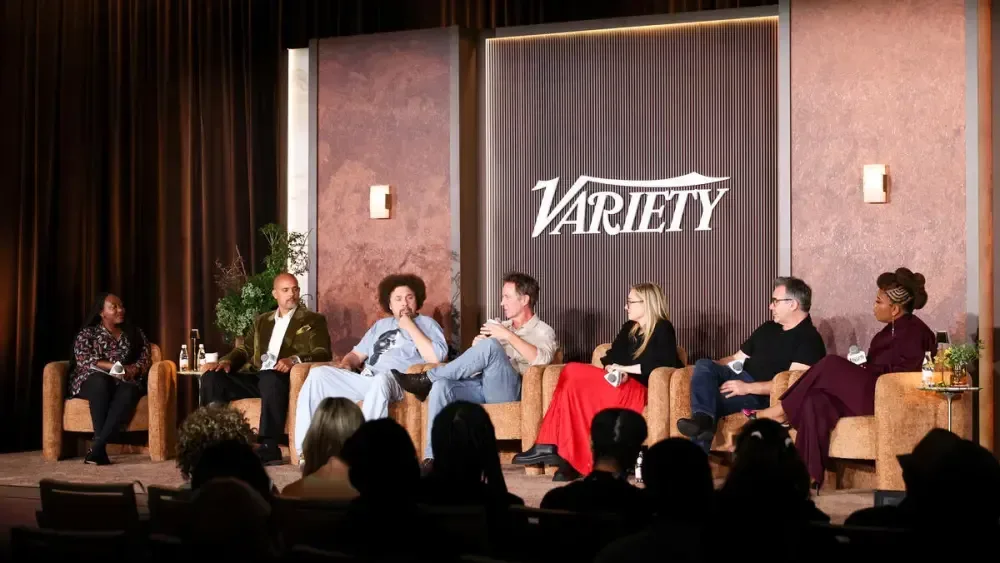
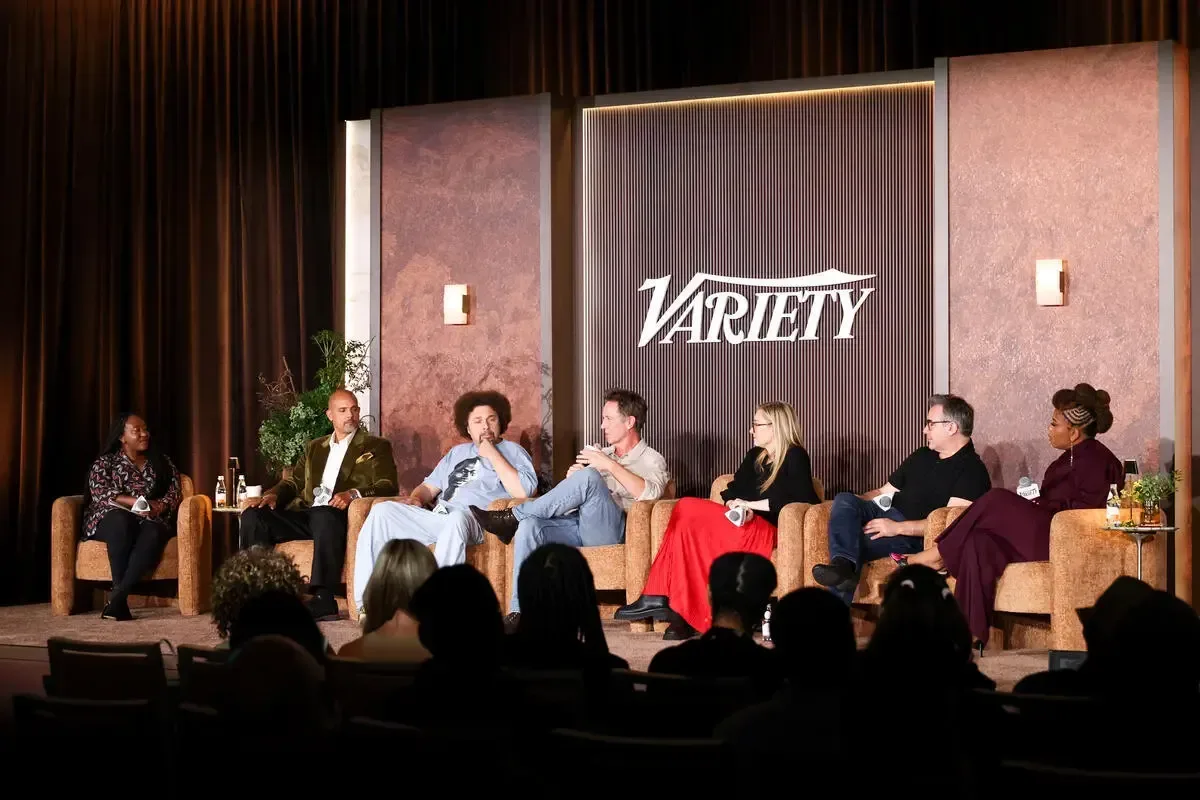
That mix of authority and uncertainty was at the center of a recent drama-creator discussion featuring Katori Hall of P-Valley, Elizabeth Meriwether of Furious, Malcolm Spellman of The Drop: A Snowfall Saga, Brad Caleb Kane of Crystal Lake, Chris Mundy of Lanterns and Ben Watkins of The Greatest. Their stories made the job sound less like a solitary auteur role than an ongoing balancing act: recruiting the right people, listening closely enough to use their best ideas, and retaining responsibility when the final choice has to be made.
Showrunning means carrying the last decision
A showrunner is generally the senior creative leader responsible for guiding a television series. The creators on this panel described the position through its practical consequences rather than a formal job description. They discussed storyline decisions, casting, writers’ room culture, schedule pressure and budget concerns—each a different demand that can arrive while a season is still taking shape.
Watkins put the emotional transition plainly: becoming “number one” is sobering. Deadlines and budgets do not disappear because a room has generated a terrific idea. Neither does the expectation that the leader will identify the destination when colleagues ask where the story is headed.
That is an important distinction in the way these creators discussed collaboration. A room can be open, generous and full of disagreement without becoming directionless. The showrunner can welcome alternatives, revise a plan and give other writers meaningful room to speak. But someone still has to decide whether an idea belongs in the show, whether it works now, and whether it serves the larger story.
Hall offered a vivid metaphor for the unusual ways that pressure can shape downtime. Between seasons, she pursued a pilot’s license. Meriwether’s teasing response—that only a showrunner would use that as relaxation—lands because it captures the mentality at issue: even respite can look like mastering another high-stakes responsibility.
The stress is not limited to production logistics. Drama creators may be waiting to learn whether a series will return, while also considering how far a character’s arc can extend. An arc is the sustained progression of a character or story across episodes or a season. It is not merely a list of plot events; it is the shape that gives change, reversals and emotional stakes a sense of continuity. Extending one well is a creative challenge before it becomes a line on a schedule.
Casting can become part of the writing process
Several of the panelists spoke not just about securing performers, but about the creative jolt of finding an actor whose presence clarifies a role. That is more than a celebrity wish list. When a creator can imagine a specific performer inhabiting a character, scripts can be refined around the qualities that performer brings.
Related coverage includes Drama Showrunners on Pressure, Casting and Building Better Writers’ Rooms.
Hall and Spellman each highlighted Gail Bean. Spellman praised Bean’s ability to bring an indomitable spirit to a performance. Hall’s description of loving actors and wanting to build a tribe around strong performers similarly frames casting as a long-term creative relationship, not a one-time transaction.
Kane described an equally specific instinct involving Linda Cardellini for Crystal Lake. Presented with casting options, he said Cardellini was the only person he wanted because he already saw her in the role and wanted to write toward her strengths as the scripts developed. Their conversation about the character lasted five and a half hours before she agreed.
The useful takeaway is that “writing to an actor’s strengths” need not mean flattening a character into familiar traits. In the context Kane described, it means a writer has gained a clearer sense of how a particular performer might make the part work. The role remains shaped by the story, but the story can benefit from a more exact understanding of who is playing it.
Meriwether’s account of hiring Steve Way for Furious makes that exchange even more concrete. After seeing Way speak on a panel about caretaking in television and hearing about the difficulty of finding work and paying for his wheelchair, Meriwether recognized she could offer him a role. As he gradually shared details from his life using a wheelchair, those experiences informed the character Alden.
This is a particularly clear example of an actor contributing more than performance after a script is locked. Lived experience can improve the specificity of a character when it is welcomed into the creative process. It also illustrates why a writers’ room and a production benefit from listening beyond the original outline. The person who plays a role may recognize details, assumptions or possibilities that the initial draft could not have supplied.
The broader television landscape remains full of conversations about who gets to shape familiar characters and franchises. That makes creator comments about actor-informed writing especially relevant alongside other TV-revival discussions, including Chris Colfer’s thoughts on a possible Kurt Hummel return in a Glee reboot. A returning performer, an original creator and a new room may each bring a different relationship to the character. The panel’s comments suggest that the strongest version of that relationship is not automatic; it depends on active creative exchange.
The writers’ room works when leadership makes space
The writers’ room is the collaborative group in which television writers develop stories, break episodes and revise scripts. It is also a workplace with a hierarchy. Titles and authority can vary, but Hall’s goal was to create a room where a staff writer could feel able to speak at a level closer to a co-executive producer than the title alone might suggest.
That does not mean Hall argued every voice should carry identical final authority. Her point was about meaningful participation: junior staff should not be discouraged from contributing simply because they are junior. That is a notable distinction. A healthy room is not defined by pretending the showrunner does not have more responsibility. It is defined by ensuring that useful ideas can reach the decision-maker.
Hall connected that approach to what she lacked while finding her footing as a staff writer. Her experience gave her a clearer picture of the kind of room she wanted to lead once she had the chance. The panel therefore treated room culture as a deliberate creative choice, not an abstract value statement.
Mundy made a related case for absorbing what writers and characters bring into Lanterns. He said it would be a failure not to incorporate and grow from those contributions. The phrasing matters: incorporation is not simply collecting suggestions. It requires examining whether a new perspective expands the material, then doing the work to integrate it into the show’s existing structure.
Kane described the same principle from the leader’s perspective. The showrunner may be the captain steering the story, but the whole point of hiring talented people is that they may generate ideas better than the leader’s own. In that view, ego is a production problem. Rejecting a stronger idea merely because it was not yours can weaken an episode, a character or an entire season.
Authority and humility are not opposites
There is an easy but misleading version of the showrunner story: either one dominant voice dictates every decision, or a group process makes all decisions collectively. The discussion here points to a more difficult middle ground. A showrunner needs enough conviction to set the course and enough humility to recognize when someone else has improved it.
That middle ground affects casting, script development and staff management alike. Kane’s interest in Cardellini began with a decisive personal vision, yet the eventual role would be written with her strengths in mind. Meriwether hired Way, then allowed what he revealed about his own life to reshape Alden. Mundy described growing material around the people in the room. Hall focused on giving less senior writers a real opportunity to participate. In every example, leadership begins with a choice but does not end there.
Meriwether’s own route to the role was different from the common progression through a staff-writing job. She said she became a showrunner at 29 rather than starting as a staff writer. The long hours and demands of network television had a literal physical cost at one point: she lost her voice. A doctor asked whether she had been drinking substantial amounts of coffee or trying to sound authoritative; she answered yes to both. Meriwether later transformed that experience into material for The Dropout.
Her anecdote is a compact reminder that television work often draws from lived moments, including uncomfortable ones. It also gives “finding your voice” a double meaning. Creators need an artistic voice, but leadership often asks them to project certainty under pressure. The panel did not suggest that certainty comes easily. Instead, their comments showed people continually developing it through work, relationships and repeated hard calls.
Long careers are built through trusted peers, too
Spellman and Watkins brought another dimension to the idea of collaboration: professional relationships that survive well beyond a single room. The pair began their Hollywood careers around the same time and later found themselves together on the panel four decades on. Spellman described trading pilot scripts with Watkins and emphasized how intertwined their journeys have been.
A pilot is the first episode designed to establish the premise, tone and major characters of a prospective series. Passing one back and forth between trusted peers is not the same as formally staffing a show, but it is an important form of creative support. It offers a writer candid feedback before the material reaches the larger machinery of television development.
Their friendship also puts the other comments about leadership in perspective. No showrunner is truly alone, even if the role requires singular accountability. They can depend on writers, actors, producers and long-standing peers; they can create rooms that respect ideas from every level; and they can still carry the responsibility of choosing a direction. The pressure is real, but so is the shared labor that makes a television drama possible.