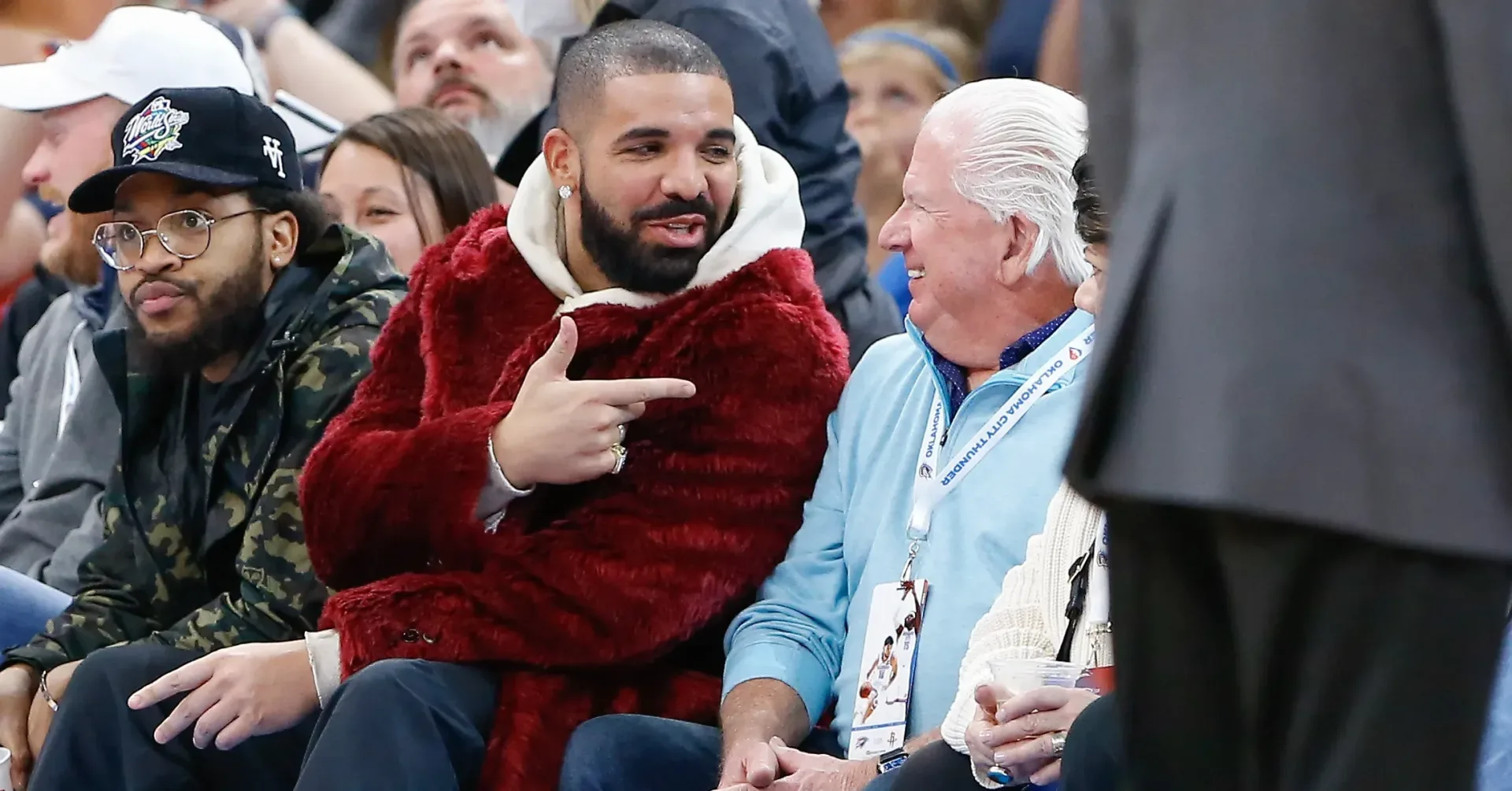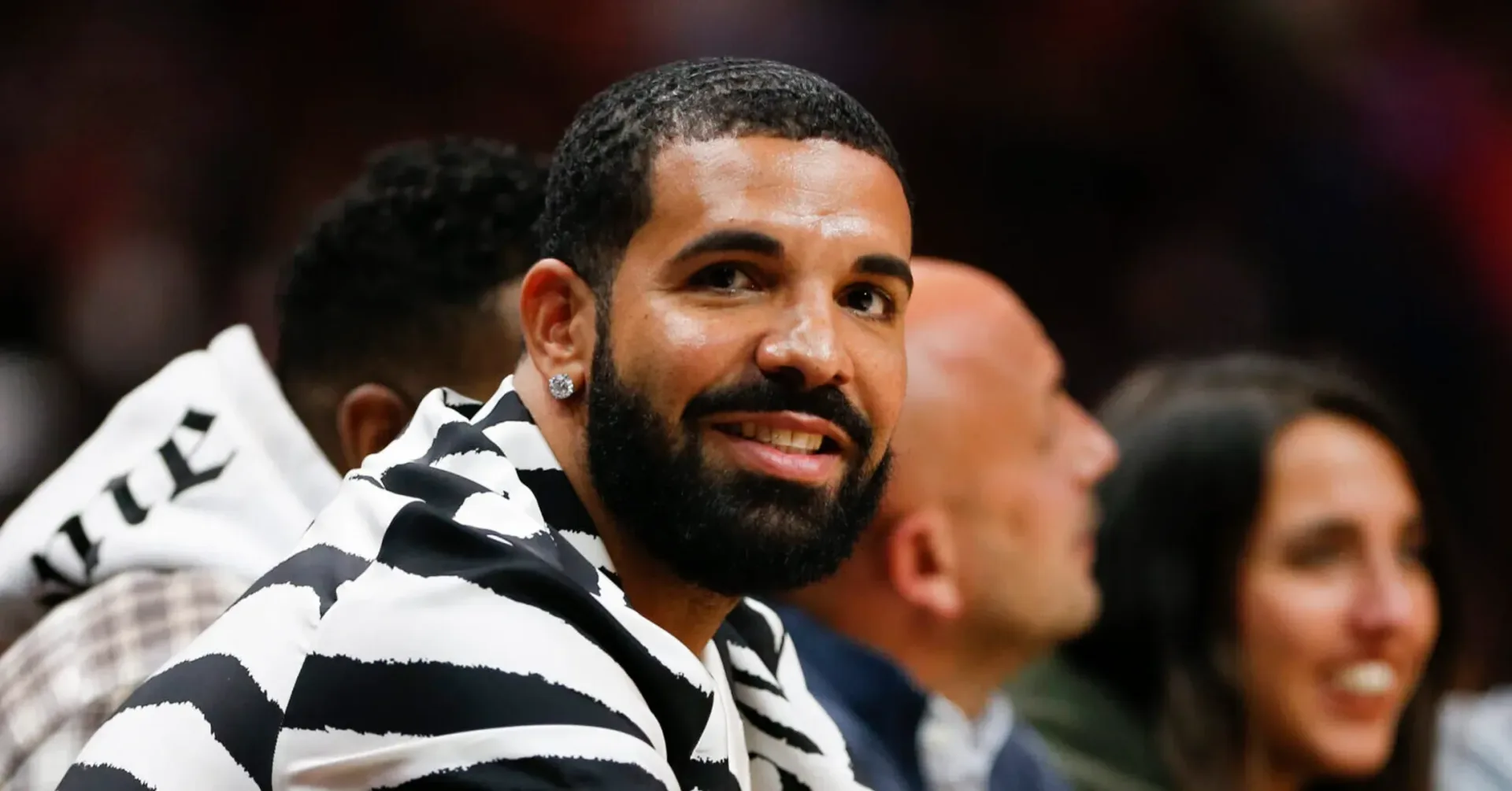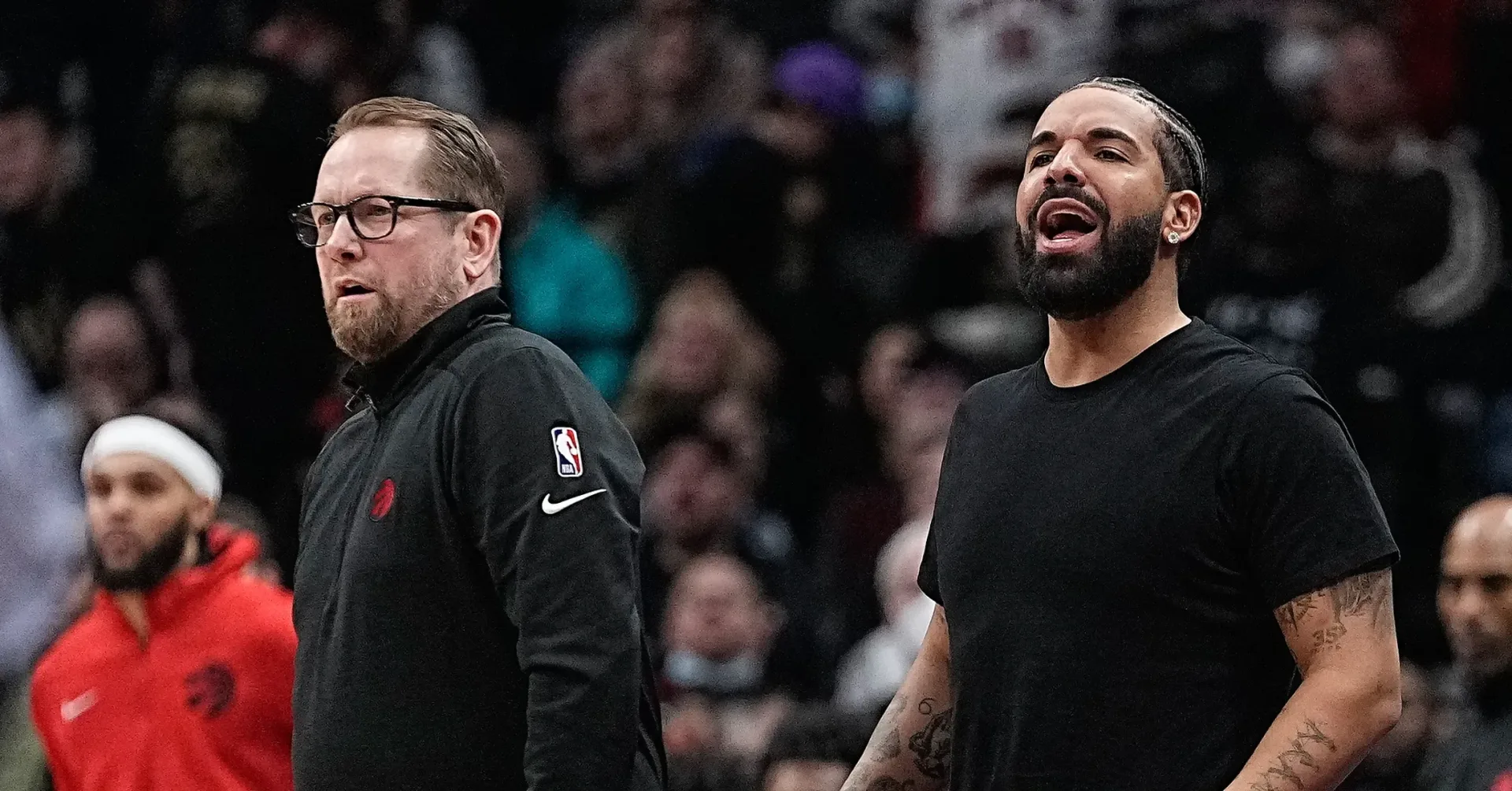
Drake and Pinkchyu’s latest behind-the-scenes video is a very small moment built to generate a very large reaction. In the clip, Drake repeatedly asks Pinkchyu to call him a “good boy.” When she finally does, he responds with a fist pump and walks away, treating the exchange as the punchline.
The footage follows their appearance in Drake’s recent FOMO livestream, where Pinkchyu appeared in a visual connected to “Princess.” The pair were shown on a Toronto date that included stops at local landmarks and Medieval Times. Pinkchyu previously won Drake’s 20v1 competition, and the two have remained visible together in the material released afterward.
There is no indication in the available material that the short clip is meant to establish anything beyond its own joke. Its premise is straightforward: Drake asks for a deliberately embarrassing bit of praise, gets it, and celebrates as though he has won something important. That knowingly overplayed response is the entire gag.
A public bit designed around discomfort
The moment has attracted the familiar criticism that Drake is acting immaturely, particularly because it follows another widely shared moment from the 20v1 format in which he barked for Pinkchyu. Yet the newer footage does not appear to resist that reading. It actively plays into it.
That distinction matters. A performer can be the target of an embarrassing clip, or they can make embarrassment part of the performance. Here, Drake’s insistence and exaggerated fist pump make the second interpretation more plausible. The joke depends on him willingly being the person who looks ridiculous, rather than presenting himself as above the situation.
In internet terms, this is a form of self-deprecating performance: a public figure makes themselves the butt of the joke before critics can do it for them. That does not mean every viewer will find it funny, or that criticism disappears. It does mean the awkwardness seems central to the intended tone rather than an accidental side effect.
Pinkchyu’s role is equally important to the structure of the bit. Drake’s request would not work as a joke without a pause, a response, and his outsized reaction. The clip is not framed as a serious romantic declaration or an explanation of their relationship. It is a concise, staged-feeling exchange whose payoff is his sudden celebration.
How the FOMO material blurs music promotion and personality content
The “good boy” video also illustrates how the FOMO livestream is being discussed as more than a place for music previews. Alongside new music, the presentation has supplied date footage, personality-driven scenes and shareable snippets that invite viewers to talk about Drake himself as much as any particular track.
That is not necessarily a claim that every segment is scripted. There is not enough information to determine what was planned, improvised or simply captured in the moment. But the footage is being distributed in a way that makes the distinction less important to the audience: the date imagery and backstage clip both function as part of the broader public conversation around the livestream.
A rollout is the umbrella term often used for that type of release strategy. Rather than asking listeners to focus on a single song or a formal album announcement, a rollout can use visuals, livestream moments, social clips and collaborations to sustain attention. In this case, the material involving Pinkchyu gives viewers an easily understood recurring thread: the winner of a prior on-camera competition returns for a larger date-oriented visual, followed by an intentionally cringey behind-the-scenes joke.
The approach has a practical advantage for online attention. A music preview asks people to listen closely and form an opinion. A short comedic clip asks for a much quicker response: laugh, cringe, criticize, repost, or argue over whether it was funny. The clip’s simplicity is likely why it travels so easily. Its entire premise can be understood without context, while the surrounding context gives regular viewers more to debate.
What is confirmed, and what remains speculation
Several points are clear from the material available: Pinkchyu won Drake’s 20v1 competition; she later appeared in the FOMO livestream’s “Princess” visual; the date footage included Toronto locations and Medieval Times; and behind-the-scenes footage shows Drake asking to be called a “good boy” before celebrating the response.
What is not confirmed is the broader meaning of their rapport, whether it is romantic, how much of the presentation was planned, or whether the footage points to a continuing creative partnership. Viewers can infer a playful dynamic from what was shown, but inference should not be confused with confirmation.
The same caution applies to the music conversation. New music was featured during the FOMO stream, prompting album speculation among fans. However, no album has been confirmed in the supplied information. A livestream full of unreleased or newly presented music can generate anticipation without functioning as a release announcement.
The criticism is part of the clip’s circulation
Calling Drake unserious or immature is not separate from the way the video spreads; it is one of the reactions the clip is structured to provoke. Some viewers will see a celebrity refusing to behave with the reserve expected of him. Others will see a musician knowingly extending an absurd comedy bit. The disagreement is baked into a moment designed around a level of public awkwardness that cannot be ignored.
That split is common when artists use personality content to support music activity. A polished music video can be assessed on its visuals and song. A deliberately embarrassing off-camera-style clip gives people a different question: is this authentic silliness, calculated promotion, or both? In the absence of confirmation about the production context, the fairest answer is that the footage supports multiple readings.
It is also worth separating discomfort from harm. The available description presents a consensual, playful exchange between two adults, not a confrontation or a claim of misconduct. Viewers are free to find it unfunny or off-putting, but the material itself is best described accurately: it is a short joke in which Drake asks Pinkchyu for a phrase and then visibly enjoys getting it.
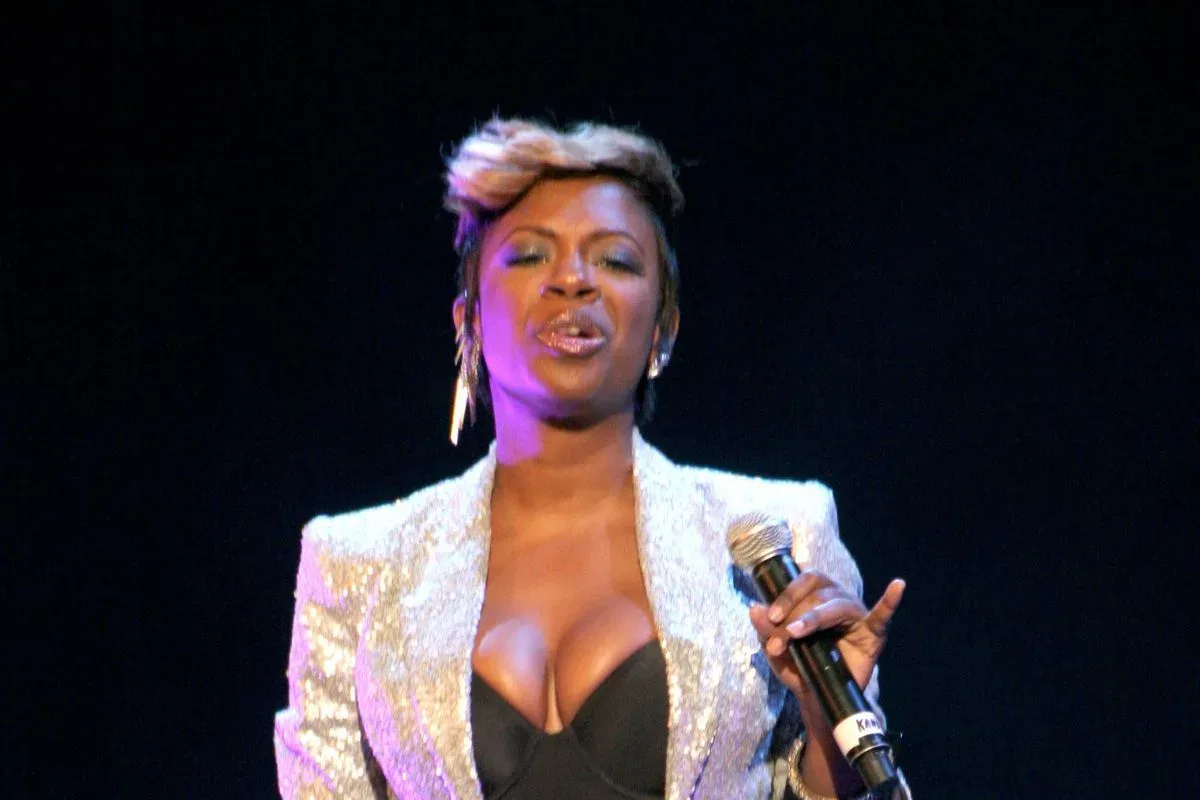
Celebrity relationship-adjacent stories often produce bigger narratives from brief clips, particularly when the participants already have a visible on-camera history. Readers looking for a different example of the gap between public framing and private claims can see how that tension surfaces in Kandi Burruss’ response to claims about her married life. In Drake and Pinkchyu’s case, though, the confirmed information remains limited to the content they have publicly appeared in together.
Why the moment matters only as much as its context
The “good boy” clip is not, by itself, evidence of a major music announcement or a definitive statement about Drake and Pinkchyu’s relationship. It is a piece of supporting material from a livestream-era campaign: brief, provocative, meme-ready and intentionally unglamorous.
Its larger significance rests on what comes next. If the new music shown during FOMO leads to a confirmed project, viewers may look back on the Pinkchyu footage as one recurring element in that promotional period. If not, it will likely remain what it currently is: a widely discussed joke where Drake chooses to be publicly embarrassed, then acts triumphantly pleased about it.