Drake’s latest Stake gambling stream on Kick brought in a familiar kind of guest: Kevin Hart, appearing virtually for a blackjack session that became as much a comedy exchange as a casino broadcast. The two performers traded pointed, playful remarks while technical trouble repeatedly disrupted the stream’s audio.
The visible attraction was not a game reveal, esports match or creator challenge. It was two major entertainers using the loose structure of a live gambling session as a setting for improvisation. That distinction matters. Blackjack gave them something to react to, but the memorable moments described from the broadcast were the personal jabs, the chat activity and Drake’s frustration when viewers reportedly could not hear him.
Hart’s blackjack appearance became a roast battle
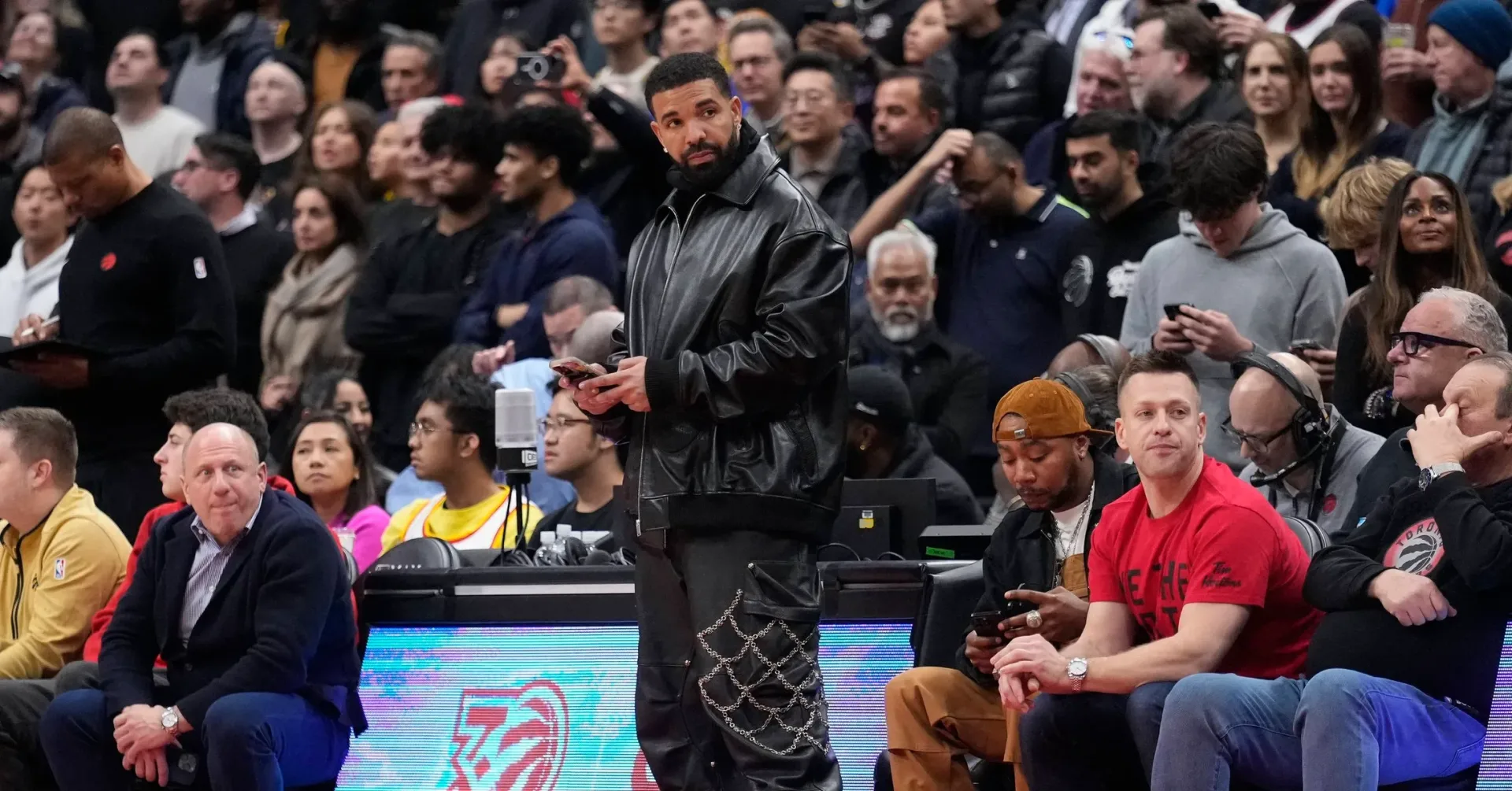
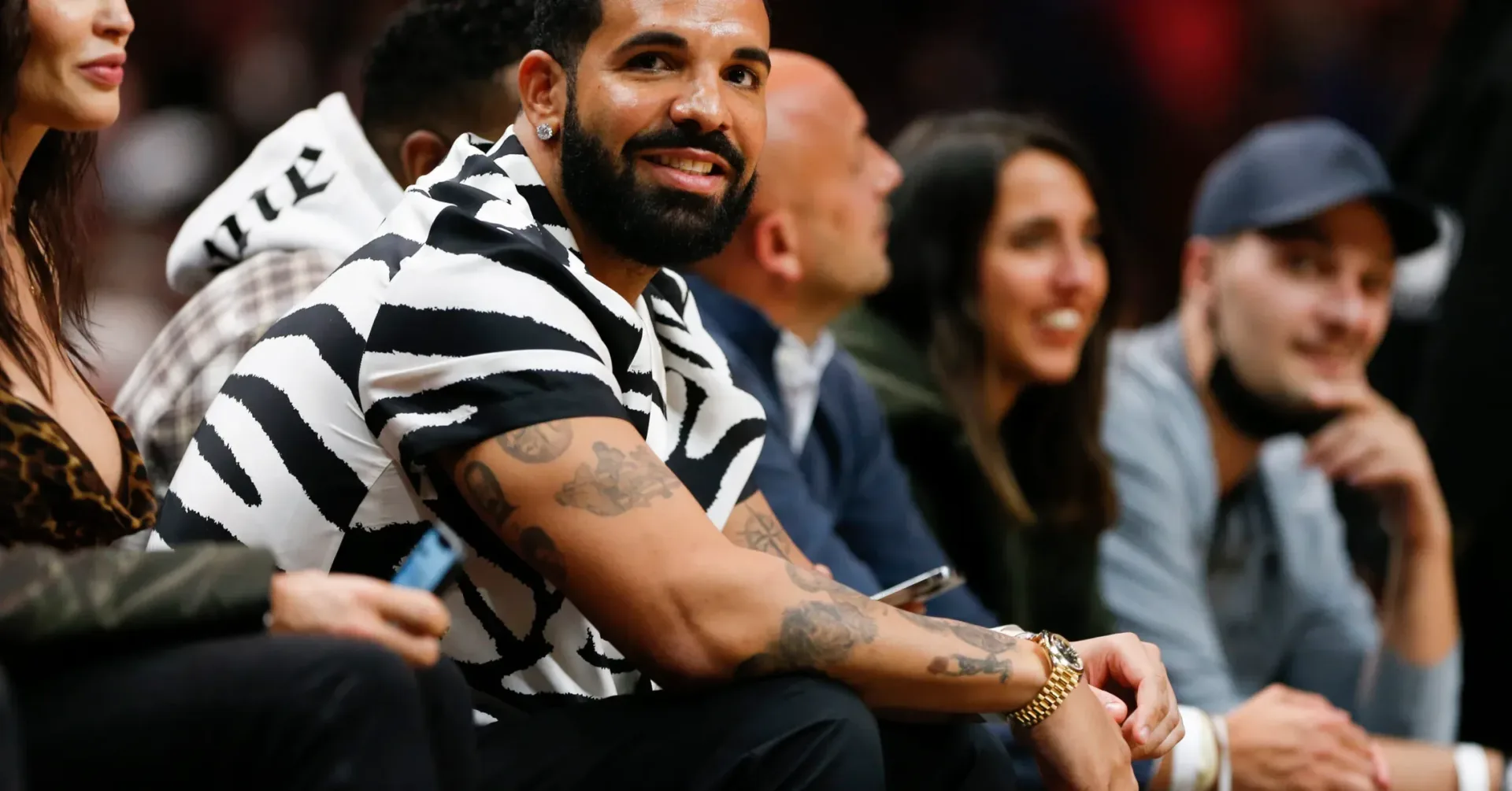
During Hart’s blackjack play, Drake apparently posted a message about the comedian’s “forehead sheen.” Hart’s response placed the shine on studio lighting, then he promptly redirected the teasing back at Drake’s wardrobe. Hart said he was not on board with Drake’s newer baggier clothing and boots, describing the look as a cowboy phase.
It is an exchange built for a livestream format. The joke does not need a scripted setup or a polished punchline when both people already understand the rhythm. A brief comment can become a running bit; an on-screen chat post can trigger a reply; even an awkward pause created by a tech problem can add fuel to the interaction.
The fact that the performers were not in the same room also gives the session a particular digital-stage feel. Hart joined virtually rather than as a traditional in-person guest. That puts the audience, the chat and the audio connection directly into the scene. In a conventional filmed interview, technical friction is generally edited away. In a live stream, it can become part of the event.
Audio problems show the limits of a live format
Drake was reported to be visibly annoyed when audio issues meant his chat could not hear him. That is a small technical detail with an outsized effect on a stream based on personality. A gambling broadcast has several moving parts: gameplay or the betting interface, on-camera reactions, chat moderation, guest connections, audio routing and the sponsor-facing presentation. When voice audio fails, the host loses the immediate link between what is happening and how the audience understands it.
For viewers, the practical lesson is uncomplicated: a live broadcast can be entertaining precisely because it is immediate, but that immediacy also means mistakes arrive unfiltered. An audio outage is not necessarily evidence of anything larger than a rough connection or setup fault. Still, it can reshape the entire mood of a segment when the primary draw is conversation.
Chat is also an important layer in this sort of broadcast, rather than merely a comment section after the fact. It supplies reactions in real time and can serve as a place for the host and guests to participate outside spoken conversation. People who regularly manage busy message threads may recognize the same broader problem: the useful remarks can get buried quickly. Tools for reducing notification noise and clutter can help outside a livestream as well; see this guide to making a Google Messages inbox quieter and easier to manage.
The gambling results were reported as huge, but context is essential
Despite the audio difficulties, Drake reportedly registered million-dollar wins during the session. Those numbers are naturally attention-grabbing, but they should not be read as a guide to what a typical player can expect from gambling.
In gambling, a win describes a favorable result on an individual wager or sequence of wagers. It is not the same thing as a full accounting of deposits, losses, promotional arrangements, betting conditions or a person’s overall financial position. A livestream clip also tends to privilege dramatic outcomes: the big hand, the large on-screen figure, the excited reaction. That makes it a poor format for judging risk or likelihood.
Blackjack itself is a card game in which players try to beat the dealer without exceeding 21. Its basic goal is easy to understand, which helps explain its usefulness on camera. Viewers can follow a hit, stand or bust without learning a complicated ruleset. But easy-to-follow does not mean risk-free. The spectacle of celebrity-scale wagers should remain exactly that: spectacle, not a model for personal spending.
Why this kind of stream travels quickly
- Recognizable personalities: Drake and Hart both bring audiences that may be interested in their banter regardless of the game being played.
- Instant stakes: Blackjack offers quick turns and obvious outcomes, creating frequent moments for reaction.
- Clip-friendly conflict: Fashion jokes and appearance-based roasts are concise enough to circulate independently of the full stream.
- Unscripted instability: Technical trouble is inconvenient, but it also emphasizes that viewers are watching something live rather than a finished edit.
Stake’s relationship with Drake remains under legal scrutiny
The stream’s humor exists alongside a more serious backdrop. Stake and Drake continue to face lawsuits that accuse them of operating an illegal gambling and promotion scheme, along with allegations concerning bots used to boost Drake’s music. These are accusations in ongoing legal matters, not established findings. At the time described, there had been no indictments or rulings against them.
That distinction is important in any discussion of celebrity partnerships and gambling promotion. A lawsuit is a legal claim brought by a party; it does not by itself prove the allegations. An indictment is a formal criminal accusation, while a ruling is a court decision on a legal issue. The reported absence of either against the parties in these matters means the claims remain unresolved rather than adjudicated facts.
It also creates two very different lenses through which people may view a stream like this. One lens sees celebrity entertainment: a virtual guest spot, a game of blackjack, expensive wagers and comedians’ instincts taking over the conversation. The other sees promotional gambling content occurring amid litigation that challenges aspects of the business relationship. Both are part of the present context, and neither should be collapsed into the other.
A familiar pairing, framed by an unusually public setting
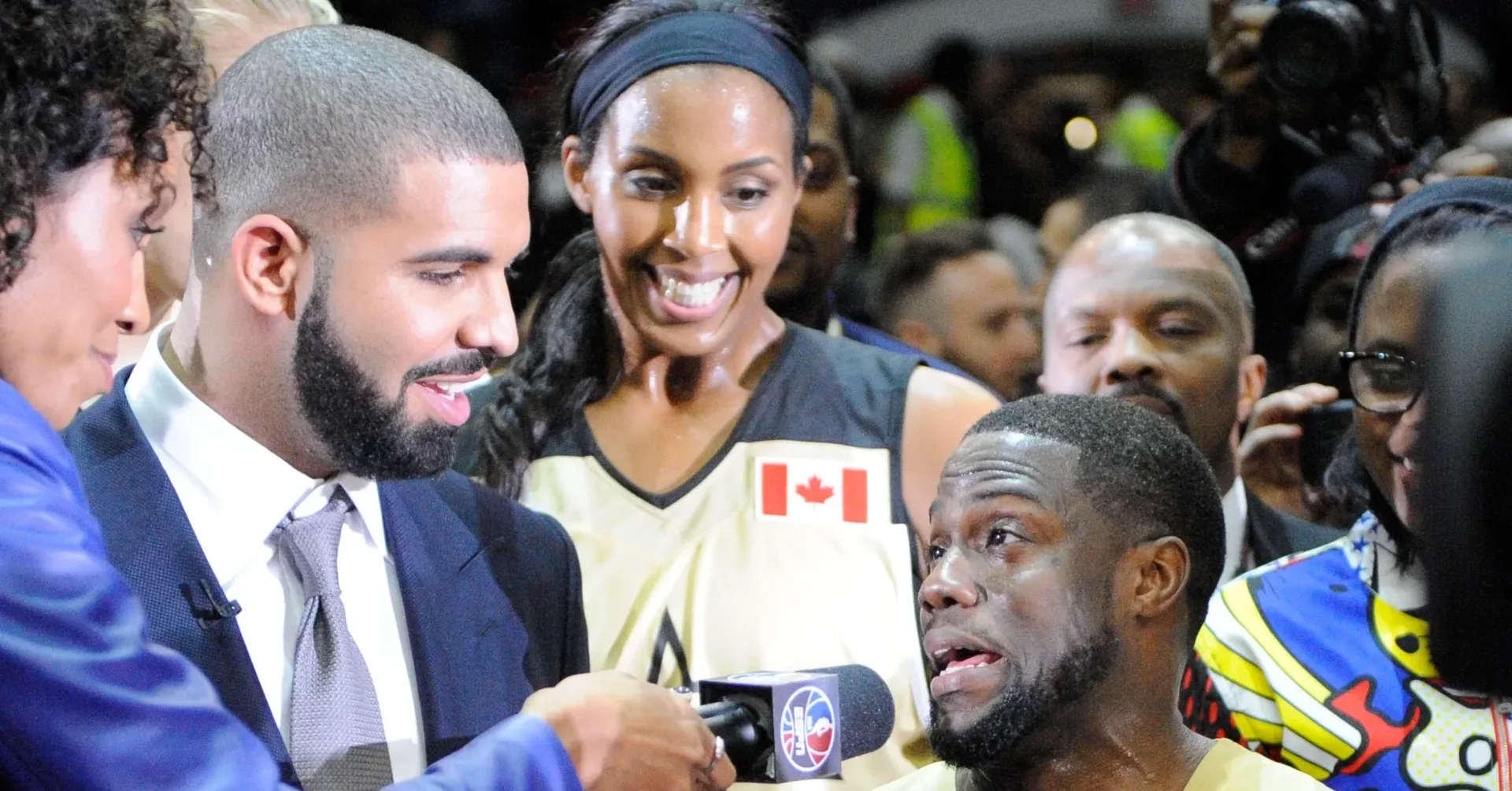
Drake and Hart have connected publicly before, so the appearance was not presented as an unexpected first meeting. What made this outing distinct was the combination of virtual participation, an active audience chat, a Stake-branded gambling environment and the technical glitches that prevented a completely smooth broadcast.
For fans who come to these sessions expecting polished entertainment, the audio issue likely undercut part of the appeal. Yet the reported exchange shows why the stream could still produce a widely shared moment. Hart answered a cosmetic jab with an outfit critique; Drake’s chat presence became part of the performance; and the broadcast’s casino activity continued around the conversation.
There is no need to force the event into a larger gaming narrative. This was not a video-game stream in the usual sense, and the casino action should not be confused with competitive play or a product demonstration. It was celebrity-driven gambling content, where interpersonal comedy proved more durable than the technical problems around it.
As short clips and reactions focus on the jokes, the more responsible reading is to keep the elements separate: the comedians’ back-and-forth was entertainment, the reported gambling wins were isolated on-stream results, and the legal allegations connected to Stake and Drake remain unresolved. That framing leaves room to appreciate the roast without turning either a flashy win or an unfinished legal claim into something it is not.