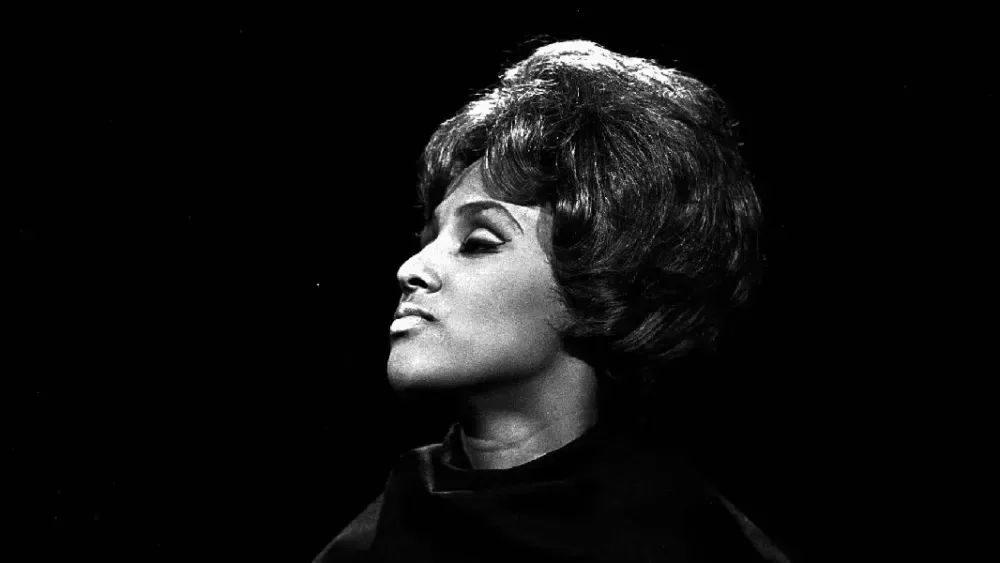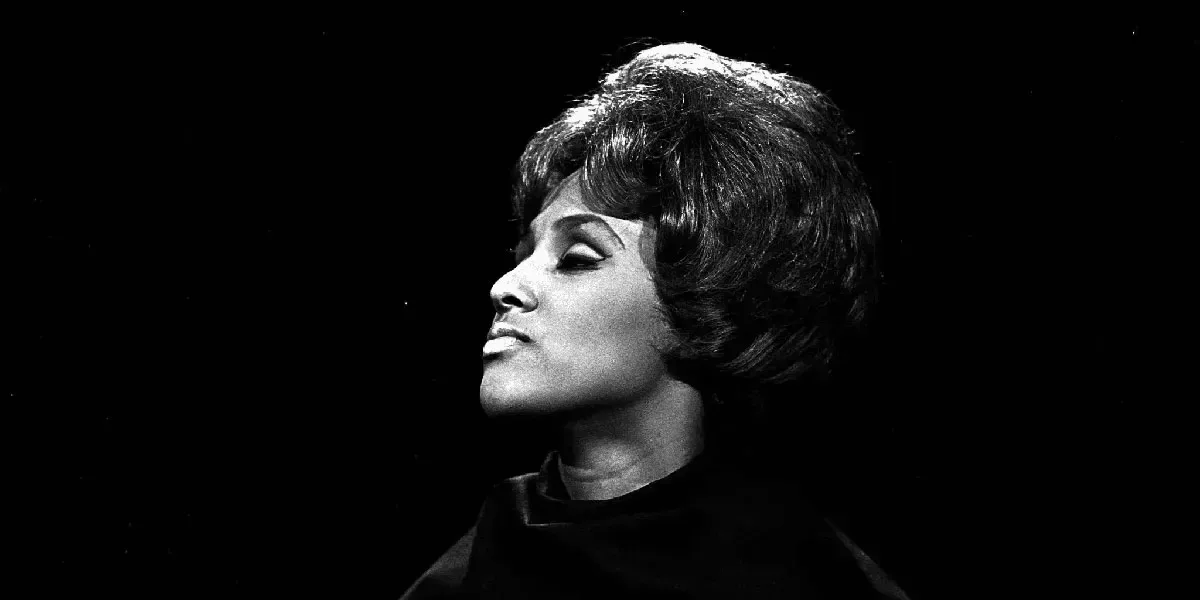
Darlene Love’s voice is central to some of the most enduring records of the 1960s, yet for years her name was not always attached to the music listeners knew. Darlene Love: I Know Where I’ve Been, a 115-minute documentary directed and written by Barry Avrich, turns that contradiction into its driving subject: what does pop stardom mean when an artist is unmistakably present on a record but obscured in its public identity?
The film, presented at the Toronto Film Festival’s documentary program on September 14, 2026, follows Love’s path through glory, professional mistreatment, interrupted opportunities and eventual recognition. It is not simply a victory-lap portrait of a beloved singer. Its subject is authorship and attribution in an industry where a producer’s brand could overwhelm the people doing the singing.
Love, born Darlene Wright in 1941, spent her formative years between Los Angeles and Texas and grew up immersed in church music. That gospel grounding helps explain the scale and force listeners associate with her performances. The documentary uses a contemporary interview with Love alongside archival material and new studio performances with Paul Shaffer and his band. At 85, she remains the film’s essential storyteller, recounting its difficult episodes without allowing the story to collapse into resentment.
A voice behind famous names
Love joined the Blossoms in the late 1950s. The group’s early session work included vocals connected to recordings such as Sam Cooke’s “Everybody Likes to Cha Cha Cha,” “Chain Gang,” “Rockin’ Robin,” “Monster Mash” and “Johnny Angel.” Session work can be musically foundational while leaving performers outside the public spotlight: singers may make a record’s choruses, textures and emotional lift possible, even though the audience sees another name on the label.
That gap became much more consequential once Phil Spector recruited the Blossoms. The film revisits the 1962 recording of “He’s a Rebel,” a song intended for the Crystals. The Crystals were in New York, while Spector needed a recording made quickly in Los Angeles, so the Blossoms recorded it instead. Love sang lead, but the released record was credited to the Crystals.
The incident is central to the documentary because it was more than a one-off studio substitution. It illustrates a system in which vocalists could be moved among group identities and made effectively interchangeable in the market, despite their distinct voices. Love also sang lead on “He’s Sure the Boy I Love,” another record released under the Crystals name, and worked as a background singer across Spector productions. She sang lead for Bob B. Soxx and the Blue Jeans on “Why Do Lovers Break Each Other’s Hearts.”
For listeners, the terminology around this era can disguise the stakes. A lead vocal is the primary performance carrying the song’s narrative and melodic identity. Background vocals provide harmony, responses and texture, but can be equally vital to a record’s sound. A credit, meanwhile, is not a cosmetic detail: it affects the public record of who made the music and can shape an artist’s career prospects and financial treatment. The film’s argument is that Love’s voice was audible all along, while her identity was routinely treated as dispensable.
The Wall of Sound, and the people within it
“He’s a Rebel” became a landmark of the so-called Wall of Sound. The phrase refers to Spector’s dense, layered production approach, where voices and instruments combine into a large, reverberant whole rather than being presented as separate, spare parts. It is often discussed as a producer’s achievement. Avrich’s film pushes viewers to consider the performers inside that wall—particularly Love, whose commanding vocal gives the record much of its personality.
Related coverage includes ‘Darlene Love: I Know Where I’ve Been’ Centers a Pop Legend Whose Voice Was Too Often Unnamed.
The documentary does not deny Spector’s influence as a producer, but it places that influence beside his treatment of singers. It describes a practice of assigning female soul vocalists to different recording names, a structure presented as one that boosted the producer’s centrality and could deny performers proper royalties and visibility. The account further frames this as racialized exploitation of Black talent.
That is why the film’s title carries weight beyond biography. The question is not whether Love was present on classic records; the recordings preserve that fact. The question is why the public so often heard her without being told who she was hearing. The problem is especially striking because “He’s a Rebel” and “He’s Sure the Boy I Love” were not anonymous background work. They put Love at the front of a sound that history has frequently associated with a producer or a different act.
Her credited 1963 recording of “Christmas (Baby Please Come Home)” offers a different version of the same frustration. Love’s name appeared with the song, but the album’s release arrived on November 22, 1963, the day President John F. Kennedy was assassinated. The record struggled, and further distribution was soon suppressed. It was reissued by Apple Records in 1972, but the lost momentum meant a signature performance did not immediately turn into a durable public identity for its singer.
That song eventually became one of the key instruments of Love’s wider rediscovery. In 1986, David Letterman began featuring her performance of it on his late-night program, establishing an annual tradition. The documentary identifies those appearances—often expanded with ever-larger choirs—as a major part of the process by which broader audiences connected the seasonal standard to Love herself.
More than a story of almosts
There is a temptation with artists who were undercredited to tell their careers entirely through hypotheticals: the hit they might have had, the recording they might have owned, the larger fame that might have followed. I Know Where I’ve Been includes one especially loaded example. Love had been set to record “River Deep, Mountain High” before Spector instead chose Tina Turner. The documentary raises the possibility that Love’s smoother pop-soul style could have given the song a different commercial fate in 1966.
It is an intriguing speculation, not a fact that can be settled. Tina Turner recorded the released version, and the film’s alternate-history theory cannot establish how a separate Love recording would have performed. The more concrete point is that Love experienced professional decisions made around her, and sometimes against her, at pivotal moments. The documentary also says Spector continued to exert control later, including buying out a contract Love had with another party.
Its broader strength appears to be its refusal to reduce Love to a symbol of what was denied. The available record of her work is already formidable. Beyond the studio, Love appeared on Shindig!, led the Blossoms in vocal work on recordings including “Monday, Monday” and the Beach Boys’ “In My Room,” and toured with other Spector-associated singers. The film gives space to an artist with a forceful stage identity rather than only a victim of bad contracts and poor crediting.
That balance matters. Music history often elevates a small group of famous names—stars, producers and label figures—while treating the many performers who built recordings as supporting cast. Love’s career complicates that hierarchy. She was a supporting singer on some sessions, but she was also a frontwoman whose lead vocals define the emotional core of songs that have lasted for decades.
The long way back to public recognition
The film does not avoid the downturn that followed Love’s 1960s work. She continued singing into the early 1970s, including a performance of “I’ll Be There,” but opportunities narrowed. Her personal life was demanding: she had multiple marriages and four children, while two of her children became involved in Los Angeles gang activity and were incarcerated before later rebuilding their lives. Love ultimately cleaned houses, an episode that gives the film’s account of industry injustice a particularly blunt material reality.
Her return was gradual rather than magically instant. Bruce Springsteen and Steven Van Zandt are among the interviewees, and both are presented as longtime admirers who took an interest in her work. Love performed nostalgia-oriented shows on cruise ships. That led to the 1984 jukebox revue Leader of the Pack, in which she appeared during its run at Greenwich Village’s Bottom Line. The production helped relaunch her public profile, even if the documentary’s treatment of its later Broadway run should not obscure that the Broadway version did not last.
Love was also a major presence in the earlier documentary 20 Feet from Stardom, which examined celebrated backup singers, many of them Black women whose contributions were enormous but whose fame was limited. When that film won the Academy Award for best documentary, Love delivered a memorable moment at the ceremony. Her situation, however, is distinct even within that powerful framework. She did not only stand behind famous performers. She led major recordings, sometimes under names that were not hers.
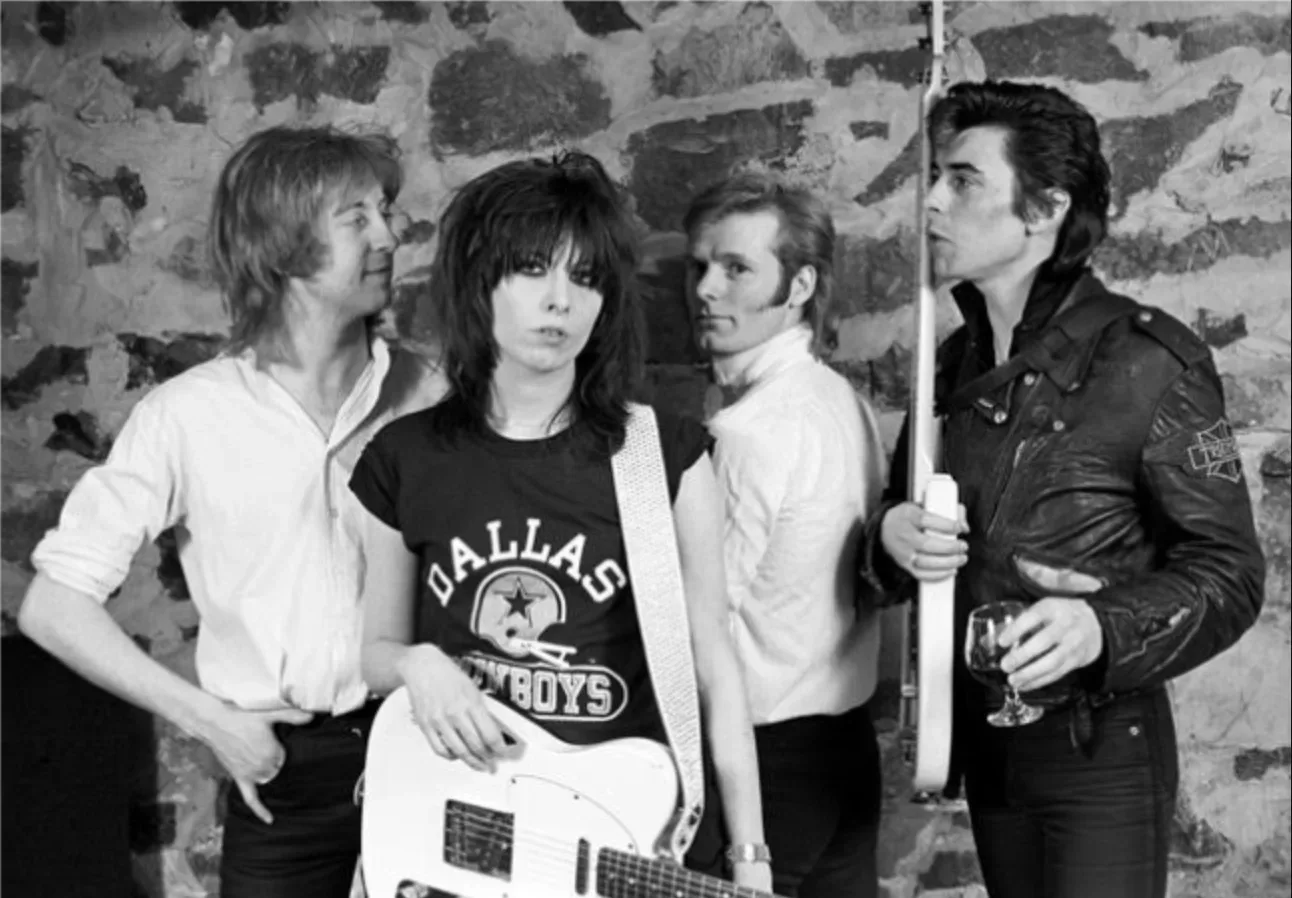
The 2011 Rock & Roll Hall of Fame induction marked another formal correction, and the new documentary gathers a wide supporting cast around the singer. Interview participants include Springsteen, Cher, Dionne Warwick, Letterman, Van Zandt, Nancy Sinatra, Shaffer, Lou Adler, Marc Shaiman, Robert Smigel and Jimmy Fallon. Their presence suggests the reach of Love’s influence, but the film’s subject remains sharply focused: Love’s own account and the voice that connects every period of the story.
Why the documentary’s subject still matters
Credit disputes can sound administrative until they are connected to an actual voice, a record and a livelihood. Love’s story shows that attribution determines more than trivia for dedicated music fans. It influences who can build an audience, command future opportunities and receive appropriate recognition for work that becomes culturally permanent. A song can be widely loved while the person most responsible for its vocal character remains unknown to millions of listeners.
It also offers a useful reminder for anyone revisiting older pop catalogs. Credits, group names and producer mythology are not always complete maps of a recording’s human labor. The name on a sleeve may reflect promotion, contract structures or producer decisions as much as the person actually singing lead. That does not make every famous credit suspect, but it makes careful listening and careful historical reading worthwhile.
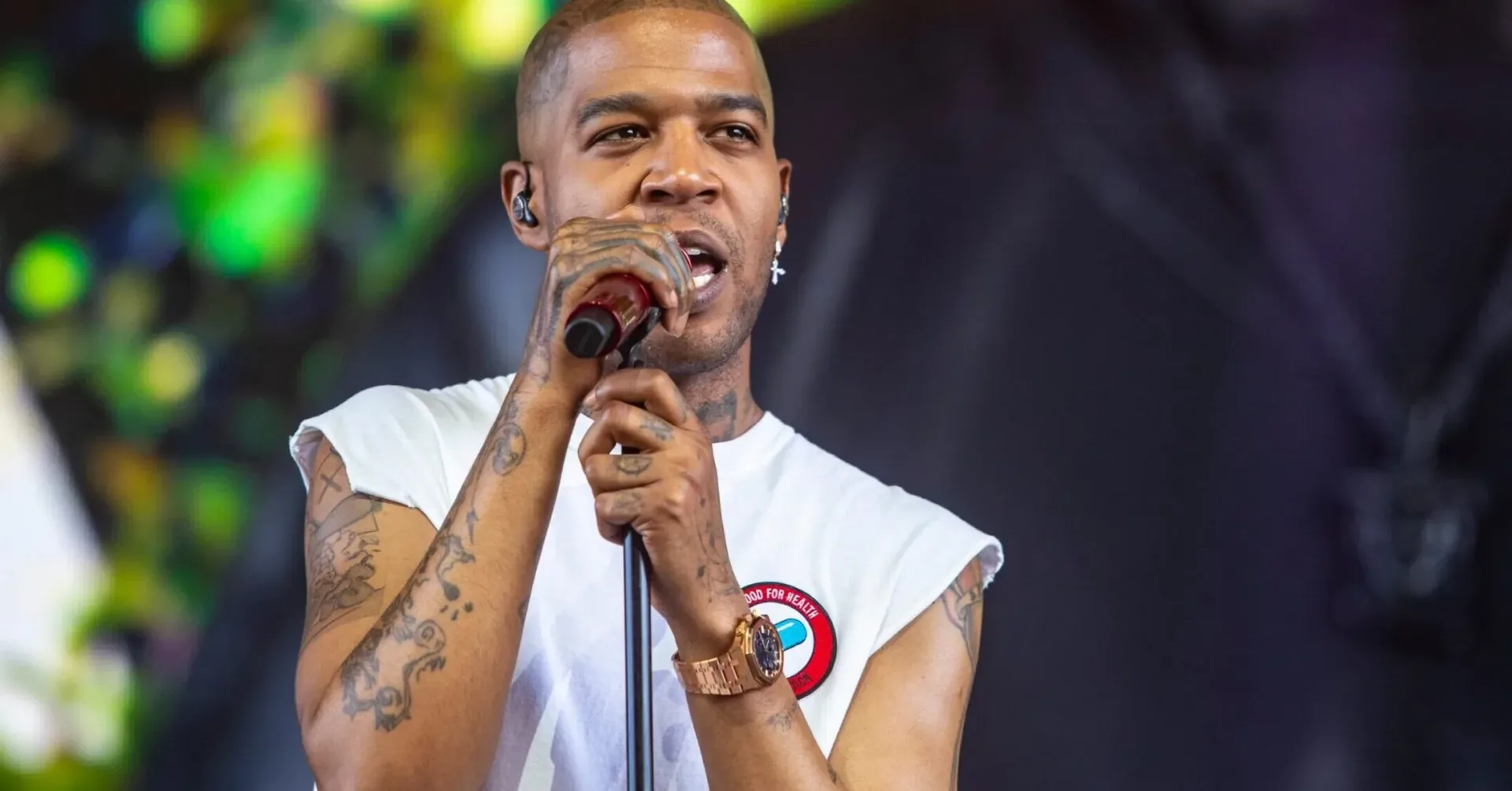
Questions of who controls a public narrative remain relevant across entertainment reporting, including recent disputes over how musicians’ private conversations are retold in public, such as Kid Cudi’s response to a disputed account of a private dinner conversation. Love’s case operates on a far deeper professional level, but both situations underline how identity can be shaped—or distorted—when someone else holds the megaphone.
Avrich’s documentary is ultimately positioned as a restoration of scale. It follows a singer who helped make defining pop music, was repeatedly placed at the edge of her own success, and kept moving until recognition caught up. “Christmas (Baby Please Come Home)” may be the best-known annual reminder of her power, but the larger case is far richer: Darlene Love was never merely adjacent to the history of pop. She was one of the voices that made it sound the way it did.