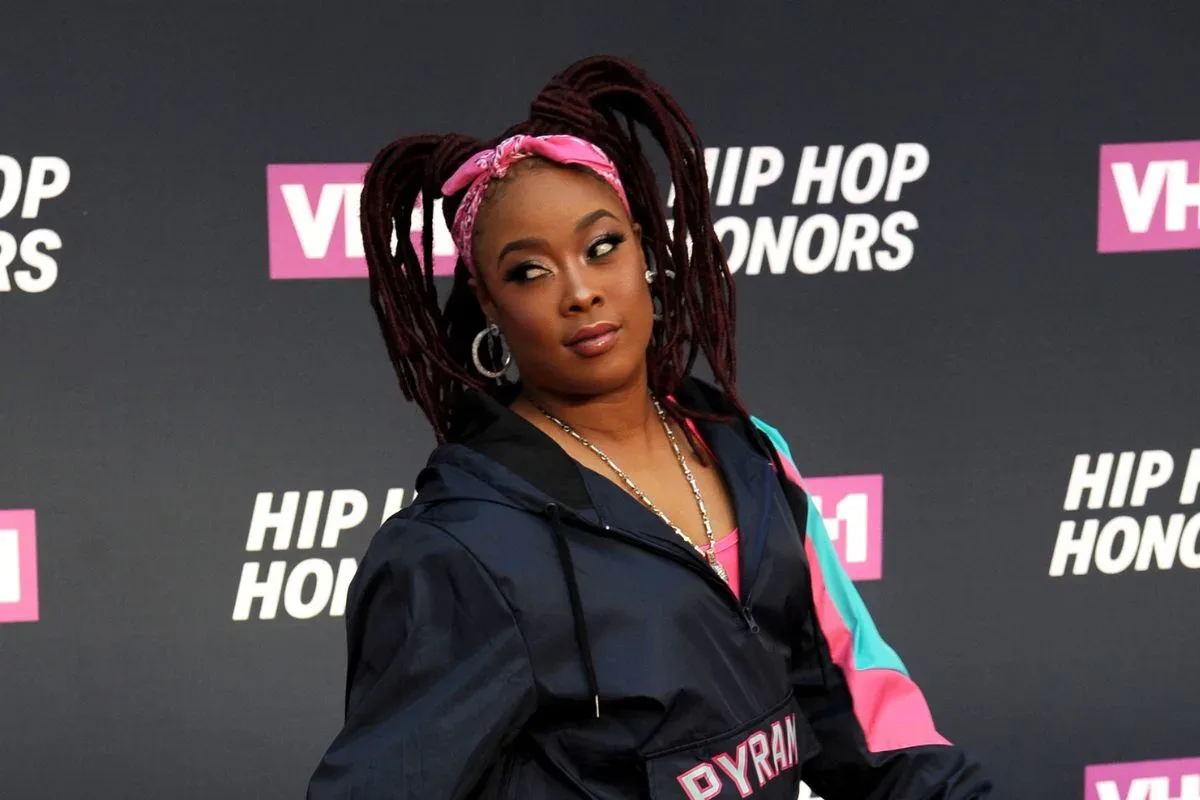
Da Brat’s return to Chicago this month comes with more than a performance credit. As she prepares to host and MC The Hip Hop Nutcracker at the Cadillac Palace Theatre, the rapper is also sharing a simple, hard-earned message for artists trying to grow beyond local recognition: keep pursuing the larger goal, stay humble and put in the work.
Her advice is rooted in an ambition she had early on. Da Brat wanted to become a star beyond Chicago, after watching performers in the city and imagining a career that could reach much farther. That ambition ultimately led to Funkdafied in 1994, the album that made her the first solo female rapper to earn platinum status.
That fact matters in the context of her message. The career path being discussed is not framed as an overnight transformation from a neighborhood stage to a major platform. It is a progression shaped by musical training, writing, performance, creative collaboration and persistence. Da Brat’s work with Jermaine Dupri and So So Def was part of turning her goals into a career with endurance, and her role in a touring holiday production shows another way that career can continue to evolve.
A hometown engagement with a larger lesson
The Hip Hop Nutcracker is scheduled to play the Cadillac Palace Theatre in Chicago from November 24 through November 29. Da Brat’s first performance is set for 7 p.m. on November 24. For an artist whose earliest ambitions were shaped by Chicago’s music community, the run places both her story and her advice in front of a hometown audience.
“We all started from the mud and didn’t have anything. Anything is possible,” Da Brat said.
The statement is encouragement, but it also has a practical edge. Aspiring artists are often told to “make it,” a vague phrase that can suggest a single finish line. Da Brat’s own account points to something more specific: first, identify the scale of career you want; then continue building toward it without treating early attention as the destination.
Her accompanying emphasis on humility is just as important. In this sense, humility is not presented as minimizing one’s talent or ambitions. It is the discipline to keep learning, working and collaborating even as opportunities arrive. For an artist hoping to move from a local audience to a wider one, that can mean treating recognition as motivation rather than proof that the work is over.
Music began before the records
Da Brat’s background also underlines that a musical career can begin in places that do not look like a traditional industry pipeline. Church gave her opportunities to sing and play instruments. Poetry later became another route into music, helping connect writing with performance.
Related coverage includes Da Brat Brings Chicago Advice to The Hip Hop Nutcracker Homecoming.
That detail offers a useful explanation of what songwriting can draw from. Poetry develops attention to rhythm, phrasing, imagery and point of view—skills that translate naturally to rap writing, even though a poem and a recorded verse are not the same form. Singing and instrumental experience, meanwhile, can build familiarity with timing and musical structure. None of these ingredients guarantee a career, but they show that artistic development can take shape well before someone enters a recording studio.
Watching other Chicago performers supplied another piece of the picture: visibility. Seeing working artists from the same city made the idea of a broader career feel imaginable. That does not erase the barriers facing new performers, but it helps explain why representation and local scenes matter. They offer examples of what a path can look like, even when each artist must create their own version of it.
What Da Brat is doing in The Hip Hop Nutcracker
Da Brat is joining the production as its host and MC. An MC, short for master of ceremonies, is a performer who helps guide the audience through a live event. In a hip-hop setting, the role can also involve vocal presence, energy and a connection between the music, dancers and audience. Here, it positions Da Brat within a theatrical work rather than a conventional rap concert.
The production reworks the familiar world associated with Tchaikovsky’s holiday score through hip-hop dance and a contemporary New York City setting. Digital graffiti takes the place of the story’s traditional old-world scenery, while a live violinist and a DJ help carry the music. A dozen dancers are part of the presentation.
Those elements are important because the show is not described as merely placing hip-hop performers next to a classical soundtrack. It is a staged adaptation that changes the setting and visual language while retaining central figures Maria-Clara and the Nutcracker Prince. The result is intended as an updated telling of the adventure, built around dance, live musical components and the recognizable material associated with The Nutcracker.
Jennifer Weber directs and choreographs the production. Choreography is the design of movement for performers; in a dance-driven show, it is a central storytelling tool. It determines not only how the dancers move, but how scenes communicate momentum, conflict, character and transition without relying exclusively on spoken dialogue.
Why this is a different kind of stage
The Chicago engagement illustrates the range available to an established rap artist. Da Brat’s place in the show is connected to hip-hop culture, but it operates within the structure of family-oriented holiday theatre. The production runs about two hours with an intermission and is open to audiences of all ages, creating a setting distinct from a standard club date or rap concert.
That difference should not be mistaken for a departure from hip-hop. The show’s premise puts hip-hop dance, a DJ and an MC at the center of its approach. Instead, it demonstrates how hip-hop performance can enter another format while retaining key parts of its identity. A classical score, a theatrical narrative and an intermission become part of the frame; the dance vocabulary, visual update and musical presentation reshape what happens inside that frame.
For younger Chicago artists, there is a broader takeaway in that flexibility. A career need not remain limited to the first venue, format or audience that recognizes an artist. Da Brat’s journey moved from the local scene that inspired her to a platinum album and, decades later, a role in a holiday stage production. The consistent element is not one platform; it is the ability to carry a creative identity into new spaces.
That is especially resonant in a hometown return. The performers Da Brat watched in Chicago helped her see a possibility. Now she arrives with a tangible example of what a longer career can encompass: rap records, ongoing public performance and a new role on a stage that combines dance, narrative and a holiday tradition.
Chicago dates and what audiences can expect
Audiences attending the Chicago run can expect a production built around the meeting point of familiar holiday music and a contemporary hip-hop presentation. Maria-Clara and the Nutcracker Prince remain in the story, but the setting shifts to present-day New York City and the visual backdrop uses digital graffiti rather than the traditional world commonly associated with the tale.
- Venue: Cadillac Palace Theatre, Chicago
- Run: November 24 through November 29
- Da Brat’s first scheduled show: 7 p.m. on November 24
- Format: Approximately two hours, including an intermission
- Creative lead: Jennifer Weber, director and choreographer
- Performance elements: Da Brat as host and MC, 12 dancers, a live violinist and a DJ
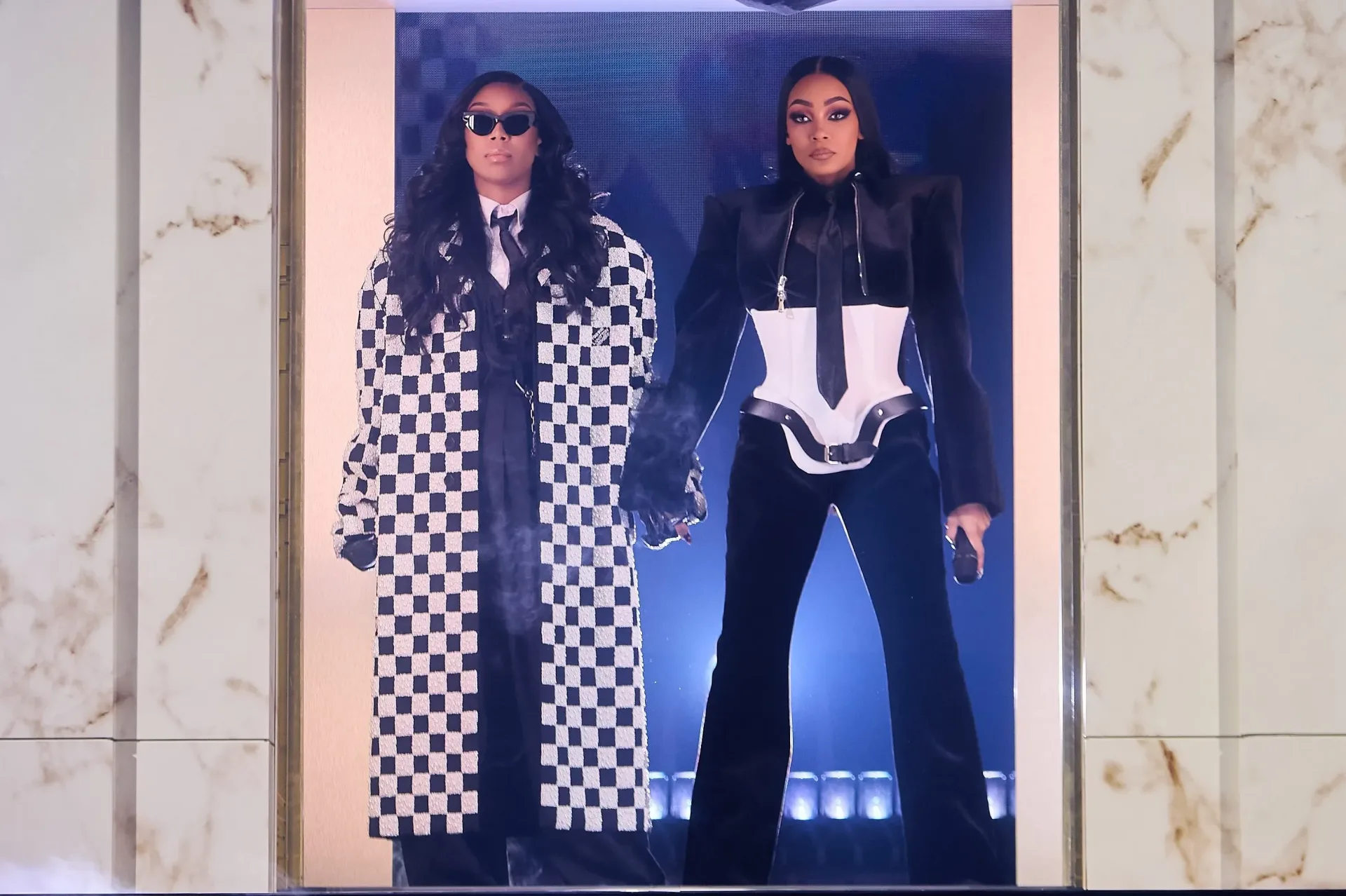
The appearance also arrives in a live-music landscape where veteran R&B and hip-hop figures continue to find new settings for performance, from theatrical runs to major residencies. For another example of artists bringing established catalogs to a structured live engagement, see Brandy and Monica’s planned Las Vegas residency.
For Da Brat, however, the immediate focus is Chicago: the city where she first saw performers, developed musical skills through church and poetry, and formed the ambition to become known outside her hometown. Her message to artists still working toward that step does not promise an easy route. It does insist that bigger ambitions are worth pursuing—and that persistence and humility should travel with them.