Crystal Lake has made a substantial early impression on Peacock. The streaming service says the Friday the 13th prequel series accumulated 1.3 billion minutes watched across its first 11 days, making it Peacock’s fourth-most-watched scripted original series ever by total minutes.
That is a deliberately specific measurement, and it is worth reading it carefully. It reflects total time spent watching rather than a disclosed number of individual accounts, households, or people. Using the show’s reported 398-minute total runtime, the figure works out to roughly 3.3 million full-series equivalents: in other words, 1.3 billion viewing minutes divided by the length of the entire season. That is a useful shorthand for scale, but it should not be treated as a literal count of 3.3 million unique viewers.
In Peacock’s all-time scripted-original ranking by minutes, Crystal Lake sits behind The Best Man: The Final Chapters, All Her Fault, and season one of The Five Star Weekend. The series’ performance also extended beyond Peacock’s own accounting. Nielsen placed it third among streaming original series across television during the week of Oct. 19, as well as third among first-season streaming series for that week.
What 1.3 billion minutes actually tells us
Streaming results are often compressed into a single large headline number, but “minutes watched” answers a different question from “how many people watched?” Every minute of an episode contributes to the total. A viewer who watches a complete 398-minute season contributes far more to the tally than someone who samples an opening episode and leaves. Rewatches also add minutes, as does watching an episode again with another person.
For that reason, the 3.3 million estimate is best described as complete-season viewing equivalents, not confirmed completed viewings and not a census of distinct audience members. The calculation assumes the 1.3 billion minutes can be evenly converted into whole runs through the show. Actual viewing behavior will be more varied: some viewers will have finished, some will still be progressing through the season, and some may only have watched part of it.
That distinction does not diminish the result. The platform’s 1.3 billion-minute number is a major volume of viewing in an 11-day period, especially when paired with an all-time ranking within Peacock’s scripted-original library. It simply establishes the right frame for interpreting the math. Minutes measure consumption; they do not independently reveal completion rate, subscriber gains, audience demographics, or the number of separate people who pressed play.
A quick way to read the calculation
- Total viewing: 1.3 billion minutes in the first 11 days.
- Season runtime: 398 minutes.
- Equivalent calculation: 1.3 billion divided by 398 is approximately 3.3 million.
- What it means: enough aggregate viewing time to equal about 3.3 million watches of the full season.
- What it does not prove: 3.3 million unique viewers, accounts, or guaranteed season completions.
This is also why the Nielsen placement matters. Peacock’s own ranking compares Crystal Lake with the service’s scripted originals. Nielsen’s weekly ranking places the series in a broader competitive picture covering streaming television. The two measurements are not interchangeable, but together they indicate that the show generated a large amount of early viewing both within its home service and relative to other streaming originals available during that week.
Social attention accompanied the viewing surge
The show’s launch generated sizable social-media activity as well. Measured by Sprout Social, Crystal Lake received 1.8 billion social impressions in one day and more than 7.6 million video views over 11 days.
Related coverage includes ‘Crystal Lake’ Reaches 1.3 Billion Minutes Watched on Peacock.
An impression generally refers to a piece of content being displayed, rather than proof that a person watched it, clicked it, or even stopped scrolling long enough to read it. One person can generate more than one impression across different posts, platforms, or repeat exposures. A video view is also a separate metric from a completed episode stream. The two social figures therefore should not be added to the Peacock viewing number or read as an additional audience total.
Even with those limits, the social measurements provide useful context. A premiere can have strong watch-time totals without producing much public conversation, or it can create a loud online moment that does not convert into sustained viewing. Here, the reported metrics show both substantial early streaming consumption and a very broad burst of online visibility. The data supplied does not establish that one caused the other, but it does show that the release was not quietly accumulating minutes in isolation.
The timing also places the horror prequel in a particularly seasonally resonant stretch of the calendar. Readers looking for game-side seasonal activity can also see how Halloween programming spreads across entertainment in this roundup of limited-time spooky rewards in Fortnite, Pokémon, Warframe, and more. That broader seasonal overlap is context, rather than evidence about why any individual viewer chose to watch Crystal Lake.
A prequel centered on Pam Voorhees
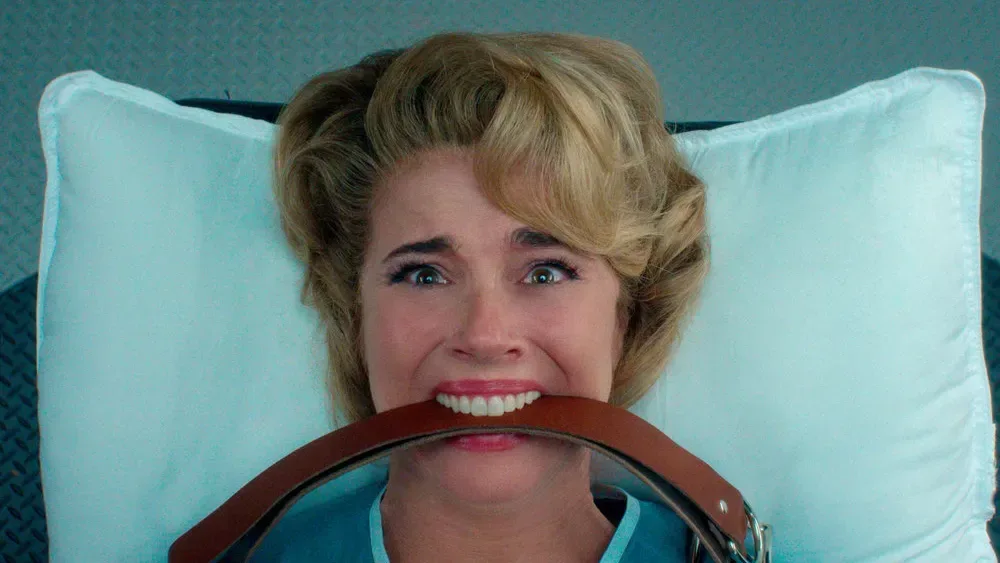
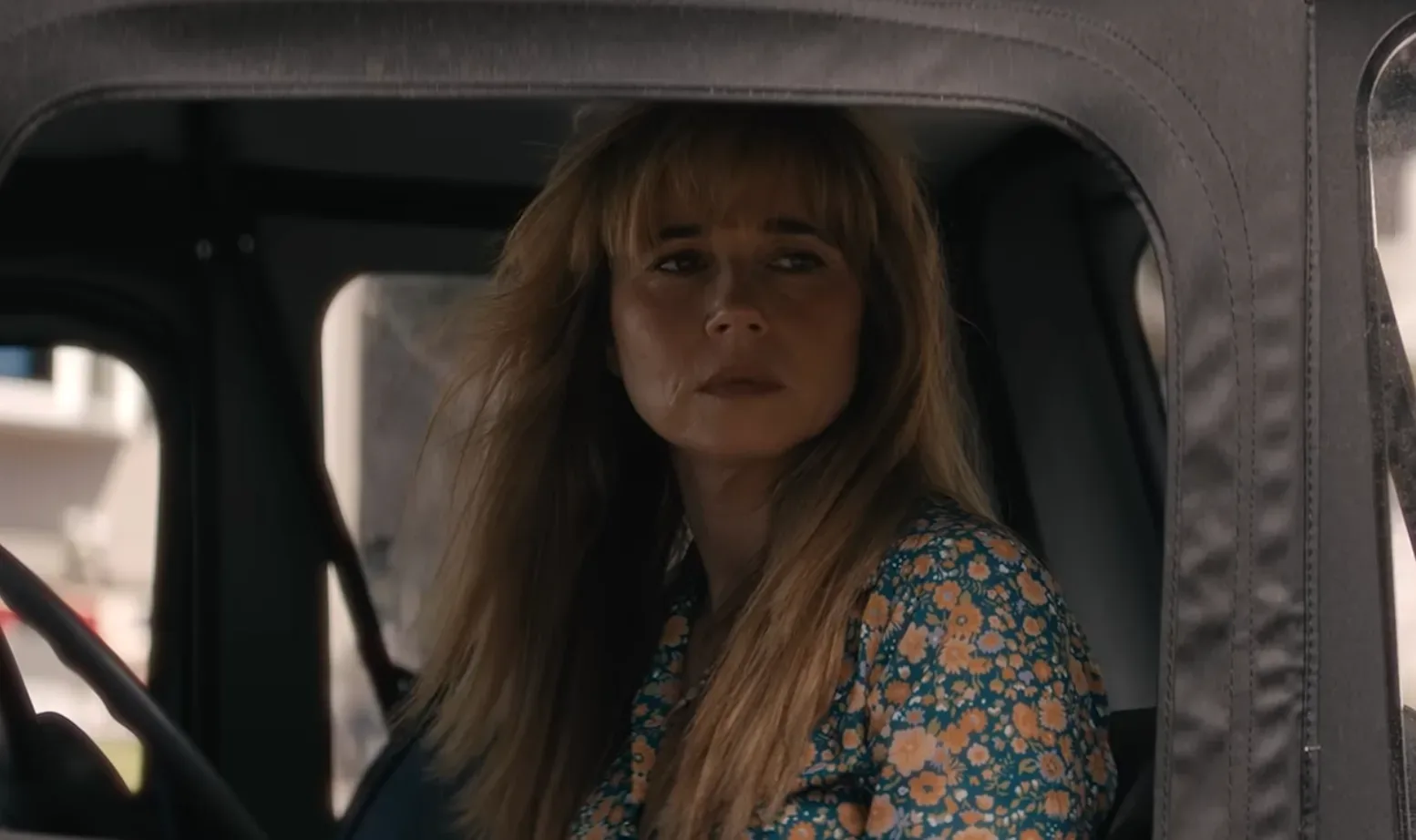
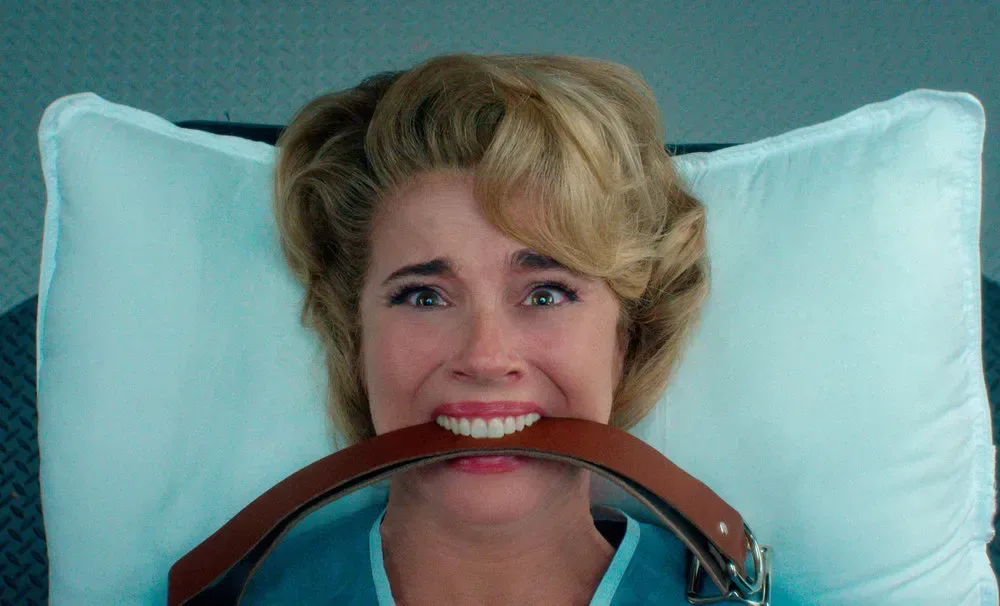
Crystal Lake is built as a prequel to Friday the 13th and centers on Pam Voorhees, played by Linda Cardellini. The official setup places the story nearly a year after the drowning of her young, sickly son, Jason, played by Callum Vinson. Pam has been unable to move beyond that loss when two strangers arrive at her home and begin probing her past.
That inquiry sets off a troubling sequence of events that leaves the town asking who Pam Voorhees really is. The premise makes the show’s focus clear: rather than presenting the lake only as a setting, it uses the community around it and the unresolved grief within it as the engine for its mystery.
Cardellini and Vinson lead a cast that also includes William Catlett, Devin Kessler, Cameron Scoggins, Gwendolyn Sundstrom, Nick Cordileone, Joy Suprano, Danielle Kotch, and Phoenix Parnevik. Brad Caleb Kane created the series and serves as showrunner.
“Showrunner” is an industry term for the senior creative leader who oversees the overall direction of a television series. The role can involve coordinating writers, guiding story and production decisions, and maintaining continuity across the season. Kane is also among the executive producers, alongside Marc Toberoff, Victor Miller, Robert M. Barsamian, Robert P. Barsamian, Stuart Manashil, Tyson Bidner, Michael Lennox, and Roy Lee.
The directing team includes Lennox, Celine Held, Logan George, and Quyen Tran. A24 is the studio behind the series.
Why the rankings need separate labels
There are several rankings in the early results, and each has a narrower meaning than a broad phrase like “one of TV’s biggest shows” might suggest. Peacock calls Crystal Lake its fourth-most-watched scripted original of all time, based on overall minutes watched on that service. That comparison excludes categories outside scripted originals and applies to Peacock’s catalog rather than every platform.
Nielsen’s weekly result is broader in platform scope but tighter in time. It identifies the show as the third-most-watched streaming original series across television for the week of Oct. 19. It also identifies it as the third-most-streamed first-season series in that same weekly comparison. Neither statement means the series is third across every type of programming for all time; they describe its position within defined streaming-original and first-season groupings during a particular week.
Those boundaries are not nitpicking. They are what allow viewers to understand the accomplishment accurately. A platform lifetime chart measures one thing, a cross-service weekly chart measures another, and social reach measures something else again. Crystal Lake has strong figures in all three areas supplied here, but the categories should remain distinct.
What the early performance establishes—and what it leaves open
The available figures establish that Crystal Lake has become one of Peacock’s biggest scripted-original launches by aggregate minutes and that it competed near the top of the weekly streaming-original field. They also establish unusually large reported social reach around its debut. For a prequel series working from a recognizable horror property, that is a meaningful early signal of attention.
What the figures do not establish is equally important. No second-season decision is indicated by the available information. There is no breakdown of how the viewing was distributed episode by episode, no completion data, no accounting of unique viewers, and no measure here of critical reception. The numbers also do not say whether audience activity will remain at the same level after the first 11 days.
Still, the opening snapshot is clear. In less than two weeks, Crystal Lake generated 1.3 billion minutes of viewing, an estimated 3.3 million full-season equivalents based on its 398-minute runtime, and a top-four all-time standing among Peacock scripted originals. Its Nielsen and social results add independent dimensions to that picture: a strong competitive weekly placement and a launch that traveled widely online.