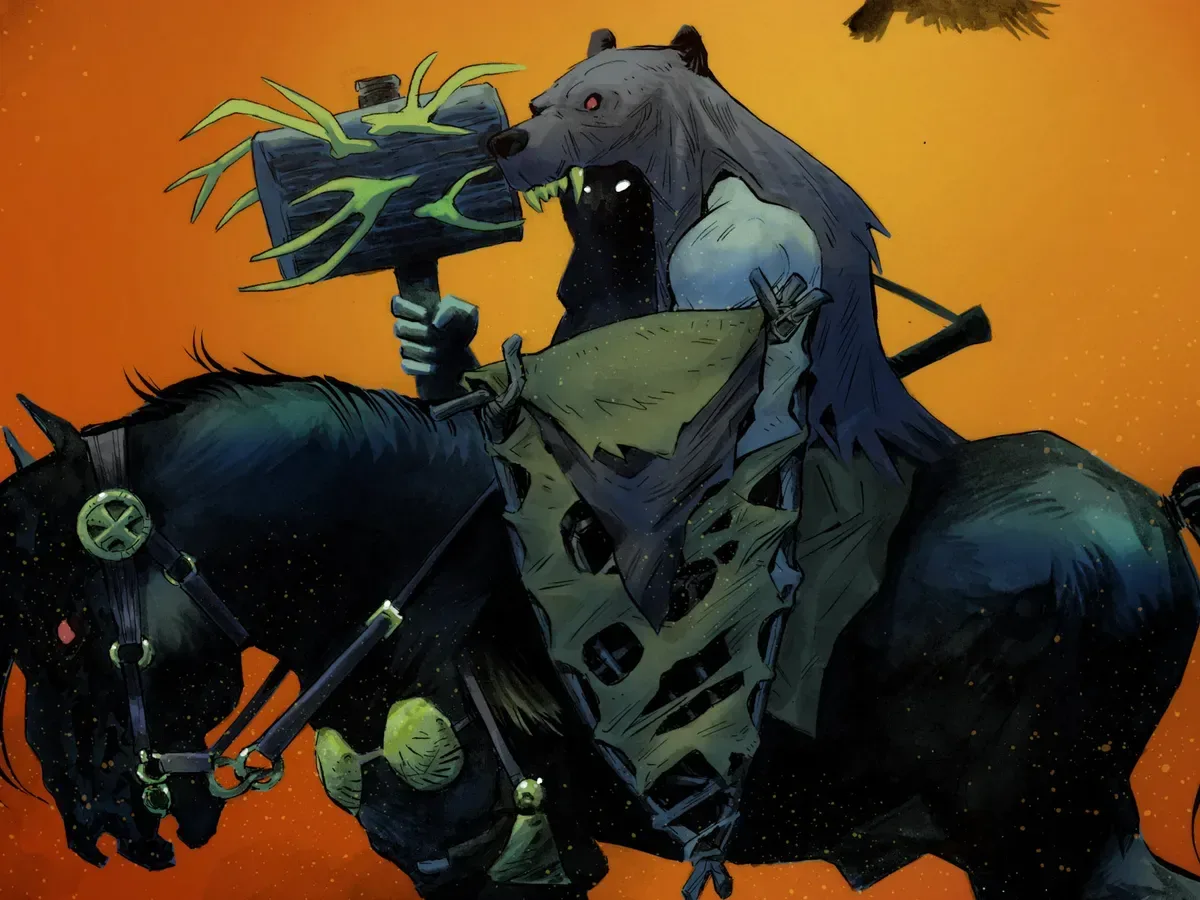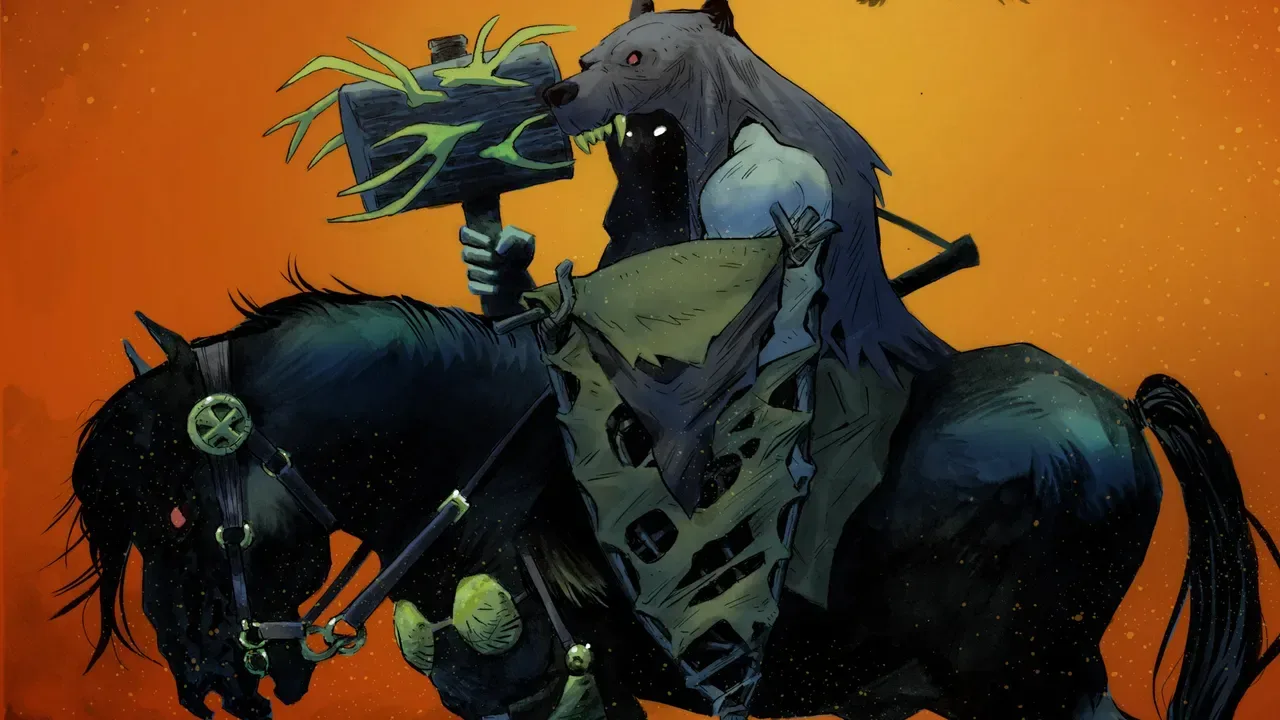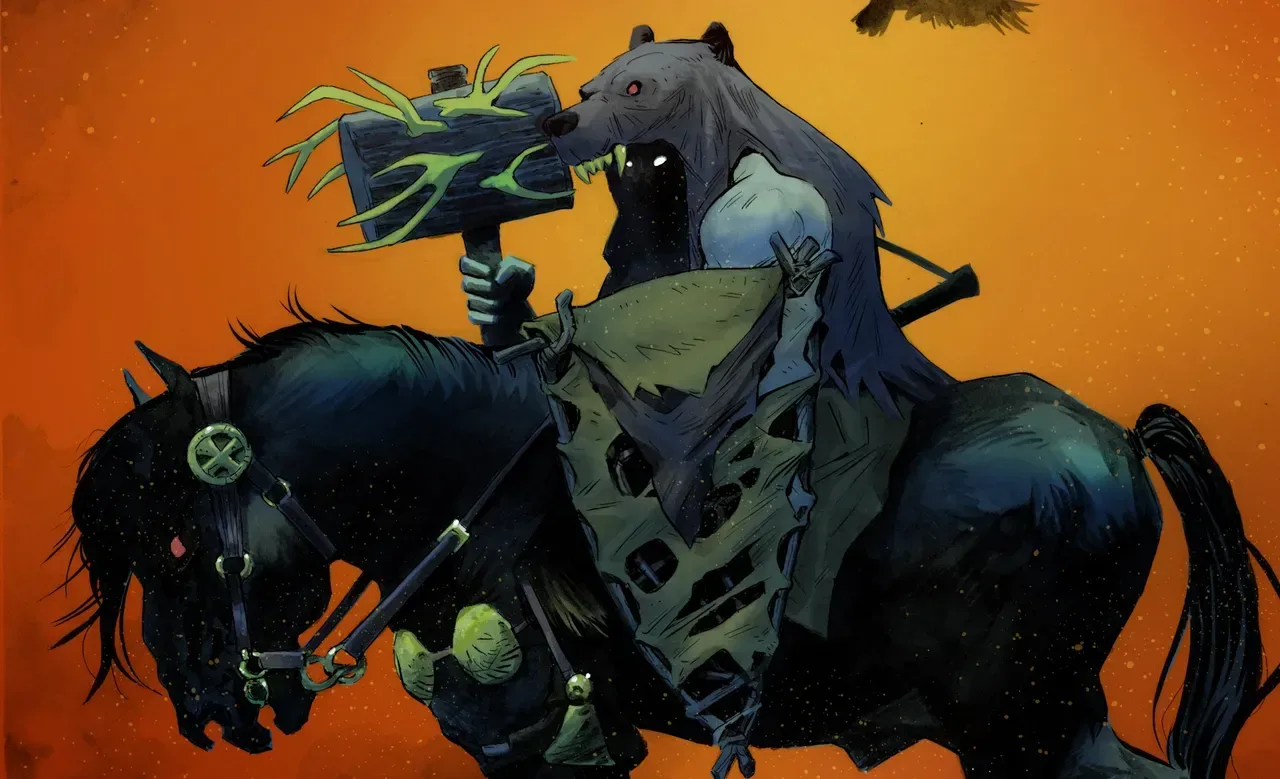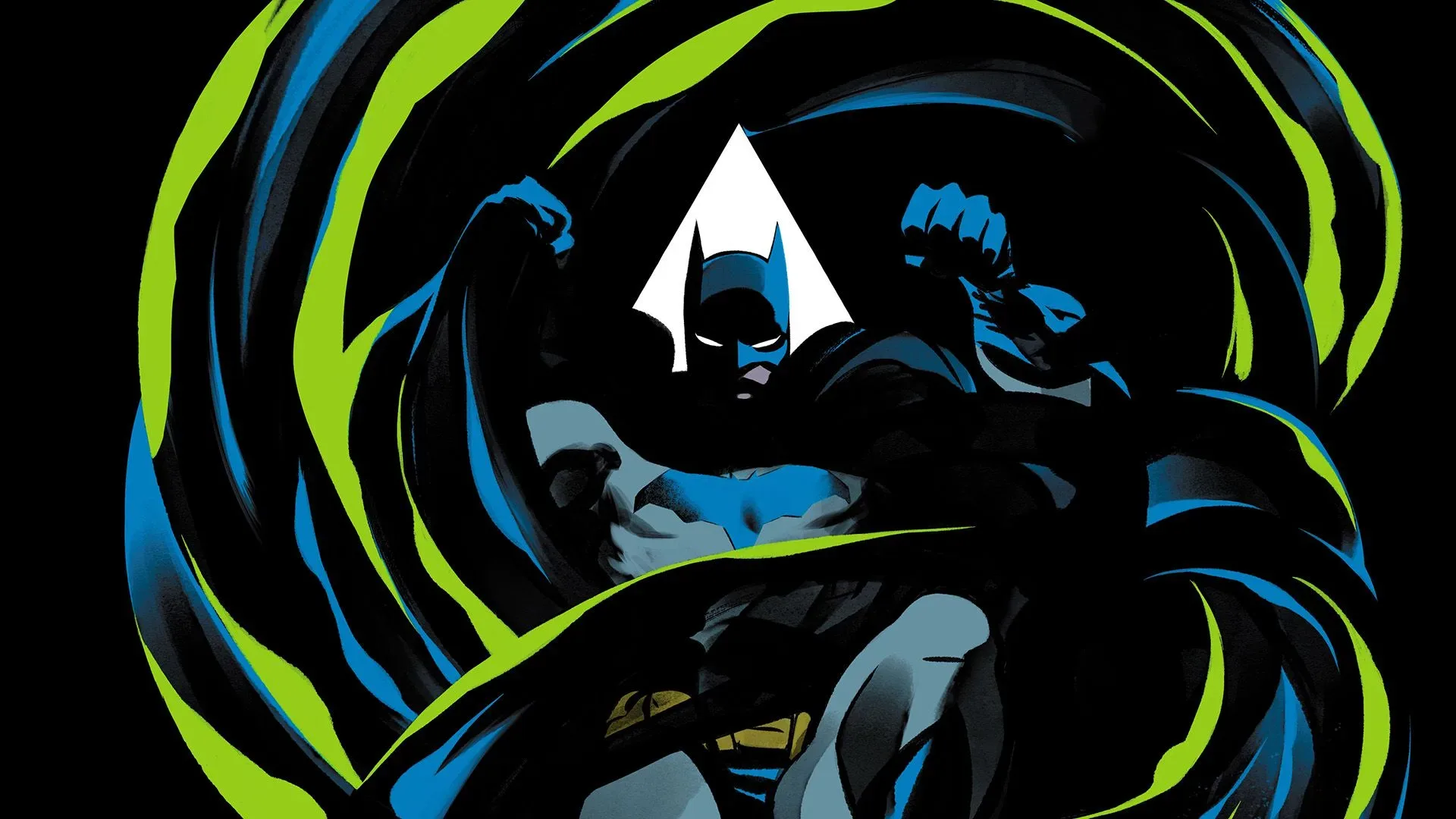
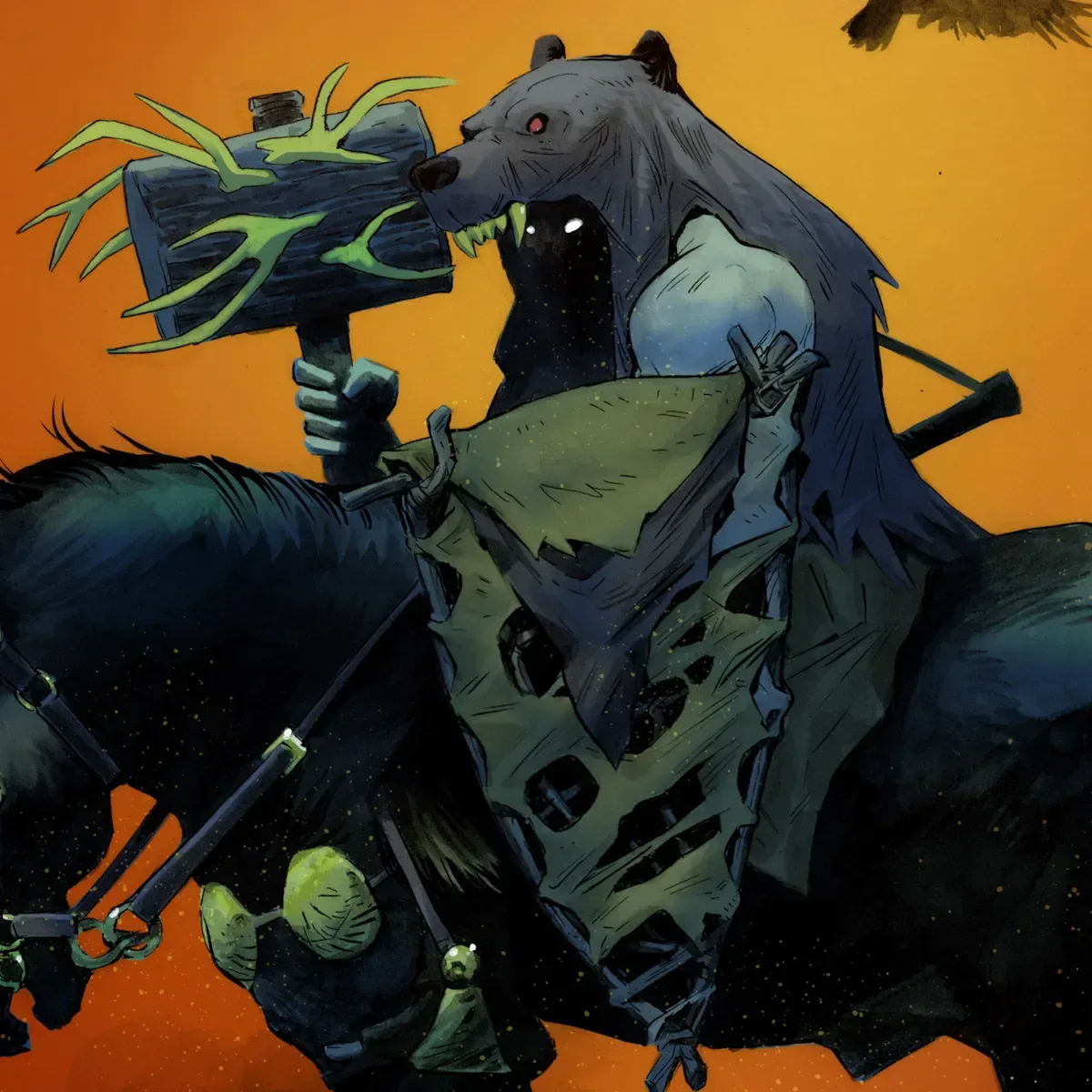
Valheim is heading from the longhouse to the comic shop. Iron Gate Studio is working with GUNGNIR Books and MOOD Publishing on an official, multi-issue comic book series based in the Viking survival game’s world. The first release is planned for the first quarter of 2027, though a specific date, issue format and purchasing details have not yet been shared.
Most importantly, this will not be a panel-by-panel retelling of a familiar player journey. The stated plan is for new stories in Valheim’s mysterious tenth Norse realm, using its mythology, gods, monsters, civilizations and harsh environments as the setting for fresh adventures. That distinction matters for a game built around emergent survival stories: players may share the same broad world, but their expeditions, setbacks and triumphs do not unfold in one fixed narrative.
The comic’s creative roster is already substantial. Writers attached to the project include Steve Orlando, Deric A. Hughes, Ben Raab, J. Holtham, Brea Grant, Tim Sheridan and Olan Rogers, alongside TD Orel, Chris Klian, Andrew Sanders and GUNGNIR Books founder Matthew Medney. Confirmed artists include Scott Oakley, Vanessa Del Rey, Lucas Pereira and Mario Del Pennino, while Mohamad Samah is overseeing production design. Further contributors are expected to be revealed later.
Original legends rather than a walkthrough in panels
Adaptations of games often face a basic problem: a game’s story may be inseparable from the person playing it. Valheim is a particularly clear case. Its survival framework asks players to explore dangerous terrain, gather resources, build shelter, prepare for threats and contend with hostile creatures. Progress is shaped by choices and timing, not only by a predetermined sequence of scenes.
A comic cannot reproduce that participation. It cannot make a reader decide whether the next trip into the wilderness is worth the risk, nor can it recreate the practical tension of maintaining food buffs while preparing to venture farther from safety. But it can do something a survival game does not always foreground: follow people and events beyond a player’s own immediate campaign, with a controlled pace and a defined point of view.
That is the opportunity in the decision to tell original stories. The series can use recognizable thematic foundations—exploration, survival and encounters with formidable local wildlife—without treating the game like a plot outline that simply needs dialogue balloons. It also creates room for stories about the realm’s mythology and civilizations that might not map neatly onto a typical play session.
“Multi-issue” means the adaptation is planned as a sequence of comic releases rather than a single standalone volume. Beyond that, the structure is still unknown. There is no confirmation of the number of issues, whether the creative teams will work together on one connected narrative or separate tales, or how frequently issues will arrive. Those are meaningful details for comic readers, but they remain forthcoming rather than settled facts.
A broad team for a broad world
The announced group brings experience from comics, television and animation. Orlando’s credits include Wonder Woman and Avengers; Hughes and Raab are associated with Quantum Leap; Holtham’s work includes The Handmaid’s Tale and Supergirl; Grant is known for 12 Hour Shift; Sheridan has worked on Masters of the Universe; and Rogers is connected to Final Space.
Related coverage includes Valheim Comic Book Series Will Bring New Viking Legends to the Page in 2027.
Those credits do not reveal exactly what the Valheim comic will look or read like, and it would be premature to infer a particular genre balance, plot or visual style from them. They do establish that the project is being staffed by people with backgrounds across several storytelling forms, rather than treated as a minimal branding exercise.
The art side is just as central here. Valheim’s premise contains a useful visual contrast: a realm of Norse-inspired mythology and monsters, but also the daily vulnerability of people trying to survive in dangerous surroundings. Comic art has to communicate both scale and consequence. A god or creature needs presence; a hazardous environment needs to feel consequential; exploration has to read as discovery rather than merely travel between scenes.
Production design, overseen by Samah, is a separate part of turning an adaptation into a coherent physical and visual publication. In broad terms, it covers the design language that helps keep a project consistent across its pages and contributors. With multiple writers and artists announced, that connective work could be especially important, though the publishers have not detailed the project’s production approach.
“We’re not interested in simply retelling what millions of players have already experienced,” Medney said of the project, describing an aim to explore unseen corners and untold legends within Valheim’s universe.
Why the tenth realm is a useful comic setting
Valheim has sold more than 17 million copies worldwide since entering Steam Early Access in February 2021. That audience gives the comic a sizable foundation, but the setting itself may be the more important asset. The tenth realm is described as mysterious, and its mythology contains more than a direct recap of game events needs. Gods, monsters, entire civilizations and dangerous environments are all named as material the series intends to explore.
For readers already familiar with Valheim, that approach suggests a chance to see the setting from perspectives not defined by their own character or construction projects. For newcomers, original stories could also offer an entry point that does not require prior mastery of the game’s systems. The publishers have not said whether the comic is intended to be a starting point for new readers, so that remains analysis rather than a promise. Still, a self-contained comic narrative generally has the ability to introduce a world differently from an open-ended survival game.
There is also a practical tonal advantage to the medium. Survival stories naturally contain repetition: gathering, repairing, preparing and recovering. In a game, those actions create player agency. In a comic, creators can select the moments where preparation pays off, where it fails, or where a dangerous encounter changes the larger course of a journey. That does not make comics a replacement for play; it makes them a different tool for telling stories in the same world.
Another step beyond the game
The comic is not Valheim’s first move outside its original format. Valheim: The Board Game is also being developed with MOOD Publishing. Taken together, the projects show a franchise extending into forms with very different strengths: video games center direct interaction, tabletop games turn the setting into a shared rules-and-table experience, and comics can guide readers through authored stories at a fixed pace.
None of that means every adaptation needs to duplicate the others. In fact, the comic’s emphasis on new legends is a sensible division of labor. A board game and a survival game can ask audiences to make tactical or practical decisions. A comic can concentrate on character perspective, mythic revelation, atmosphere and dramatic consequence without asking anyone to inventory supplies.
Fans looking for immediate game updates should keep expectations calibrated. This announcement concerns a separate comic project, not new in-game content, and the currently confirmed window is only Q1 2027. For a closer look at another upcoming PC project built around repeat runs and difficult choices, see our coverage of the Slay the Spire 2 beta’s new content.
What has not been announced
There is plenty of reason for interest, but not enough information yet to make collecting or release plans. No individual issue titles have been announced. There are no confirmed covers, creative-team assignments by issue, page counts, release cadence, retailer details, digital availability, collected editions or special editions. The possibility of collectible editions has been raised, but no such edition has been formally detailed.
That means the useful takeaway is straightforward: Valheim’s comic debut is real, staffed by a large group of named creators and targeted for early 2027; the reading experience itself is still largely under wraps. Until more is revealed, the most reliable expectation is an original return to the tenth realm—one where somebody else has to deal with the monsters, the cold and the consequences of a bad expedition.