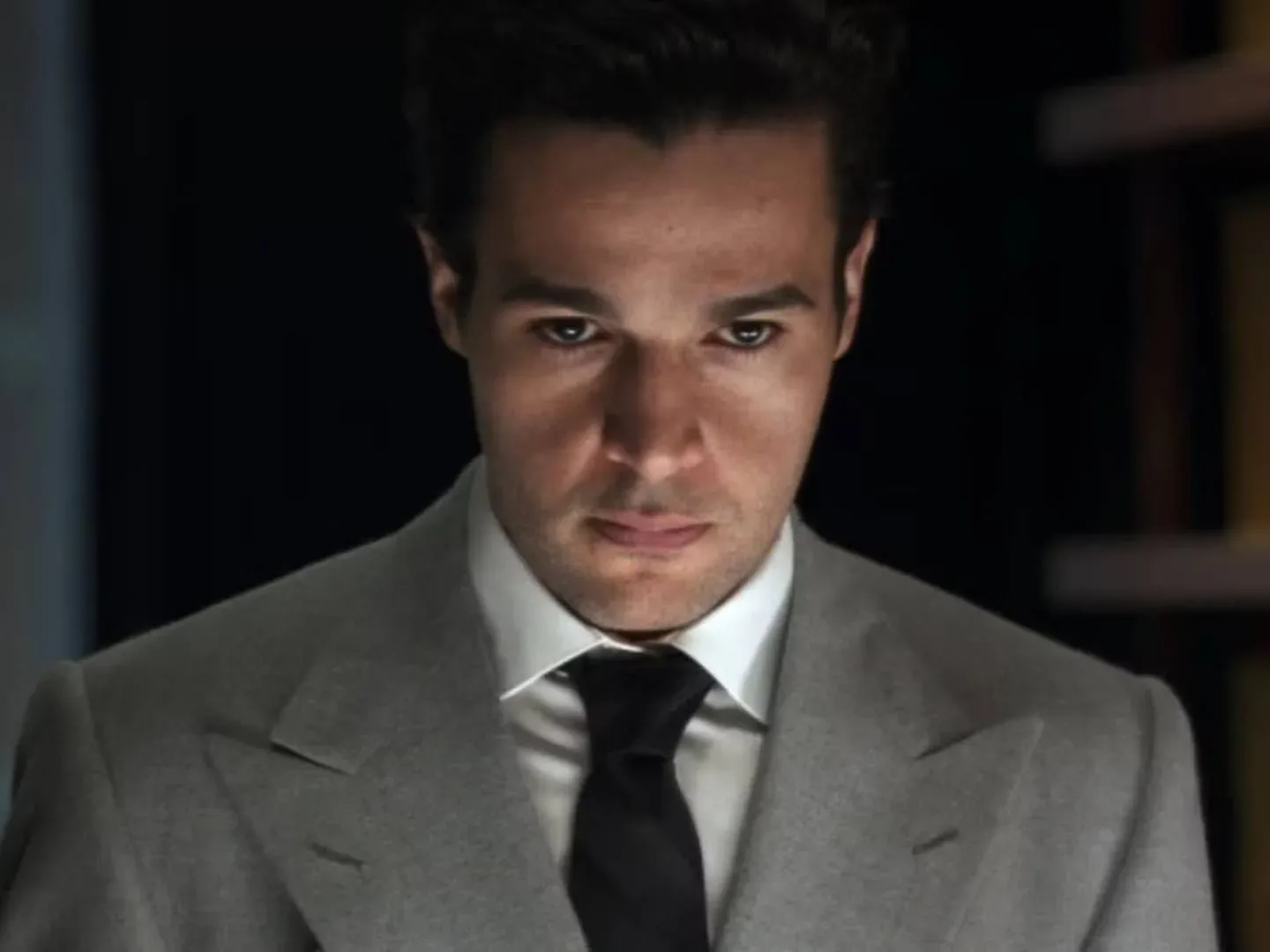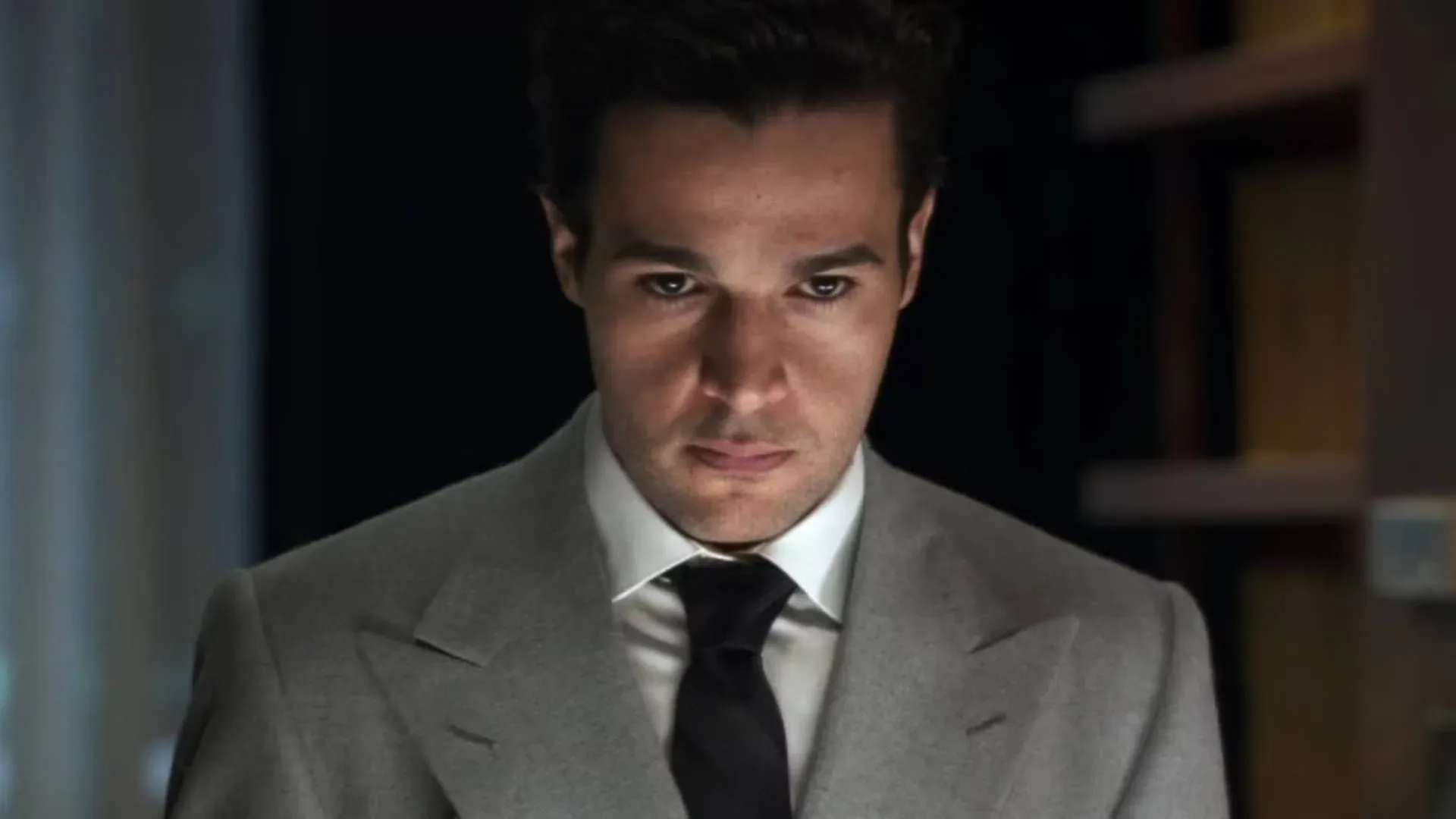
Christopher Abbott has described the strange split-second math of a major franchise casting reveal: walk onstage ready to celebrate, hear a response that feels less thunderous than expected, and immediately change course.
Abbott, who is set to play a younger Professor Charles Xavier in Marvel’s upcoming X-Men, said his D23 introduction was “a bit of a dream and a nightmare.” The issue was not the role’s significance. It was the uneasy feeling that a large portion of the audience did not immediately know who had just stepped onto the stage.
“I think I started walking out pretty enthusiastically, and then I kind of felt like a lot of people there didn't know who I was, so then my energy shifted within the split second,” Abbott said. “I was a little bit more humble about it.”
That is a candid account of a moment usually packaged as effortless spectacle. Cast presentations at fan events are designed around instant recognition: a name, a face, a costume or a character reveal that prompts the room to react before the person has reached their mark. Abbott’s experience illustrates what happens when the audience knows the franchise intensely but may not have the same immediate connection to every actor recruited to carry it forward.
A famous role, a new audience introduction
Professor Charles Xavier is among the most recognizable figures associated with X-Men, but Abbott’s casting does not depend on viewers already associating him with the character. He will portray a younger version of Xavier, a role originated onscreen by Sir Patrick Stewart in 2000. The age difference is part of the point: this is a new interpretation built around a performer much younger than Stewart was when he first played the mutant leader.
For audiences, a casting reveal can merge two kinds of recognition that do not always arrive together. One is character recognition: viewers know Xavier. The other is actor recognition: viewers instantly know the performer. Abbott’s comments suggest the former may have been considerably stronger in that D23 room.
That gap is not necessarily a judgment on an actor’s body of work. Abbott played Charlie on Girls, appeared in the Oscar-winning Poor Things, co-starred with Julia Garner in 2025’s Wolfman remake, and played the Foreigner in Kraven the Hunter. Those credits span television, awards attention, horror and comic-book cinema, while his earlier reputation was largely tied to independent film.
But a convention-stage response is its own particular kind of feedback. It is immediate, public and imprecise. A muted applause level can reflect recognition, seating, timing, how the introduction was framed, which announcements came before it, or simple surprise. Abbott did not present it as a definitive verdict on himself; instead, he recalled adjusting his own body language as he read the room.
“I almost did a fist pump when I walked out, and then I felt like the applause was muted,” Abbott said. “So I was like, ‘I'm just going to walk out and nod.’ It feels almost like a video game, or a dream. Not like a good dream.”
The pressure built into a casting-panel entrance
Abbott’s video-game comparison fits the odd mechanics of a high-profile panel reveal. There is a clear objective—make the entrance, acknowledge the crowd, sell the excitement—but the person onstage receives almost no time to understand the situation before responding to it. There is no pause menu for recalibrating a fist pump.
That is also why the account feels more human than a conventional casting anecdote. Franchise announcements can make actors appear as if they are already finished products: fully accepted by fans, instantly inseparable from the part, and untouched by uncertainty. Abbott instead describes an ordinary social instinct under extraordinary conditions. He thought the room might not recognize him, so he became more reserved.
The long-term importance of that initial applause is likely limited. A character performance, trailers and the finished film give audiences far more material to respond to than a brief walkout. Still, the story helps explain why fan-event introductions can be daunting even for experienced actors. A large crowd’s reaction is not a clean measurement, but it can feel definitive when it is happening in real time.
Marvel revealed some, but not all, of the movie’s cast during its summer D23 panel. The announced ensemble also includes Maya Boyd as Storm, Asa Germann as Angel, Adam Driver as Mister Sinister and Samara Weaving as Emma Frost. Sadie Sink has already made her debut as Jean Grey in Spider-Man: Brand New Day.
What Abbott’s casting signals for Xavier
The available casting information establishes a basic creative direction without filling in story details: this X-Men will feature a younger Xavier. That should not be mistaken for confirmation of a specific plot, timeframe, team structure or relationship dynamic. None of those details have been established here. What is clear is that Marvel is introducing Abbott into a role with substantial screen history and unusually high audience expectations.
For Abbott, that means two separate tasks. The first is practical: portray Xavier. The second is cultural: become legible to viewers who know the character before they know the actor. His D23 moment was, in miniature, the beginning of that second task.
It is easy to frame the subdued reaction as an embarrassing loss in a crowd-versus-actor narrative, but Abbott’s own version is more nuanced. He began with confidence, sensed uncertainty, pulled back, and later described the entire thing as simultaneously dreamlike and unpleasant. That is not a disaster story; it is a reminder that the path to playing an iconic character can start with a room still catching up.
There is considerable time for that introduction to continue. X-Men is scheduled to reach theaters on May 5, 2028. Its release joins a broader 2028 film calendar that is still taking shape, including projects whose dates have moved, as seen in the recent shift of Helldivers to 2028.
For now, Abbott’s recollection supplies the most memorable detail attached to his Xavier debut: he nearly celebrated with a fist pump, then opted for a nod. By the time the film arrives, that small adjustment may feel like a fitting prologue to a much larger introduction.