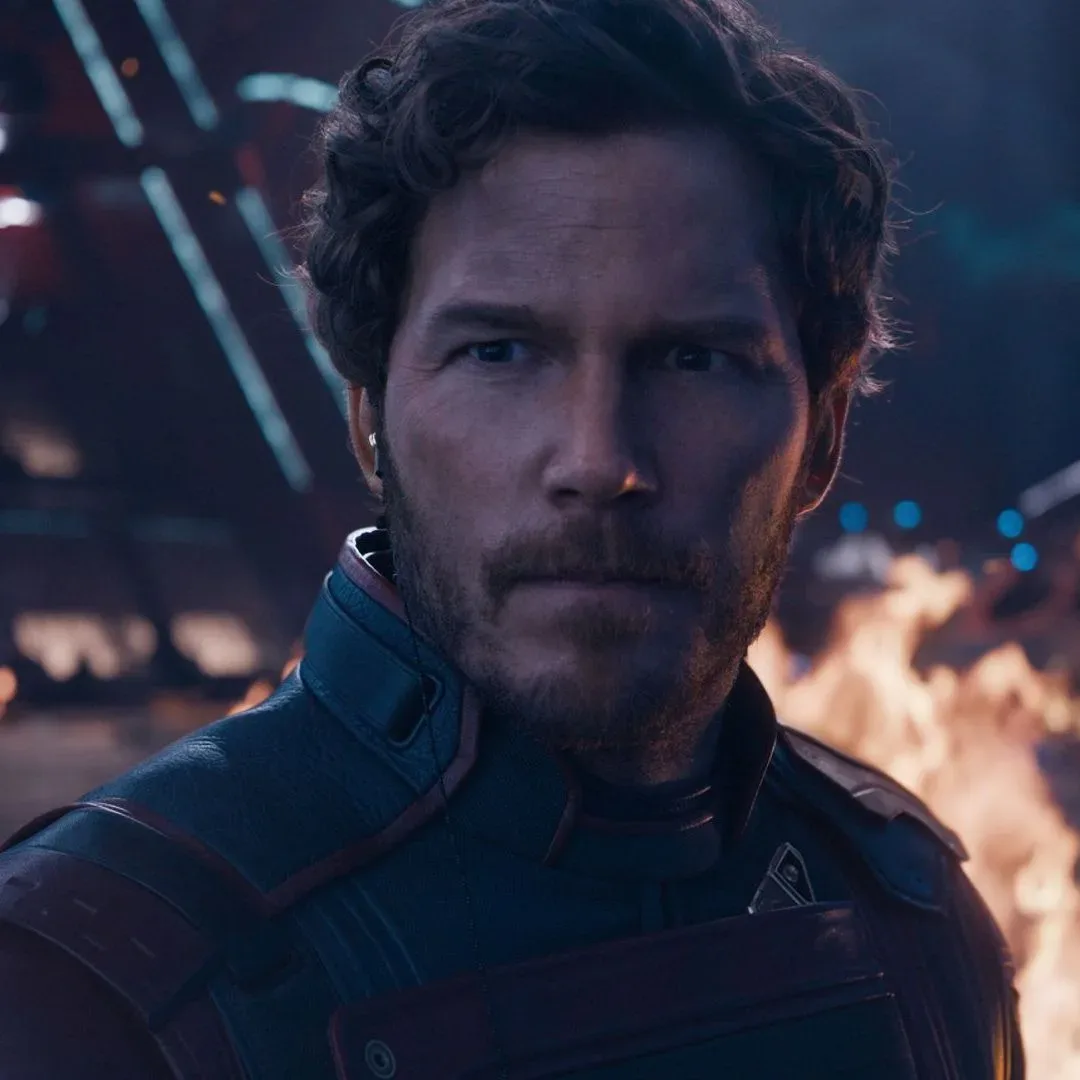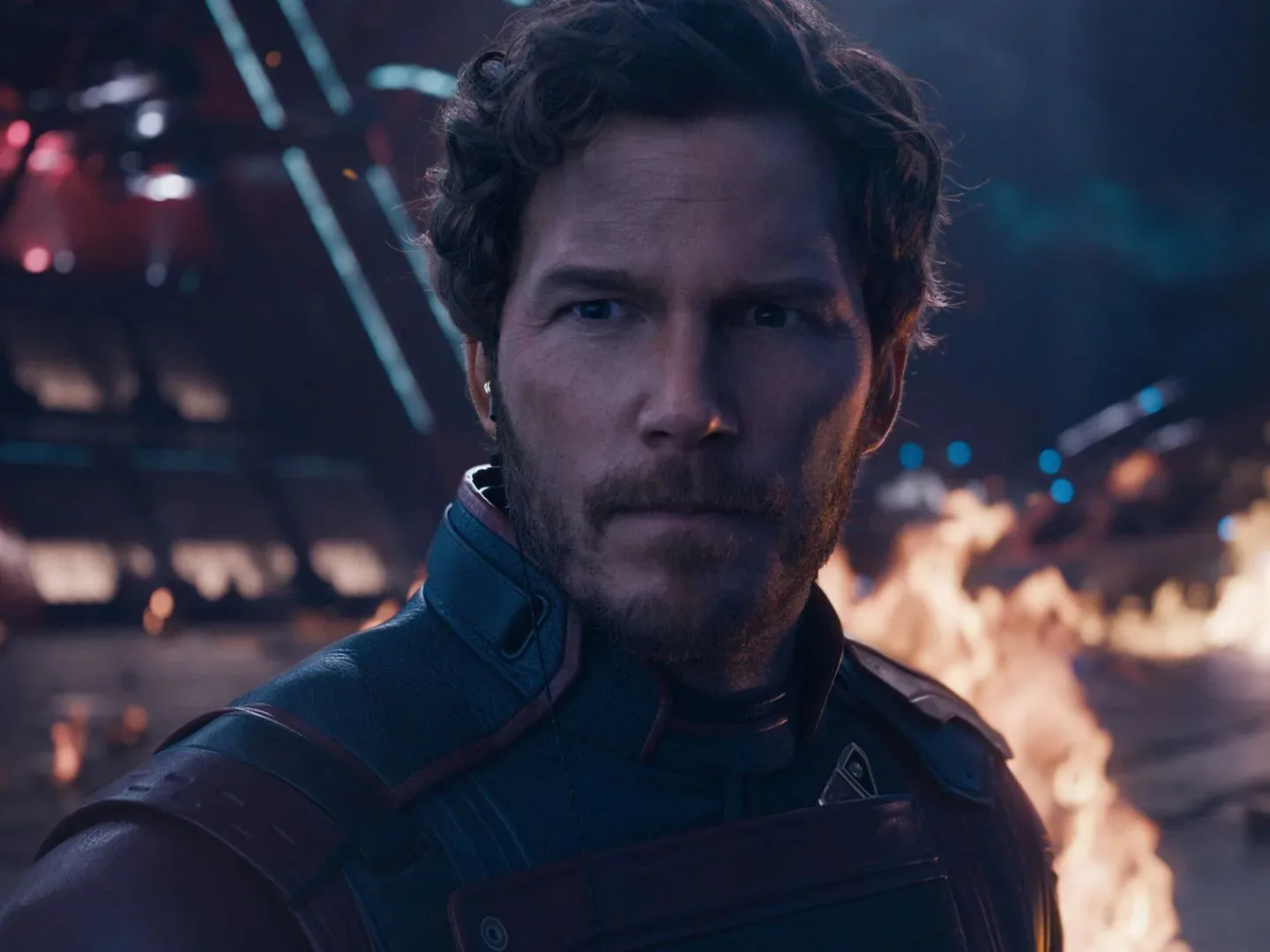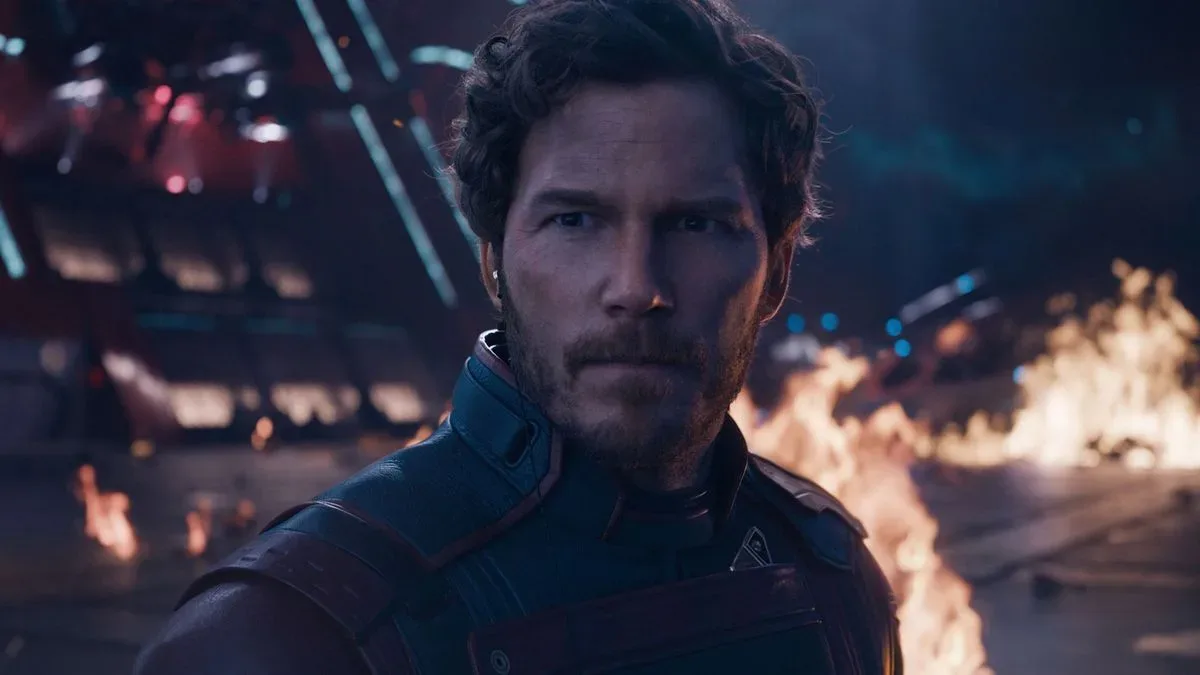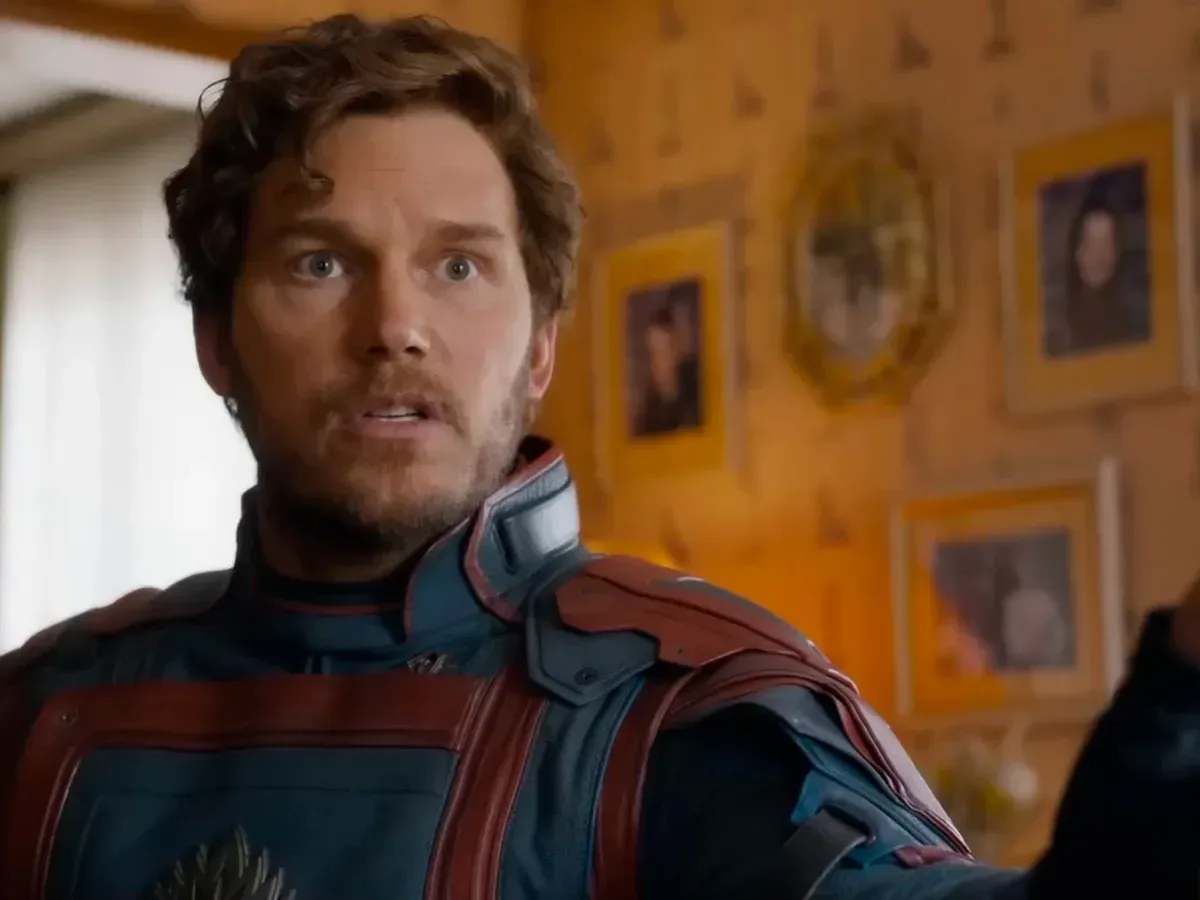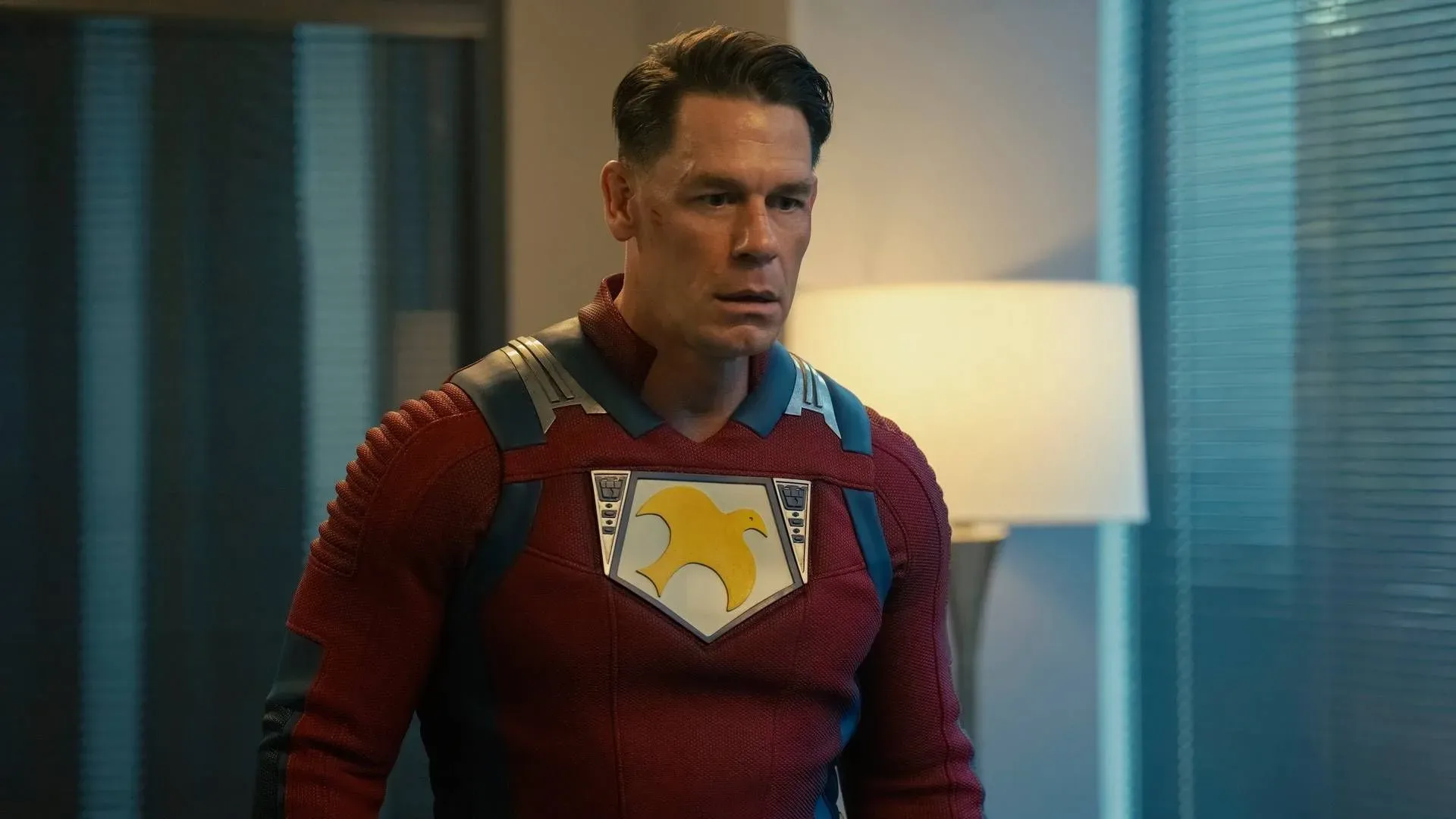
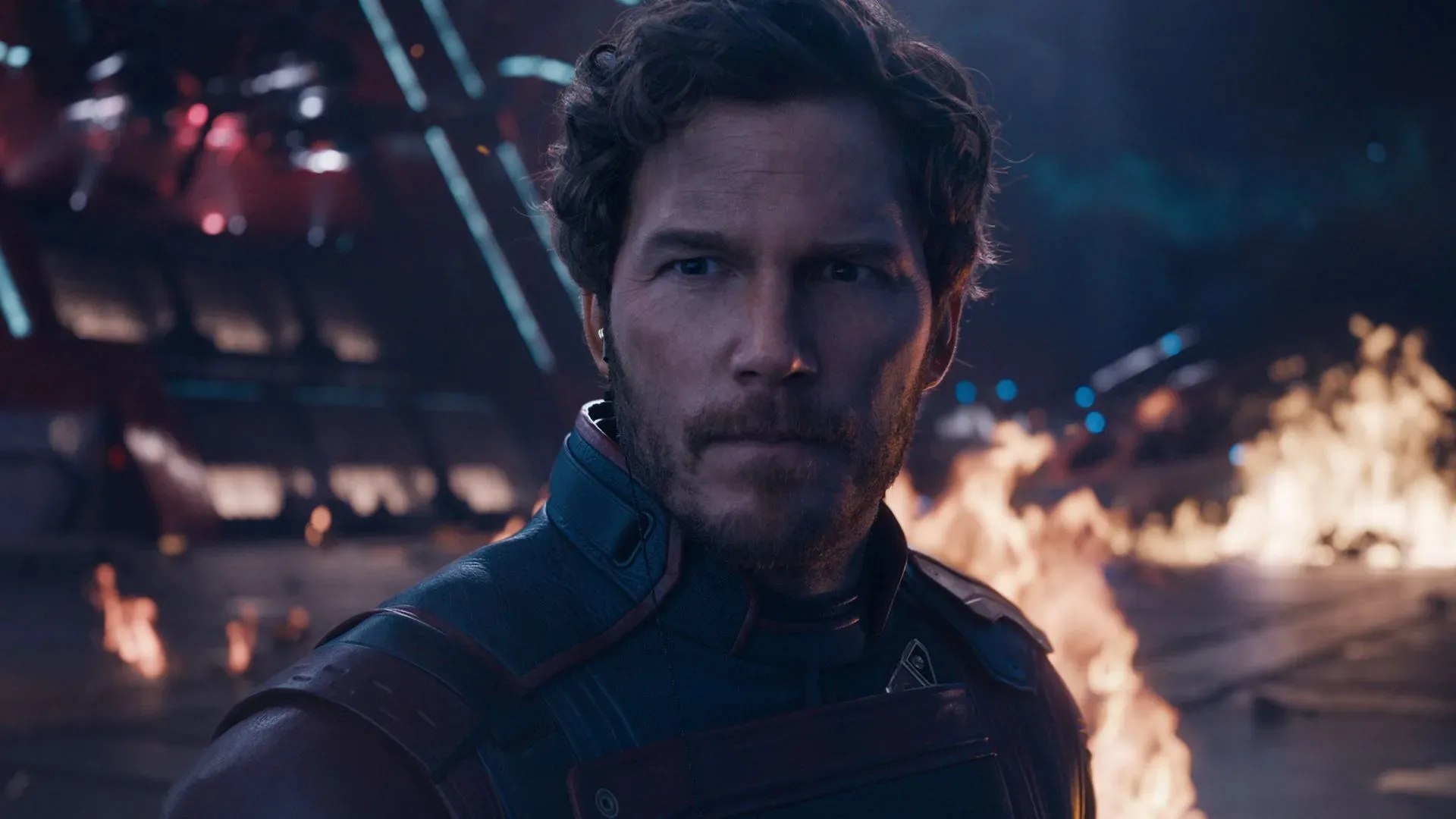
Chris Pratt says he and filmmaker James Gunn talked about the possibility of the actor entering the DC Universe, but fans should not read those conversations as evidence that a secret casting deal was ever close. Pratt’s account is notably measured: there were informal discussions about how he could fit into that world, yet nothing concrete came from them and no project was put in motion.
That distinction matters as DC Studios prepares for a leadership change. Gunn and Peter Safran are stepping down as the studio’s heads, with former Marvel Studios executive Jeremy Latcham set to replace them beginning December 1, 2026. Amid uncertainty around the future of DCU: Chapter One, Pratt’s comments answer one narrow but intriguing question: a collaboration between Gunn and his best-known Marvel leading man was considered in broad terms, but it did not advance to the point where Gunn’s exit has cancelled a Pratt-led DC film or series.
What Pratt actually says was discussed
Pratt described his relationship with Gunn as a friendship in which they regularly talk about many subjects. Within that context, the pair had explored the general question of where Pratt might potentially belong in the DCU. But Pratt also characterized those conversations as unproductive and explicitly said there was not a specific undertaking that was underway before the change at DC Studios.
“There were never any concrete plans being made,” Pratt said, while acknowledging discussions about how he could potentially fit into the DC world.
For franchise-watchers, “concrete plans” is the crucial phrase. A discussion of casting possibilities can happen far earlier than a signed deal, a completed script, a public announcement or a production commitment. Pratt did not name a character, identify a filmmaker, or point to a planned DC title. None can responsibly be inferred from his remarks.
It also means speculation about which hero, villain or supporting player he might have portrayed remains just that: speculation. There is no source-supported basis to frame Pratt as having been attached to a particular DC role. The story is less about an abandoned movie than it is about the creative rapport between an actor and director who have previously had a major impact on one another’s careers.
A partnership built through Guardians of the Galaxy
Gunn wrote and directed the first Guardians of the Galaxy, which starred Pratt as Peter Quill, better known as Star-Lord. The film centered on Quill joining a disparate team of cosmic outsiders to stop Ronan the Accuser from destroying the galaxy. Gunn subsequently made two more Guardians films before moving into the co-CEO role at DC Studios.
Pratt has been candid about the professional importance of that partnership, saying he owes Gunn a great deal and would agree if Gunn asked him to work together again. That is a statement of openness rather than a confirmation of any next job. Still, it explains why a hypothetical DC collaboration was a plausible conversation even without a formal proposal.
The two companies’ superhero labels should not obscure the practical point. An actor known for one comic-book universe talking with a former collaborator now running another does not automatically mean a crossover of corporate identities, nor does it establish a role. It simply reflects that performers and filmmakers can maintain creative relationships across studios and projects.
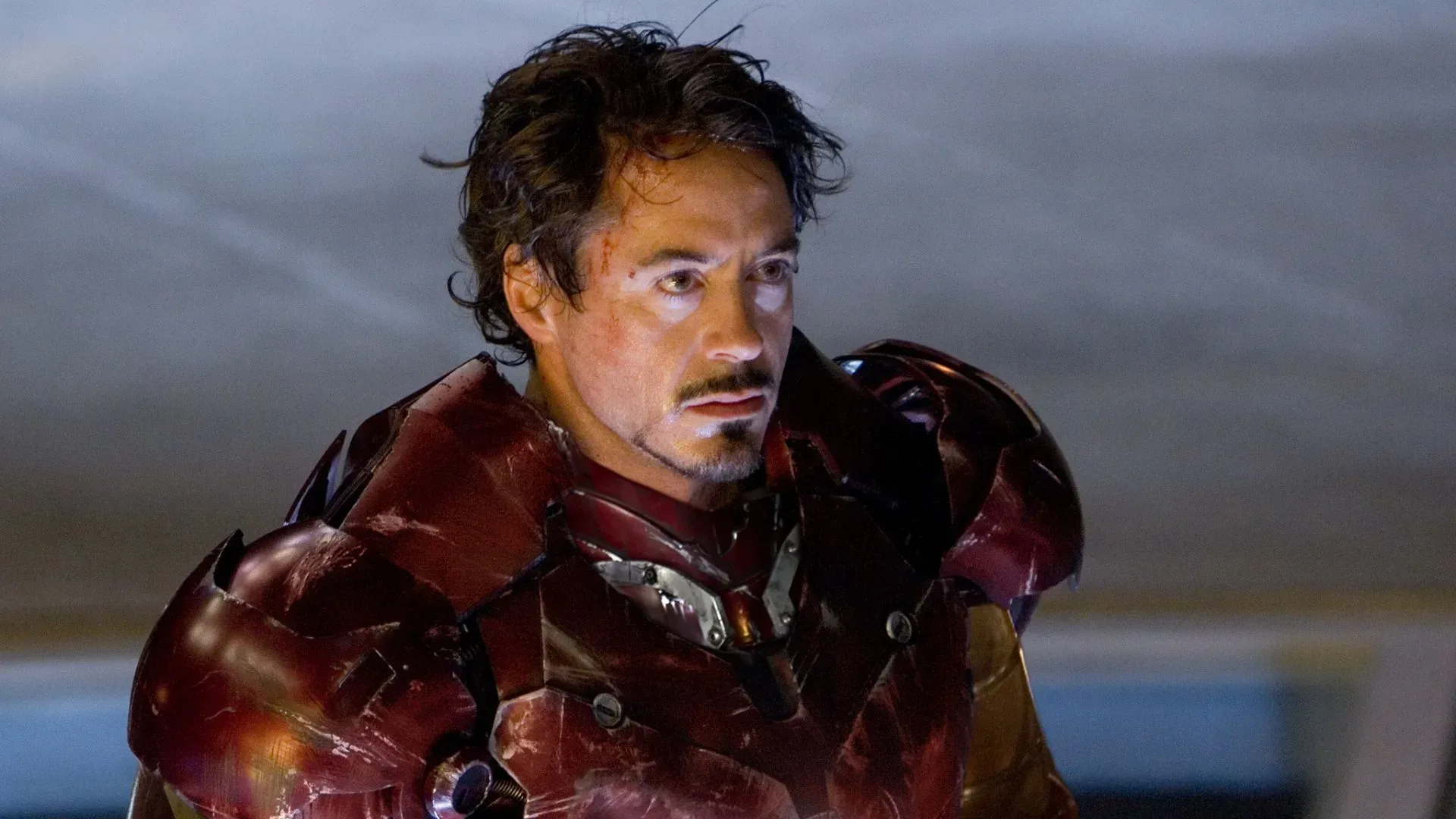
Marvel viewers who want more context for the wider screen universe can also read how a different Marvel project weighed a Tony Stark return against budget and story considerations. That separate case likewise illustrates how ideas discussed during development are not necessarily ideas that become finished screen material.
Why the DC Studios change complicates the picture
Pratt said the situation saddens him, but added that he had not spoken with Gunn after the news of Gunn and Safran’s departures. He therefore said he does not know the terms of the arrangement or where Gunn stands personally on it. That uncertainty is important. Pratt is not presenting inside information on the next stage of Gunn’s career, the fate of DCU: Chapter One, or whether any former conversations could ever be revisited.
The leadership transition follows Skydance-owned Paramount’s merger with Warner Bros. Reports have suggested that Skydance could dismantle the existing DCU plan, but the supplied information does not establish what that would specifically mean for individual films, series, characters or creators. “Dismantle” is a broad and consequential word, yet the detail needed to define its real-world effect has not been provided. Until firmer plans are known, it is best understood as an unresolved report rather than a settled roadmap.
DCU: Chapter One is the label for the connected DC slate developed during Gunn and Safran’s leadership. The phrase does not, by itself, confirm that every element will proceed unchanged under new management. Conversely, uncertainty about the chapter does not prove that every element has been cancelled. Both conclusions go beyond what is currently known.
What Gunn’s departure may mean for future collaborations
Gunn has said he is looking forward to returning to “pure filmmaking.” That comment gives a broad indication of his desired focus after the DC Studios executive role, but it does not announce a new film, a return to Marvel, or another project with Pratt. Fans hoping for Guardians of the Galaxy Vol. 4 have treated the shake-up as a possible opening, but hope is not confirmation.
There are several separate questions that often get blended together online:
- Whether Pratt and Gunn had discussed working in the DCU.
- Whether a specific DC project had been developed for Pratt.
- Whether Gunn’s departure changes any such project.
- Whether Gunn will make another Marvel film.
- Whether Pratt would return for another Guardians installment.
Only the first has a clear answer here: they did discuss the possibility in general terms. Pratt’s own explanation sharply limits the second and third questions, because he says no firm plan was in motion. The final two remain unanswered.
That may be less sensational than imagining Star-Lord trading his blasters for a DC costume, but it is a more useful reading of the moment. Pratt’s comments confirm mutual interest in collaborating, not a lost character reveal. They also show that a long-standing creative alliance can endure independently of any particular studio position.
The practical takeaway for DC and Marvel fans
For DC audiences, there is no announced Pratt casting to track, no role to expect, and no evidence that a missing project should be added to a watchlist. For Marvel audiences, Gunn’s stated interest in filmmaking and Pratt’s willingness to work with him again leave room for future possibilities, but neither statement constitutes a Guardians of the Galaxy Vol. 4 confirmation.
The immediate development with firm timing is the executive handover: Latcham begins as the replacement for Gunn and Safran on December 1, 2026. Everything beyond that—how the DCU: Chapter One plan changes, what Gunn directs next, and whether Pratt joins him—needs official detail before it can move from possibility to fact.
Until then, Pratt’s account is valuable precisely because it lowers the temperature around the rumor. The actor was not quietly locked into a DC role, and Gunn’s departure did not interrupt a defined Pratt project. There was simply a conversation between frequent collaborators about a world Pratt might one day have entered.