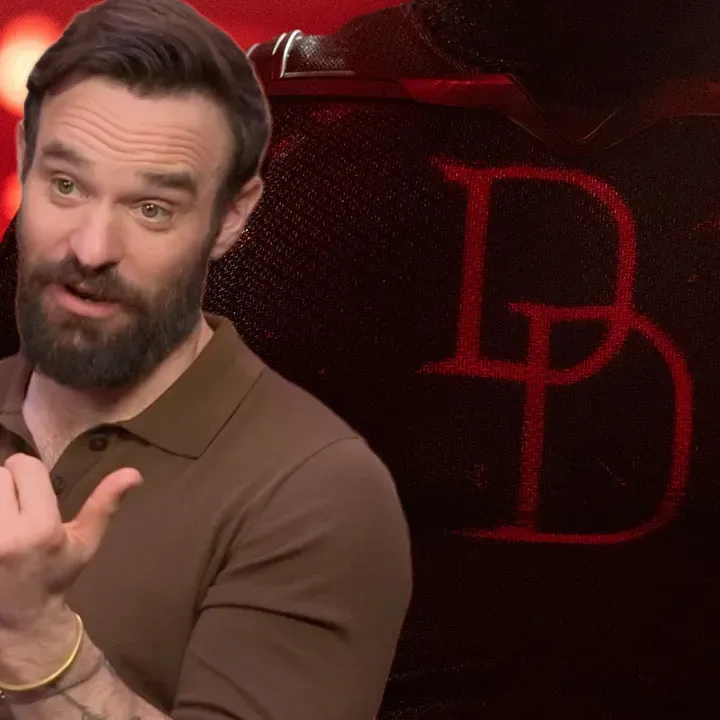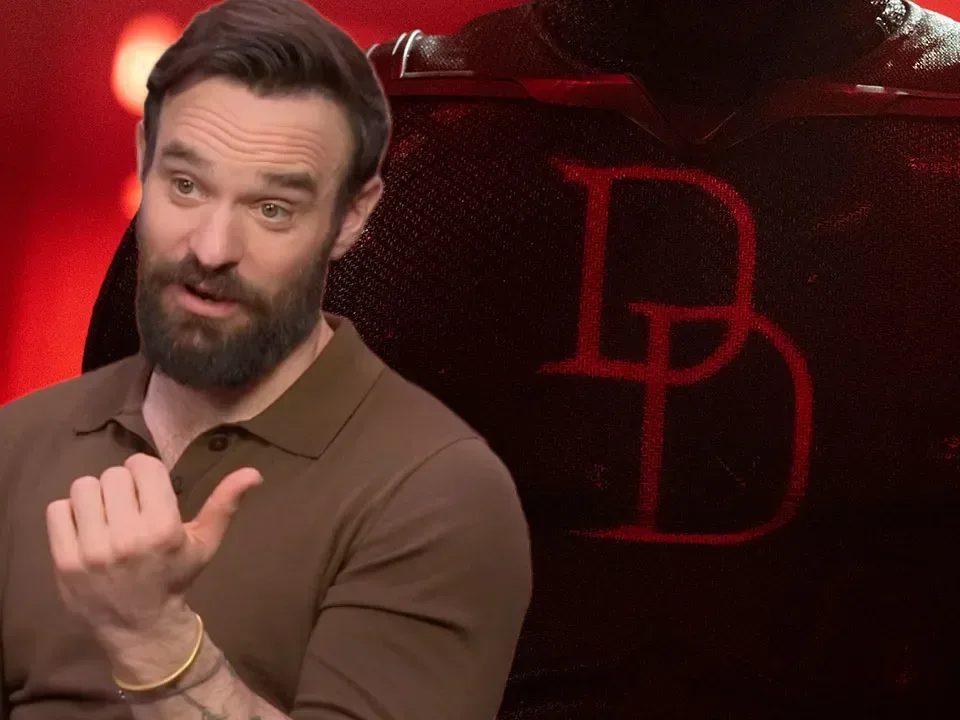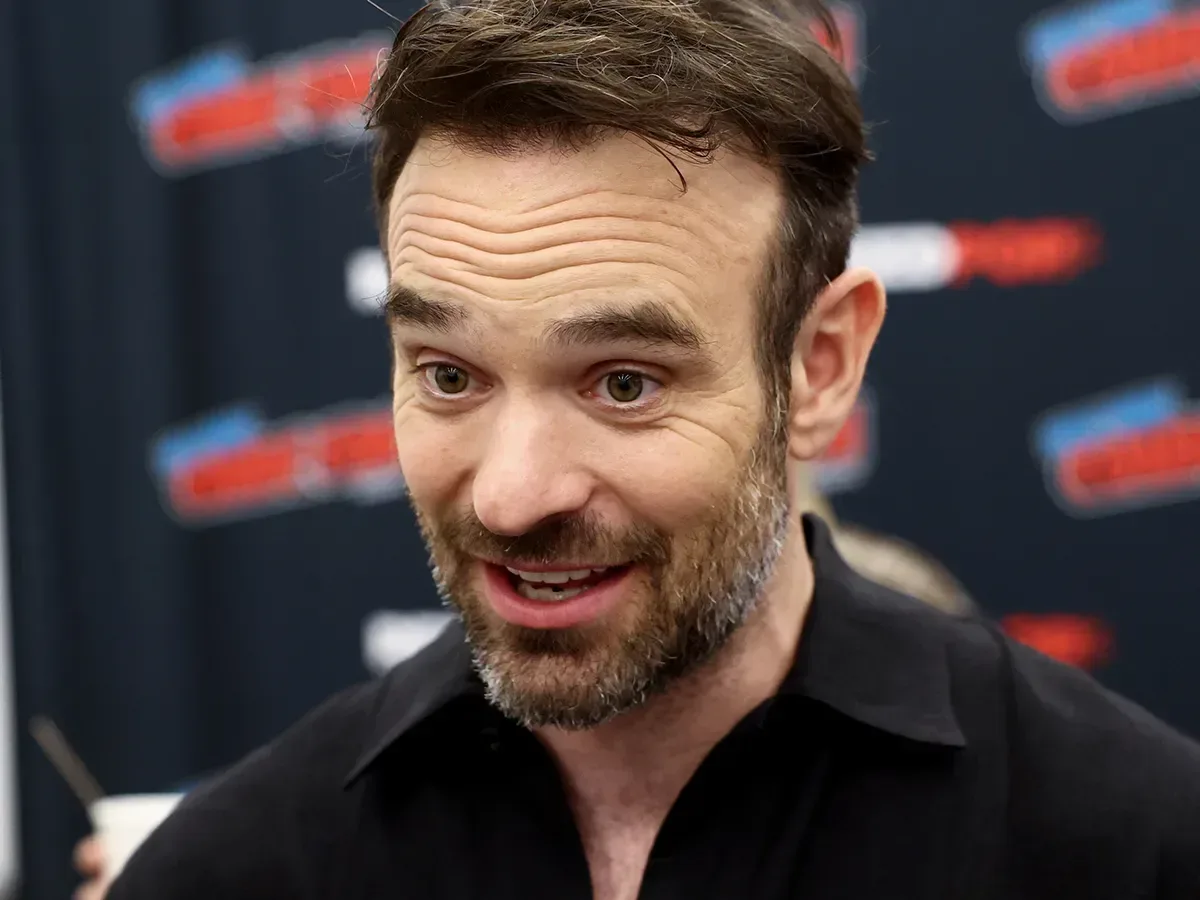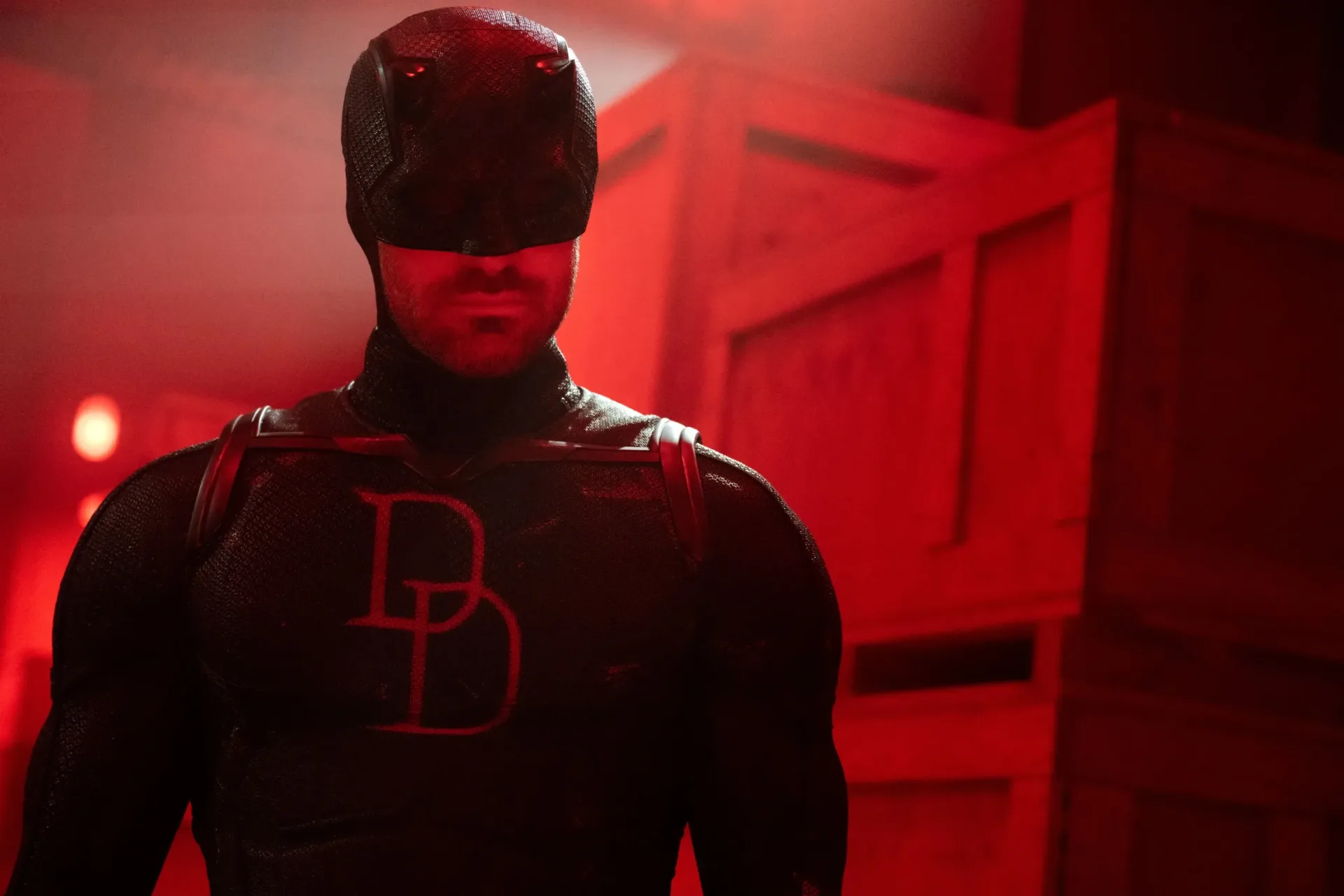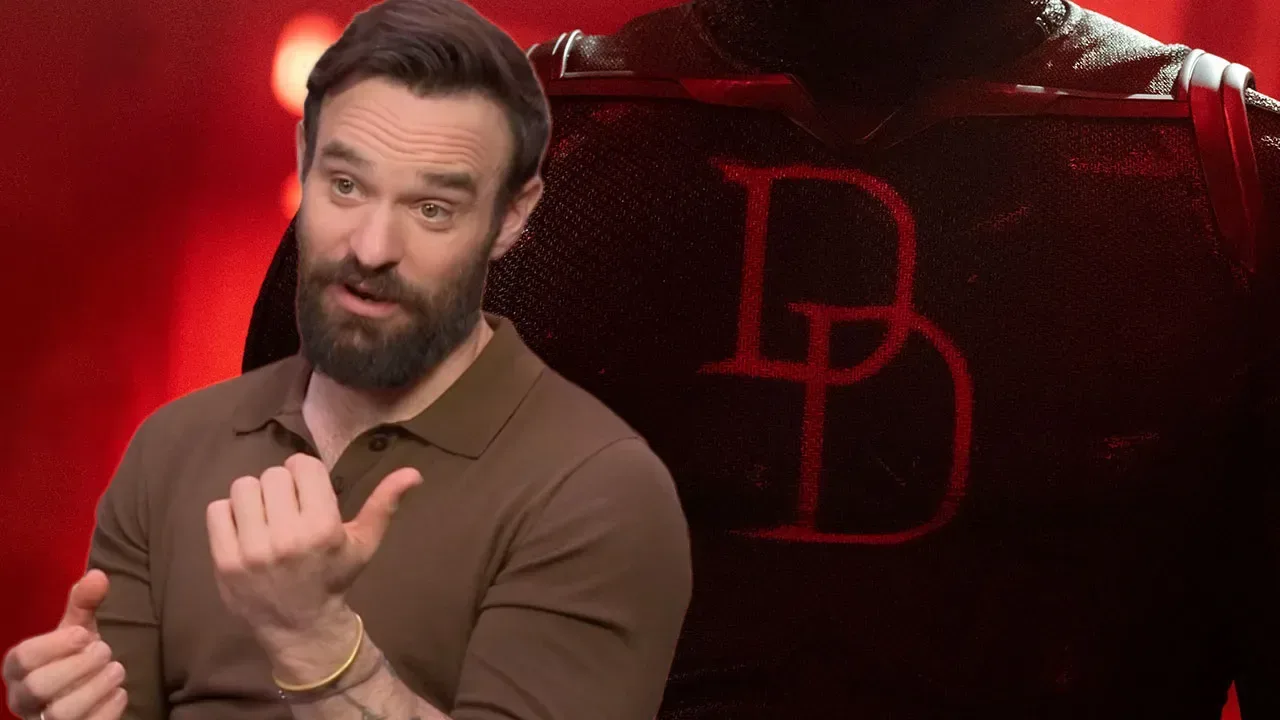
Charlie Cox sees the return of Marvel’s street-level team not simply as a reunion, but as a chance to complete unfinished business. Speaking during New York Comic Con, the actor said there was a need to bring the story of The Defenders full circle after its original run and the end of the interconnected streaming-era series that introduced its heroes.
“I think there needed to be a full circle with that story,” Cox said. “There needed to be some kind of closure with it.”
That wording matters because the four-person lineup was built across separate shows before joining forces. Cox’s Matt Murdock/Daredevil, Krysten Ritter’s Jessica Jones, Mike Colter’s Luke Cage and Finn Jones’ Iron Fist each arrived through their own series, then teamed up in The Defenders in 2017. Those individual shows later ended, leaving the group’s larger screen story without the kind of deliberate endpoint that a planned finale can provide.
A reunion with a purpose, not just familiar faces
Franchise reunions can mean several things. Sometimes they are primarily a cameo, designed to acknowledge a past version of a property. Sometimes they reset continuity, replacing what came before with a new starting point. Cox’s comments point toward a third use: closure. In this context, closure does not necessarily mean every character’s future is settled forever. It means the creative team had an opportunity to revisit an ensemble that had been left behind and let the characters’ shared history matter again.
The distinction is useful for viewers trying to read the significance of the team’s return. Cox did not lay out story details, future plot points, or the exact shape of that resolution. What he did emphasize was that Marvel was willing and able to reunite the quartet, and that the group brought an established rapport back with it.
“We’re such good friends. We have a great time together,” Cox said, adding that the characters have “really interesting, fun dynamics” that audiences appear to enjoy.
That dynamic is central to why The Defenders remains distinct within Marvel’s live-action landscape. Its heroes are all grounded in the same New York-scale corner of the universe, but they approach problems very differently. Daredevil is a lawyer and vigilante driven by a strict moral code; Jessica Jones is a private investigator with little patience for heroic pageantry; Luke Cage projects steadiness and community-minded leadership; Iron Fist brings a more mystical dimension to the group. The original premise depended less on a uniform team identity than on friction between personalities with incompatible methods.
Cox’s reference to the cast’s off-screen friendship should not be mistaken for a plot reveal, but it helps explain the appeal of reviving that combination. Ensemble chemistry is not automatically the same thing as character chemistry, yet it can support it. A group with a pre-existing shorthand can make a reunion feel less like a checklist of appearances and more like a meeting between people who have history—both performers and characters.
What “the Netflix Marvel era” means here
The phrase describes the period in which Daredevil, Jessica Jones, Luke Cage and Iron Fist initially received individual series before crossing over for The Defenders. The format resembled a television-based version of a shared universe: viewers could follow a single hero’s series, while the crossover rewarded familiarity with the wider lineup.
That structure is important background for Cox’s comments. A team-up is most satisfying when it recognizes the separate journeys that brought its members together. Each character had been established on their own terms before the 2017 crossover, so the idea of “full circle” carries more weight than simply placing four recognizable names in one frame. It refers to a group whose foundation was built across multiple series and whose members had continued relevance to fans after those series concluded.
Cox and Vincent D’Onofrio later appeared within the broader Marvel Cinematic Universe, prompting questions over whether the rest of the street-level ensemble might follow. D’Onofrio’s return as Wilson Fisk is particularly relevant to Daredevil’s corner of Marvel because Fisk is tied so closely to Matt Murdock’s world. Cox’s NYCC remarks make clear that the Defenders themselves are once again part of the conversation, not merely background history attached to Daredevil.
Mike Colter and the spoiler joke
Cox also used the panel conversation to poke fun at Colter, saying his co-star had been “giving away spoilers non-stop” after posting information on social media earlier in the year that he was not meant to share. Cox jokingly said the production had to stop Colter from receiving sides on set.
In television and film production, sides are selected pages from a script, often distributed for a specific day’s work or scene. They help performers and crew focus on the material immediately being shot without necessarily handing out an entire screenplay. Cox’s remark was a joke, not a literal production policy, but the terminology underlines how closely superhero productions tend to guard story information.
The light tone also matches his wider description of the reunion. Rather than framing the return only in terms of corporate continuity or fan speculation, Cox highlighted the practical pleasure of being around longtime collaborators again. The point was not a new spoiler; it was that the performers had a good time returning to a group dynamic viewers already recognized.
Born Again Season 3 is confirmed as the last season
The more uncertain part of Cox’s conversation concerned his own future as Daredevil. Daredevil: Born Again Season 3 has been confirmed as the show’s final season. That designation naturally raises a larger question: is the end of this particular series also the end of Cox playing Matt Murdock?
Cox did not offer a definitive answer. Asked whether he was finished with the character, he said he did not know and allowed that it “might be.” He then redirected the energy toward fans, invoking the Save Daredevil campaign and joking that its persistence was his “true superpower.”
That answer should be read carefully. It is not a confirmation of another appearance, and it is not a declaration of retirement from the role. The only firm point in the remarks is that Season 3 is the final season of Born Again. Everything beyond that remains unresolved in Cox’s response.
For fans, that uncertainty is familiar territory. Campaigns organized around a character or series are a way to make enthusiasm visible, but they are not the same as an official production decision. Cox’s playful encouragement acknowledges the audience’s attachment without turning that affection into a promise about what Marvel will do next.
Why the distinction between a show ending and a character ending matters
In shared-universe storytelling, a series finale and a character’s final appearance are separate questions. A show can conclude because its particular story has reached an endpoint, while its lead can still appear elsewhere. Conversely, a character can leave the screen even if the larger fictional world continues. Cox’s answer leaves that distinction intact.
It also places added attention on what Season 3 needs to accomplish for Daredevil: Born Again itself. Since it is confirmed as the last season, viewers can reasonably expect it to carry the responsibility of ending this chapter of the series. That does not tell us whether Matt Murdock’s broader Marvel story is over, nor does it reveal how the final season will handle the Defenders connection. Those are details Cox did not provide.
What is clear is that Cox is thinking about endings in more than one sense. The Defenders’ return is meaningful to him because it gives an older ensemble a measure of resolution. The end of Born Again Season 3, meanwhile, creates a new open question around Daredevil’s next step. One storyline is described as coming full circle; the other is deliberately left uncertain.
A continuing connection between Cox and games
Outside Marvel, Cox’s work has also intersected with video-game news: he has said he finished recording an as-yet-unannounced Sega game. That separate recording update is another reminder that voice and performance work can keep an actor connected to genre audiences even when a screen role’s next chapter is unclear.
For now, the most concrete takeaway from Cox’s convention appearance is modest but meaningful. The Defenders’ return was not treated as an accidental detour or a discarded piece of Marvel history. Cox believes the group needed closure, and he describes the chance to reunite with Ritter, Colter and Jones as both creatively fun and personally welcome. As Daredevil: Born Again heads toward a final third season, the fate of the series is settled, while the fate of the Horned One remains an unanswered question.