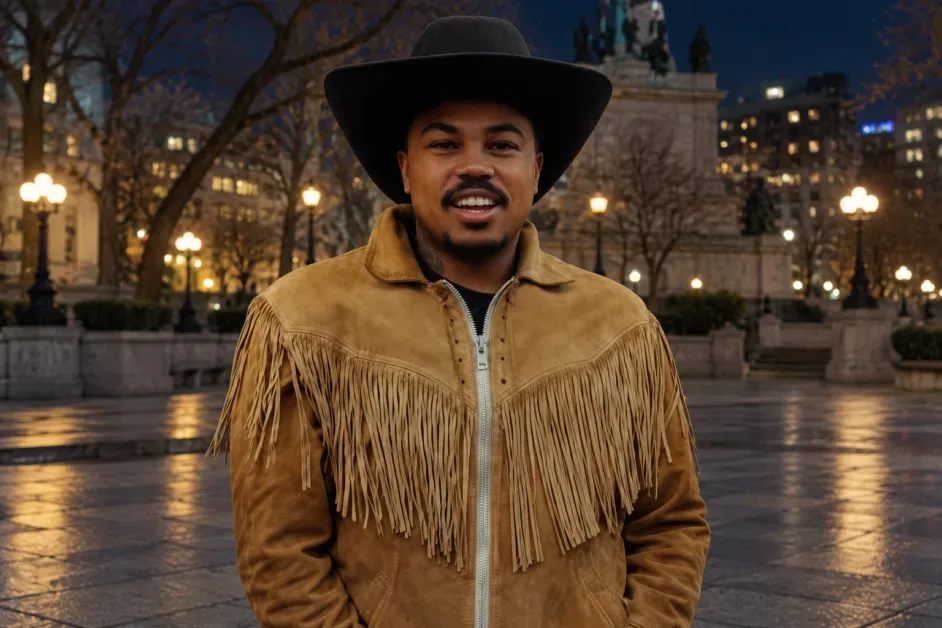
Chance the Rapper’s nonprofit SocialWorks has begun its ninth annual Warmest Winter drive, asking Chicago residents to donate essential supplies for people experiencing homelessness. The 2026-27 collection period began November 2 and continues through January 10, 2027, with 11 donation locations included on the organization’s collection-site map.
The campaign’s central purpose is straightforward: collect usable winter necessities at a time when coats, warm layers and blankets can matter most. But its accepted-item list also makes room for hygiene goods, toys and supplies for babies, recognizing that people and families facing housing instability may need far more than cold-weather clothing.
What Warmest Winter is accepting
SocialWorks is accepting new or gently used winter gear, including:
- Coats and jackets
- Scarves
- Gloves
- Hats
- Blankets
- Socks
New or gently used toys are also welcome. Baby clothing, diapers and other baby essentials can be donated as well.
There is one important distinction for hygiene supplies: they must be new. The requested personal-care items include soap, deodorant, toothpaste and toothbrushes. Food and canned goods are not being accepted for this drive.
That guidance is practical as well as important for donors. A clothing drive is not simply a place to offload any unused household item. Following the requested categories helps the organizers sort and distribute goods meant for the program, while the new-only hygiene rule helps ensure recipients receive sealed, usable personal-care products.
How to donate without creating a drop-off problem
SocialWorks has published a map of its 11 collection sites, but donors should confirm building access and holiday hours before leaving home. A listed site may be located inside an office, school, store or another building with limited public access, and seasonal schedules can change.
Before making a donation run, it makes sense to separate items into a few clear groups: winter clothing, blankets, hygiene products, toys and baby supplies. Keeping new hygiene items apart from gently used clothing makes the donation easier to assess. It also prevents a bag of otherwise useful items from including something the drive cannot take, such as canned goods.
Condition matters for gently used donations. The drive explicitly welcomes gently used coats, jackets, accessories, blankets and toys, meaning previously owned does not automatically mean unsuitable. Still, the useful standard is dignity: donate items that are clean, functional and ready for another person to use. Warmest Winter’s message is built around warmth, dignity and care, not merely the volume of material collected.
A seasonal collection connected to year-round support
Warmest Winter is best known as a cold-season clothing drive and holiday effort, but SocialWorks describes the initiative as year-round work supporting people experiencing homelessness and extreme hardship. Its activities include volunteer work and outings in addition to the annual collection period.
That broader approach is also reflected in SocialThreads, a clothing pantry operated in collaboration with Chicago’s Department of Family and Support Services. The pantry provides free clothing, toys and hygiene supplies, and allows visitors to select items based on their own needs and style.
The word pantry is worth noting here. In this context, it describes a distribution space for essential material goods rather than a traditional food pantry. SocialThreads’ model emphasizes choice: people can select clothing and other items instead of receiving a one-size-fits-all bundle. For donors, that makes variety meaningful. A collection of different sizes, styles and types of practical items may help the pantry serve more individual needs than a narrow pile of identical goods.
That choice-centered model also explains why donations such as socks, toiletries, baby supplies and toys sit alongside heavy winter layers. A warm coat is vital, but it does not replace a toothbrush, a diaper or a child’s clothing. The listed categories point to the different needs that may arise for individuals and families navigating homelessness or severe hardship.
Chicago students have already helped stock the closet
The drive has drawn participation from both adult donors and students. During the previous winter season, Owen Elementary’s Class of 2026 collected eight bags for the SocialWorks closet. The Ashburn school’s donations included shoes, cold-weather clothing, hygiene supplies and baby items, and marked its third year participating in the campaign.
That example shows how a school collection can line up closely with the organization’s requested categories. Rather than treating a drive as a vague charitable exercise, students and families can focus on concrete needs: warm layers for winter, unused personal-care basics and supplies for infants and children.
It also offers a manageable model for people who cannot contribute a large amount on their own. A classroom, workplace, friend group or household can choose one category and build a small collection around it. Socks, gloves, new toothpaste, diapers or clean baby clothes are all on the accepted list. The value is not limited to a single large donation; organized smaller contributions can be useful when they match the needs identified by the program.
A longer history behind the campaign
The current drive is the ninth Warmest Winter collection under the SocialWorks banner, while Chance the Rapper’s winter fundraising work reaches back more than a decade. In January 2016, his Warmest Winter campaign raised $100,000 to help provide coats for Chicago residents experiencing homelessness.
The continuity matters because it frames the 11-site drive as part of sustained local work, not an isolated seasonal appeal. The structure has developed beyond fundraising for coats into a program that collects a defined range of donated goods, coordinates volunteers and connects with a clothing pantry where recipients can choose items for themselves.
Chance was also among those honored at a philanthropy impact dinner in New York City in May. At the May 21 event, he spoke about the obligation to keep looking out for children and to help build a safer world for them. The inclusion of diapers, baby clothing, baby essentials and toys in this year’s Warmest Winter list gives that concern a direct, practical form within the Chicago campaign.
“For nine years, Warmest Winter has brought Chicagoans together around a simple belief: everyone deserves warmth, dignity, and care,” SocialWorks said in its announcement.
What donors should keep in mind
The clearest way to participate is to use the collection-site map, verify the chosen site’s access and holiday hours, and bring only items accepted by the drive. New or gently used winter clothing, blankets and toys qualify; hygiene supplies need to be new; food and canned goods do not belong in these donation bins.
For people looking for community-centered stories tied to Chicago’s entertainment world, the city continues to surface in other pop-culture news as well, including a recent report on a Chicago shoot involving Finn Wolfhard and Caleb McLaughlin. Warmest Winter, though, is focused firmly on local material support rather than a production or celebrity appearance.
With the drive running into January, donations can be planned rather than rushed. The practical goal is simple: choose eligible supplies that are clean, usable and appropriate for the category, then make sure the selected collection site is open before dropping them off. For a campaign built around essential goods, those small details help turn good intentions into items that can be distributed effectively.