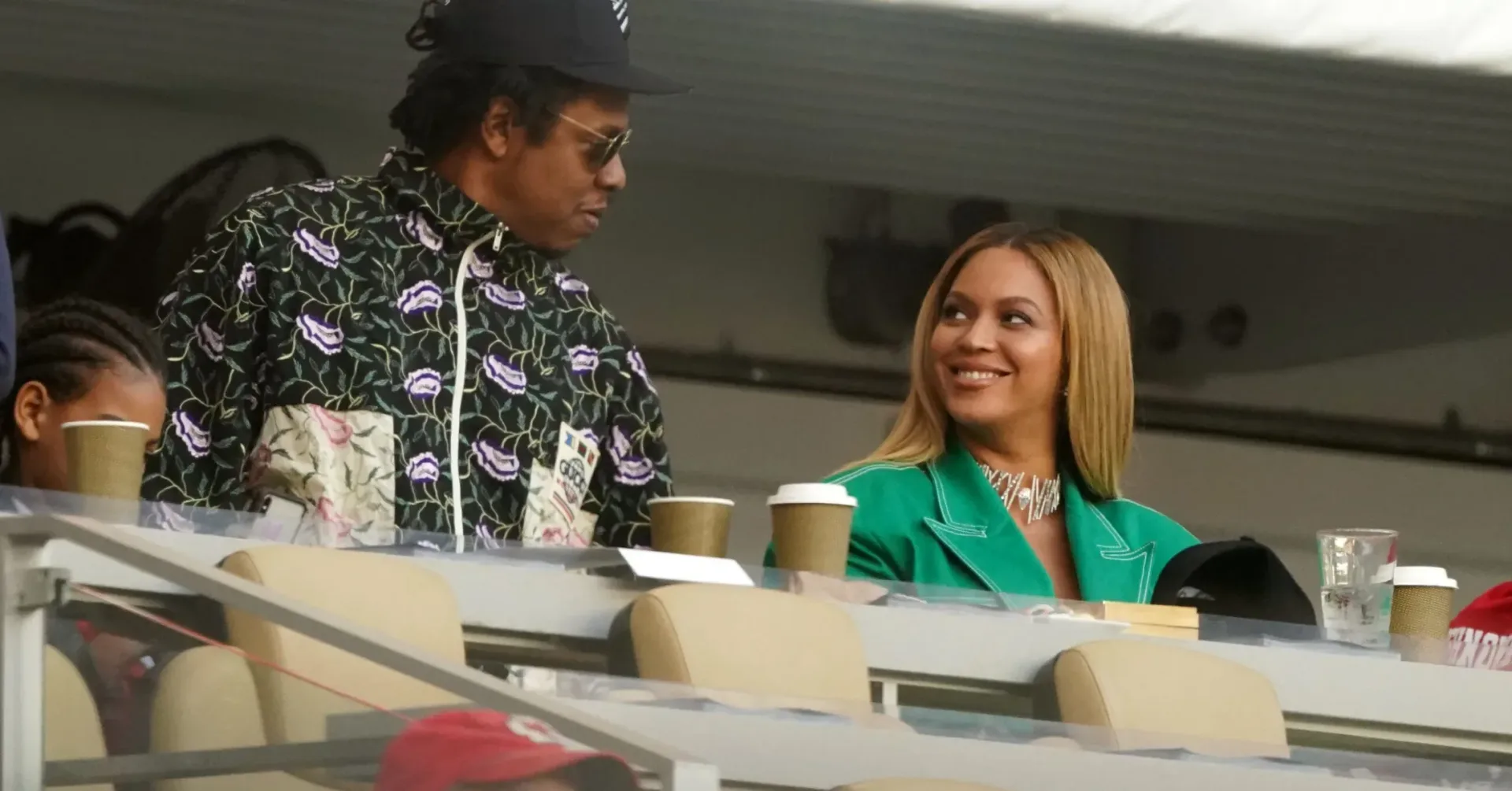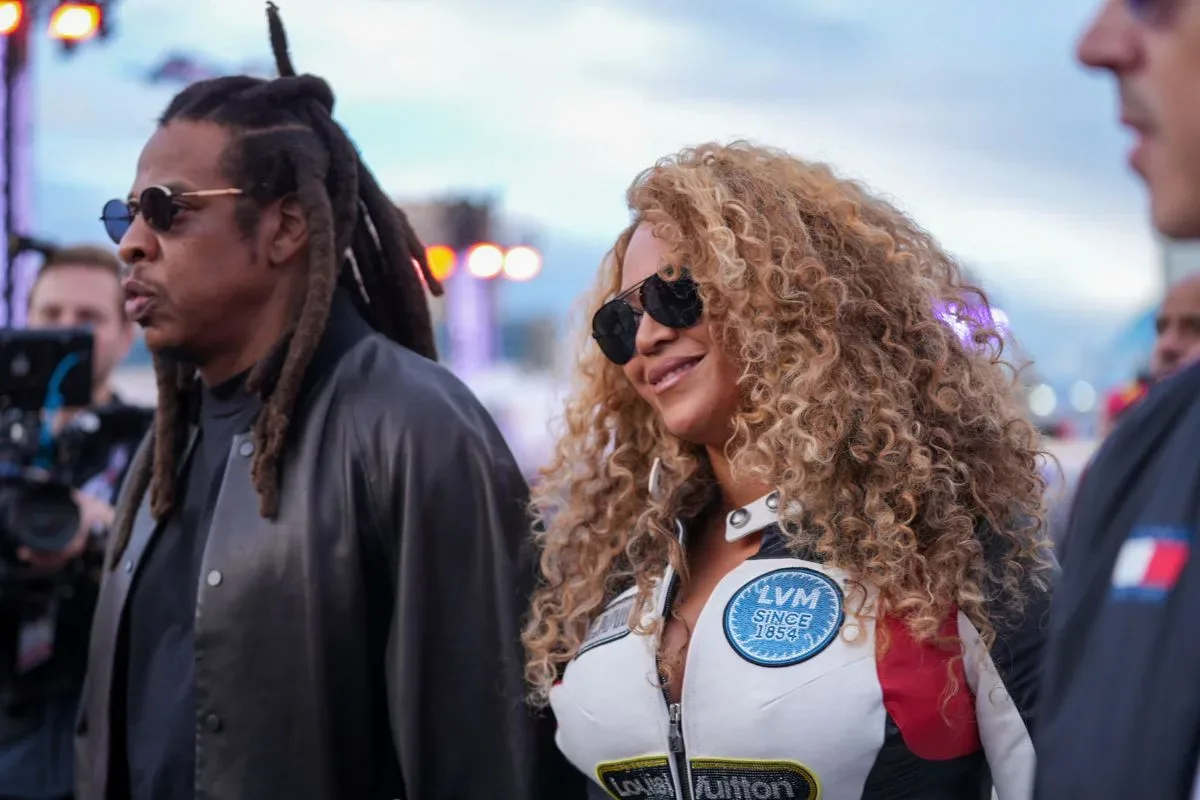
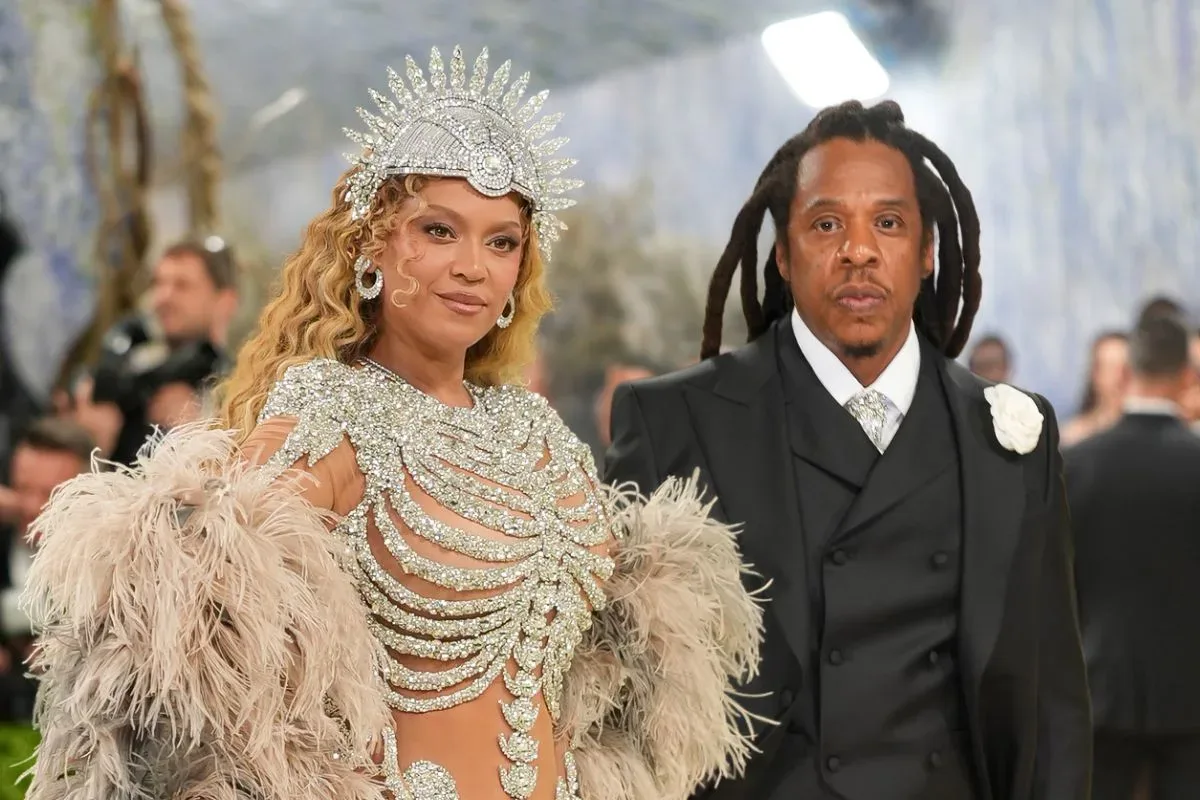
Beyoncé and Jay-Z’s April 4, 2008 wedding was designed to keep the central surprise intact. Beyoncé has said that most people invited to the gathering believed they were going to a party, rather than a ceremony. Only the couple’s parents and a small group of friends knew the actual plan before arriving at the home celebration.
The singer revisited the private event in a November 11 interview, explaining a decision that looks striking in retrospect: one of music’s most publicly discussed couples gave even many of its own guests no advance notice that vows would be exchanged. The newly revisited account of the surprise adds a personal detail to an occasion that the public did not see unfold in real time.
A party invitation with a different destination
The arrangement was more than ordinary privacy. Keeping a ceremony quiet from the wider guest list is a deliberate way to prevent an occasion from becoming a public-facing production before it begins. In Beyoncé’s description, invitees arrived expecting a celebration, while the marriage itself was known only to family and a very limited inner circle.
That distinction matters because celebrity weddings are often treated as events with a long promotional runway: confirmed plans, venue speculation, guest lists and fashion coverage can all become part of the story ahead of the ceremony. Beyoncé and Jay-Z’s approach reversed that model. The wedding came first; the public understanding of it arrived later and only in carefully selected glimpses.
For more context, explore Absolute Wonder Woman Gives Kelly Thompson the Long-Range Storytelling Room She Wanted.
The couple married at home on April 4, 2008. The date also aligns with a number that has personal significance in their birthdays: Beyoncé was born on September 4 and Jay-Z was born on December 4. Beyond that shared numerical connection, the available details emphasize a small and personal ceremony rather than a public spectacle.
The dress carried family weight
Tina Knowles had a role far beyond that of a wedding guest: she designed her daughter’s gown. When asked to choose a favorite outfit made by her mother, Beyoncé selected the wedding dress over the many looks they have created together across her career.
“Wearing a dress, she designed was very important to me, and more important than any designer dress,” Beyoncé said.
Her explanation centered on two qualities: the gown’s simplicity and the love attached to the person who made it. That makes the dress significant in a way that is separate from fashion-world status. A designer label can communicate provenance, rarity or prestige; a garment made by a parent can hold a direct record of family involvement in a milestone. Beyoncé’s choice frames the wedding gown as the latter.
It also gives extra context to why the look endured as her favorite among garments created with Knowles. The dress was not merely part of an event. It was a contribution from her mother to an occasion the couple intentionally kept close to home and close to family.
Private ceremony, selective public record
The original ceremony remained private, but the dress and some wedding imagery did eventually reach a far wider audience. Beyoncé showed the gown in her 2011 Live at Roseland video. The couple later included wedding footage in their 2014 On the Run tour.
Those later appearances are worth separating from the wedding itself. Sharing a film clip or incorporating imagery into a concert does not turn a private ceremony into a public event after the fact. Instead, it lets the couple determine the format, timing and amount of material audiences can see. It is a useful example of the difference between disclosure and access: the public can be shown a meaningful detail without having been invited into the moment as it occurred.
That pattern continued across their creative partnership. Their On the Run tours placed the pair together in arena-scale performance settings, while Everything Is Love made their collaboration the focus of a full album. Both projects brought their partnership into public view in artistic forms. Neither offered live access to the 2008 wedding.
Why the contrast has lasted
Beyoncé and Jay-Z have three children together: Blue Ivy and twins Rumi and Sir. Over the years, their relationship and family have been visible in selected creative work and public moments, but the wedding has remained defined by what was withheld at the time. The new recollection reinforces that the surprise was not incidental; it was built into the invitation itself.
In April 2025, Tina Knowles marked the couple’s 17th anniversary with a tribute and a montage of personal moments. Her message praised their commitment and their ability to block out outside noise. The emphasis was on the life built after the ceremony, not on turning the wedding’s privacy into a retrospective spectacle.
Analysis: The story’s lasting appeal is not that there is a newly uncovered trove of wedding material. It is nearly the opposite. A small number of details—the surprise party invitation, the mother-made gown, later footage and an anniversary tribute—form a tightly controlled record. For an artist whose work can operate at enormous visual and commercial scale, the wedding remains notable for the limits placed around it.
That does not erase the public dimension of Beyoncé and Jay-Z’s career together. Their tours and album are clear evidence that they have collaborated in highly visible ways. But those works also show how public-facing creative projects and personal boundaries can coexist. A relationship can become part of the art without every private event becoming content on demand.
A memory defined by who was there
Beyoncé’s preference for the gown Knowles made gives the 2008 wedding an especially human focal point. In her account, its value was not tied to being the most elaborate dress or the most famous design. Its importance came from simplicity, maternal care and the specific day it represented.
Most guests, meanwhile, arrived at what they thought was a party and encountered a wedding instead. Nearly two decades later, that choice still explains the ceremony’s distinctive place in the couple’s shared story: it was a major life event that they celebrated with loved ones while holding back the expectation that everyone else should be there too.