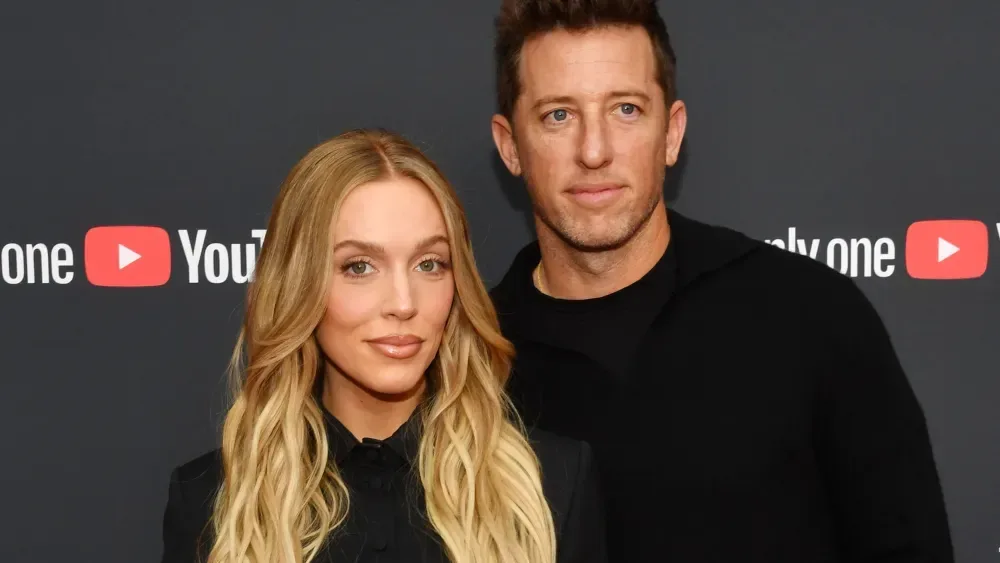
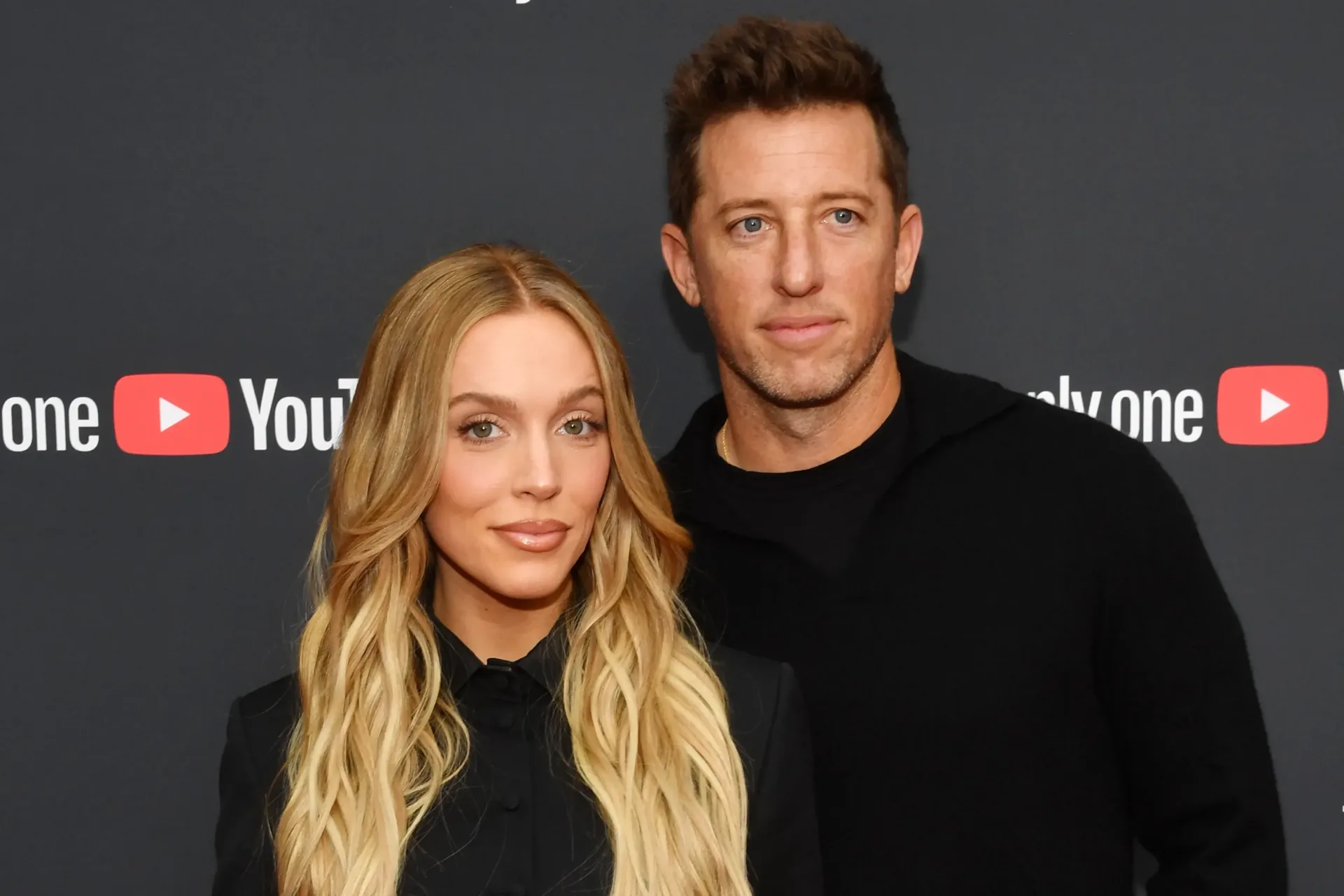
Alex Cooper, producer Matt Kaplan and their media and entertainment company Unwell have signed with Creative Artists Agency for representation. The arrangement puts an agency behind a business that has rapidly moved beyond its podcast origins, with Unwell pursuing original programming, emerging talent, entertainment experiences and projects based on its own intellectual property.
CAA is set to work with Cooper and Kaplan on expanding Unwell’s business and supporting the development of original IP. In practical terms, that means Unwell is building for a broader role than simply releasing shows under a recognizable podcast banner. The company’s slate already spans audio, YouTube, documentaries, television specials and scripted adaptations, while its leadership team now includes executives across technology, content, corporate development, revenue and talent.
The new representation follows Unwell’s August strategic investment from Patrick Whitesell’s firm WTSL, which valued the company at $500 million. That valuation is a striking marker for a business founded in 2023, and it clarifies the scale of the operation Cooper and Kaplan are trying to build around an audience initially gathered by Cooper’s Call Her Daddy.
From a flagship podcast to a multi-format company
Call Her Daddy launched in 2018 and became known for candid interviews with figures from entertainment, politics, sports and culture. It is now distributed through a partnership with SiriusXM, which also runs the Unwell audio channel on its satellite radio service.
That existing audio foundation matters because it gives Unwell an identifiable starting point while it moves into formats that function very differently. A podcast episode, an interview documentary, a YouTube competition series and a scripted adaptation all require separate creative and commercial approaches. The common thread is not that every project will look or sound like Call Her Daddy; it is the effort to build entertainment for younger audiences, particularly Gen Z women, from a company that has already established a direct relationship with them.
Unwell describes its focus as serving Gen Z women. That is a defined audience strategy rather than a genre. It can encompass unscripted programming, personality-led shows, sports-adjacent competitions, documentaries and fiction, provided the projects connect with the audience the company aims to reach. The company’s current projects demonstrate that breadth.
Its slate includes Hulu’s Call Her Alexc documentary, a Hannah Montana anniversary special for Disney+, and the Netflix property Let’s Marry Harry. Upcoming work includes Netflix adaptations of the novels Icebreaker and Deep End. On YouTube, the company has produced Unwell Winter Games and Unwell Summer Games, reality competition series that extend the brand into a format built around recurring personalities and events. The Unwell Network has also launched seven new programs in 2026.
What agency representation can mean for Unwell
Agency representation is not the same thing as a distribution agreement or a guarantee that any given project will be made. It generally means an agency helps a client pursue and negotiate opportunities, which can include partnerships, talent relationships, branded ventures and projects with buyers. Here, the stated purpose is specifically to help expand Unwell and foster its original intellectual property.
Original IP, short for intellectual property, refers to creative assets a company develops or controls: a show idea, format, character, title, story world or other concept that can potentially be adapted across media. For a company with ambitions in audio, video and television, ownership and development of IP can be especially important. A successful idea might begin as a short-form or interview-driven concept before becoming a series, a live experience or another format. The available details do not outline any particular new CAA-brokered projects, but the emphasis on IP makes clear that Unwell’s growth plan is not limited to producing one-off content.
Kaplan’s background is relevant to that side of the operation. He is an entrepreneur and film and television producer whose credits include To All The Boys I’ve Loved Before, The Perfect Date and Spontaneous. Cooper brings the audience-building power and public identity of Call Her Daddy; Kaplan brings production experience in film and television. Their company’s project list shows how those lanes can meet under one banner.
The current moment also underscores how media businesses built around creators are trying to become durable companies rather than remain tied to a single feed, platform or personality. Unwell has not abandoned the audio ecosystem that helped create it—SiriusXM remains its podcast distribution partner and carries its audio channel—but it has added programming designed for Hulu, Disney+, Netflix and YouTube. The wider goal appears to be a portfolio of work across platforms, with the Unwell name acting as the connective tissue.
That effort takes place in an entertainment environment where attention can travel quickly across subjects and platforms. Culture-focused audiences may follow an interview, a reality competition, a celebrity-led special or a music-industry controversy in the same news cycle, as reflected in this report on Macklemore’s proposed benefit tour. For an audience company, being able to program across formats can be a way to meet viewers and listeners where their interests already overlap.
A leadership group built for expansion
Unwell has added several senior executives over the past year alongside Chief Marketing Officer T.J. Marchetti. Joanne Bradford, described as a media and technology veteran, is president. Samir Sama, formerly with the NFL and Raine Group, serves as head of ventures and corporate development. Mina Lefevre, who previously worked at Meta and Disney, is chief content officer and head of television. Lagen Nash, whose past experience includes Misfits Gaming and Fox Networks Group, is executive vice president of revenue. Olivia Owen, formerly an agent at CAA, leads talent.
Those titles offer a useful guide to the company’s priorities. A president provides organizational leadership. Corporate development and ventures work can involve evaluating partnerships and growth opportunities. A chief content officer and head of television directs programming strategy and television activity. Revenue leadership concerns the commercial side of the business, while a talent head focuses on identifying and cultivating people who may become central to the company’s programming or wider network.
The hires do not, by themselves, reveal the terms of any deals or guarantee a specific output volume. They do show that Unwell has staffed for a company operating across multiple disciplines. That is notable because creator-founded businesses often face a difficult transition: attracting attention is one challenge, while sustaining an organization capable of developing shows, managing talent, selling partnerships and navigating distribution relationships is another. Unwell is assembling dedicated leadership around each of those needs.
The significance of a $500 million valuation
WTSL’s strategic investment valued Unwell at $500 million. A valuation is an assessment attached to a business in the context of an investment; it is not the same as annual revenue, cash on hand or a public-market share price. Still, it signals that the investor saw substantial value in Unwell’s business and its growth prospects.
For readers following the company’s next moves, the more tangible signals will be the projects that emerge from its slate, the talent it develops and the kinds of partnerships it secures. The CAA relationship is important because it has been framed around expansion and original IP, but no new production, release date or platform commitment was detailed alongside the signing.
What is confirmed is a company with an expanding executive bench, a major investment valuation, an audio relationship with SiriusXM and work tied to several prominent streaming platforms. Its planned Netflix adaptations of Icebreaker and Deep End will be particularly relevant tests of how effectively Unwell can translate audience familiarity and production expertise into scripted properties.
What remains unchanged
CAA now represents Cooper, Kaplan and Unwell, while the company continues to have legal representation from Matt Thompson and Emily Zipperstein at Sidley Austin LLP; James Feldman at Lichter Grossman Nichols Feldman Rogal Shikora & Clark; and Shaun Gordon at Weintraub Tobin.
The distinction is straightforward but important: agency representation and legal counsel perform different roles. The agency signing concerns business expansion, opportunities and IP development. The named attorneys continue to represent Cooper, Kaplan and Unwell on legal matters. Together, the arrangement reflects a company preparing for more complex activity across entertainment, talent and content ownership—not merely another season of a single show.