Disney is developing a new Home Alone sequel, with original Kevin McCallister actor Macaulay Culkin involved in shaping the screenplay alongside Seth Rogen and Evan Goldberg. Rogen and Goldberg are also set to produce through Point Grey.
The project is at an early stage. Its plot, wider cast and release plans have not been disclosed, and there is no confirmation yet of what form Culkin’s involvement will take on screen. That distinction matters: participation in developing a script is not, on its own, confirmation that an actor will reprise a role.
Still, bringing Culkin into the creative process gives this proposed sequel a direct connection to the 1990 film that made Kevin McCallister one of the most recognisable child protagonists in holiday comedy. It also makes this notably different from simply borrowing the title and setup for another standalone remake.
What is actually known about the new sequel
At present, the confirmed creative picture is narrow but significant. Culkin, Rogen and Goldberg are working on the script, while Rogen and Goldberg will produce via Point Grey. Disney has not provided additional official detail.
Rogen and Goldberg have another commitment before they can fully turn their attention to Home Alone: preparation on an original horror-comedy feature for Universal that they intend to direct. As a result, the early-development label should be taken literally. There is no announced production start, director, cast list, setting, story premise, theatrical plan or streaming plan.
For fans, that means the most tempting questions remain unanswered:
- Will Culkin play an adult Kevin McCallister?
- Will the story return to the McCallister family home, or use a different location?
- Will a new child lead share the focus with Kevin?
- Will the film revisit any other characters from the original?
- Will it attempt a Christmas caper in the familiar mould, or move the franchise into a different kind of comedy?
None of those possibilities has been confirmed. Until Disney provides more information, they are best viewed as audience questions rather than clues to the film’s actual direction.
Why Culkin’s creative role changes the conversation
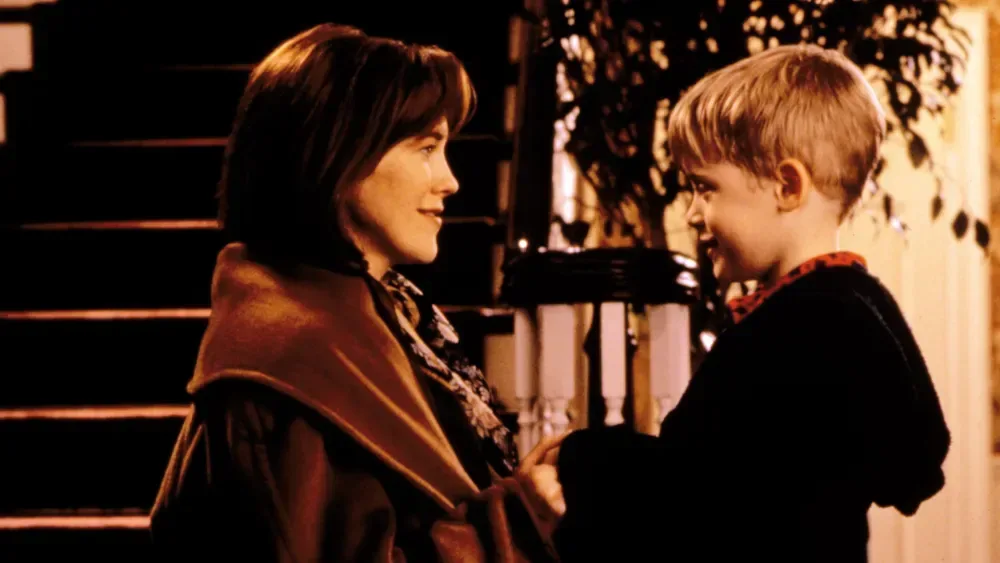
The first Home Alone arrived in 1990 with Culkin playing nine-year-old Kevin, the youngest member of the large McCallister family. Following a difficult night as the family prepares for a Christmas vacation, Kevin wishes he did not have to see them anymore. When his relatives accidentally leave for the airport without waking him, he gets the house to himself.
Kevin’s sudden independence is the engine of the story. He initially treats being alone as freedom, but must ultimately protect the home from the Wet Bandits, played by Joe Pesci and Daniel Stern. The comedy’s final stretch turns Kevin’s homemade defenses into a cartoonishly elaborate battle of wits with two burglars who repeatedly underestimate him.
Chris Columbus directed the original from a screenplay by John Hughes. Catherine O’Hara, John Heard and Robert Blossom were among its supporting cast. Culkin’s performance is inseparable from the film’s identity, so his presence in the writing process gives the new project an unusually direct line to the character’s beginnings.
That does not necessarily mean the sequel will try to recreate the original beat for beat. In fact, an adult Kevin offers a potentially different dramatic position: the child once forced to become “the man of the house” could now be facing family responsibilities from the other side. But that is analysis, not a reported story element. The project has not revealed its premise.
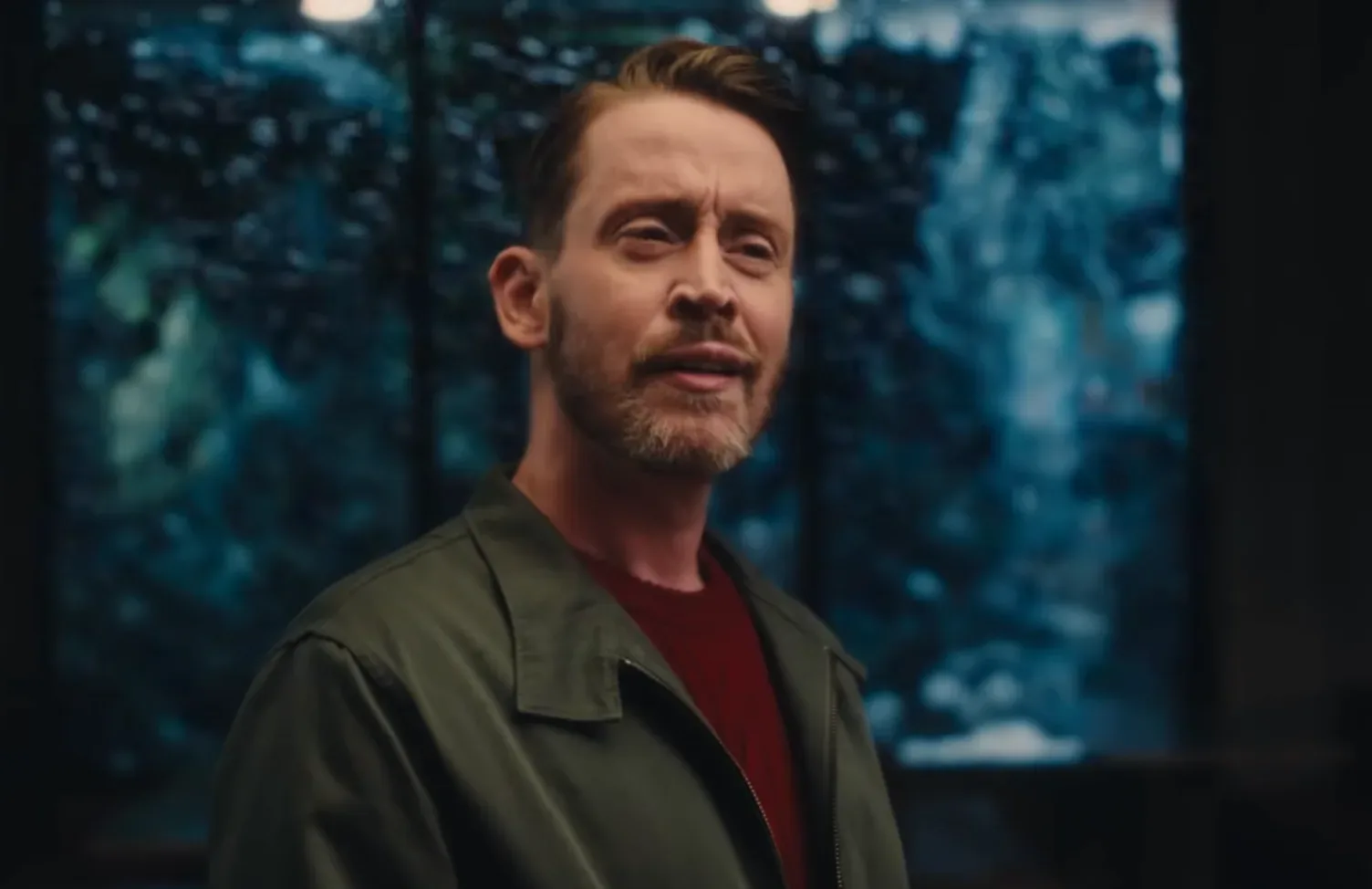
It is also worth separating recognition from certainty. Culkin recently appeared as a grown-up Kevin in a Christmas-themed McDonald’s advertisement, which renewed public interest in the idea of his return. An ad can show that a character still resonates with audiences; it does not reveal the screenplay’s story or confirm which elements of that portrayal, if any, will carry into a feature sequel.
A franchise with several versions of “Home Alone”
The series has already taken more than one route after the first film. Home Alone 2: Lost in New York, released in 1992, brought Culkin back in a broadly similar setup, moving the action from the McCallister house to New York City.
By 1997, Home Alone 3 effectively reset the premise with Alex D. Linz taking over as its child lead. Culkin had aged out of Kevin, while John Hughes remained the screenwriter and Raja Gosnell directed. The franchise then continued with two made-for-television films, followed by Home Sweet Home Alone, released on Disney+.
That history is useful context because “sequel,” “reboot” and “revival” can describe very different things in franchise reporting. A sequel typically continues a prior story or character line. A reboot restarts a property with a new take, often without requiring knowledge of earlier entries. A revival can bring back an established property after a gap while mixing old and new elements. The new project is being developed as a sequel, but its detailed relationship to each earlier Home Alone installment remains unspecified.
Its most concrete point of continuity is Culkin’s participation. Whether that continuity becomes a direct on-screen return for Kevin, a creative contribution behind the scenes, or both has not been announced.
The practical challenge: preserving the premise without trapping it in nostalgia
Home Alone has an unusually clean high-concept structure: a child is isolated during the holidays and has to outsmart intruders. It is easy to summarize, but much harder to update without making the setup feel like a duplicate of the original or abandoning the elements audiences associate with the name.
That challenge extends beyond plot mechanics. The original’s appeal comes from the friction between wish fulfillment and vulnerability. Kevin gets exactly the freedom he thinks he wants, then discovers that being left behind is not simply fun. The traps and physical comedy provide the spectacle, but the emotional premise gives them stakes.
A modern continuation will need to decide which part of that formula is essential. Is the central subject an adult Kevin? Is Kevin now the parent or guardian dealing with a younger character? Is the focus still a child’s experience of separation and independence? The development team has not said. Those choices will shape whether the film feels like a continuation of the original’s character story or a new holiday comedy using its familiar framework.
Visual details will matter, too. As a recent look at costume design and storytelling illustrates, character presentation can carry narrative information before dialogue does. For a legacy comedy, the balance between recognisable references and believable contemporary characterisation can determine whether nostalgia feels purposeful rather than merely decorative.
What audiences should watch for next
The next meaningful update would be confirmation of Culkin’s on-screen role, followed by a director and a basic premise. A casting announcement could also indicate whether Disney sees the film as Kevin McCallister’s story, an ensemble family film, or a passing-of-the-torch setup centered on a new child lead.
Until then, the key fact is straightforward: Disney has begun early work on another Home Alone, and this time the original Kevin is involved in developing it with Rogen and Goldberg. With the story and cast still confidential, the project is better understood as a promising creative starting point than as a finished plan for the McCallisters’ next Christmas disaster.