Magic: The Gathering’s long-running move toward an animated screen adaptation has a clearer destination at last. The Netflix series is titled Planeswalker, and it is currently expected to arrive sometime in 2027. The project was revealed with its new title at MagicCon Atlanta after first entering development in 2019.
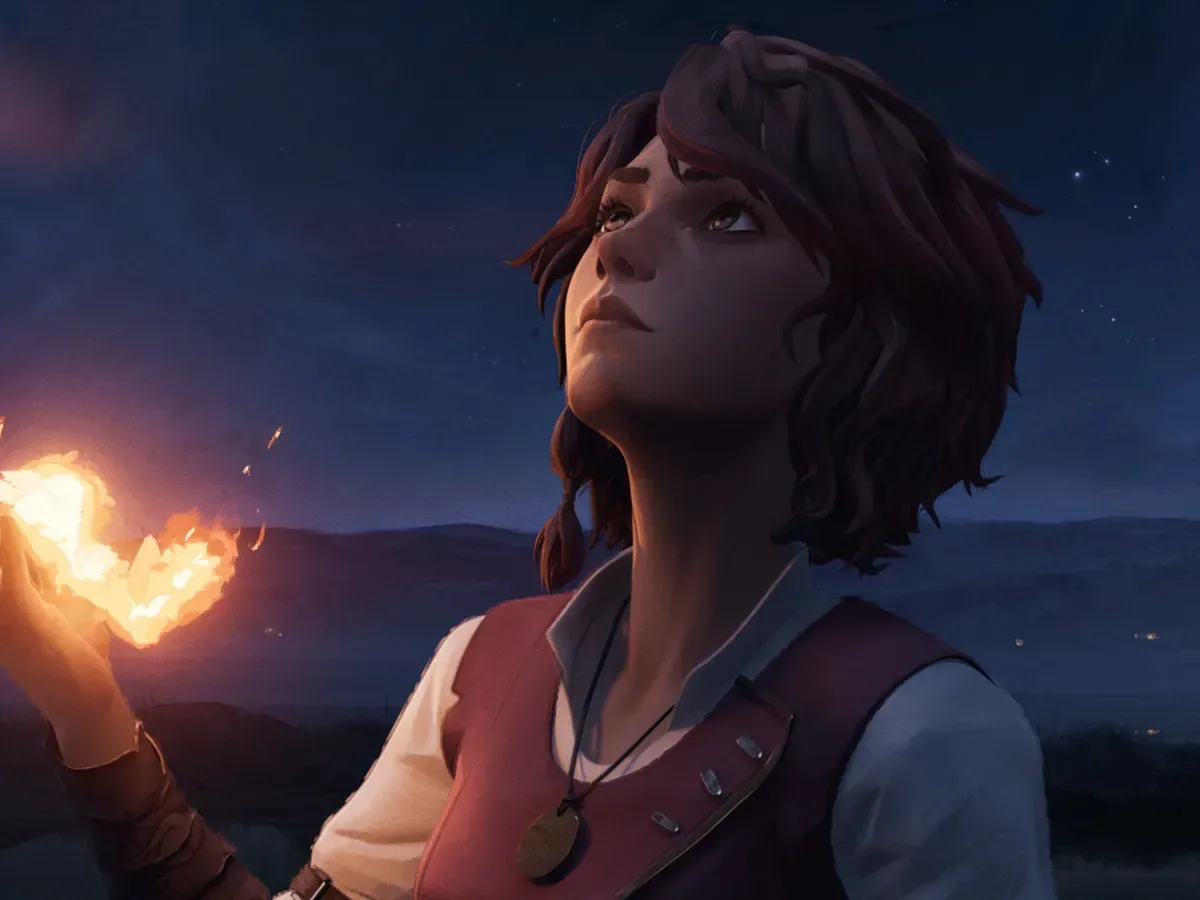
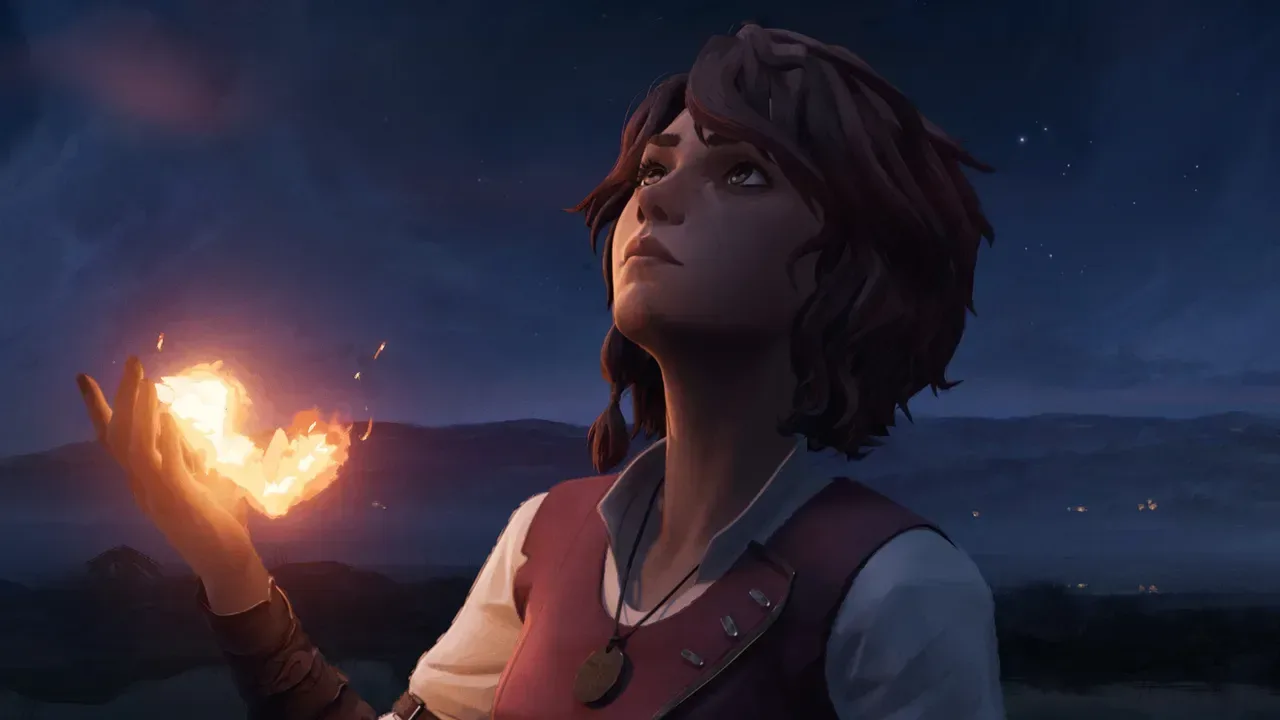
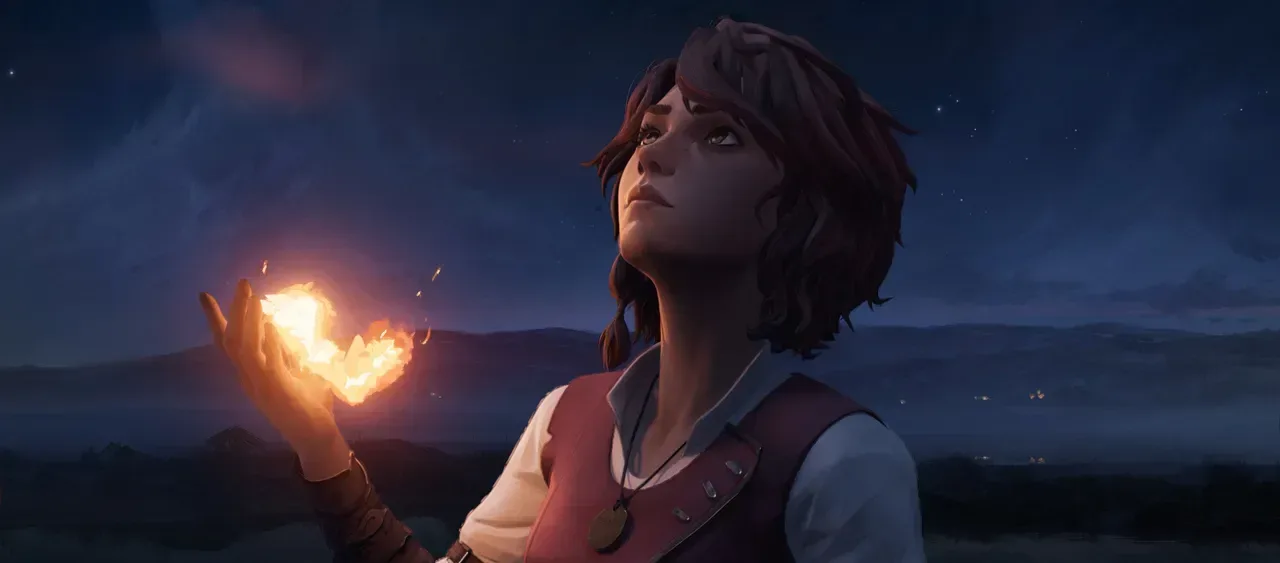
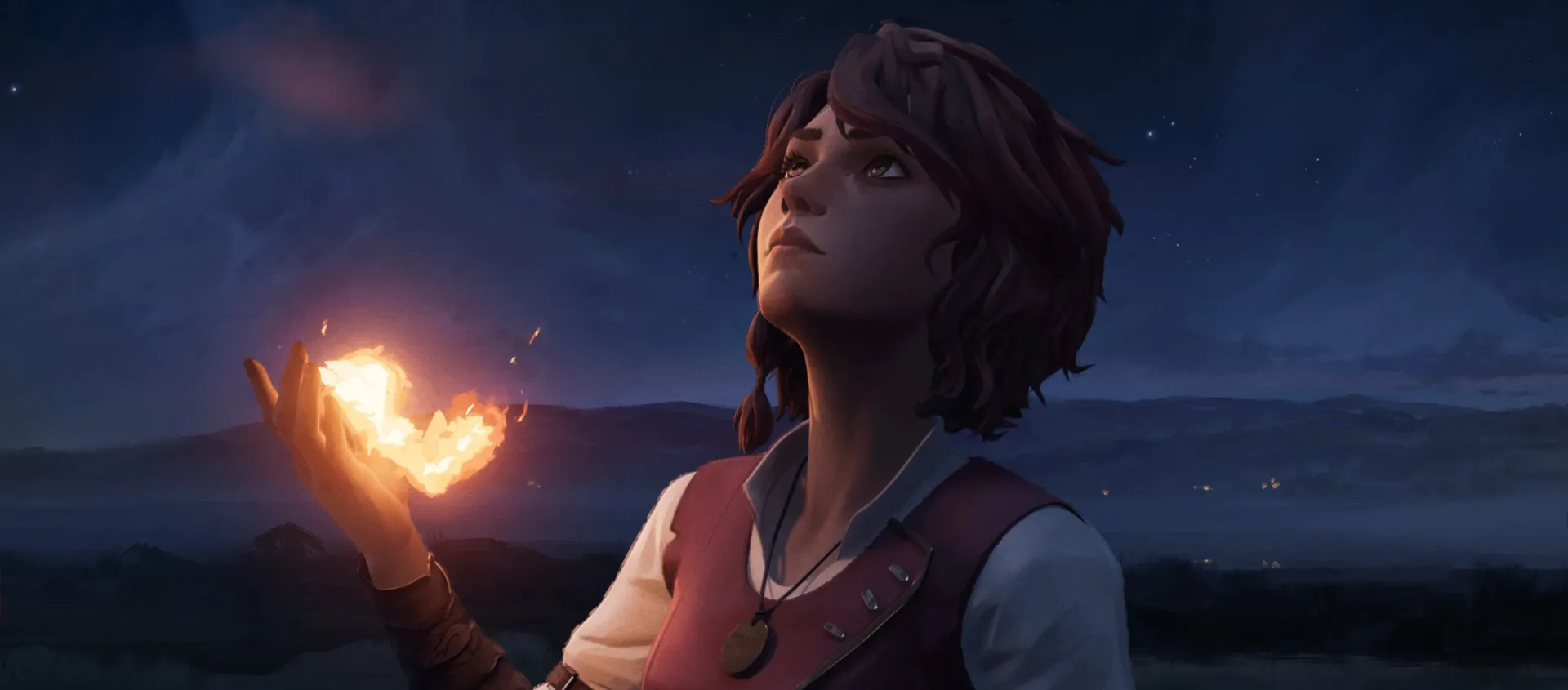
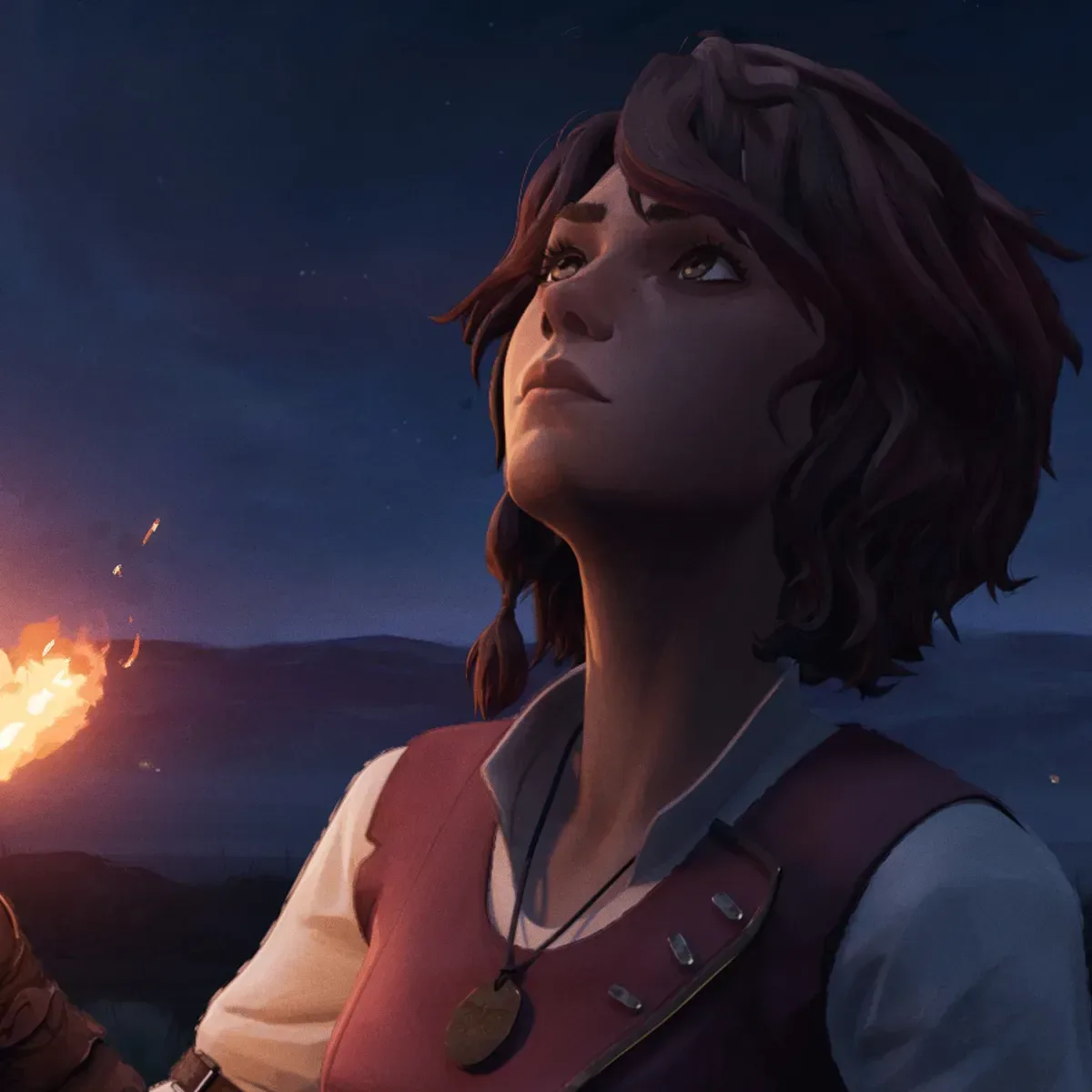
The series will put Chandra Nalaar at the center of its story. Chandra is described as a volatile pyromancer who is both pursued because of her abilities and burdened by her history. When an insidious threat emerges, she and other renowned Planeswalkers must confront dangerous alliances, personal demons and the prospect of a war capable of consuming thousands of worlds.
That premise is a deliberately big swing, but it is also a natural fit for Magic’s fiction. The card game is built around many distinct worlds, rather than one fantasy continent with one fixed set of rules and cultures. Planeswalker appears prepared to use that scale rather than reduce it to background flavor. For the latest confirmed essentials—title, Chandra’s lead role and the 2027 window—see our coverage of Magic: The Gathering’s Planeswalker animated series.
Chandra Nalaar gives the show a clear point of entry
Adapting Magic presents an obvious storytelling challenge: there is a vast amount of lore and no shortage of potential protagonists. Centering the first series around Chandra provides a useful answer to that problem. Instead of asking newcomers to understand every world, faction and legendary figure immediately, the story can establish its stakes through one character whose power and past are already tied to the central conflict.
Chandra’s defining ability is pyromancy: magic involving fire. In the language of the show’s title, she is also a Planeswalker. That term matters because it describes a character able to move between worlds, or planes. It is the mechanism that lets Magic’s universe connect settings that may otherwise have little in common. A Planeswalker-focused series can therefore travel broadly while retaining an ongoing cast and a continuing emotional throughline.
The official setup suggests that Chandra will not simply be a hero firing spells at a succession of enemies. The synopsis stresses that she is hunted for her gifts, haunted by her past and required to contend with internal as well as external threats. It also frames her fellow Planeswalkers as legendary allies, while warning that their alliances may be treacherous. Those details leave plenty unspecified, including which characters will join her, but they establish the intended dramatic structure: a character-led fantasy adventure with multiversal consequences.
A single spark is presented as carrying the fate of thousands of worlds, placing the series’ conflict squarely on a multiversal scale.
What “Planeswalker” means for a Magic adaptation
Magic’s planes are not merely different locations on a map. They are separate worlds, a framework that allows the franchise to accommodate an unusually wide range of fantasy settings. That breadth is creatively valuable, but it can become difficult for television. A series needs viewers to understand what they are seeing, why a place matters and what is at risk before it jumps to the next setting.
Related coverage includes Magic: The Gathering Animated Series Planeswalker Set for Netflix in 2027.
The announced premise gives Planeswalker two potentially stabilizing elements. First is Chandra herself: following her journey offers a consistent perspective as the setting changes. Second is the looming war. A threat that reaches across worlds supplies a reason for varied locations and characters to be part of one story, rather than a collection of disconnected visits.
There is still an important distinction between what has been confirmed and what remains speculation. It is confirmed that the show concerns Chandra, other legendary Planeswalkers, hazardous alliances and a cataclysmic conflict. It is not yet confirmed how many planes viewers will visit, which specific characters will appear alongside Chandra, how episodes will be structured, or whether the story draws directly from a particular existing Magic storyline. Those are meaningful unknowns for longtime players, especially because Magic’s narrative history can support many possible approaches.
Animation is a practical match for the premise
Planeswalker is an animated series, not a live-action production. That choice has major practical implications for a property built around spectacular magic, creatures and worlds with radically different visual identities. Animation can make a fire-wielding lead and a constantly expanding fantasy cosmology feel native to the screen rather than like occasional effects deployed around otherwise grounded locations.
It also makes stylistic consistency especially important. Magic has accumulated an enormous visual vocabulary through card art and worldbuilding. The series does not need to reproduce every individual card image to feel connected to that heritage, but it will need to establish how its characters, spells and planes coexist in one screen language. Chandra’s fire magic offers an immediate visual anchor; the bigger task will be making each new environment feel distinct without undermining the sense that it all belongs to the same universe.
The project’s use of animation should not be taken as a promise of a particular rating, episode length or visual style. None of those details have been announced. What can be said is that the format is well suited to the type of action and location-hopping inherent in the confirmed premise.
A long development path and a new creative leadership pairing
The road to this announcement has been lengthy. Netflix’s Magic project was first announced in 2019, with Joe and Anthony Russo initially attached to lead it. The Russo brothers departed in 2021. Since then, responsibility for the series has moved to Terry Matalas, who will run Planeswalker with Cindy Appel.
That change in leadership is more than a production footnote. In a franchise adaptation, the person or team steering the show must decide how much information to front-load, which lore to hold back and what kind of emotional promise the first season makes to audiences unfamiliar with the game. A series can acknowledge a deep back catalog without requiring viewers to arrive with a glossary. Making that balance work may be especially important here, where the show’s premise embraces thousands of worlds from the outset.
Matalas previously served as showrunner on VisionQuest, which has recently concluded. That is relevant as a recent credit, but it does not reveal the precise tone, scale or release plan for Planeswalker. The only safe expectation is the one set by the announcement: Matalas and Appel are now leading the Magic series, and the show is still pointed at 2027.
What viewers and players can take from the announcement now
For viewers who have never played Magic, the news indicates that the adaptation will have a defined protagonist instead of attempting to introduce the entire franchise as an equal ensemble. Chandra’s predicament is understandable in basic terms: an exceptionally powerful mage is threatened by a force that could turn an already complicated world-spanning situation into catastrophe. That is a workable invitation into a large setting.
For established Magic fans, the announcement confirms that the show intends to engage with one of the franchise’s foundational ideas rather than treating its fantasy trappings as generic scenery. Planeswalkers, planes and a threat on a scale of many worlds are all core pieces of the property’s narrative identity. The intriguing unanswered question is how selective the adaptation will be. A focused Chandra story could make the series accessible; a large supporting roster could demonstrate the range of Magic’s mythology. The final balance has not been detailed.
It is also worth keeping release expectations modestly precise. The stated target is sometime in 2027, not a specific month or day. There is no announced trailer date, cast list, season length or episode count in the available information. The newly disclosed title and premise are substantial progress after years of development, but they are not a full production roadmap.
Why the title matters
Planeswalker is a direct statement of what kind of Magic story this will be. The title does not point to one plane, one war or one artifact; it points to the people who can cross the boundaries between worlds. That immediately positions Chandra’s identity, and the identities of her eventual allies and enemies, as more than a superpower. Their ability to navigate planes is likely central to how the series moves, how it expands its setting and how its central war threatens so much more than one home world.
The 2027 debut target means the wait continues, but the project now has a name, a protagonist, an animated format and confirmed showrunning leadership. For a franchise with lore measured across many worlds, that is a firmer starting point than Magic’s screen ambitions have had in some time.