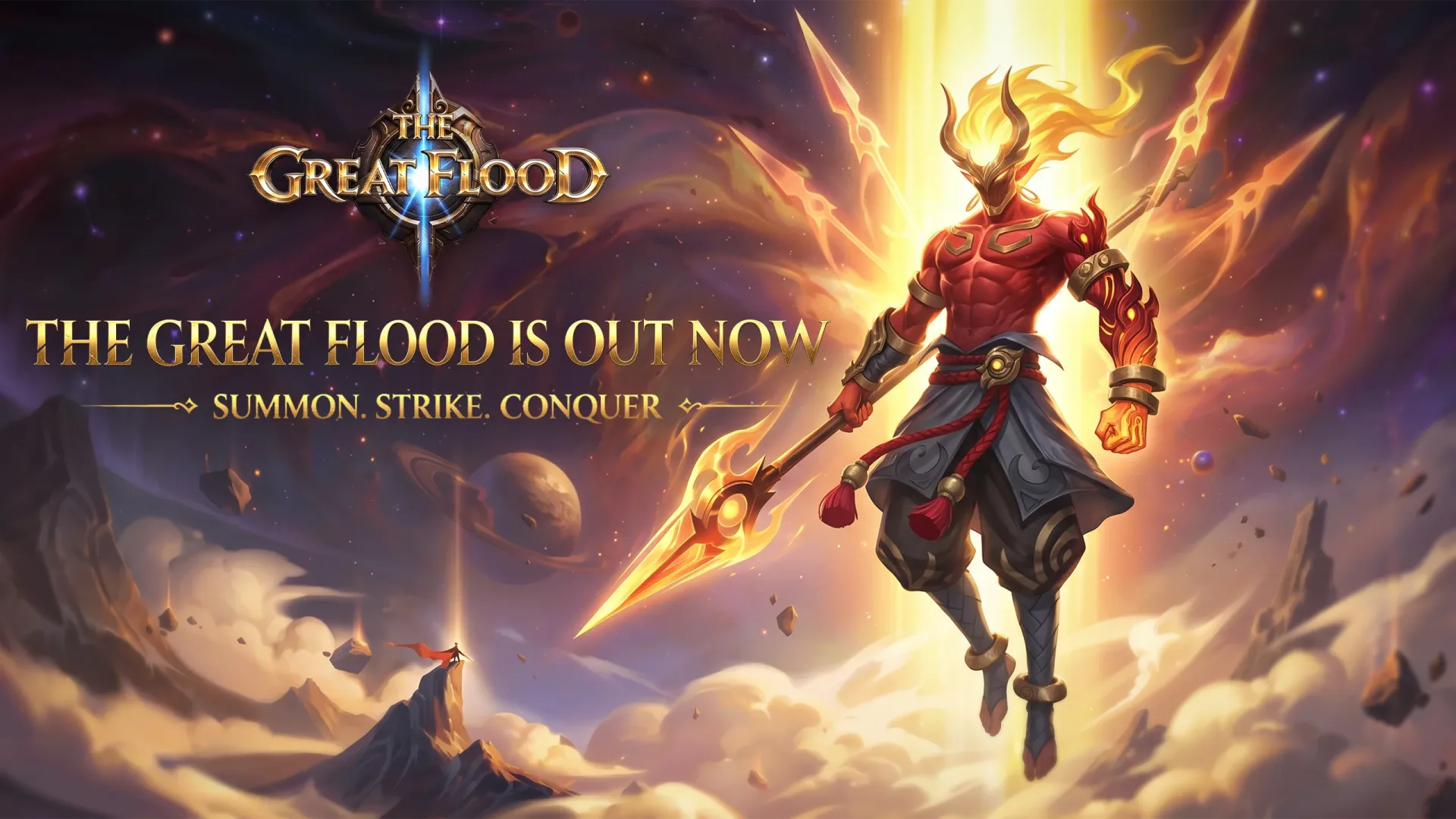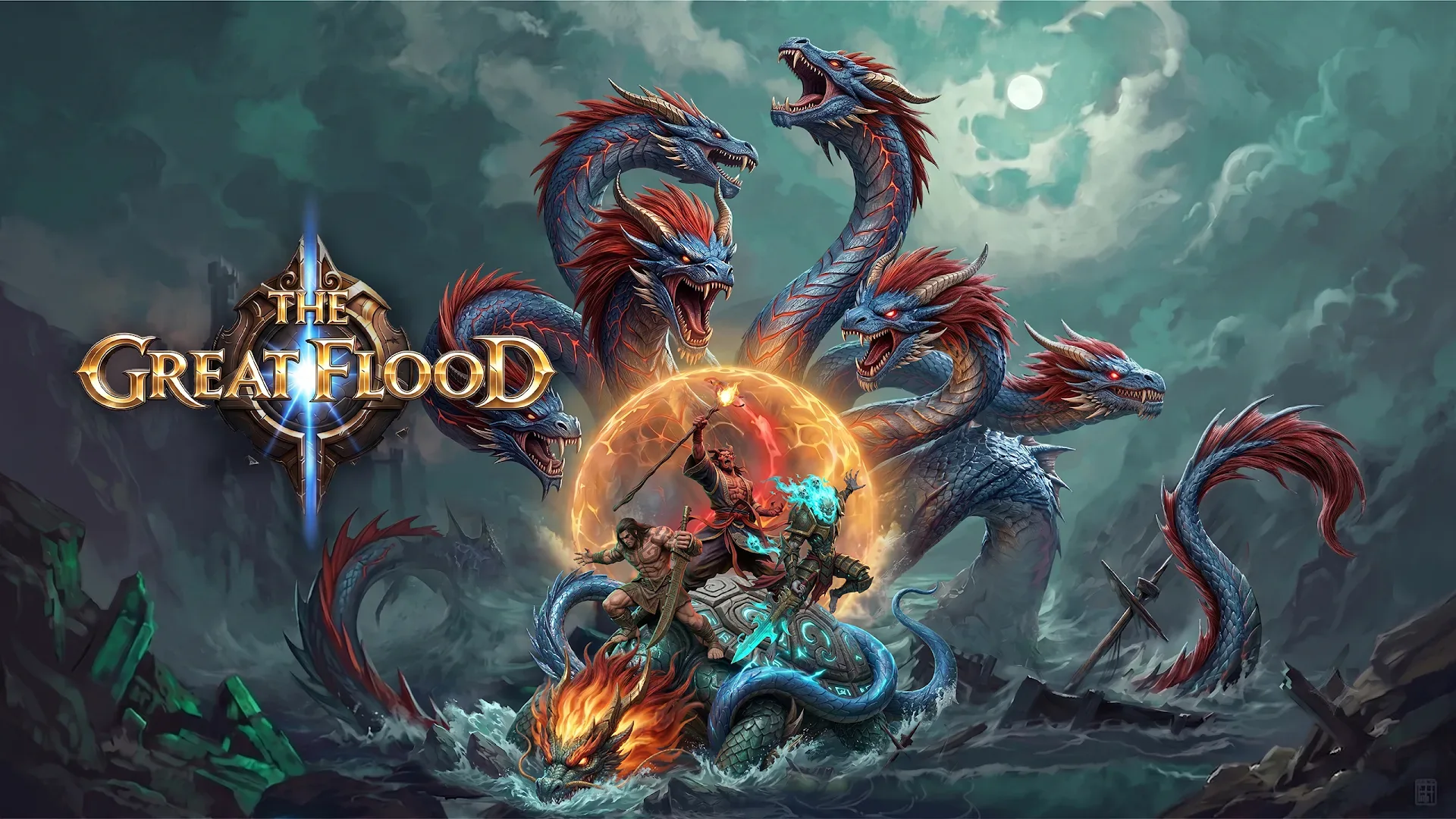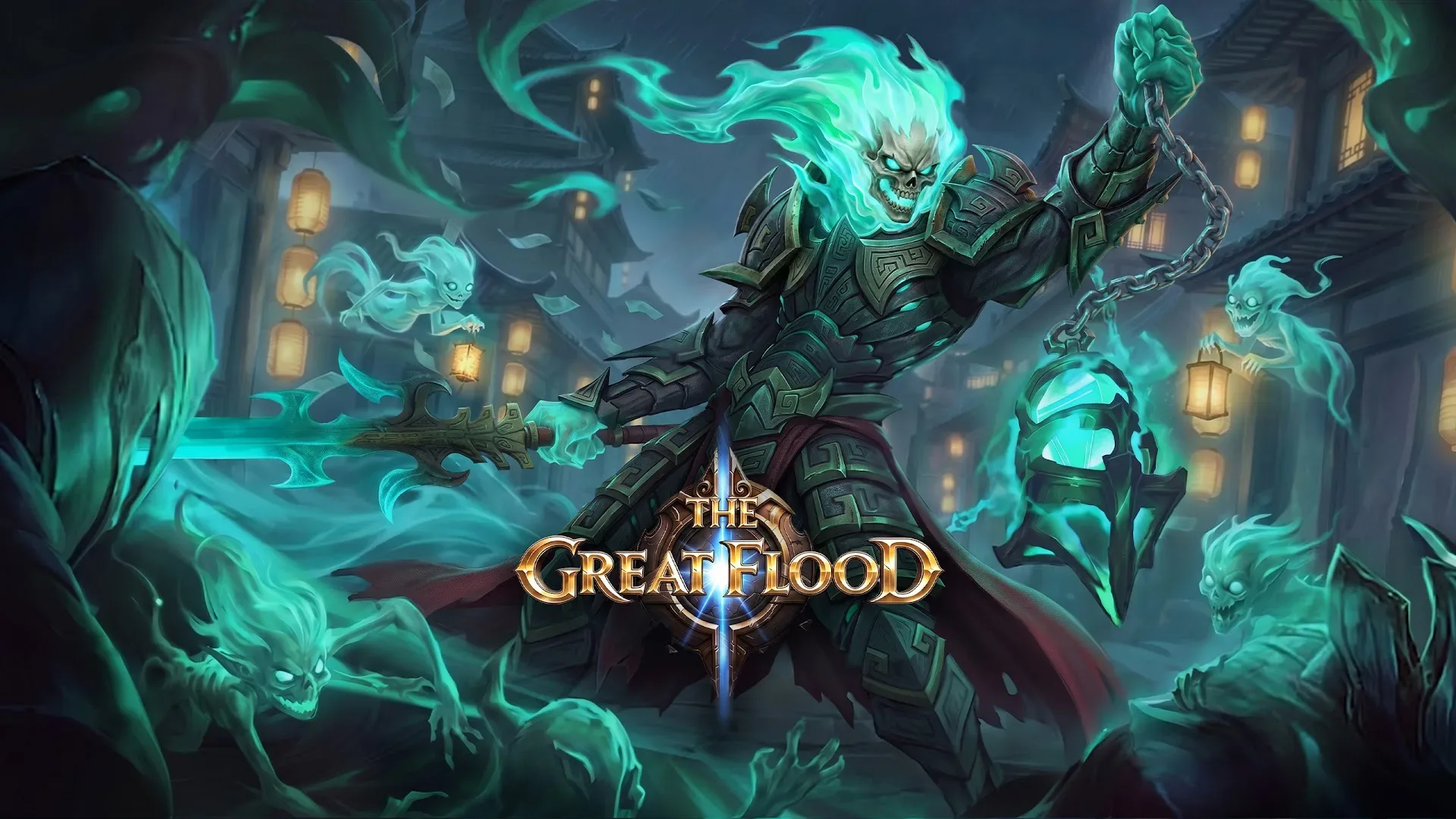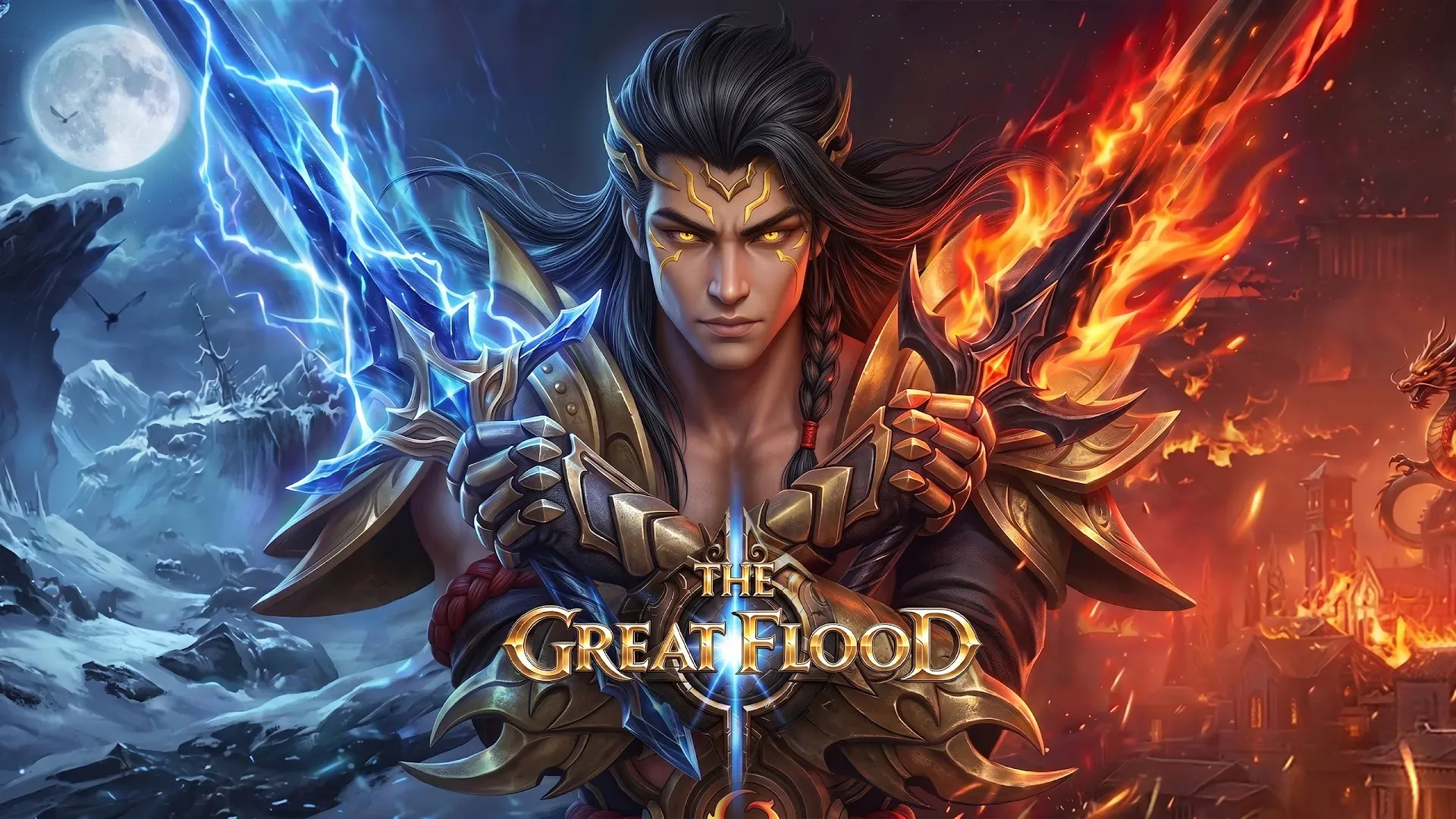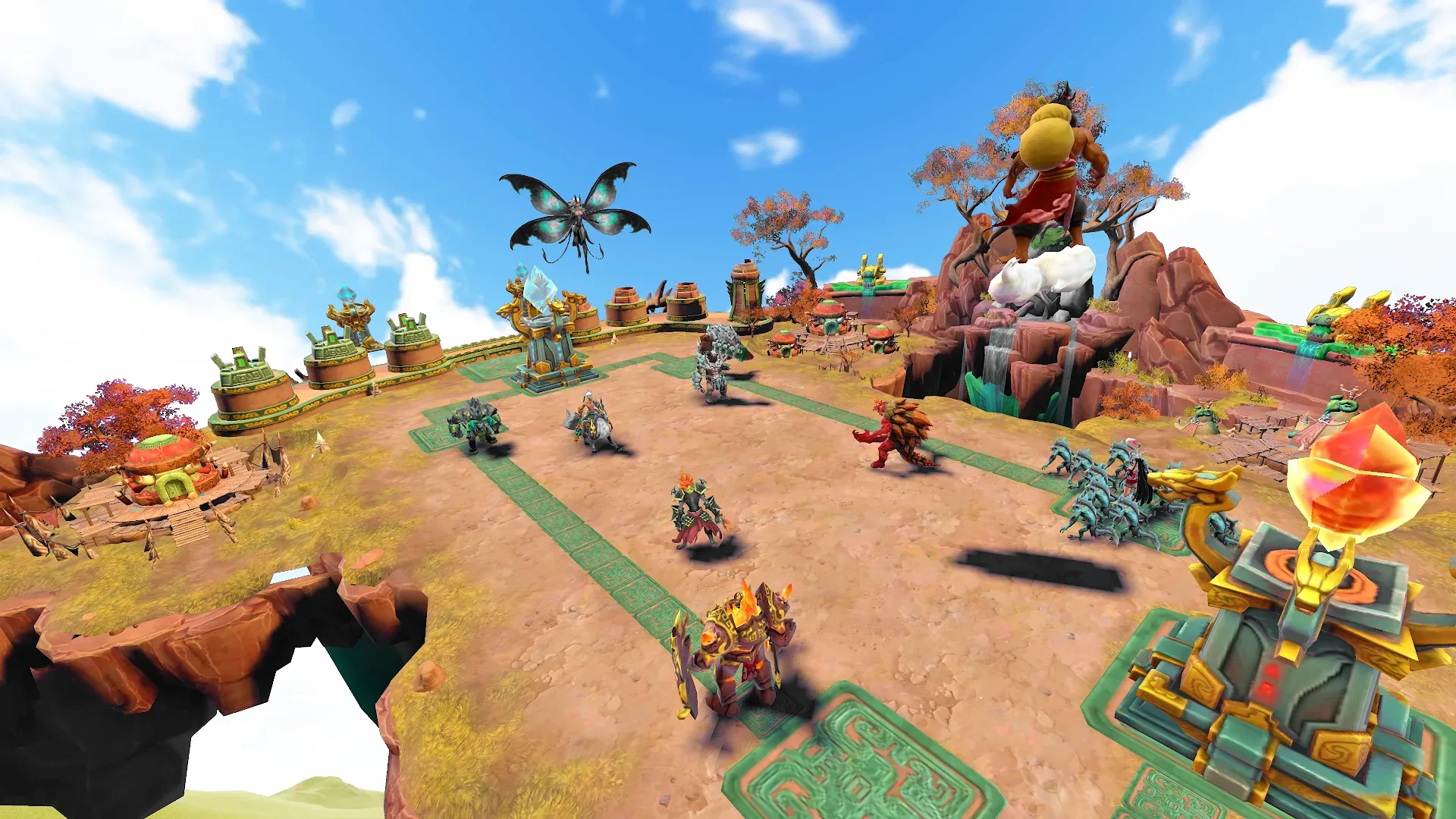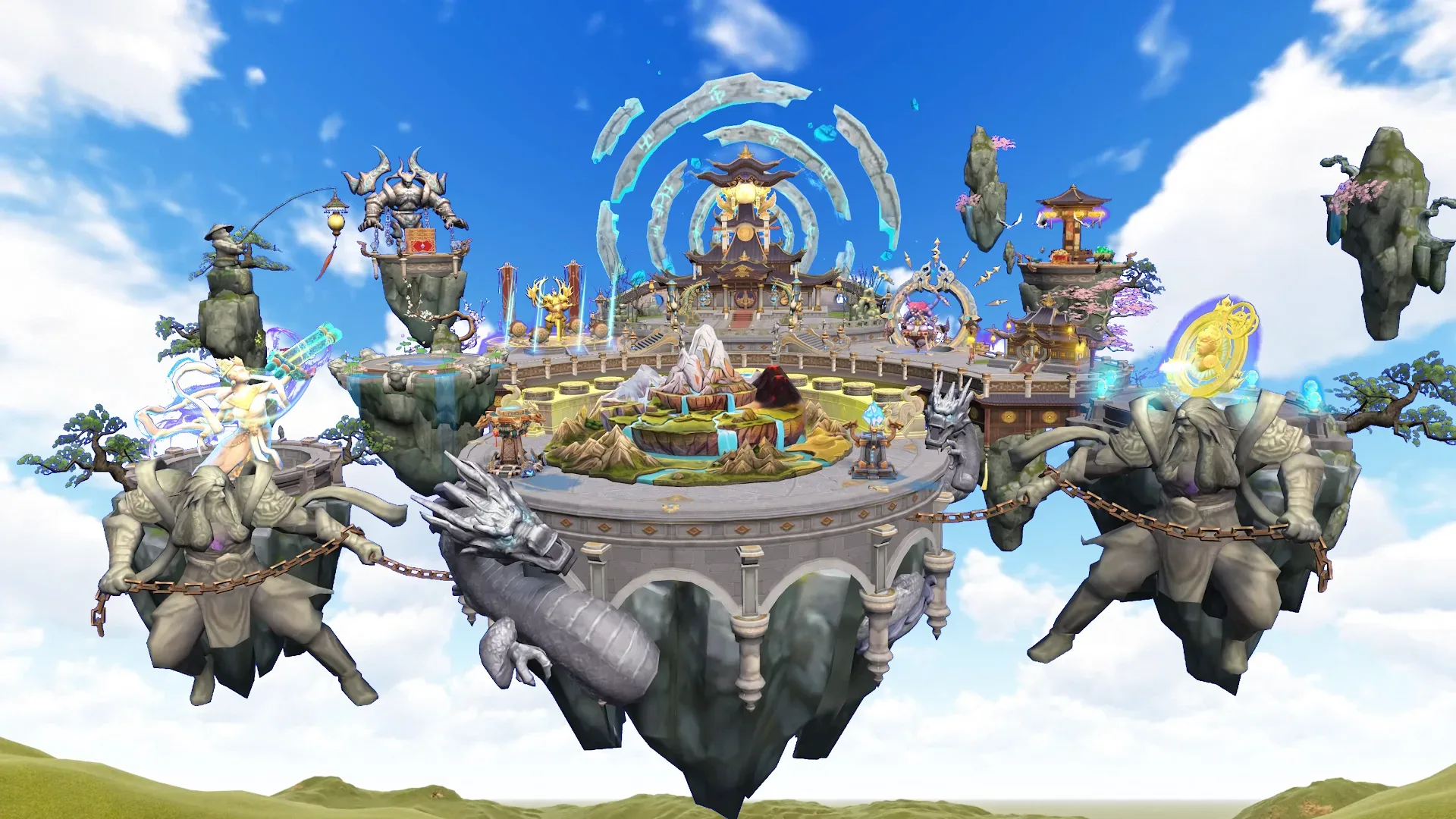
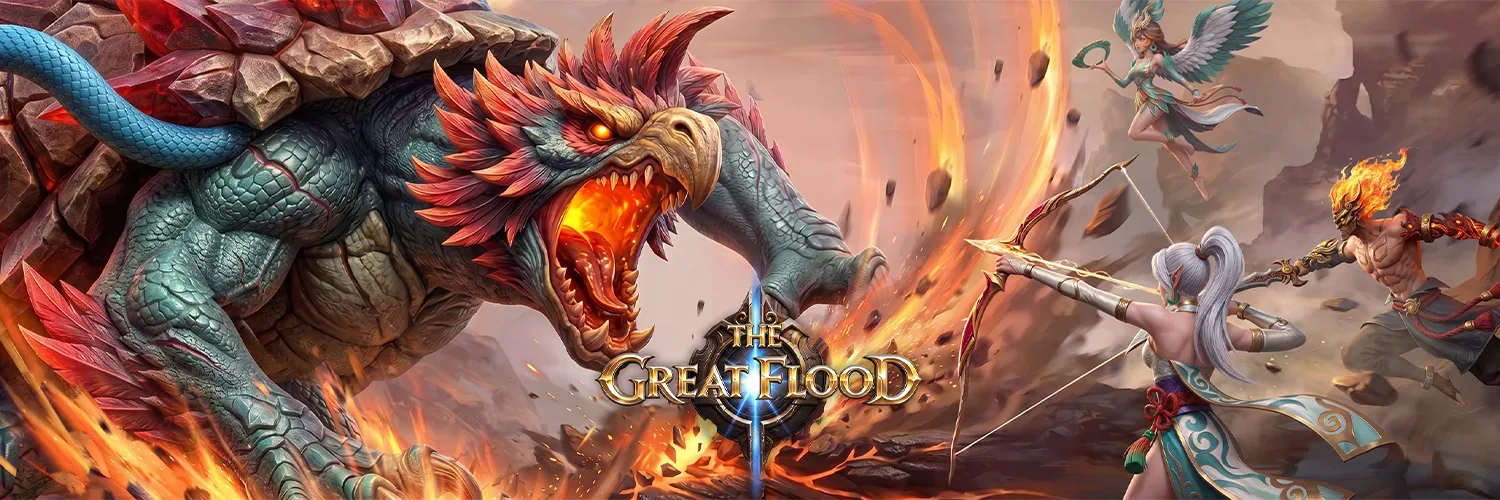
The Great Flood is now available on Meta Quest as a free-to-play mixed-reality real-time strategy game. Developed by SoulFire Studio and LingVision Games, it is built around tabletop-style battles played in mixed reality, with solo options alongside online 1v1 and 2v2 matchmaking.
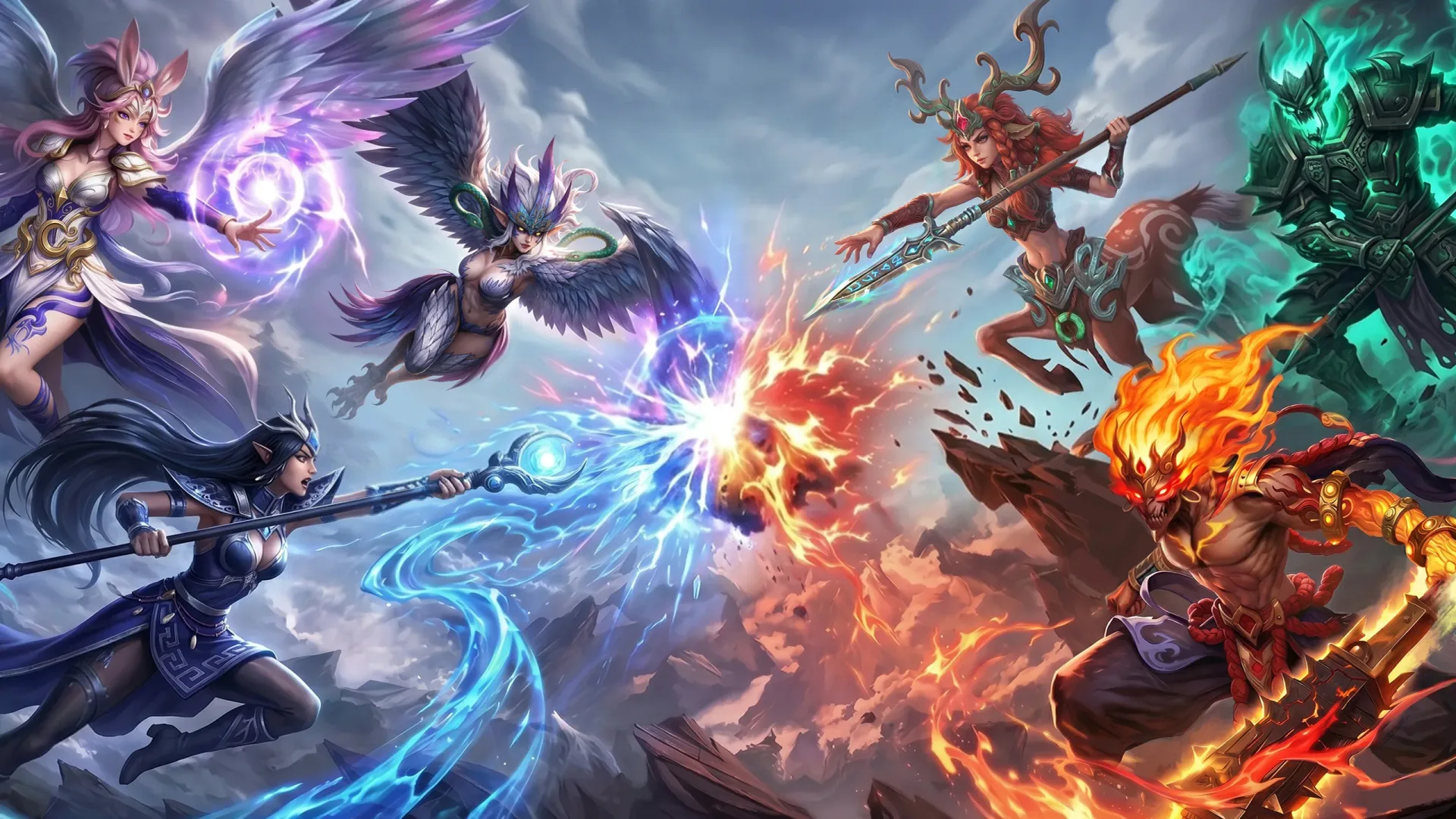
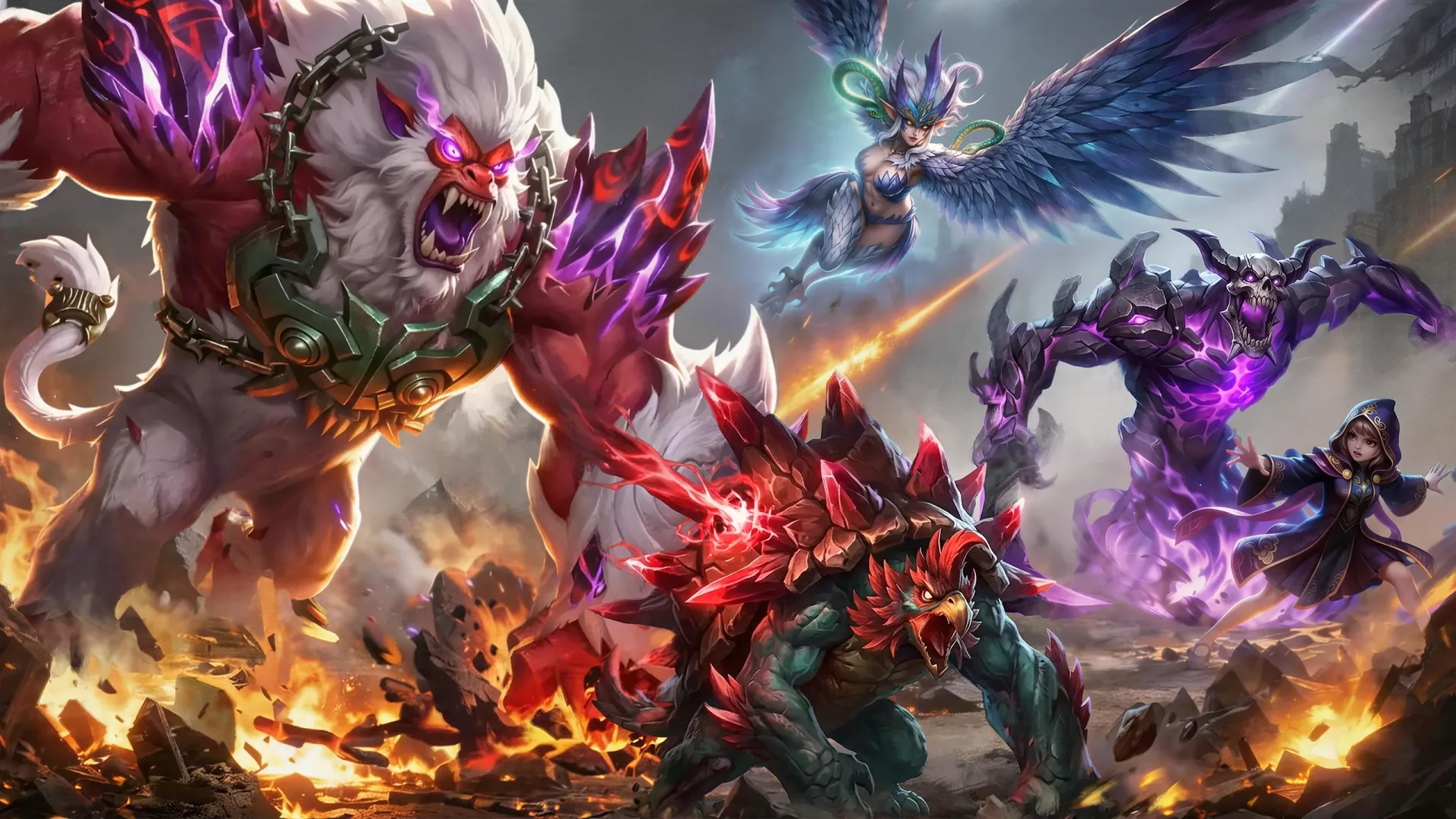
The central idea is a compact, customisable army rather than a single controllable protagonist. Players assemble a 10-character team from heroes, soldiers and spells, then deploy units directly onto the battlefield. More than 50 mystical characters can be unlocked and upgraded, while post-battle troop changes let players revise their squad composition between matches.
A strategy game designed around a real room
Mixed reality is the key term in The Great Flood’s pitch. In this context, it means the game is intended to place a digital battlefield into the player’s physical surroundings through Meta Quest, rather than presenting strategy exclusively on a conventional flat display. The result is described as tabletop-style action: a board-like combat space where teams, positioning and spell use can be observed from the player’s viewpoint.
That format is a potentially natural fit for real-time strategy. Traditional RTS games generally ask players to select units, choose locations, react to enemy movement and make decisions under pressure. The Great Flood retains those priorities, but presents the act of deployment more physically. Players pick troops from their arm and place them on the battlefield, making the selection-and-placement step a direct part of the mixed-reality interaction.
For more context, explore Apple HomeView Pre-Order Is $289.99 at Amazon Ahead of November 13 Launch.
Placement is not simply cosmetic. The game specifically emphasizes timing and positioning, suggesting that the point at which a troop enters the fight and the space it occupies are core tactical decisions. Players can also intervene during combat through spells, giving them a way to affect a battle beyond their initial team selection.
Real-time strategy means decisions continue to matter while the battle is underway. That distinguishes it from a strictly turn-based system, where each side waits for a discrete opportunity to act. In The Great Flood, deployment and spell usage are presented as active battle choices, so players will need to think about both preparation and reaction.
Ten-character squads and a larger unlock pool
Each squad contains 10 characters, but the game’s roster extends beyond that immediate lineup. With 50-plus characters to unlock and upgrade, the stated structure gives players room to change which heroes, soldiers and spells they bring into battle.
The announced categories also matter. Heroes imply powerful individual units, soldiers provide a broader set of troop choices, and spells are described as battlefield-changing tools. The exact attributes, counter systems and character balance have not been detailed, so it would be premature to assume how any individual unit functions. What is clear is that The Great Flood is designed to make team construction part of its long-term loop.
That loop has two stages:
- Build a squad: Choose a 10-character team from the available pool.
- Refine it: Unlock and upgrade characters, earn XP and rewards through play, then swap troops after battles to adjust tactics.
The ability to switch troops after every battle is especially significant for a competitive strategy game. Rather than locking a player into one setup for an extended run, it provides a regular opportunity to respond to what did or did not work. A player who finds a particular formation ineffective can change the team before the next match; equally, a successful approach can be retained while one or two components are altered.
This does not guarantee that every tactical answer will be equally accessible, since characters must be unlocked and upgraded. But it establishes a clear progression model in which the usable roster grows over time and a squad can evolve with it.
Ranked play, solo modes and bots for matchmaking
The Great Flood includes both solo play and online multiplayer. Its competitive multiplayer options are 1v1 and 2v2 battles, while ranked matches offer XP and rewards that contribute to squad upgrades.
Ranked matches are competitive games tied to a progression and reward structure. The available details do not set out a ranking ladder, divisions or matchmaking rules, so those systems remain unspecified. Still, the connection between ranked play, XP and upgrade rewards means competitive matches are one route through the game’s broader character-progression loop.
For those learning the systems or looking for non-online play, the game also lists a Training Camp. It is described as a place to learn tactics and earn rewards. This is a practical inclusion for a game that combines team building, real-time placement and spell timing: players can work on the fundamentals without the immediate pressure of a live opponent.
Bots are available to speed up matchmaking. That wording is worth reading carefully. It establishes that bot participation is intended to reduce wait times when seeking a multiplayer battle, but it does not explain precisely when bots appear or how they are selected. Players should therefore expect an option designed to keep matches moving, rather than assume a particular bot policy beyond that stated purpose.
What 1v1 and 2v2 change tactically
The two online formats create distinct strategic considerations even though they draw on the same squad-based foundation.
- 1v1: A player’s own deployment, timing and spell decisions are directly responsible for the outcome. It is the clearest setting for testing an individual deck or troop combination.
- 2v2: Two players share the challenge of facing another pair. Coordinating approaches becomes important because teammates can bring different plans and need to react to the same battlefield.
The announcement specifically connects coordinated 2v2 play with the game’s Sect system. This makes social organization more than a chat feature. Players can use Sects to find collaborators, exchange tactical ideas and share decks, then put team strategies into practice in the co-operative competitive mode.
Deck sharing, as described here, refers to sharing the composition or setup used for battle with other players. For a game with 10-character teams, that can make it easier for a group to discuss a lineup in concrete terms rather than merely describe it. The available information does not say whether shared decks can be imported directly or are simply displayed as recommendations, so the exact implementation has not been established.
Sects are the game’s social layer
Players can join an existing Sect or create one of their own. Within that group structure, members can chat, collaborate, trade tactics and share decks. The system is therefore positioned as a community hub for players who want a consistent set of partners rather than relying only on individual matchmaking.
For 2v2 in particular, the appeal is straightforward. A regular partner or group can agree on a plan before entering a match, compare squad ideas afterwards and adjust future lineups together. Since The Great Flood puts emphasis on both composition and in-battle intervention, communication could help teams coordinate when to deploy units or use spells—though the precise in-match communication tools have not been outlined.
The Sect feature also gives the game a social path outside the ranked grind. Some players may focus on climbing through competitive matches, while others may find the deck-sharing and collaborative aspects just as important. The launch information supports both styles without suggesting that membership in a Sect is required to play.
What players can expect at launch
The Great Flood’s confirmed launch package centers on a few connected pillars: mixed-reality tabletop presentation, real-time troop placement, 10-character squad building, a roster of more than 50 unlockable and upgradeable characters, solo play, online 1v1 and 2v2 modes, ranked progression, Training Camp rewards and Sects.
Its free-to-play status removes an upfront purchase requirement, but no further details have been provided about monetisation, progression speed, cosmetic items or other optional transactions. Those are important practical considerations for any free-to-play strategy game, but they cannot be assessed from the currently available launch information.
Likewise, the announcement identifies Meta Quest as the platform and says the game was designed specifically for mixed reality on the headset family. It does not name individual Quest models, describe room-space requirements, set out comfort options or list technical performance targets. Players considering it should treat the confirmed platform and feature list as the reliable starting point, while waiting for further detail on those unaddressed questions.
For Meta Quest owners interested in strategy games that turn a room into the frame for a battlefield, The Great Flood is available now. Its immediate hook is clear: select a squad, place troops in real time, disrupt opponents with spells and keep revising the plan as new characters and team ideas become available.