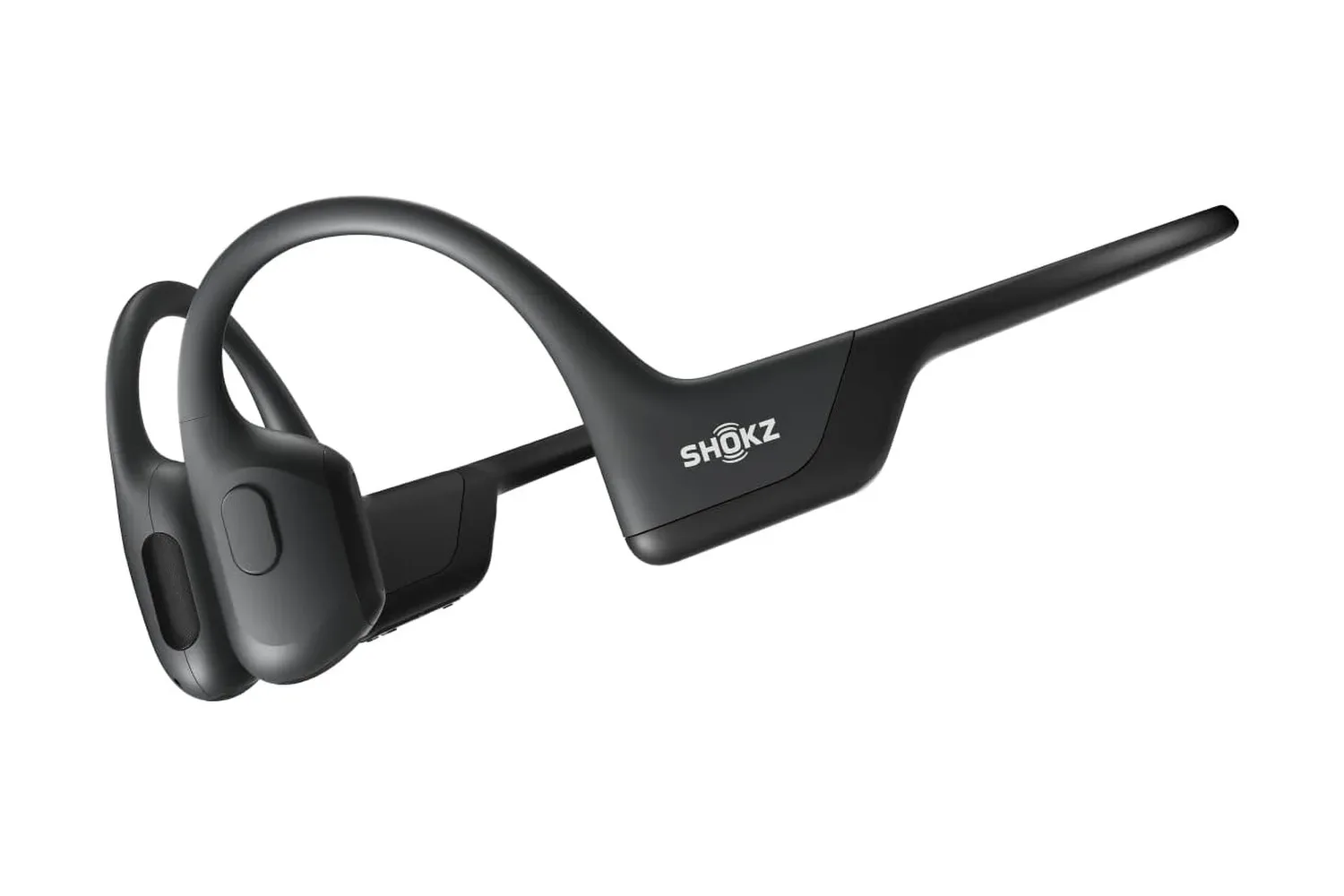
The Shokz OpenRun Pro is currently listed on Amazon for $110, down from $180. That is a $70 reduction, or 39% off the listed price. It puts attention on a headphone design that approaches portable listening very differently from conventional earbuds: rather than placing drivers inside or over the ears, the OpenRun Pro rests in front of them and sends sound through the cheekbones.
For players, commuters, runners and anyone whose listening happens alongside other activities, the appeal is not simply music playback. It is the ability to keep audio running without sealing off the surrounding space. The OpenRun Pro’s configuration is intended to leave the ear canal unobstructed, so nearby voices and environmental sounds can remain audible while music, a podcast or a call plays.
That distinction is worth considering before treating the discount as the only story. The OpenRun Pro is built around open-ear awareness, a lightweight frame and controls suited to activity. Someone who wants isolation above all else may prefer a conventional headphone design; someone trying to avoid the pressure and fit concerns associated with in-ear buds may find this approach more compelling.
What bone conduction changes
Bone conduction is the key technical term here. With the OpenRun Pro, the audio components sit directly ahead of the ears rather than in the ear canal. Sound travels through the wearer’s cheekbones, while the ear itself remains open to the world.
The practical implication is straightforward: awareness is part of the product’s purpose. A runner or cyclist can listen while retaining the ability to hear what is around them. The same premise can apply at a desk, at home or in a workplace where a user may need to notice family members or colleagues without continually removing an earbud.
Open-ear listening also means the familiar trade-off is different. The supplied details emphasize that the user can hear their surroundings, not that outside sound is eliminated. This makes the OpenRun Pro a product to assess based on how and where it will be used. It is designed for listeners who value awareness during exercise, travel, daily movement, calls or work sessions.
Features that matter beyond the price
Shokz lists TurboPitch technology as part of the OpenRun Pro package. In this model, TurboPitch is described as an enhancement for lower-frequency sound, intended to add greater depth and richness to bass. That matters because bass is often where listeners scrutinize an open-ear audio product most closely. It is not a promise that every kind of content will sound identical, but it identifies the company’s approach to improving low-frequency response.
Users can also select EQ presets through the Shokz app. EQ, short for equalization, refers to adjustments that shape the balance of audio frequencies. In practical terms, presets offer a way to tailor output around the material at hand, whether that is a podcast, audiobook or music. The available information does not specify every preset, but the inclusion of app-based EQ means the listener is not confined to one fixed tuning.
Related coverage includes Shokz OpenRun Pro Is Listed at $110 With a 39% Discount.
Physical controls are another meaningful detail for people in motion. The OpenRun Pro includes volume and multifunction controls on the headset itself, allowing music and calls to be managed without pulling out a phone. That is a more useful convenience than it might initially sound: an accessible control can matter when a listener is walking, running, commuting or otherwise occupied.
Fit, frame and exercise-oriented durability
The OpenRun Pro weighs about 29 grams and uses a flexible titanium frame that wraps behind the head. Shokz positions the arrangement as stable for running and walking. The absence of a component in the ear canal is central to the comfort argument: people who experience pressure or troublesome fits from earbuds during long sessions have a different option here.
That does not make fit irrelevant—headphones should still suit the individual wearing them—but the product’s design clearly targets extended use. Its combination of low weight, a flexible frame and an open-ear layout speaks to marathon training and casual daily movement alike, rather than a headphone that must be repeatedly taken out to hear the world.
The device carries an IP55 rating. This rating is presented as protection against sweat and rain, fitting the OpenRun Pro’s workout-focused positioning. It is useful shorthand for buyers deciding whether a headset is aimed at active use rather than dry indoor listening only. Still, the supplied claim is specifically sweat and rain resistance; shoppers should not extrapolate beyond that stated protection.
Battery, fast charging and connection options
Shokz rates the OpenRun Pro for up to 10 hours of continuous use after charging. Battery estimates are best read as a manufacturer rating rather than a guarantee for every listening pattern, but the figure provides an expected full-day-or-several-workouts frame of reference.
Fast charging is part of the convenience proposition. A five-minute charge is said to provide roughly 1.5 additional hours of listening time. The headset uses a magnetic charging cable, designed to attach and detach easily. For an owner who notices a low battery shortly before a walk or workout, that short-charge claim may be more consequential than a headline maximum number.
Bluetooth 5.1 is included for wireless connectivity. The OpenRun Pro also supports multipoint pairing, meaning it can be paired with two devices, such as a phone and laptop. That is particularly relevant for people shifting between personal listening and computer-based calls. Instead of treating the headset as a single-device accessory, the feature accommodates a more mixed routine.
For calls, the OpenRun Pro uses dual noise-canceling microphones. The stated goal is clearer voice communication so that the wearer’s voice comes through loudly and clearly. This should be understood as a call-focused feature, separate from the open-ear design’s approach to what the listener hears around them.
Who the OpenRun Pro deal is for
At $110, the OpenRun Pro deal is most relevant to shoppers actively seeking open-ear bone-conduction headphones—not simply any discounted wireless set. Its strengths on the supplied specifications are easy to identify:
- Open-ear listening that preserves awareness of nearby activity.
- A roughly 29-gram titanium frame intended to remain secure while walking or running.
- Up to 10 hours of rated battery life, plus a five-minute quick-charge claim for about 1.5 hours of playback.
- IP55-rated protection described for sweat and rain.
- App EQ presets and TurboPitch low-frequency enhancement.
- Bluetooth 5.1, multipoint pairing and on-headset controls.
- Dual noise-canceling microphones for calls.
For gaming-adjacent use, that awareness-first setup could fit a player who listens to a podcast, soundtrack or voice call while staying available to the room around them. It is also a plausible work-from-home companion when hearing a person nearby matters more than shutting everything out. Those use cases are quite different from immersive solo play or intentionally isolated listening, and buyers should choose accordingly.
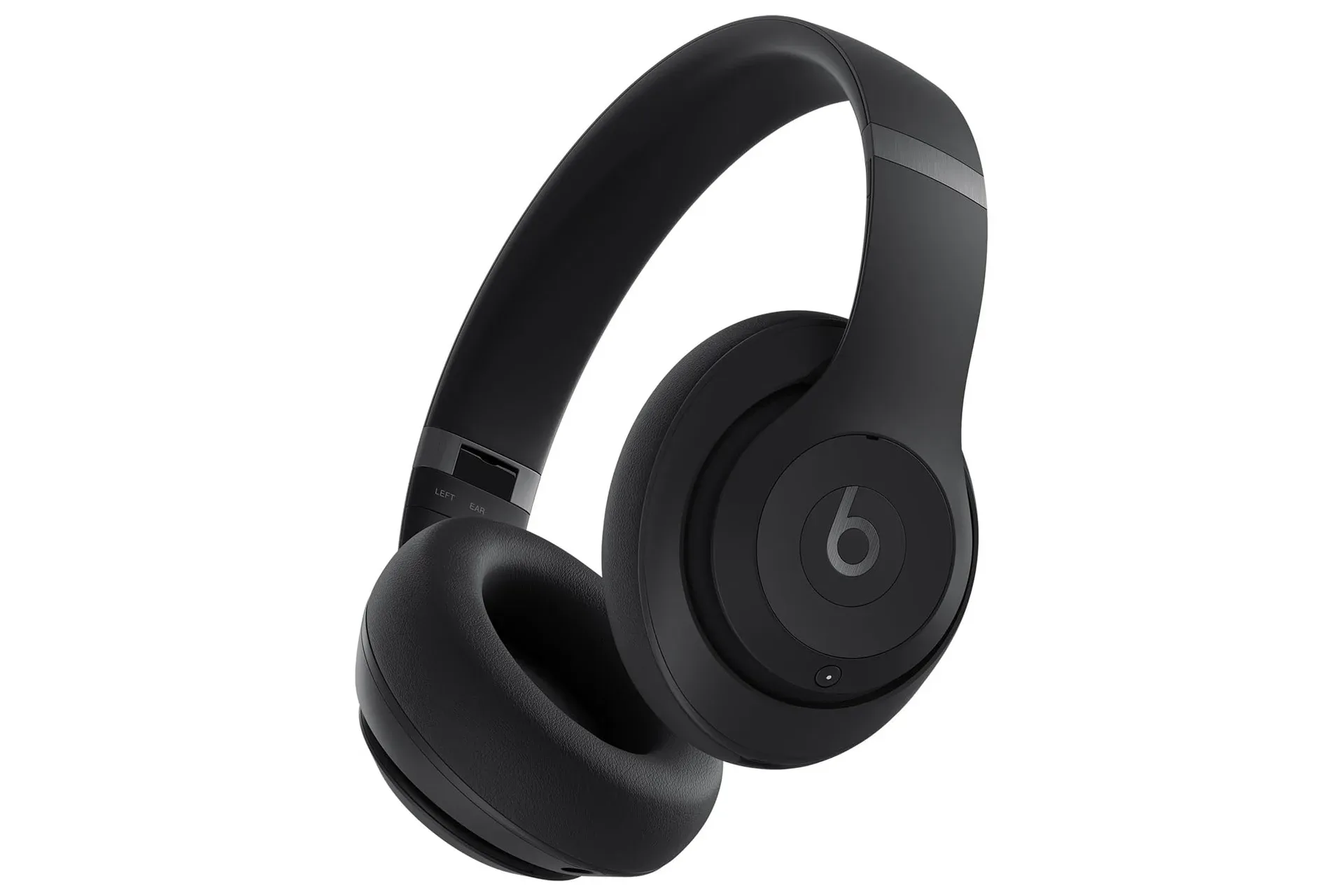
Anyone comparing this model with more conventional headphones may also want to consider another recent audio listing: the Beats Studio Pro’s listed price and feature set illustrate a different set of priorities, including a more traditional headphone format.
The current OpenRun Pro listing reduces the price by 39%, but retail pricing can change. The more durable buying case is whether its open-ear construction, lightweight exercise-ready form and connected-workday features match the buyer’s actual routine. For listeners who want music or calls without placing anything into their ears—and who do not want to disengage from their surroundings—that is precisely the niche the OpenRun Pro is designed to fill.
Shop the products
Check current price, model and availability at the retailer.