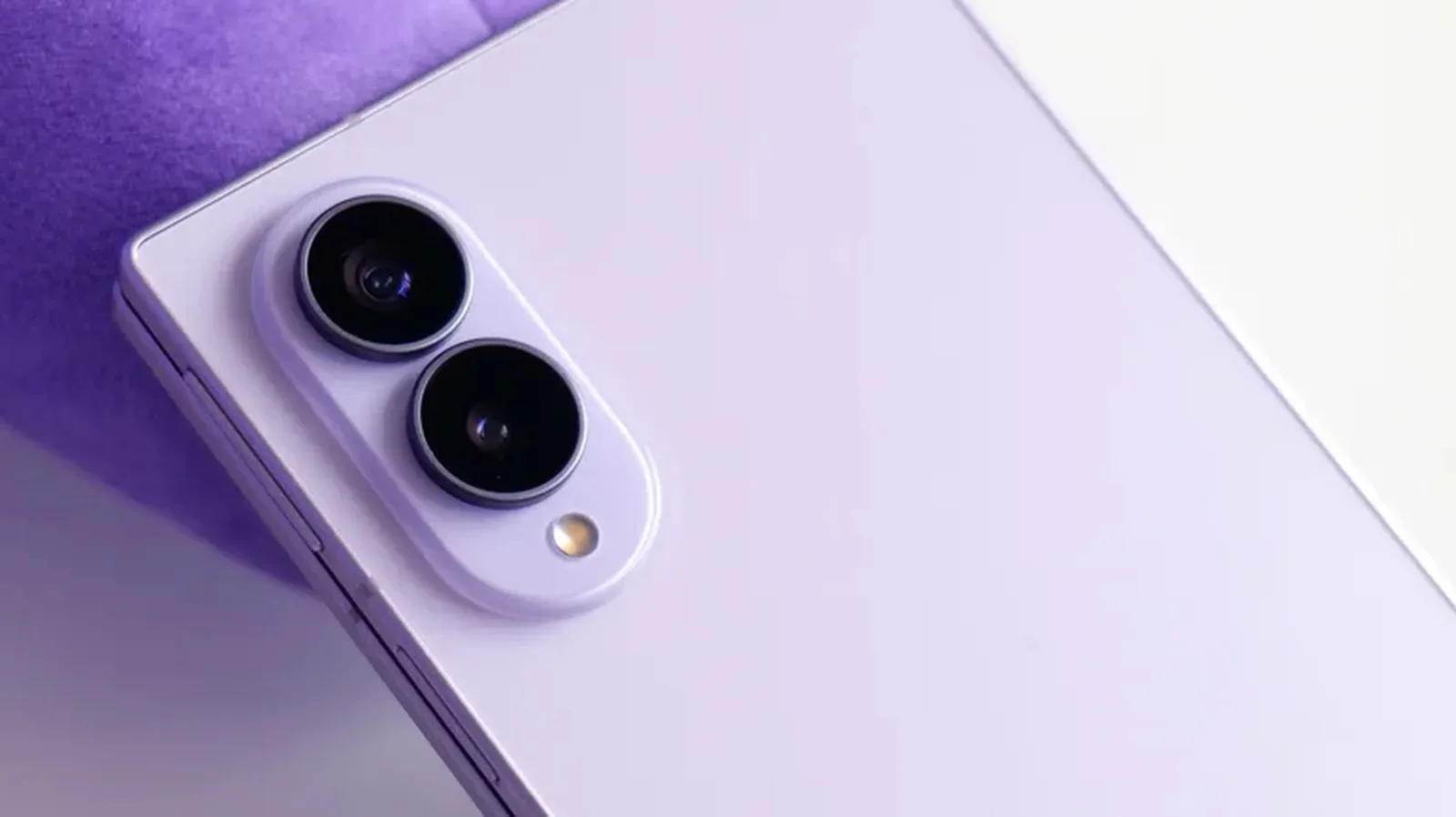
Samsung is preparing to remove two augmented-reality utilities from the Galaxy Store: Quick Measure and AR Doodle. The cutoff is December 31, after which the company says neither app will be available for new downloads or receive further update support.
The change is modest on paper—these are not operating-system essentials or headline Galaxy applications—but it carries a familiar warning for anyone who depends on small, specialized phone tools. An app can remain installed yet still become less dependable as the software beneath it changes. Samsung says people who already have either app may continue using it, while cautioning that some functions may not work correctly after support ends.
There is also a degree of uncertainty about the long-term plan. Samsung has said it intends to return with improved services in the future, but it has not said when that might happen, whether either app will reappear as a standalone download, or whether their functions could be folded into another Samsung product.
What Samsung is retiring
Quick Measure
Quick Measure is essentially a virtual measuring tool. It uses augmented reality—often shortened to AR—to help a Galaxy device estimate real-world distances and areas through its camera-based view. It is intended for fast, approximate measurements when a physical ruler or tape measure is not handy.
That can be useful for everyday planning: checking whether an object may fit in a space, estimating a surface area, or getting a rough sense of a distance without carrying separate equipment. Its retirement does not mean phones will stop having cameras or that all measuring tools vanish from the wider app ecosystem. It means this particular Samsung app will no longer be available to newly download through the Galaxy Store after the deadline.
AR Doodle
AR Doodle takes a more playful route through the same broad technology. It lets users draw on photos and videos and add three-dimensional effects. In practical terms, it is a creative camera feature: a person can place sketches and visual elements into an image or clip rather than simply drawing a flat mark over it.
The distinction matters because AR is not a single feature. It is a way of layering digital content onto a view of the physical world. In Quick Measure, that layer is a measurement interface. In AR Doodle, it is animated or three-dimensional visual decoration. The two apps serve different purposes, but both rely on the device and operating system continuing to support the technical foundations they use.
The deadline applies to downloads and updates
Samsung’s store notices draw an important line between availability and continued use. On December 31, new downloads stop and update support ends. That does not automatically delete either app from a compatible Galaxy device where it is already installed.
Related coverage includes Samsung Will Remove Quick Measure and AR Doodle From Galaxy Store on December 31.
However, keeping an existing copy is not the same as keeping a fully supported app. Samsung specifically warns that certain features may fail to function properly after the end of support. It also says the apps will not receive compatibility updates for future versions of its operating system.
Existing installations may remain usable, but they will no longer be maintained for future operating-system compatibility.
Compatibility updates are the behind-the-scenes changes developers make when an operating system changes its rules, permissions, camera behavior, security requirements, or interfaces. A software update can revise how an app accesses a component or how a feature appears on screen. Without corresponding app maintenance, an older app can become unreliable even if it still opens.
That is why the calendar date is only the first consideration for people who use Quick Measure or AR Doodle. The more consequential point may arrive later, when a device moves to a newer version of Samsung’s software. Samsung does not say that a future OS update definitely will break either app. It says there will be no compatibility work to prevent or fix problems if one occurs.
What Galaxy owners can do before December 31
Anyone who believes either tool could be useful should check the Galaxy Store before the removal date and confirm whether it is offered for their compatible device. The apps can be downloaded from Samsung’s own storefront while they remain listed.
For existing users, the most sensible action is simple: make sure the app is installed on the Galaxy device where it is wanted before the deadline. It is also worth recognizing the limits of that approach. An installed legacy app can be convenient in the short term, but it does not create a promise of lasting support.
- Install the app before December 31 if it is available for the device and you want to retain access.
- Use it for its intended convenience role, not as a guarantee of permanence. Samsung has warned that features could eventually malfunction.
- Pay attention to major OS upgrades. Future system versions are the clearest point at which unsupported apps may encounter trouble.
- Keep expectations measured. Samsung has expressed an intention to offer improved services later, but has not provided a return date or confirmed a replacement.
There is no indication that Galaxy owners need to rush into changing their system software, nor is there a stated instruction to avoid OS updates. The accurate takeaway is narrower: the apps will no longer receive work intended to keep them compatible with future versions. Users should weigh the value they get from an aging utility against the broader benefits and security considerations of keeping a phone current.
Why this matters beyond two niche apps
Quick Measure and AR Doodle are a reminder that mobile software often has a shorter life cycle than the phone in someone’s pocket. A device may remain physically capable of running an app for years, while the app’s distribution, updates, and compatibility support can end much sooner.
For camera- and sensor-driven software, that gap can be especially noticeable. AR tools are tied not just to an app’s own code, but to camera access, processing behavior, and the operating system’s support for the features the app calls upon. When those layers evolve, the app may need attention from its developer to remain predictable.
This is also a practical distinction for people who treat phones as multipurpose gadgets rather than mere communication devices. A phone can function as a camera, a sketchpad, a quick planning aid, or an on-the-spot measuring tool. Losing a small utility may not affect everyone, but it can disrupt a routine for the people who built one around it.
Samsung’s wording leaves room for a future replacement or revived version, yet nothing concrete has been confirmed. Until the company identifies what “improved services” means, it would be premature to assume Quick Measure and AR Doodle will return in the same form—or that every current feature will appear elsewhere.
Support status is separate from phone upkeep
The news arrives in a broader context where software maintenance and device maintenance are easily confused. An unsupported app and a phone issue are not necessarily related: an app can fail because it lacks compatibility updates, while a device might otherwise be operating normally. Likewise, a battery reading problem is its own kind of troubleshooting question; for a separate look at that topic, see why a phone battery percentage can suddenly drop and what to check first.
For Quick Measure and AR Doodle users, the immediate situation is clear. The Galaxy Store download window closes on December 31. Existing users are not being told the apps will instantly stop, but Samsung is plainly signaling that they are entering an unsupported phase. Install them now if they are useful, keep an eye on how they behave after future system upgrades, and do not count on a replacement until Samsung provides details.