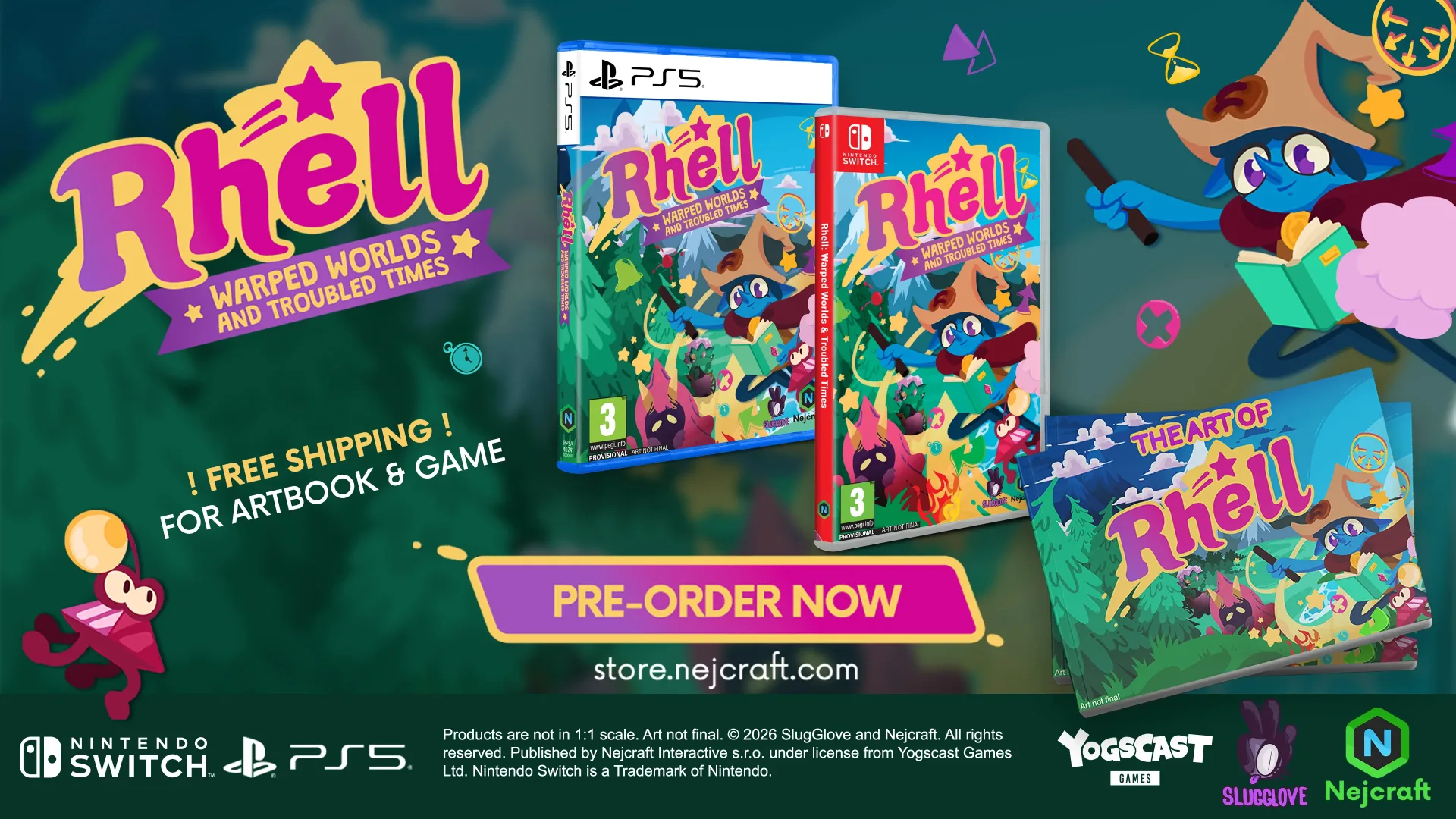
Rhell: Warped Worlds & Troubled Times, the magical puzzle adventure that arrived on PC in March 2026, is planned for Nintendo Switch, PlayStation 4, PlayStation 5, Xbox One and Xbox Series X|S. The console versions are being brought forward through a partnership involving publisher Nejcraft, developer SlugGlove and PC publisher Yogscast Games.
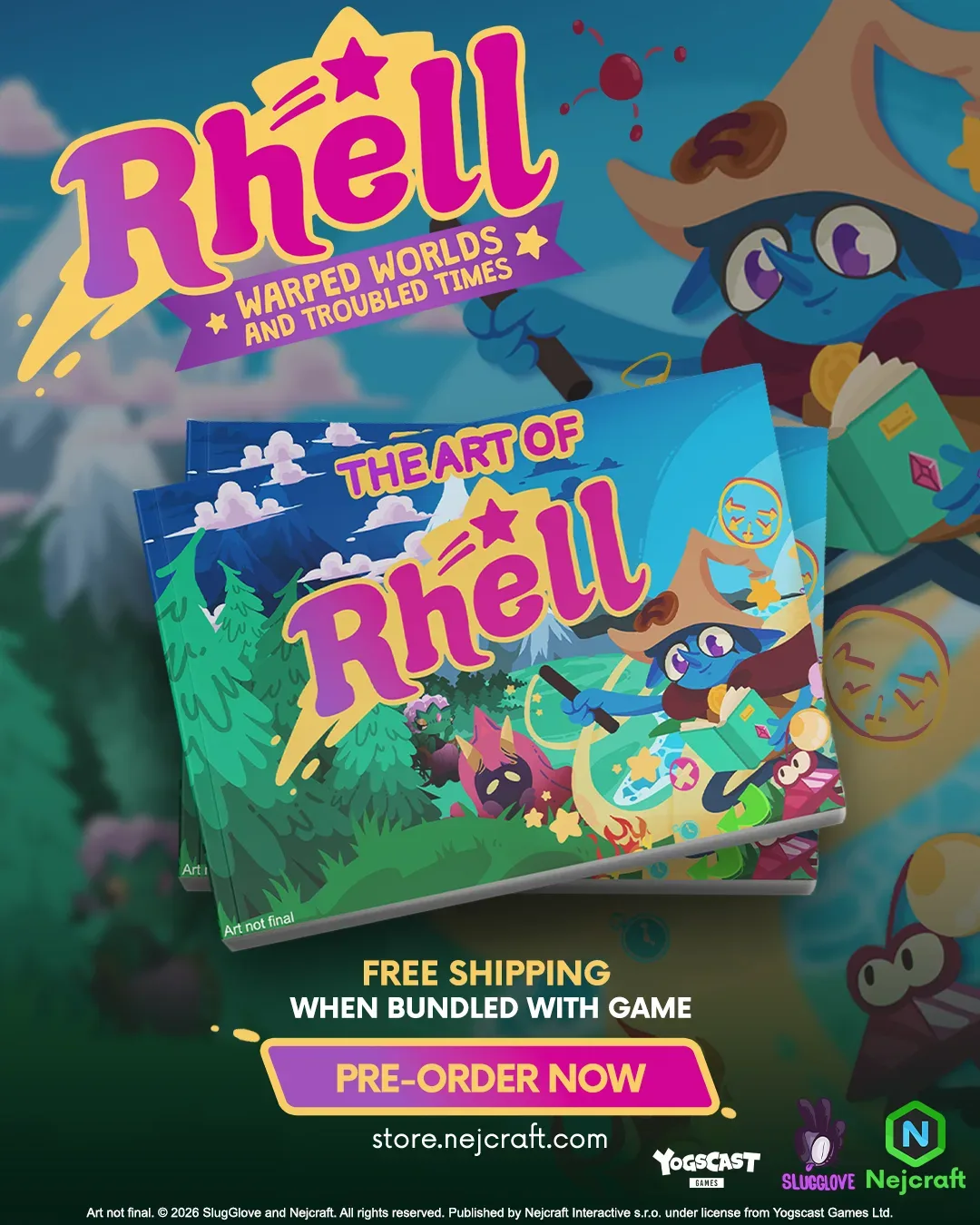
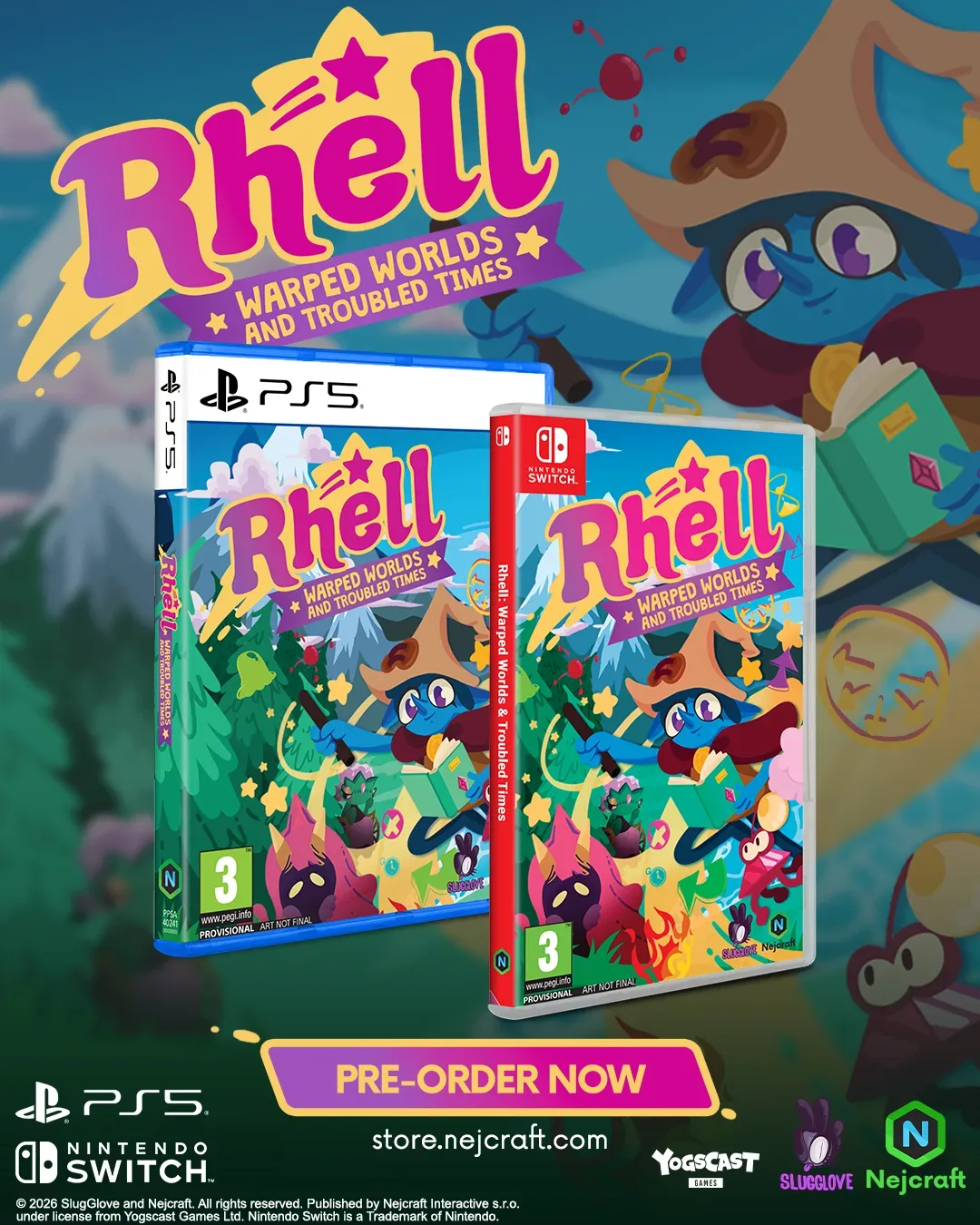
There is no console launch date yet. What is confirmed is the platform list, a digital release across all five console families, and physical editions for two of them: PlayStation 5 and Nintendo Switch. The Switch version is specified as a cartridge release. An A5 artbook containing hand-drawn and concept artwork is also being offered separately, while customers who order an artbook with a physical game copy will receive free shipping.
Pre-orders for the physical editions and artbook are open exclusively through the Nejcraft Store. At present, no physical edition has been listed for the PlayStation 4 or either Xbox generation, and there is no indication that the artbook is packed in with either game edition. Those distinctions matter for anyone deciding whether to wait for more details: the available information establishes which products exist, but not their final release timing or any further edition contents.
A disappearance mystery built around spell experimentation
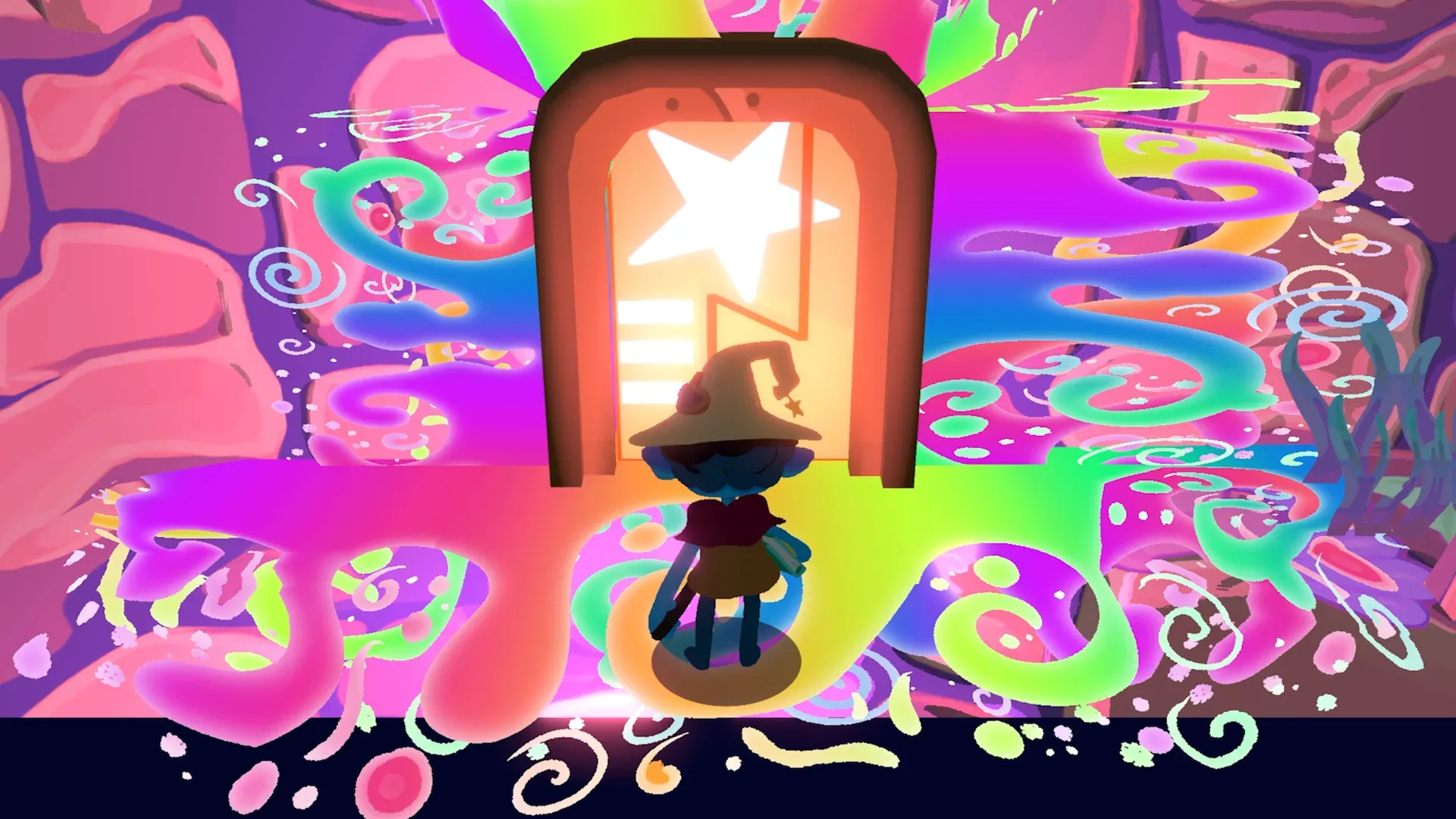
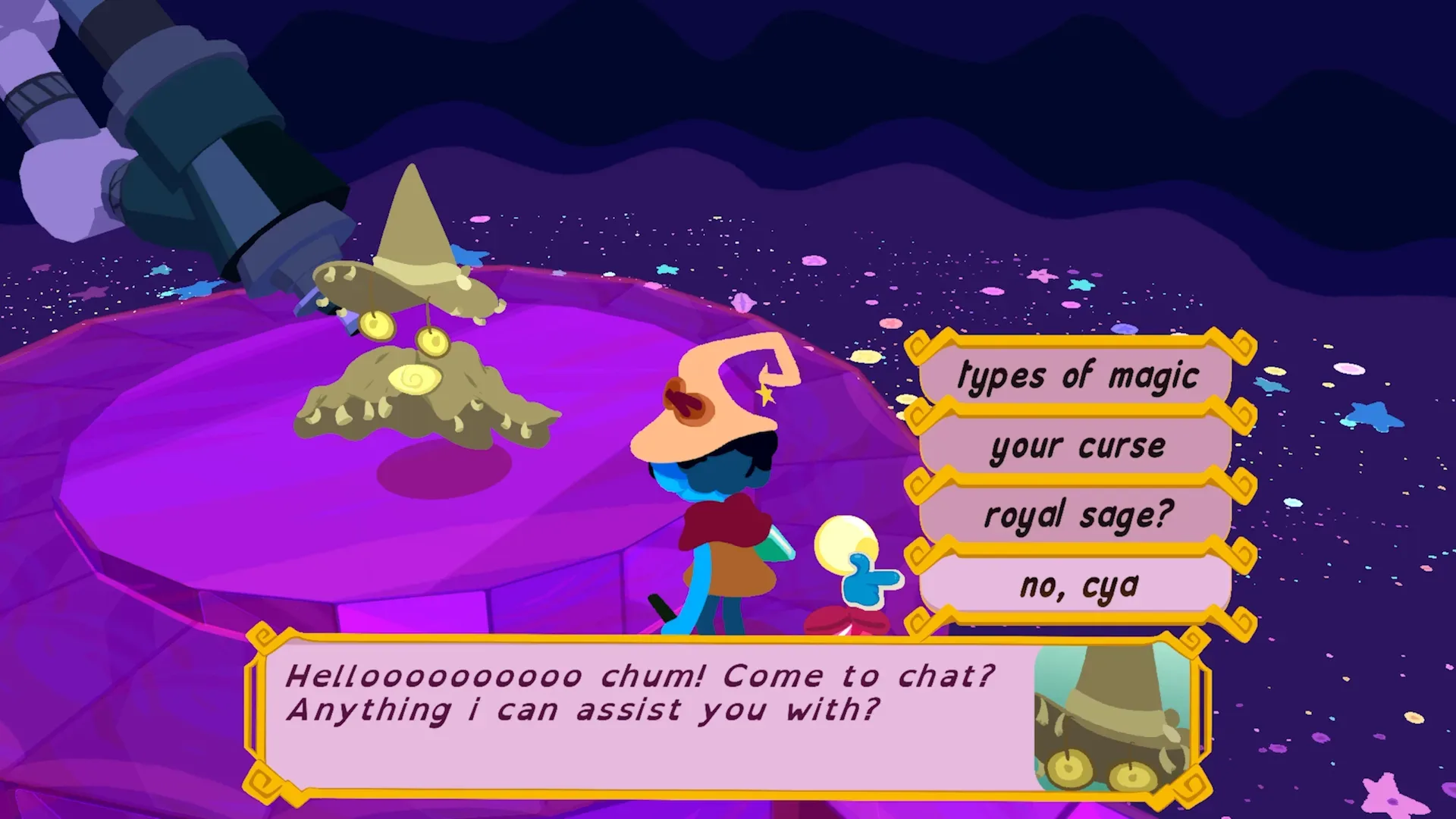
Rhell puts players in control of a brash, quick-tempered mage investigating a world where almost everyone has vanished. Only 12 people remain, and none of them appears to understand what caused the disappearance. The search moves through nine distinct areas, including ancient ruins, underwater cities and volcanic factories, with unusual characters and secrets along the way.
The basic premise gives the adventure a clear investigative frame, but its biggest mechanical idea is its rune-based magic. The game has 40 magical runes and states that they can produce 102,400,000 possible spell combinations. That number should not be read as a promise that the adventure contains more than one hundred million individually authored puzzle solutions. Rather, it describes the enormous number of possible combinations available within the game’s spell system.
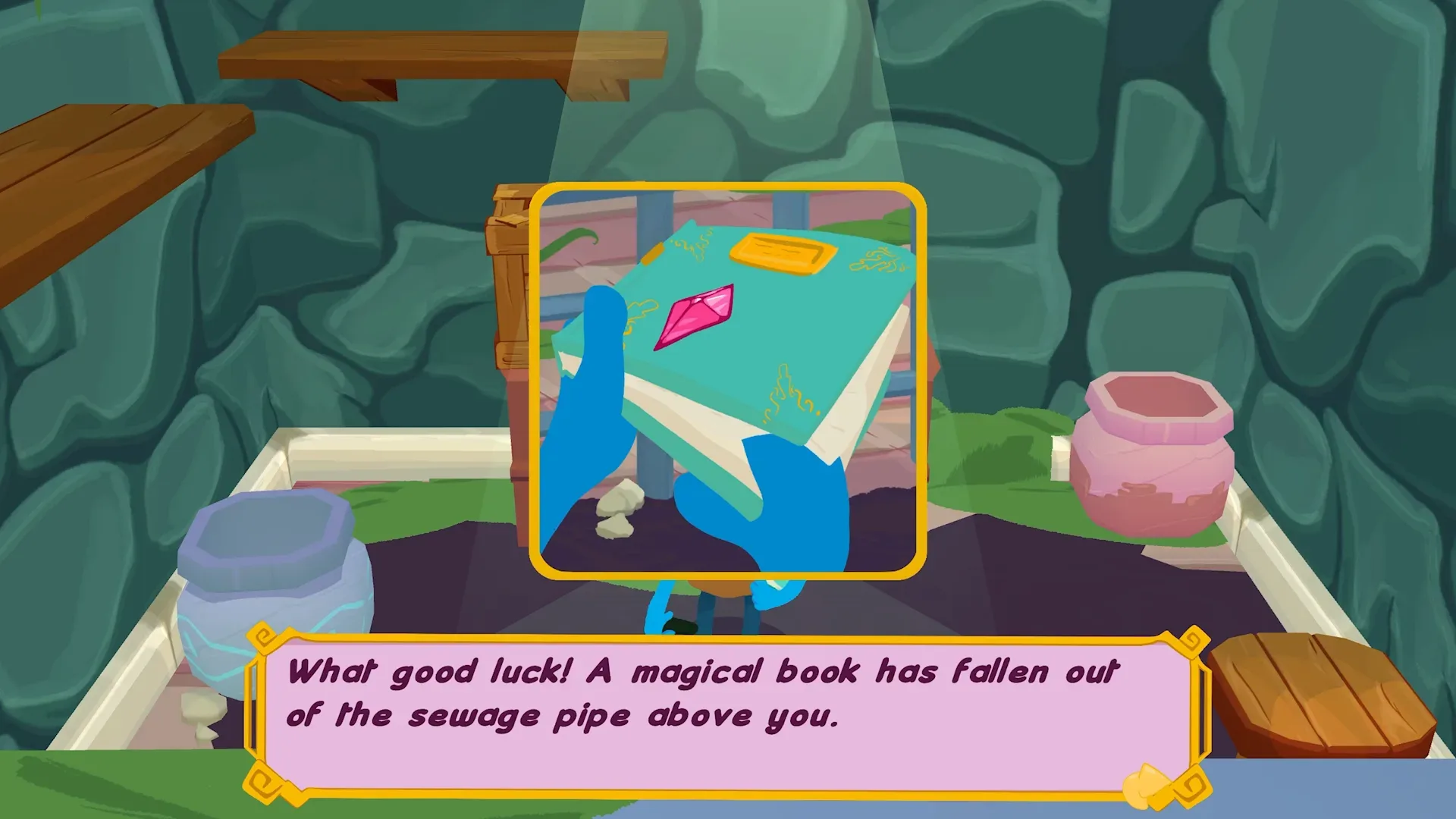
In practical terms, the stated design goal is flexibility. The examples given show magic functioning as a broad problem-solving toolkit rather than a narrow sequence of predefined keys. Players can animate objects to use as mounts, freeze falling objects to make platforms, transform into a cloud to float, teleport, and manipulate time. Each example changes either movement, an object’s behavior, or the conditions around a puzzle. Taken together, they suggest that Rhell wants players to ask not only “what does this room want me to do?” but also “what can I turn this situation into?”
That approach places experimentation at the center of progress. A frozen falling object, for example, can become a piece of traversal infrastructure. Animation can change scenery or a loose object into transportation. Teleportation can potentially alter how players think about distance and access, while time manipulation implies that a puzzle may be affected by when an action occurs as much as where it occurs. The announcement does not detail the game’s restrictions, rune costs or how every spell interaction works, so those specifics remain unknown. Still, the published examples establish the intended creative range.
What “semi-open-world” means here
Rhell is described as a semi-open-world puzzle adventure. In this context, that term signals room for exploration and choice without confirming a completely unrestricted world from the beginning. The adventure has nine areas, but no detailed map structure, progression order or gating system has been specified.
Related coverage includes Rhell heads to consoles as PS5 and Switch physical pre-orders open.
For a puzzle game built around combinable powers, a semi-open structure can have a useful effect: an obstacle that seems opaque in one moment may become more approachable after players discover a new rune interaction, revisit with a different idea, or approach it from another direction. That is an interpretation of the structure and spell premise, rather than a confirmed description of a particular puzzle. The confirmed point is that Rhell emphasizes exploration alongside experimentation.
The game also has a branching narrative and multiple endings. That means the disappearance mystery is not necessarily resolved in exactly the same way in every playthrough. The available information does not say what choices control those endings, how many endings there are, or whether puzzle solutions themselves affect the story. Players should therefore treat the multiple-ending promise as a replayability feature, not as confirmation that every rune combination creates a unique narrative path.
Rhell’s spell-focused identity may appeal to players who enjoy puzzle adventures that leave space for improvisation instead of demanding a single obvious solution. The scale of the combination count is attention-grabbing, but the more useful takeaway is the concrete range of actions: moving by cloud form, creating platforms by freezing objects, using animated objects as mounts, teleporting and changing time. Those are the kinds of verbs that can make familiar environments—ruins, submerged spaces and industrial volcanic settings—feel less like static backdrops and more like material for magical tinkering.
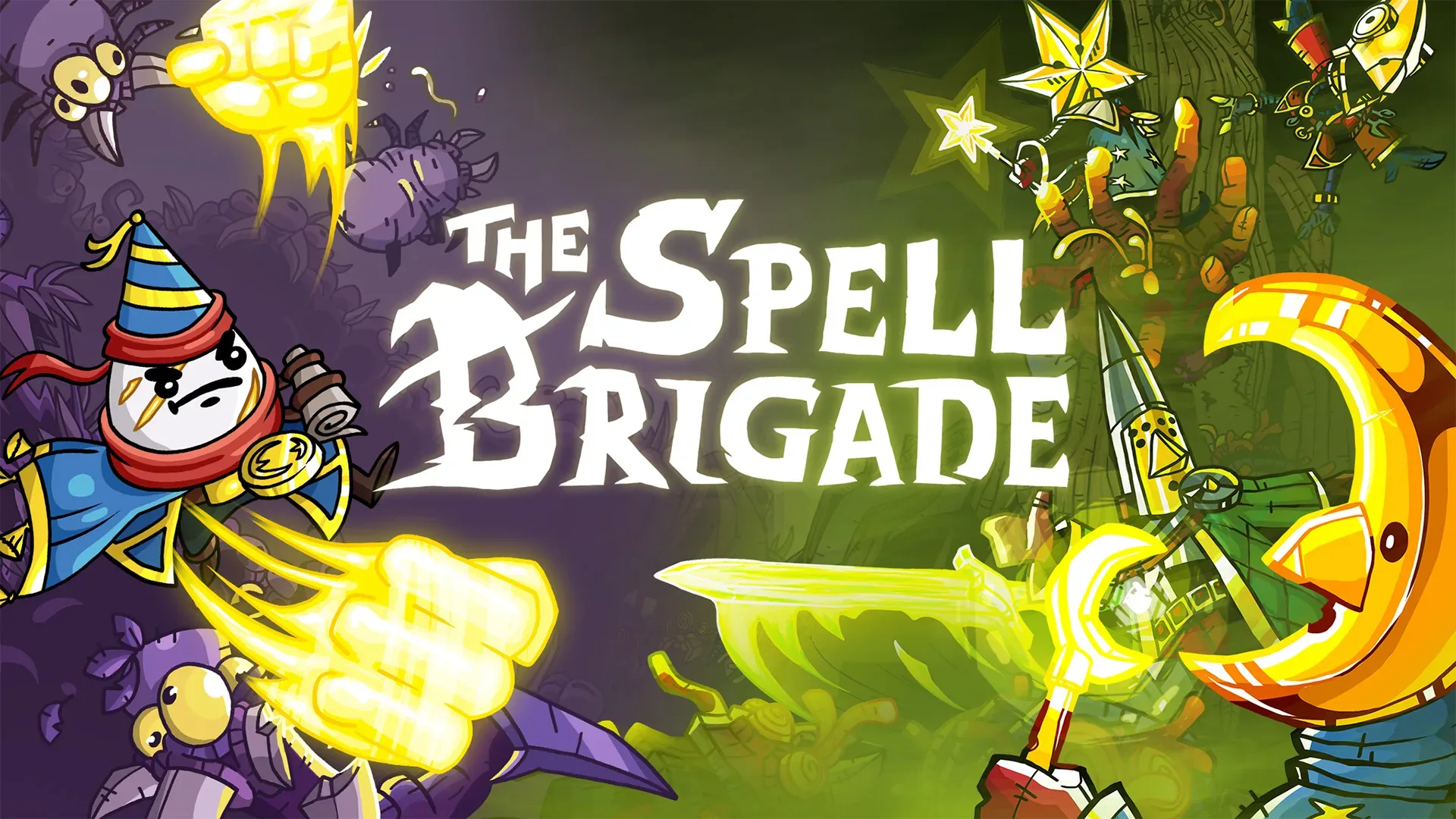
Players looking for more game news about magical co-op problem solving can also see how another spell-driven game approaches its own expanding toolkit in The Spell Brigade’s Brotato Brigado DLC announcement. Rhell, however, is positioned as a single-player puzzle adventure centered on its missing-population mystery, nine-area journey and player-created spell combinations.
PC reception and what the console announcement confirms
On PC, Rhell earned a Very Positive user rating on Steam following its March 2026 release. That rating is a useful indicator of favorable player response on that storefront, but it is not a review score and does not establish how the console editions will perform. Console versions can differ in controls, interface choices, performance and platform-specific support, none of which have been detailed.
The key confirmed console plans are straightforward:
- Nintendo Switch: digital version planned; physical cartridge edition planned.
- PlayStation 5: digital version planned; physical edition planned.
- PlayStation 4: digital version planned.
- Xbox One: digital version planned.
- Xbox Series X|S: digital version planned.
- A5 artbook: sold separately, featuring hand-drawn and concept artwork.
The physical editions make this more than a routine storefront expansion for players who prefer boxed games, while the artbook gives the project a distinct physical companion for those interested in its visual development. Yet prospective buyers should keep expectations anchored to the confirmed details. There is no announced console release date, no stated price, no announced special packaging, and no confirmation of extra in-game material for physical buyers.
For now, Rhell’s console story is one of broader access rather than a fully mapped-out launch. Its PC version has already established the game’s central pitch: investigate a strange mass disappearance as an outspoken mage, explore nine varied regions, and use rune combinations to test unconventional answers to environmental problems. The upcoming releases will bring that premise to Switch, PlayStation and Xbox players, while the PS5 and Switch editions offer the only currently confirmed physical options.