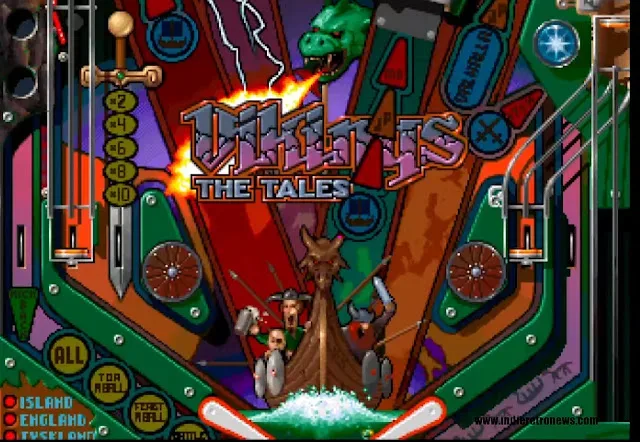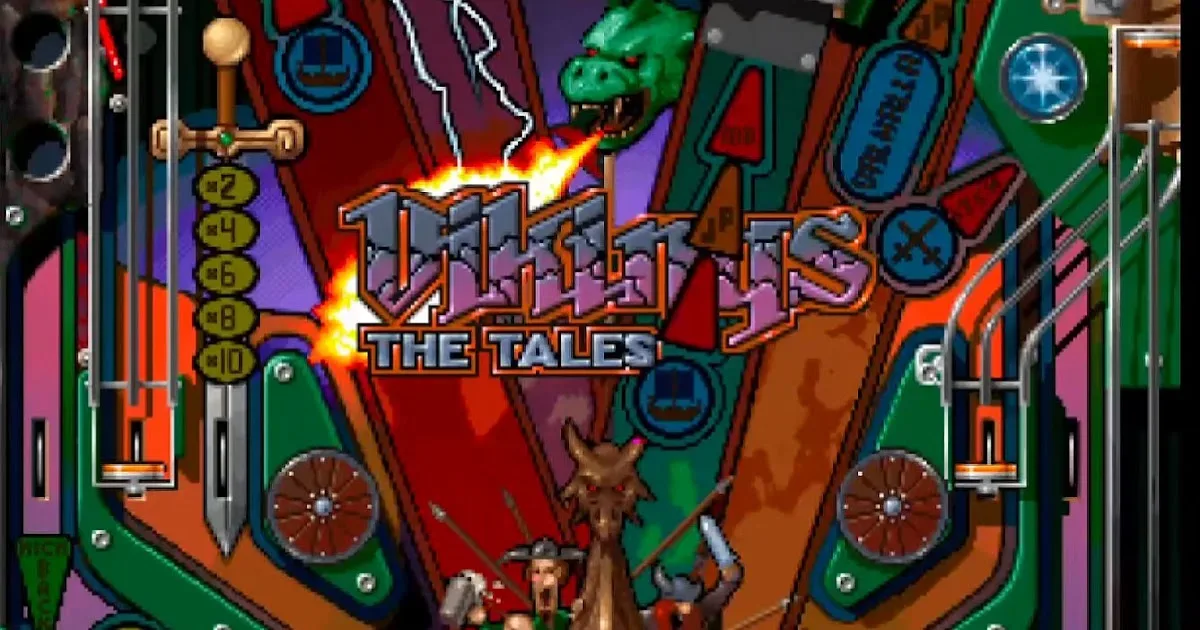
Pinball Illusions’ elusive Vikings table is heading back to the platform that missed it the first time around. An unofficial work-in-progress conversion by MrDig aims to bring the Norse-themed table to the Amiga A1200’s AGA version of the game, where it would appear as a fully integrated fourth menu choice rather than a separate novelty release.
The distinction matters to fans of the 1995 pinball game. The original Amiga release contained three tables, while the PC edition received The Vikings as an additional table. This project seeks to close that longstanding version gap by adapting the PC table data to run on the original Amiga engine. Claude AI was used to help migrate that data, while the implementation and continued debugging are part of MrDig’s ongoing development work.
At its current stage, the project is not being presented as a finished, bug-free release. But it has cleared a meaningful compatibility hurdle: full gameplay has reportedly run with good stability both on physical A1200 hardware and in FS-UAE. That puts the effort beyond a menu mock-up or partial proof of concept. The table’s core play systems are functioning, even as visual and audio work remains in progress.
A fourth table that belongs in the game’s own menu
The most interesting part of the conversion is not simply that an Amiga machine can load The Vikings. The target is a more complete integration into Pinball Illusions itself. The table is being added to the existing selection screen as a proper fourth option, with its own menu image, information text and dedicated high-score list.
That approach preserves the structure players expect from the original game. A separate executable, launcher or custom front end can make an extra table accessible, but it also draws attention to the divide between the base game and the add-on. Integrating the table into the classic menu instead makes the selection flow feel closer to an expanded edition of the original Amiga release.
A dedicated score table is particularly important in pinball. High scores are not cosmetic extras: they are the record of repeated play, risk-taking and mastery of a table’s rules. Giving The Vikings its own score list means the conversion recognizes it as a distinct playfield with its own progression and scoring identity rather than merely a technical demo.
What is already working
The current build reportedly supports the table’s central gameplay systems. That includes the dot-matrix ship mini-game, Thor multiball, Labrador multiball and end-of-ball bonuses.
For players who are less familiar with pinball terminology, a multiball is a state in which more than one ball is active on the playfield at once. It demands faster reactions and typically creates opportunities for larger scores. Getting named multiball modes working is therefore a significant sign that the table’s rules and active mechanics are being carried across, rather than only its art or basic flipper physics.
Related coverage includes The Vikings Table Takes Shape for Amiga Pinball Illusions.
The dot-matrix ship mini-game is another useful indicator. Dot-matrix displays were used to communicate scores, animations and mode-specific feedback in pinball designs. A table-specific mini-game involves more than the physical layout: it depends on display behavior, game-state logic and timing. Its operation in the conversion suggests the project is addressing the table’s broader rules presentation as well as its basic play.
End-of-ball bonuses are similarly easy to overlook but essential to an authentic table loop. They calculate or present a player’s reward once a ball drains, tying together accumulated objectives and score systems. Their inclusion indicates that a complete turn can begin, progress through table modes, end and resolve correctly.
Why memory packing is part of the story
The conversion is packed with Imploder to conserve chip RAM. That is a practical Amiga-specific detail, not incidental housekeeping.
Chip RAM is memory shared by the Amiga’s custom hardware, including the components responsible for graphics and audio duties. A project adding a substantial new game table has to fit its data within the machine’s available resources while leaving enough room for the engine to do its work. Compression can help make that possible, although it also means the implementation has to handle the table data carefully.
In short, porting data is only one part of the task. The table must also be made to coexist with an established engine, menu system, score storage, audiovisual assets and the Amiga’s memory constraints. The use of Imploder underlines why a native-style addition to a vintage game can require substantial technical compromise and iteration even when a version of the material already exists on another platform.
Where the work still stands
There are still known areas being polished. Remaining animation work is on the list, as is synchronizing the audio with the PC original. An optional display-centering feature for modern monitors is also being explored.
Animation and audio synchronization are not minor finishing touches in a pinball game. Pinball depends heavily on immediate feedback: a hit needs to look and sound connected to the action that caused it. If animations lag, fail to trigger, or diverge from the intended rhythm, the game may remain playable while feeling incomplete. Matching the PC audio behavior is therefore an effort to bring the presentation closer to the intended table experience, not simply add more sound effects.
The modern-monitor option reflects the realities of using retro software today. A display arrangement that made sense on the hardware of the period can appear awkward on newer screens. Keeping centering optional is a sensible goal in principle: it could offer a contemporary convenience without forcing every player away from the original visual framing. However, it remains an explored feature rather than a confirmed completed one.
Players should also take the work-in-progress label seriously. Bugs are expected, and the developer has asked for reports accompanied by screenshots or video where possible. That kind of evidence is especially helpful because it records the state of the game at the moment a problem happens: the screen, mode, visible elements and potentially the sequence that led there. The reports can then be used to guide further AI-assisted debugging and development.
How the current build is intended to be used
The files referenced for the project are table4 BIN files intended for the “PinballIllusions v2.2 AGA” WHDLoad installation. The supplied readme should be treated as the authority for placement and setup details.
WHDLoad is a method used on Amiga systems to install and run software from a hard drive rather than relying on its original removable-media workflow. In this case, the current conversion is described as playable through a hard-disk installation and WHDLoad. It has also been tested in FS-UAE, an Amiga emulator, alongside real A1200 hardware.
That does not mean every configuration is guaranteed to behave identically. The project remains under active polish, and the request for bug reports makes clear that edge cases may still exist. Anyone trying it should follow the included instructions, keep expectations appropriate for an unofficial WIP build and document reproducible problems clearly.
What this means for Pinball Illusions fans
Retro-game preservation is often discussed in terms of keeping original releases accessible. Projects like this show a closely related goal: restoring version-specific material to the platforms that did not originally receive it. The Vikings was available to PC players, but absent from the 1995 Amiga version. An Amiga-native implementation that uses the original engine and fits into the game’s menu is a more ambitious proposition than simply running the PC version somewhere else.
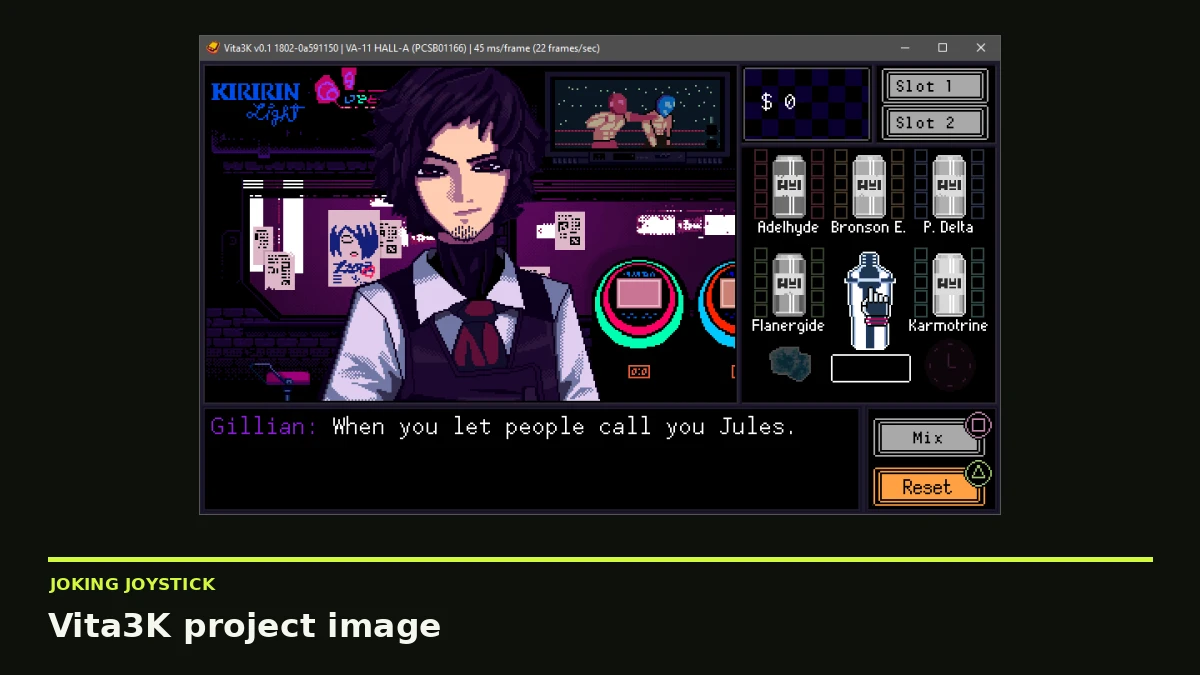
It also offers a useful contrast between emulation and adaptation. Emulation can preserve access to a version that already exists, while this project is adapting a table to a different version’s engine and constraints. Those efforts often overlap in the same community—FS-UAE testing is part of this project—but they solve different problems. For another example of how ongoing emulator builds can matter to preservation-minded players, see this experimental Vita3K build snapshot.
For now, the key takeaway is measured but promising: The Vikings is playable on Amiga A1200 AGA hardware and FS-UAE in an unofficial conversion, its major gameplay systems are functioning, and its presentation is being refined. If the remaining animations, audio timing and bugs are resolved, Amiga players could gain a fourth Pinball Illusions table that looks and behaves like it was always meant to sit beside the original three.