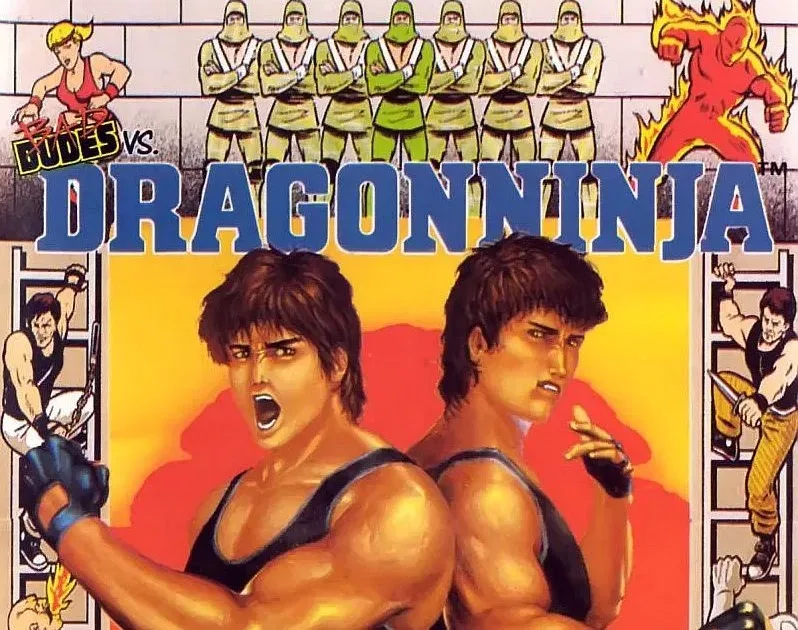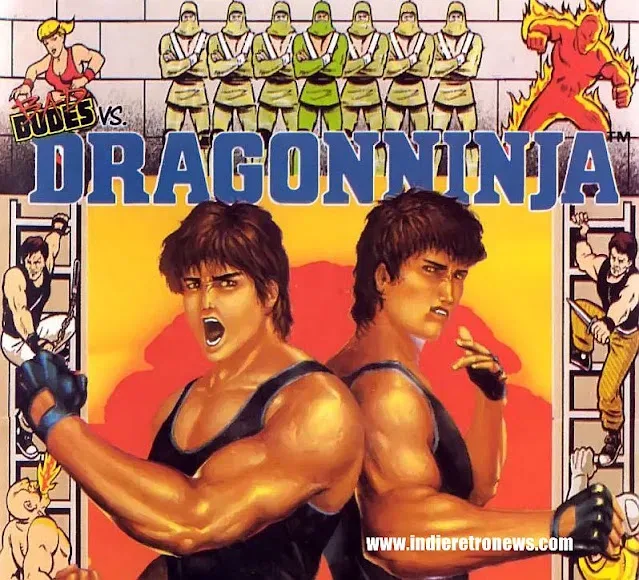
JOTD’s work-in-progress conversion of Bad Dudes vs DragonNinja for Commodore Amiga AGA machines has moved forward with a 1.1 update that concentrates on three major changes: two-player modes, parallax scrolling in levels 4 and 6, and faster blitting through asynchronous blits.
The project is an arcade-to-Amiga effort built around a game originally released by Data East and Imagine in 1989. It is not being presented as a finished release. JOTD has explicitly noted that version 1.1 still contains many bugs, making this an update for players interested in following an active technical project rather than a final verdict on the conversion.
What changes in version 1.1
The most immediately understandable addition is support for two-player modes. That matters especially for a game built around arcade-style action: it expands the conversion from a solo experience into one that can accommodate shared local play, assuming the required controls and hardware are available.
The update also adds parallax scrolling to levels 4 and 6. Parallax is a visual technique in which background layers move at different speeds from the foreground. When a nearer layer appears to travel more quickly than a distant one, the scene can suggest depth as the player moves through it. It is a familiar effect, but its importance here is practical as well as cosmetic. A port of an arcade game is judged not only by whether its characters and levels exist, but also by whether the motion, staging and visual atmosphere feel appropriately lively on the target hardware.
JOTD’s third highlighted upgrade is faster blitting through async, or asynchronous, blits. A blit is a graphics operation used to move or draw blocks of image data. In a fast-moving game, that work can be central to drawing backgrounds, sprites and other on-screen elements. “Asynchronous” describes work that can proceed without forcing every other task to wait for it in the same way. The update identifies faster blits as a performance improvement, although no specific frame-rate figures or broader benchmarks have been provided.
In short, the three changes target distinct parts of the experience:
- Two-player modes broaden how the game can be played.
- Parallax in levels 4 and 6 improves depth and motion in selected stages.
- Async blits aim to make graphics handling faster.
Why the AGA target matters
This version is intended for Amiga AGA hardware, with the stated requirement being a PAL Amiga 1200 or Amiga 4000 with fast memory. AGA refers to the Advanced Graphics Architecture used by those later Amiga systems. In the context of a conversion project, specifying the target hardware is important: it tells prospective players that this is not framed as a universal Amiga build, and that the visual and technical choices are being made for a more specific configuration.
Fast memory is also listed as a requirement. The supplied requirements do not quantify how much is needed, so prospective users should avoid assuming that any particular setup beyond the stated A1200/A4000 PAL machine and fast memory will be sufficient. The other stated software requirement is WHDLoad, and input calls for a two-button joystick; keyboard controls are supported as an alternative.
Related coverage includes Bad Dudes vs. DragonNinja Amiga AGA Port Teases Major Upgrade.
That setup information is more than footnote material. Retro computer projects can depend heavily on the machine model, memory arrangement, video standard and launch environment. A player considering the build should check each requirement before treating an issue as a game bug—particularly when JOTD has already described the current version as bug-prone.
A conversion with a deliberately technical focus
JOTD is credited with reverse engineering the Amiga port and converting the graphics. Reverse engineering, in this setting, means analyzing an existing game’s behavior and assets in order to recreate or adapt it for another system. It is a demanding part of a conversion because it requires the project to reconcile the arcade original’s design with the target platform’s own graphics behavior and hardware quirks.
The credits indicate that the work is divided across several specialties. no9 is credited for music tracks and sound remastering, while PascalDe73 created the Amiga icon. Data East is credited for the original code, sounds, music and graphics. The project also credits paraj, a/b and technical contributors at EAB for support with Amiga hardware quirks.
Those credits help explain why a version update can focus on a blend of visuals, performance and multiplayer rather than a simple list of new levels or gameplay mechanics. A port is an interlocking job: graphic conversion, audio treatment, input, memory behavior and display effects all have to coexist on the destination machine. Improving one area can reveal problems in another, which is one reason the continuing bug warning deserves to be taken seriously.
How to read the update without overpromising
There are two fair ways to view this release. Enthusiasts of Amiga development have concrete new features to examine: local two-player support, parallax in two named levels and a faster graphics path. At the same time, the project remains unfinished. The presence of major improvements does not mean all outstanding issues are resolved, nor does the available information establish a final release date, a complete compatibility list or a full changelog.
The most useful expectation is therefore a narrow one: version 1.1 is a meaningful progress build, not a declaration that the conversion is complete. The listed upgrades show where development attention has gone, while the acknowledged bugs set the appropriate boundary around it.
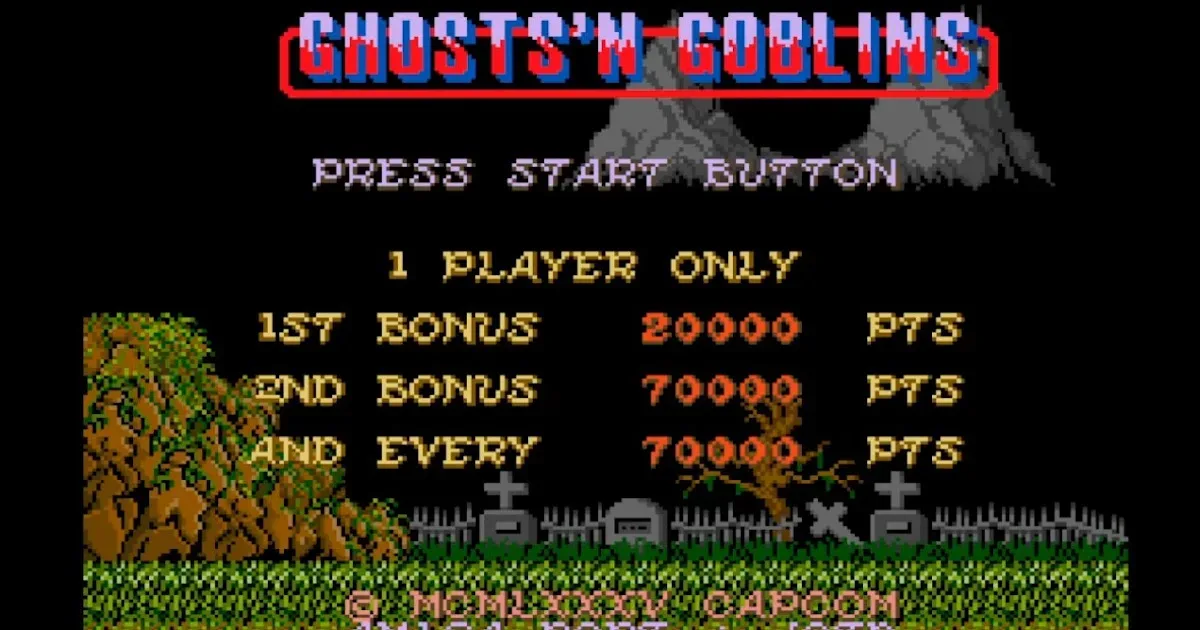
There is a growing interest in enhanced Amiga AGA work more generally; for another example of a project aimed at later Amiga hardware, see our coverage of the enhanced Amiga AGA edition of Ghosts ’n Goblins. Each project has its own goals and technical circumstances, but the common thread is clear: the A1200 and A4000 remain active targets for developers revisiting arcade-era games.
What players should keep in mind
- Use a PAL Amiga 1200 or Amiga 4000 with fast memory, as specified for this build.
- Ensure WHDLoad is installed before attempting to run it.
- Have a two-button joystick ready for the intended control setup, or use the supported keyboard option.
- Expect unresolved issues in version 1.1 rather than treating it as a polished final edition.
- Pay particular attention to the newly updated areas—levels 4 and 6 for parallax, and multiplayer modes for the two-player addition.
For now, the update’s value lies in its clearly defined advances. The conversion has added cooperative or competitive shared-play possibilities, selective layered scrolling and a faster graphics operation, while its creator remains candid that further fixes are needed. That is a useful combination for a project still in motion: tangible progress, stated hardware needs and no attempt to disguise unfinished work as a completed port.