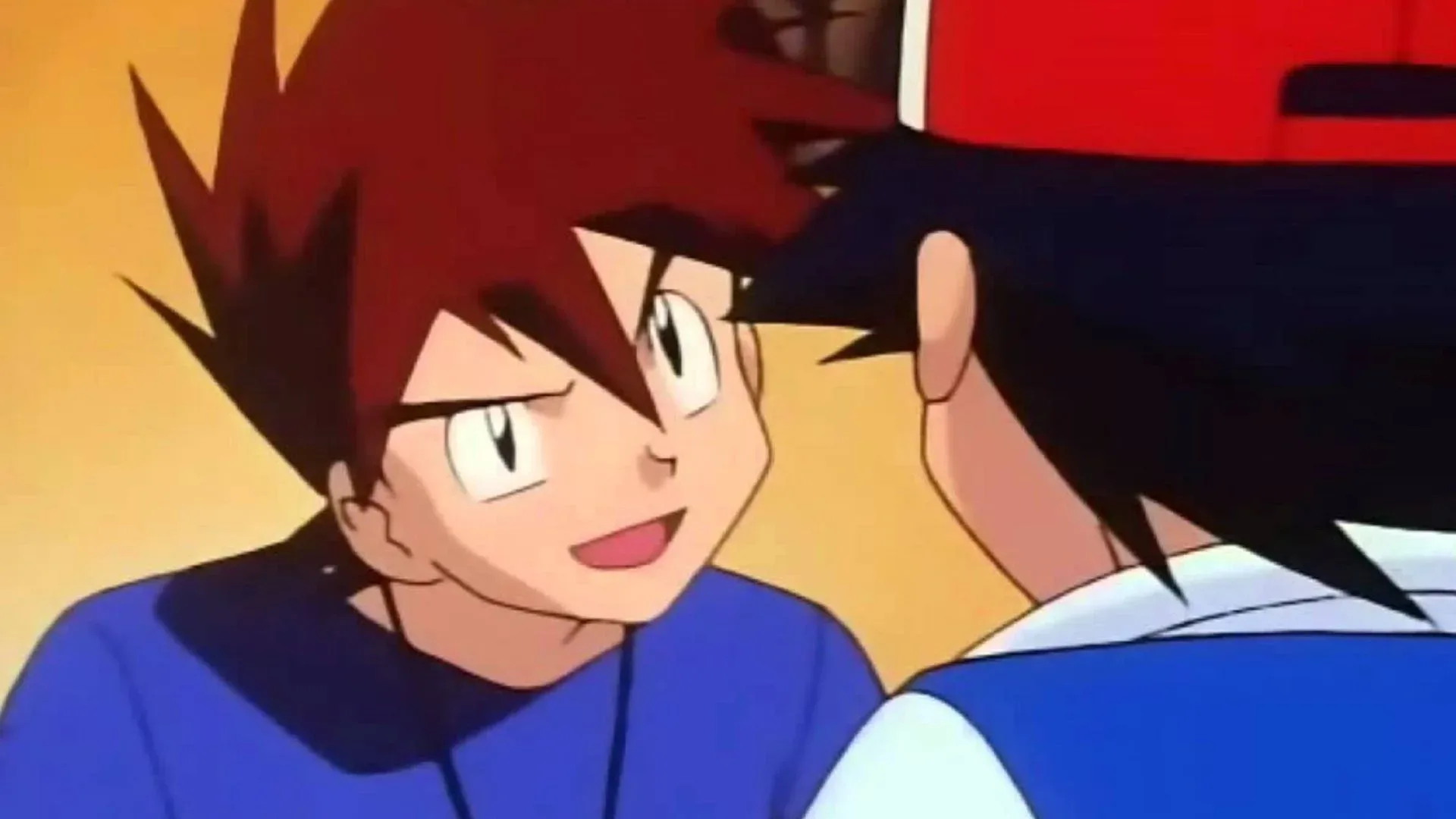
The developer behind Pokémon Arena 2D says AI coding assistant Claude is beginning to refuse work connected to the fan project after its rules were changed to prevent intellectual-property infringement.
Big Kid Nation, the developer name used for the project, said the shift has put pressure on a game described as increasingly built through “vibe coding” — a loose term generally used for directing an AI with natural-language prompts, then refining or assembling the resulting code rather than writing every component conventionally by hand.
That dependence matters because the project is not simply an experiment with a chatbot. Its developer says it has involved hundreds of hours of work, 10-to-14-hour days for much of the year, and expenses reaching as much as $2,000 a month. The developer also said the project has not taken money from players.
Those are personal statements from the developer, not independently verified production figures. But they illustrate the precarious position of fan developers who make an AI service central to their workflow: the tool can change its permitted uses even while a project remains in progress.
A policy aimed at copying existing games
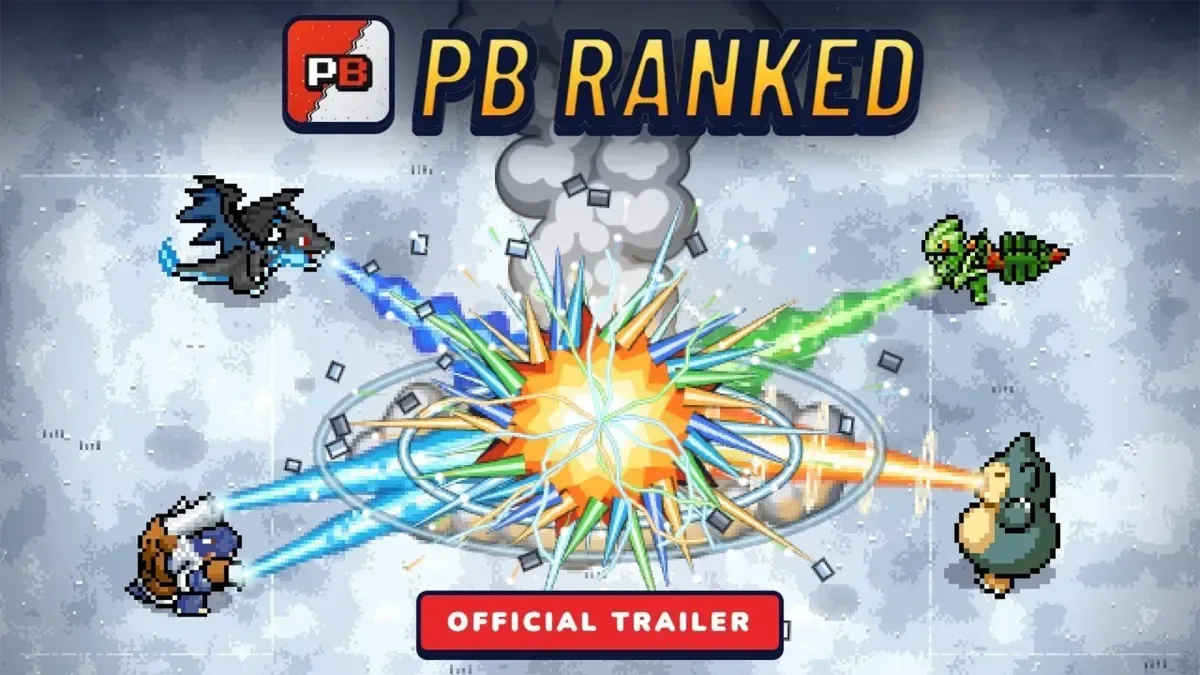
Claude’s revised rule says users should not build a recreation of a specific existing game. At first glance, Pokémon Arena 2D may appear to sit outside that narrow wording. It is described as an arena battler in which players choose moves for their creatures in real time, rather than a one-for-one recreation of an existing Pokémon release.
That distinction is important, but it does not settle the matter. A game can differ mechanically from a particular commercial title while still using another company’s protected characters, names, visual identity, or other recognizable creative elements. The developer of the AI service has separately stated that using Claude to infringe intellectual property breaches the platform’s usage policy.
In plain terms, “not a remake” and “not an infringement” are not interchangeable claims. A project may have a novel battle format and still face rights issues if it uses the identity of a major franchise. The reported situation surrounding Pokémon Arena 2D highlights that gap between a fan creator’s design ambitions and an AI platform’s willingness to assist.
What “vibe coded” means in this case
Big Kid Nation said the project is now “almost exclusively vibe coded” and characterized the team as strongly supportive of AI in creative game development. The developer argued that the decision was driven by quality and speed rather than laziness, while also saying a human team is growing around the project.
Related coverage includes Pokémon Arena 2D Developer Says Claude Is Refusing Fan-Game Requests.
Vibe coding does not necessarily mean pressing a button and receiving a finished game. In practical terms, AI-generated code still has to be evaluated, connected to a larger codebase, debugged, and tested. A developer may ask for a feature, receive a proposed implementation, then repeatedly revise prompts and code until it works with the rest of the game. That can accelerate certain tasks, but it also creates a dependency on the model’s output and on the provider continuing to accept the prompts.
For a fan game, the dependency can be sharper. If a model begins refusing requests that mention the franchise, the creator may lose help not only with broad systems but potentially with project-specific revisions, creature data, move terminology, interface text, or asset-related implementation. The available information does not establish precisely what requests Claude rejected, nor whether the service has blocked all work on the game. It does, however, establish the developer’s concern that refusals are starting to affect Pokémon fan-project requests.
Original mechanics do not remove the franchise question
The project reportedly uses visuals from a community-made Pokémon sprite library. The available description suggests that, stripped of familiar creatures and move names, its real-time creature arena concept could resemble a fresher entry in the broader monster-battling genre.
That is an instructive creative distinction. Game ideas and genre conventions are different from franchise-specific expression. “Creatures battling with selectable moves” is a broad design premise; particular characters, names, sprites, and presentation associated with Pokémon are a different category of material. The project’s arena format may therefore be meaningfully distinct from the structure of a mainline Pokémon game, even as the fan-game label signals the central issue that an AI provider is seeking to avoid.
For creators watching this case, the key practical takeaway is that mechanical originality alone may not be enough to keep a project within an AI provider’s permitted-use rules. A platform can assess the overall requested use, including whether the work is meant to expand or reproduce a protected franchise, rather than merely asking whether its gameplay duplicates a single title.
A difficult problem for a project already in motion
Big Kid Nation responded emotionally to criticism of the game as “AI slop,” saying the project is deeply personal and tied to a desire to achieve something after severe personal setbacks. The developer said they would continue working even under extreme circumstances.
That determination explains why the policy change is more than a technical inconvenience. A creator who has spent substantial time and money building around a particular tool may have planned their production process, pace, and team coordination around it. Losing reliable access does not automatically end a project, but it can force a change in workflow at precisely the point when a game is expected to gain momentum.
The developer has nevertheless said the game remains planned for December. No additional details about release platform, scope, distribution, or how the work will proceed without the same level of Claude assistance were provided. As a result, the December target should be understood as the developer’s current intention, not a confirmed release commitment.
Why AI restrictions are becoming a development issue
AI tools are increasingly part of discussions about game production, but their usefulness is bound up with restrictions on how they may be used. A model provider can update policy enforcement, alter refusal behavior, or draw a harder line around material linked to well-known intellectual property. Those decisions can affect hobby projects alongside commercial work, particularly where creators rely on a tool for coding, writing, art-adjacent tasks, or iteration.
This is also separate from the question of whether a fan project has merit. Fan games can be passionate, inventive works, and their creators may invest significant effort. Yet emotional investment and noncommercial intent do not by themselves resolve IP concerns, while a platform’s refusal to help does not by itself make a legal determination about every aspect of a game. It is a policy decision by the service about what it will support.
The broader AI-development landscape is evolving quickly, including on the infrastructure side; recent investment activity around AI companies and chip capacity underscores how consequential these platforms have become. For individual game makers, though, the immediate reality is much smaller and more practical: if a model is a key collaborator, its rules are part of the project’s production constraints.
What happens next for Pokémon Arena 2D
There is no indication that Pokémon Arena 2D has been cancelled. The developer’s public position is the opposite: work is continuing, a human team is growing, and a December release is still the plan.
What remains unclear is how much the Claude restrictions will change the project’s day-to-day development. The game could continue with more human-written code, revised prompts that avoid prohibited franchise-specific requests, different tools, or a reworked creative direction. None of those paths has been confirmed, and it would be premature to assume any particular solution.
For now, the story is a useful snapshot of a collision between three forces: a fan creator’s attachment to a beloved franchise, a development workflow built around generative AI, and a service provider tightening restrictions around intellectual property. The project may be mechanically distinct from any one Pokémon game, but that distinction has not spared it from the broader concerns that fan works create for the platforms helping make them.