Pikachu has held a lot of jobs over the years. Detective. Performer. Wrestler. Pilot. Scientist. The yellow mascot has spent decades trying on professions with the unshakable confidence of a creature that can discharge electricity from its cheeks and still look marketable on a lunchbox.
Now it has a new line on the résumé: astronaut.
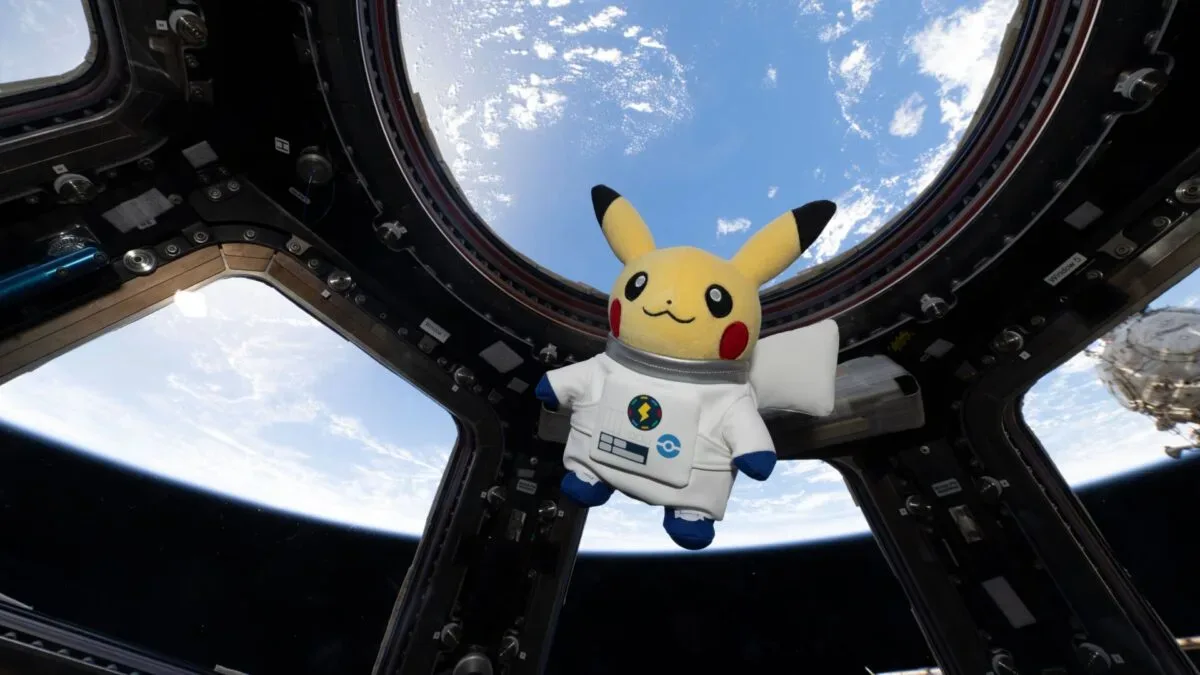
A Pikachu plush traveled to the International Space Station with European Space Agency astronaut Sophie Adenot in April. The plush returned in June after 67 days, having made 1,040 trips around Earth while aboard the station. In the extremely literal sense that matters here, Pikachu went to space.
The trip is part of a collaboration between the European Space Agency and The Pokémon Company tied to World Space Week. It is, unavoidably, a promotional campaign. But it is also a delightfully strange collision of one of entertainment’s most recognizable fictional creatures with an environment normally associated with orbital research, astronauts and highly controlled cargo manifests.
Pikachu’s orbital assignment
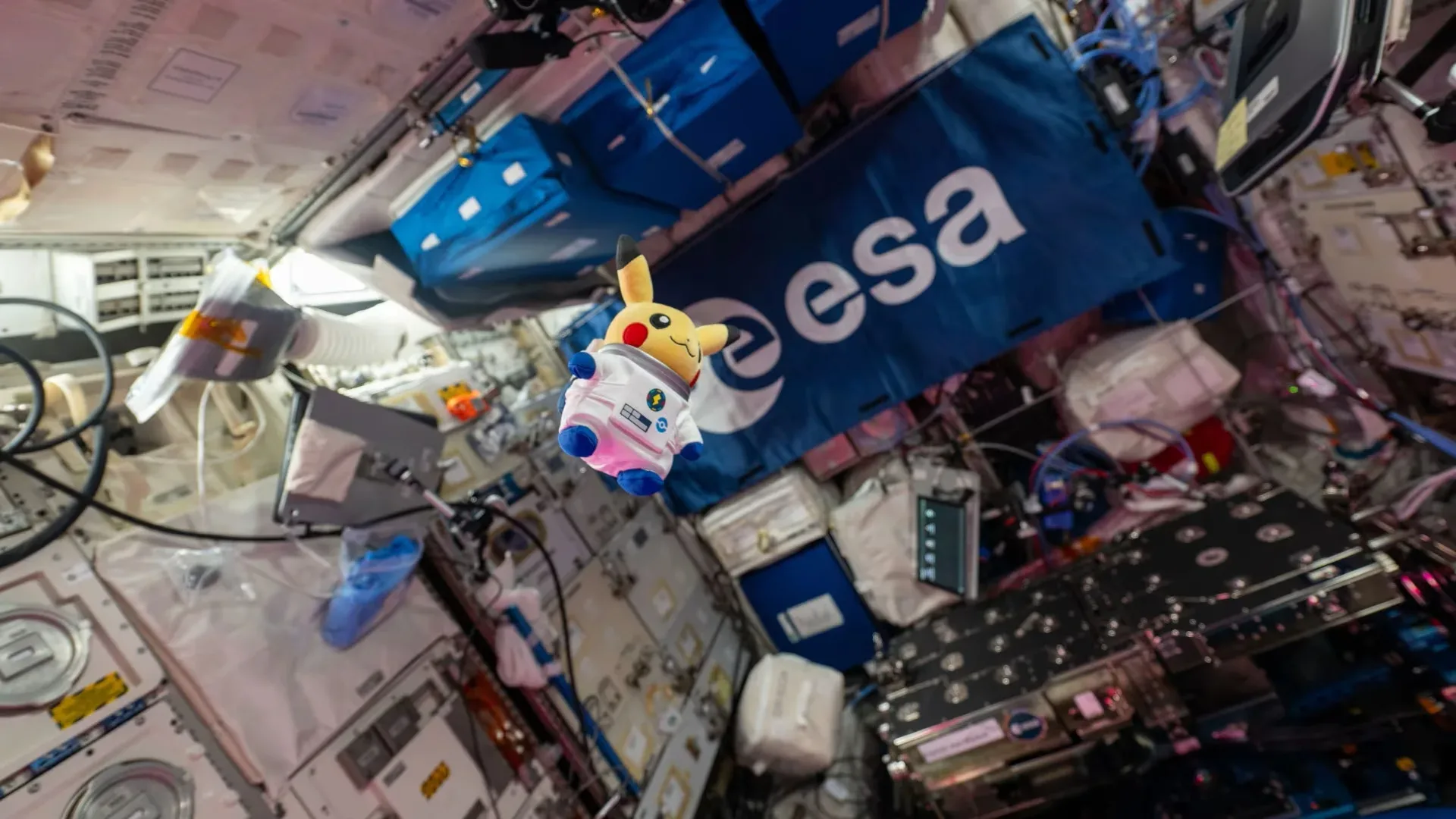
The key detail is worth stating plainly: this was a plush Pikachu, not a digital rendering inserted into a photo and not merely an astronaut costume designed for a terrestrial campaign. A physical Pikachu plush accompanied Adenot to the International Space Station, commonly abbreviated as the ISS.
The ISS is an orbiting space laboratory where astronauts live and work while circling Earth. For a character rooted in games about traveling across regions, filling a Pokédex and occasionally challenging a suspiciously enthusiastic adult in a cape, that is a notably dramatic change of scenery. There are no tall-grass encounters in orbit. There is, however, a very persuasive backdrop for a tiny astronaut costume.
The reported mission figures give the stunt its real charm. Pikachu spent 67 days in space and went around the planet 1,040 times before coming home. Those numbers turn a cute photo opportunity into an oddly impressive travel record. Pikachu did not simply make a symbolic visit; this particular plush spent more than two months in orbit.
There also appears to have been more than one Pikachu involved. Footage connected to the project seems to show a different plush from the one pictured with Adenot, suggesting two Pikachus may have made the journey. That detail has not been fully explained, so it is best treated as an apparent distinction rather than a confirmed tale of a two-Pikachu orbital crew.
Related coverage includes Pikachu Reached the International Space Station in ESA Collaboration.
Why the International Space Station matters here
Calling this a marketing stunt is fair, but it does not make the event meaningless. Space agencies routinely face the hard task of making complex work legible and exciting to people who may not follow science closely. A universally recognizable mascot can make an abstract subject feel approachable without pretending that a plush toy is conducting the research.
In this case, the ESA’s broader message is about conducting more science in space for humanity’s benefit. Pikachu is the attention-grabber, not the experiment. That distinction matters. The plush did not contribute scientific results merely by being present. Its role is communicative: provide a familiar visual hook that might lead audiences toward curiosity about astronauts, the ISS and the work taking place in orbit.
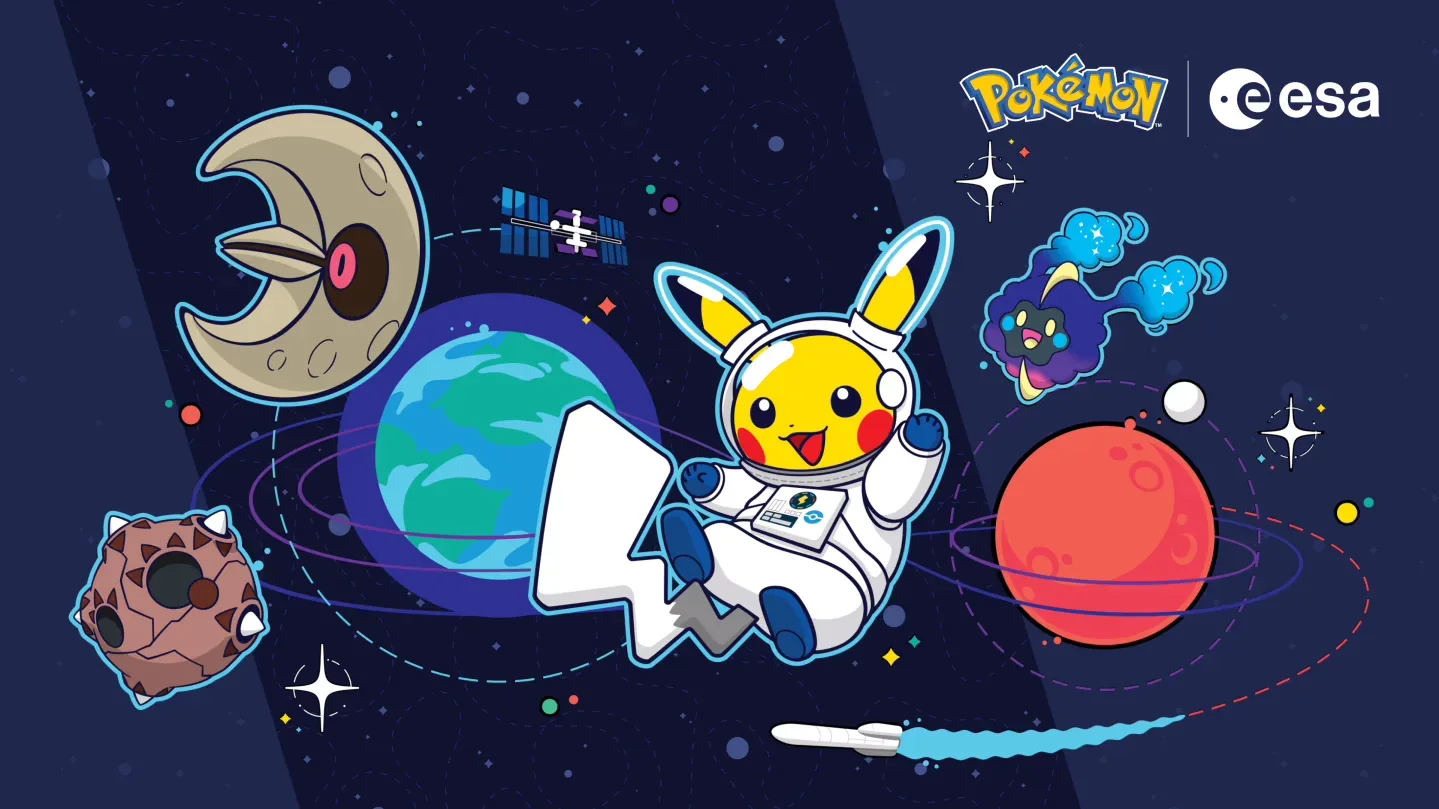
The Pokémon Company’s motivation is more commercial, as one would expect from a global entertainment brand. Astronaut Pikachu is set to appear in a new merchandise line, and the theme is also crossing into Pokémon GO. During the World Space Week period, players can expect an astronaut Pikachu in the mobile game.
That makes the campaign a neat example of how a single mascot design can travel across physical products, public outreach and a live-service game. The stuffed traveler gives the promotion an unusual real-world anchor; the game appearance lets players take part through an in-game event; and the merchandise gives fans a physical version of the character’s spacefaring look.
That blend of brand activity and player-facing content is familiar to Pokémon fans, though the ISS component gives this case far more lift than the average costumed character rollout. For another look at how games and business decisions can affect what players believe they own and retain, see this discussion of virtual ownership terms and annual game resets.
World Space Week plans extend beyond the orbiting plush
The collaboration is scheduled to be marked from October 4 through October 10 with exhibitions at various ESA facilities and museums across Europe. The events are positioned as a celebration of World Space Week, while giving visitors an opportunity to see the space-themed Pokémon campaign in a setting connected to European space activity.
For people interested in the distinction between the campaign’s parts, the exhibition and merchandise are terrestrial experiences, while astronaut Pikachu in Pokémon GO is a digital event reward or encounter within the game’s world. The ISS trip is the real-world centerpiece that lends both of those activities their story.
“Astronaut Pikachu” is also more than a generic phrase in this context. It refers to a recognizable costume and campaign identity built around the mascot’s actual association with Adenot’s mission. That is why the plush’s 67-day stay and 1,040 orbits are central details rather than decorative trivia. They are the factual connection between the fictional character’s outfit and a genuine journey to the station.
Is Pikachu the first Pokémon in space?
That question is harder to answer than it initially sounds. The available information establishes that Pikachu has been to the ISS, but it does not establish a complete history of every Pokémon item that astronauts may have taken aboard space missions. Without a comprehensive record, declaring Pikachu the first Pokémon in space would be too confident.
There are precedents for pop-culture and novelty objects reaching space. Snoopy has a well-known history connected to spaceflight, and astronauts have also made a dinosaur plush in space. Those examples do not answer the Pokémon question, but they show that small, playful figures can have a place in space-related storytelling.
What can safely be said is that Pikachu now has a documented ISS visit as part of an ESA collaboration. Whether another Pokémon plush arrived earlier remains unresolved on the evidence at hand. That uncertainty is more fun than frustrating: it leaves room for a very particular sort of future research project, namely checking whether any other pocket monster has quietly achieved orbital status.
The case for stranger Pokémon astronauts
Pikachu is the obvious choice. It is instantly identifiable, easy to photograph and already has a long history of adapting to themed costumes. Its friendly proportions also translate naturally to a plush that can sit beside an astronaut and communicate the entire campaign concept at a glance.
But the success of the image raises a more important scientific question: which Pokémon would be funniest on the ISS?
Alolan Exeggutor would be a logistical statement. Lickitung would make every mission photo look faintly alarming. Eiscue, a Pokémon whose visual appeal hinges on an ice-cube-like head, would bring a level of unexplained confidence to zero gravity that Pikachu simply cannot match.
None of those suggestions should be confused with a planned mission. They are merely the natural result of accepting the premise that Pikachu has already orbited the planet 1,040 times. Once that fact is on the table, the imagination starts looking for more improbable crew members.
For now, though, Pikachu owns the moment. The character has moved from pretending to be an astronaut in promotional art to having a genuine ISS connection, a 67-day orbital stay and a return trip to Earth. Somewhere in the vast catalogue of Pokémon costumes, that one is unusually difficult to top.